Le vin est l'une des boissons les plus anciennes et les plus fascinantes au monde. Bien que le vin rouge et le vin blanc soient tous deux élaborés à partir de raisins, leurs processus de production sont étonnamment différents. Les différences au niveau du traitement des raisins, des méthodes de fermentation, du contrôle de la température et de la conception des équipements contribuent toutes à conférer à chaque type de vin ses couleurs, ses arômes et ses saveurs uniques.
La principale différence entre la production de vin rouge et celle de vin blanc réside dans la manière dont les raisins sont traités avant la fermentation.
La production de vin rouge : extraction de la couleur, des tanins et du caractère
La production de vin rouge vise principalement à extraire les composés précieux présents dans les peaux, les pépins et, parfois, les rafles de raisin. Après la récolte, les raisins rouges sont généralement foulés puis transférés directement dans des cuves de fermentation avec leurs peaux. Les peaux de raisin contiennent des pigments naturels appelés anthocyanes, ainsi que des tanins et des composés aromatiques, qui confèrent au vin rouge sa couleur intense, sa structure et sa complexité.
Au cours de la fermentation, les levures transforment les sucres naturels du jus de raisin en alcool, tandis que les peaux de raisin remontent à la surface pour former une couche appelée “ chapeau ”. La gestion de ce chapeau constitue une étape cruciale dans la production du vin rouge. Les vignerons ont souvent recours à des techniques telles que le remontage ou le pigeage pour maintenir les peaux en contact avec le jus. Ce processus améliore l'extraction de la couleur, favorise le développement des arômes et permet d'obtenir une structure tannique équilibrée.
La fermentation du vin rouge nécessitant une extraction plus importante, la température de fermentation est généralement plus élevée, se situant souvent entre 25 et 30 °C. Des températures plus élevées favorisent la libération d’une plus grande quantité de composés responsables de la couleur et des arômes contenus dans les peaux de raisin. Après la fermentation primaire, de nombreux vins rouges subissent une fermentation malolactique, qui adoucit l’acidité et confère des arômes plus harmonieux.
Élaboration du vin blanc : préserver la fraîcheur et les arômes
La production de vin blanc obéit à une philosophie différente. Plutôt que d'extraire la couleur et les tanins, l'objectif est de préserver la fraîcheur, la finesse des arômes et le caractère naturel des raisins.
Après les vendanges, les raisins blancs sont généralement pressés en premier, et les peaux sont séparées du jus avant le début de la fermentation. Le jus de raisin clair est ensuite transféré dans des cuves de fermentation où la levure transforme le sucre en alcool.
Le contrôle de la température revêt une importance particulière dans la production de vin blanc. La fermentation s'effectue généralement à des températures plus basses, généralement comprises entre 12 et 18 °C, afin de préserver les composés aromatiques délicats et de conserver les notes fruitées, florales et fraîches du vin.
Contrairement au vin rouge, la fermentation du vin blanc ne nécessite ni contact avec les peaux ni gestion du chapeau de levures. C'est pourquoi les cuves destinées au vin blanc sont généralement conçues pour assurer une refroidissement précis, un traitement en douceur et une protection contre l'oxydation. Certains vins blancs haut de gamme peuvent également être élevés sur lies fines, ce qui permet, grâce à un contact contrôlé avec les sédiments de levures, d'apporter davantage de complexité et de richesse au vin.
Chaque processus nécessite des solutions d'équipement adaptées
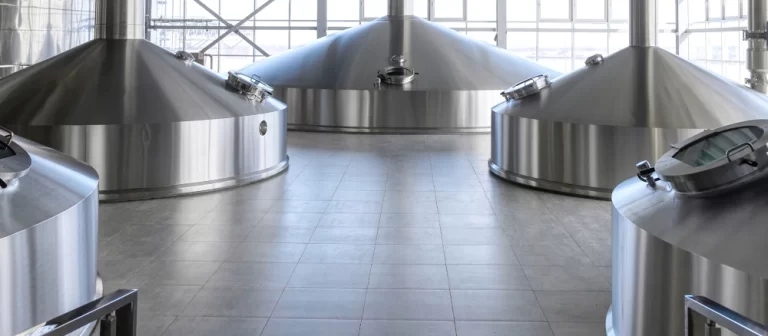
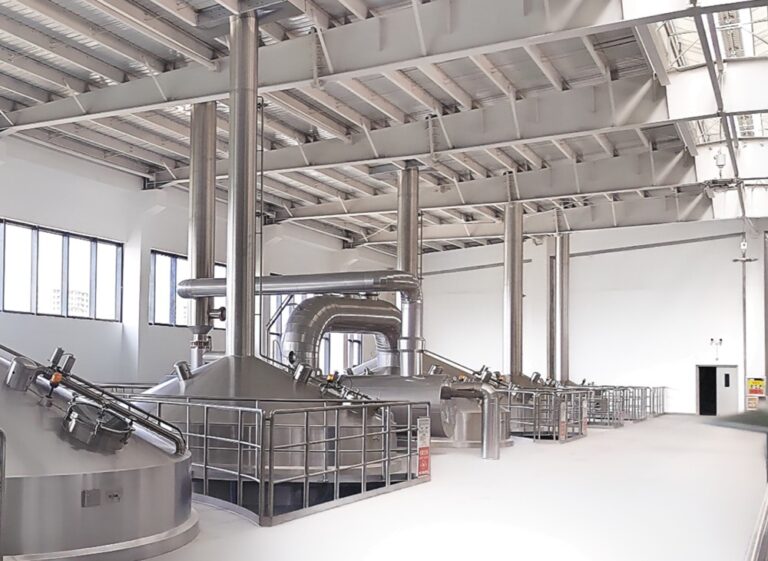
Les différences entre la production de vin rouge et celle de vin blanc influencent également la conception des équipements des caves. Les cuves de fermentation du vin rouge nécessitent souvent des ouvertures plus larges, des systèmes efficaces de gestion du chapeau de fermentation et, en option, des solutions de brassage ou de circulation. Les cuves de fermentation du vin blanc accordent davantage d'importance au contrôle de la température, à une conception fermée et à la protection contre l'oxygène.
Les caves modernes ont besoin d'équipements capables de s'adapter à différents styles de vinification. Les cuves de fermentation en acier inoxydable, dotées de systèmes de refroidissement de pointe, d'une conception hygiénique et de configurations modulables, permettent aux vignerons de produire des vins homogènes et de grande qualité.
Chez Tiantai, nous sommes conscients que chaque domaine viticole a sa propre philosophie et ses propres objectifs de production. Des petits domaines artisanaux aux producteurs de vin à grande échelle, nous proposons des cuves de fermentation sur mesure et des solutions complètes pour les domaines viticoles, conçues en fonction des processus spécifiques de chaque client.
Qu'il s'agisse d'élaborer un vin rouge puissant et charpenté ou un vin blanc élégant aux arômes frais, une technologie de production adaptée permet de transformer le potentiel naturel du raisin en un vin d'exception.
Merci de votre lecture.
Helen Lee
E-mail de contact : [email protected]