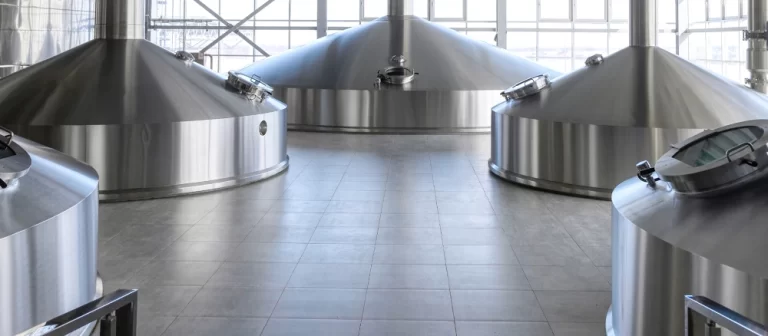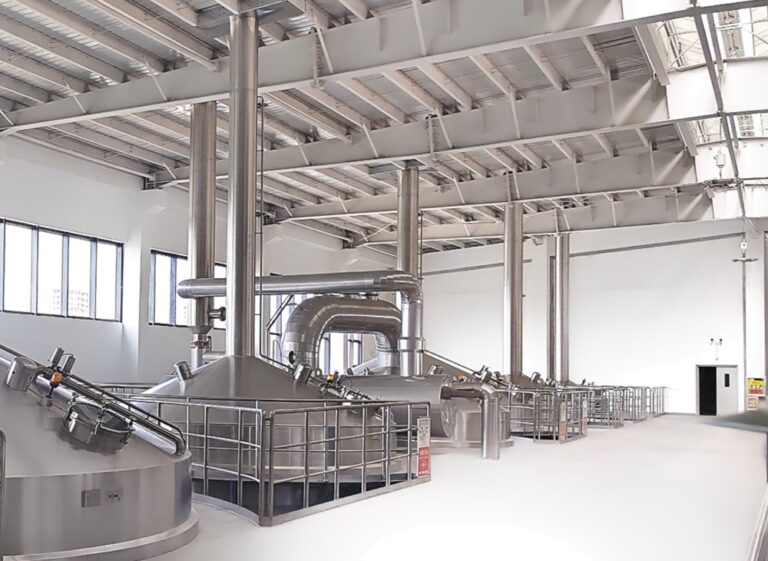
Starting a small distillery can be an exciting business opportunity, especially with the growing demand for craft spirits such as whiskey, gin, vodka, rum, and fruit brandy. However, entering the distilling industry requires careful planning and the right equipment. For beginners, understanding the basic components of a distillery is the first step toward building a successful business.
This guide introduces the essential equipment needed for a small-scale distillery and explains how to choose a suitable production system.
1. Raw Material Preparation Equipment
The first step in spirit production is preparing raw materials. Depending on the type of spirit, you may need different preparation equipment.
For grain-based spirits such as whiskey, a grain mill is used to crush malt or other grains into suitable particles. For fruit brandy and rum, fruit crushers or sugarcane juice processing equipment may be required.
Choosing the right preparation equipment helps improve raw material utilization and production efficiency.
2. Fermentation Tanks
Fermentation is an essential stage in producing alcoholic beverages. Fermentation tanks provide a controlled environment for yeast to convert sugars into alcohol.
Stainless steel fermentation tanks are widely used in commercial distilleries because they are hygienic, durable, and easy to clean.
When selecting fermentation tanks, consider the working volume, cooling jacket, insulation, temperature control, and cleaning requirements.
3. Distillation Equipment
The distillation system is the core of any distillery. Different spirits require different distillation configurations.
Pot Still: Commonly used for whiskey, rum, and brandy, helping retain rich and distinctive aromas.
Column Still: Suitable for producing high-purity alcohol and continuous or repeated distillation processes.
Hybrid Still: Combines pot still and column still functions, offering greater production flexibility.
Gin Basket: An optional component used to extract botanical aromas during gin production.
The still capacity, heating method, condenser design, and copper or stainless steel construction should be selected according to your production goals.
4. Cooling and Supporting Equipment
A complete distillery also needs supporting equipment, including condensers, cooling systems, transfer pumps, storage tanks, and CIP cleaning systems.
A suitable cooling system ensures efficient vapor condensation and stable operation. CIP systems help clean tanks and pipelines, reducing manual cleaning work and improving hygiene.
5. How to Choose the Right Equipment Supplier
For beginners, working with an experienced distillery equipment manufacturer can simplify the entire project.
Look for a supplier that can provide customized equipment layouts, complete system solutions, technical documentation, and after-sales support. Also, check material specifications, manufacturing quality, safety standards, and warranty terms.
Conclusion
Building a small distillery does not necessarily require a huge initial investment. The key is to select equipment that matches your product type, production capacity, available space, and budget.
With a well-designed distillery system and reliable equipment, beginners can establish an efficient production process and gradually expand their business as market demand grows.
Hélène
Responsable commercial