Rum is one of the world’s most popular spirits, traditionally produced from sugarcane juice, sugarcane syrup, or molasses. With the growing interest in craft and premium spirits, starting a small rum distillery has become an attractive business opportunity for entrepreneurs.
However, producing high-quality rum requires more than just a distillation still. A complete production system should include raw material preparation, fermentation, distillation, cooling, and storage equipment.

Here is a guide to the essential equipment for setting up a small rum distillery.
1. Raw Material Preparation Equipment
The first step in rum production is preparing the sugarcane-based raw materials.
Depending on your production method, you may need:
Sugarcane Crusher: Extracts fresh juice directly from sugarcane.
Juice Filtration System: Removes fibers and other solid impurities.
Molasses Mixing Tank: Used to dilute molasses with water and prepare the fermentation solution.
The equipment configuration depends on whether you plan to produce agricultural rum from fresh sugarcane juice or traditional rum from molasses.
2. Fermentation Tanks
Fermentation is an important stage that directly influences rum flavor and aroma.
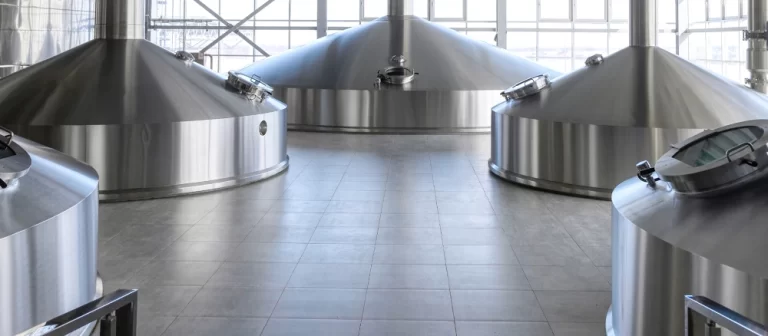
Stainless steel fermentation tanks are widely used in small rum distilleries because they are durable, hygienic, and easy to maintain.
Jacketed fermentation tanks with cooling systems are recommended when temperature control is required. Tank capacity and quantity should be determined according to fermentation time, batch size, and daily production targets.
3. Rum Distillation Equipment
The distillation still is the core of a rum production system.
There are several configurations to consider:
Pot Still: Suitable for traditional craft rum production, creating rich and complex flavor profiles.
Column Still: Offers greater separation efficiency and is suitable for lighter rum styles and higher alcohol concentrations.
Hybrid Still: Combines pot and column distillation functions, providing flexibility for producing different rum styles.
Depending on your production requirements, the still can be equipped with electric or steam heating, a condenser, and a spirit collection system.
4. Cooling and Auxiliary Equipment
A complete small rum distillery may also require:
Condensers and cooling systems
Transfer pumps and pipelines
Spirit receivers and storage tanks
Systèmes de nettoyage CIP
Control panels and monitoring instruments
These supporting components help maintain stable production and improve daily operating efficiency.
5. How to Choose the Right Equipment Capacity?
Small rum distilleries commonly consider 100L, 200L, 500L, and 1000L stills.
A 100L or 200L system is suitable for startups and experimental production, while 500L and 1000L systems are more appropriate for growing commercial businesses.
Before purchasing, consider your annual production target, raw materials, available space, energy supply, and investment budget.
Conclusion
Starting a small rum distillery doesn’t require an oversized production facility. The key is choosing the right combination of fermentation tanks, distillation equipment, and auxiliary systems.
Working with an experienced distillery equipment manufacturer can help you develop a customized solution that matches your production goals and budget, creating a solid foundation for your craft rum business.
Hélène
Responsable commercial