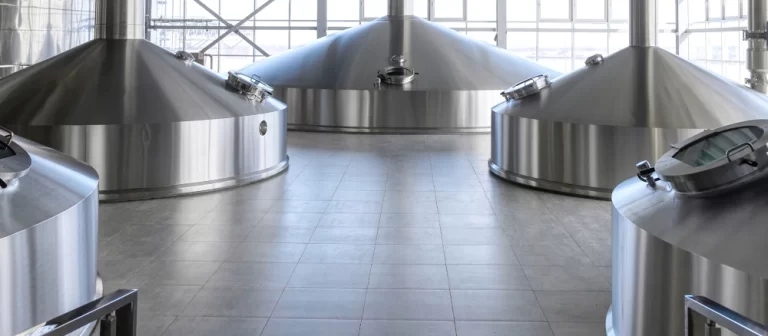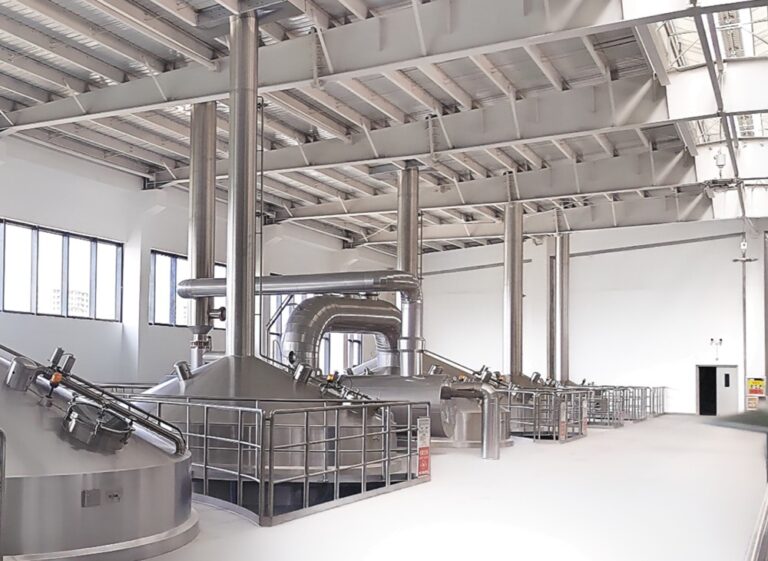
More and more craft breweries around the world are expanding beyond beer and installing their own distillery systems. This combination of brewing and distilling is a natural evolution, as both processes share similar foundations in raw materials, fermentation science, and equipment design. Among all distilled spirits, whisky remains one of the most respected and widely consumed. In this article, we will focus on one of the most critical stages in whisky production: fermentation. This is the stage where alcohol is actually created, transforming sweet wort into a low-alcohol liquid known as “wash,” which will later be distilled into whisky.
1.The Role of Fermentation in Whisky Production
Fermentation is a biological and metabolic process in which yeast converts fermentable sugars into alcohol (ethanol), carbon dioxide, and a wide range of flavor compounds. Without fermentation, there would be no alcohol. In whisky production, fermentation bridges the gap between grain processing and distillation. It determines not only the alcohol content but also much of the aroma and flavor complexity that will carry through the entire maturation process.
In single malt whisky production, barley is the primary raw material. The starch stored within the barley grain must first be converted into simple sugars before yeast can ferment it. This conversion occurs through carefully controlled steps: malting, mashing, and then fermentation.
Let’s explore these steps in detail.
2.Malting: Unlocking the Grain’s Potential
The journey begins with malting. Malting is the controlled germination of barley grain to activate natural enzymes. These enzymes are essential for breaking down the complex starch molecules in the grain into simpler sugars such as maltose, which yeast can ferment.
Traditionally, barley is soaked in water for approximately 48 hours. This steeping process increases the grain’s moisture content and stimulates germination. After soaking, the barley is spread out on a malting floor or placed in modern germination vessels. Over the next 3 to 5 days, the grain begins to sprout. During this time, enzymes such as amylase develop and start breaking down cell walls, preparing the starch for later conversion.
Timing is critical. If germination continues too long, the plant will consume too much of the starch reserve, reducing alcohol yield. Therefore, the process is carefully monitored and stopped at the optimal moment.
3.Kilning and Peating: Flavor Development Begins
Once the desired level of modification is reached, germination is halted by drying the barley in a kiln. Warm air is circulated through the grain to reduce moisture and preserve the enzymes.
In many traditional Scotch-style whiskies, particularly those inspired by production methods used in regions such as Islay, peat smoke is introduced during kilning. Peat is a natural fuel made from partially decomposed plant material. When burned, it produces smoke rich in phenolic compounds.
These phenols adhere to the malted barley and contribute distinctive smoky, earthy, and medicinal aromas to the final spirit. Phenol levels are typically measured in parts per million (ppm). Lightly peated malts may contain 2–3 ppm, while heavily peated malts can reach 20–50 ppm or even higher.
The choice of barley variety also influences the final character and yield of whisky. Historically, Golden Promise became highly popular in the 1960s due to its excellent malting qualities and flavor contribution. In recent decades, newer barley varieties such as Optic have gained popularity because they offer higher alcohol yields per ton, improving production efficiency while maintaining quality.
4.Mashing: Extracting the Sugars
After kilning, the dried malt is milled in a grist mill to produce a coarse flour known as grist. The grind size is important: it must be coarse enough to allow proper filtration but fine enough to expose the starch for enzymatic conversion.
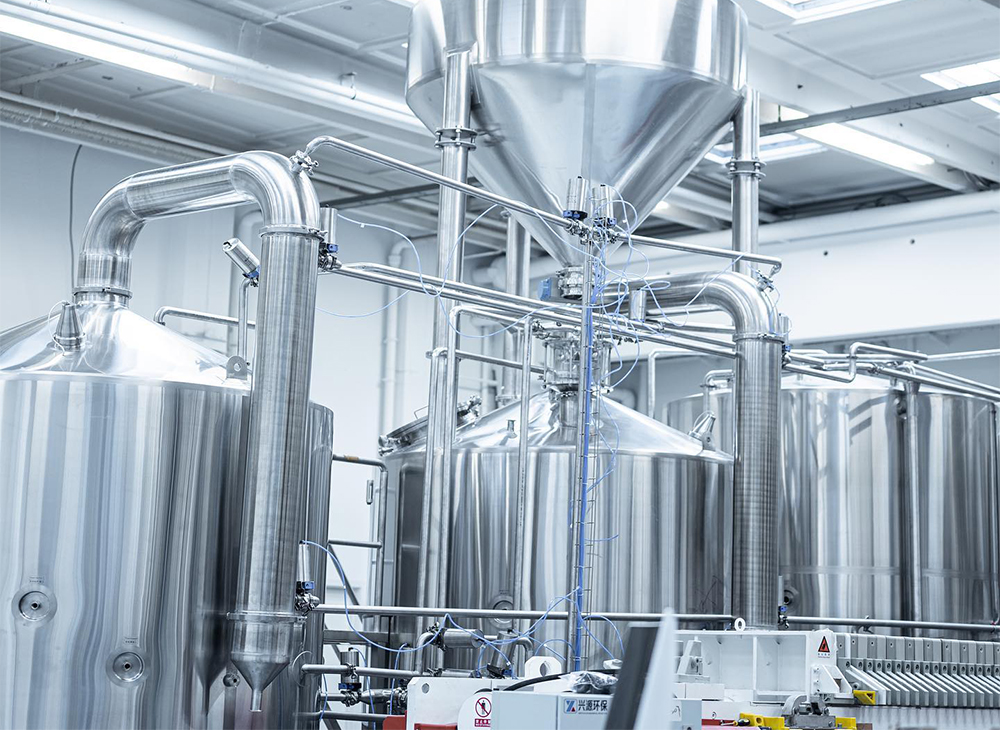
The grist is transferred into a mash tun, typically made of stainless steel. Here, it is mixed with hot water in several stages. The purpose of mashing is twofold:
▪Dissolve fermentable sugars.
▪Allow enzymes to convert remaining starch into sugars.
Temperature control during mashing is essential. Common practice involves three water additions at progressively higher temperatures, such as 60°C, 72°C, and 88°C. Lower temperatures favor enzyme activity and sugar extraction, while higher temperatures help rinse out remaining sugars.
The resulting sweet liquid is called wort. The spent grain solids are separated from the wort through a process known as sparging, which involves spraying hot water over the grain bed to extract as much sugar as possible.
At this stage, the process resembles beer production—except for one important difference: no hops are added in whisky production.
5.Fermentation: Where Alcohol Is Born
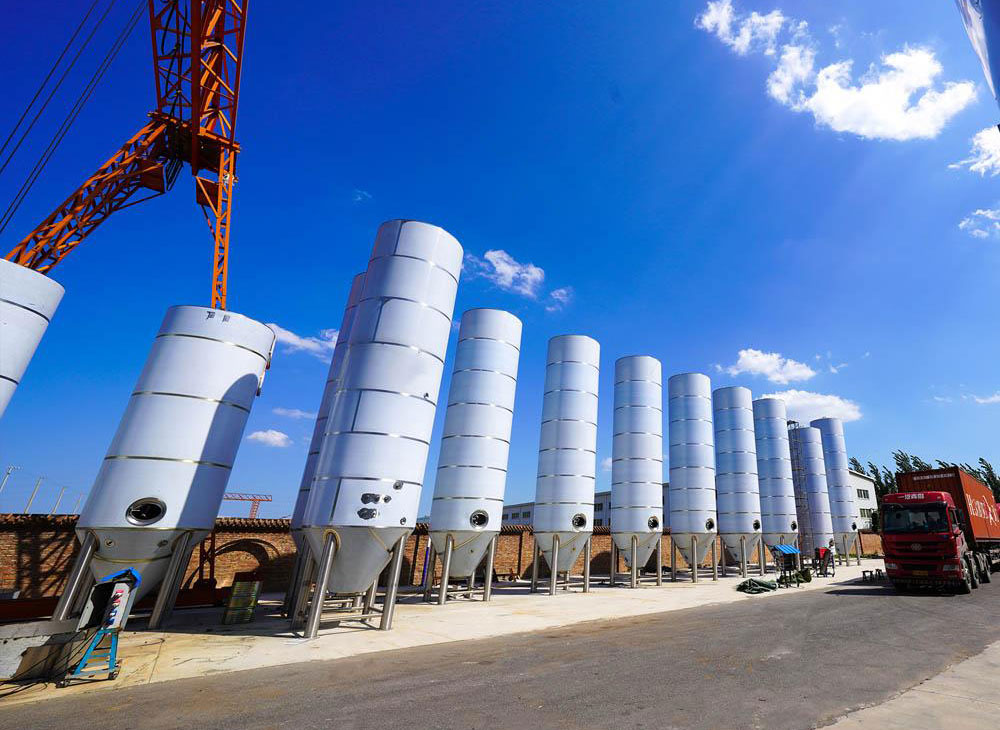
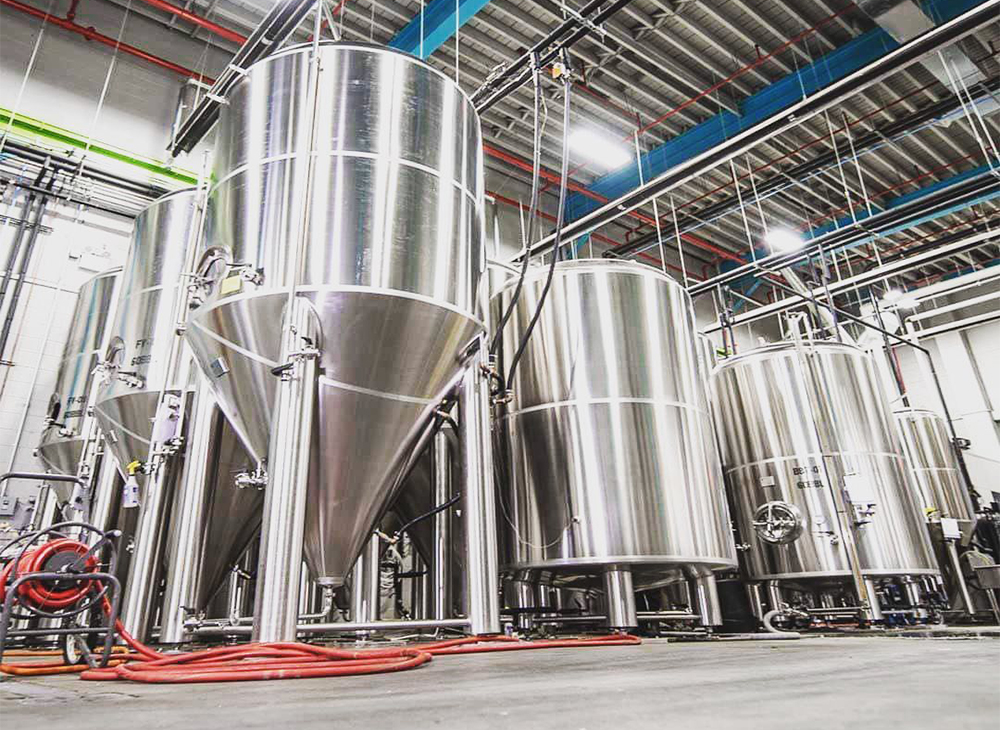
The clear wort is pumped into a fermentation vessel known as a washback. Traditionally, washbacks were made from wood, but modern distilleries often use stainless steel for improved hygiene and temperature control.
Yeast is then added to the cooled wort. The yeast begins consuming the sugars and converting them into ethanol and carbon dioxide. This process typically lasts between 48 and 96 hours, depending on the distillery’s style and objectives.
The chemical reaction can be summarized as:
Sugar → Ethanol + Carbon Dioxide + Flavor Compounds
However, fermentation produces much more than alcohol. It also generates esters, higher alcohols, organic acids, and other congeners that significantly influence the aroma and taste of the final whisky. Fruity, floral, spicy, and creamy notes can all originate during fermentation.
The fermented liquid is called “wash.” It is essentially an unhopped beer, usually with an alcohol content between 5% and 10% ABV.
6.Yeast Selection and Fermentation Control
Yeast strain selection plays a major role in shaping the final spirit profile. Some distilleries use specialized distiller’s yeast strains optimized for alcohol yield and consistency. Others may incorporate brewer’s yeast strains to enhance flavor complexity.
In certain traditional environments, natural or wild yeasts may contribute subtle characteristics, although modern commercial production generally emphasizes controlled fermentation for predictability and hygiene.
Key parameters monitored during fermentation include:
Temperature (typically 18–25°C)
Niveaux de pH
Durée de la fermentation
Oxygen exposure during initial yeast propagation
Longer fermentation times often promote the formation of more esters, resulting in fruitier spirits. Shorter fermentations may focus more on alcohol efficiency and consistency.
Careful control at this stage ensures both optimal alcohol yield and the desired flavor foundation before distillation.
7.From Wash to Whisky
Once fermentation is complete, the wash is transferred to the still for distillation. While distillation concentrates the alcohol and refines the spirit, it cannot create flavor from nothing. The complexity and character established during fermentation will carry forward into the new make spirit and eventually into the matured whisky after years in oak casks.
For this reason, fermentation is often considered one of the most critical steps in whisky production. Even small adjustments in yeast strain, fermentation time, or temperature can significantly alter the final product’s sensory profile.
8.Integrating Brewing and Distilling Systems
For craft breweries looking to expand into spirits, whisky production is a logical extension. Much of the required infrastructure—milling, mashing, fermentation tanks, and temperature control systems—overlaps with brewing operations.
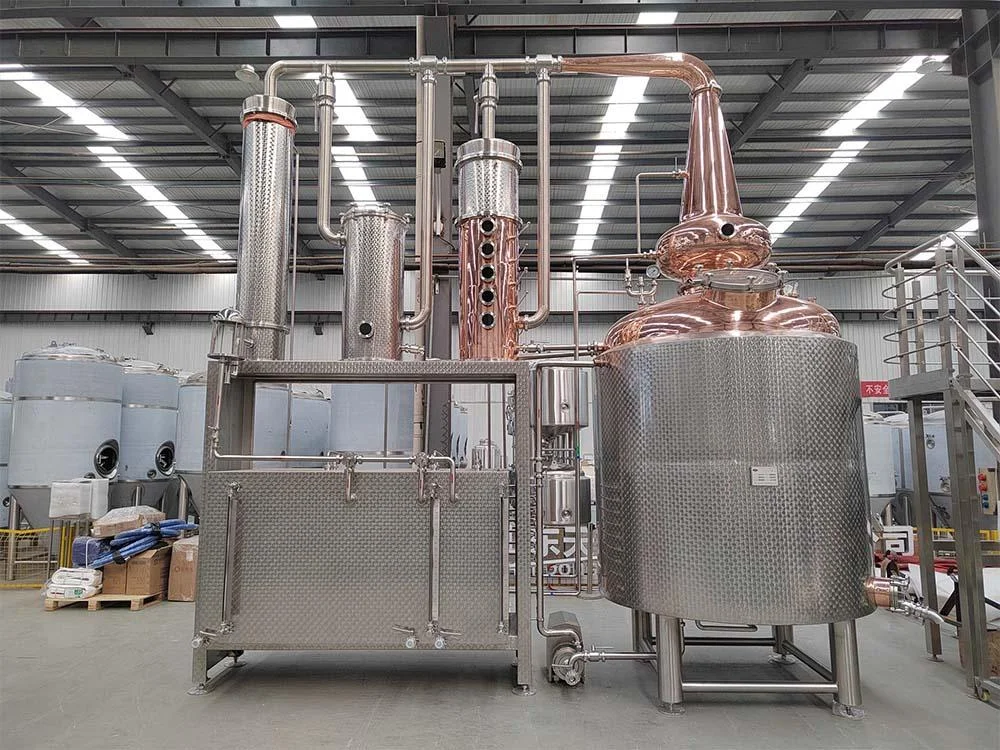
A professionally designed brewhouse can be configured to support both beer production and whisky fermentation. Dedicated fermentation tanks, mash tuns, and washbacks can be customized to match your production capacity. Additionally, distillation systems such as pot stills or hybrid stills can be tailored to your desired output volume and spirit style.
Whether you plan to produce craft beer, whisky, or both simultaneously, an integrated system design ensures efficiency, quality control, and future scalability.
Fermentation is the heart of whisky production. It is the stage where sugar becomes alcohol and where the foundation of flavor is created. From malting and mashing to yeast selection and wash development, every detail matters.
As more microbreweries explore distilling, understanding the science and craftsmanship behind whisky fermentation becomes increasingly important. With proper system design, precise process control, and high-quality equipment, breweries can confidently expand into whisky production and create spirits that reflect both tradition and innovation.
If you are considering building or upgrading a brewing and distilling facility, selecting the right equipment partner is essential. A well-designed brewhouse and distillation system can help you achieve consistent performance, flexibility, and premium product quality—setting the stage for long-term success in both beer and whisky production.
Édité par Daisy
[email protected]