The beverage market is changing. Consumers are no longer looking only for something refreshing—they are increasingly interested in products that fit into a healthier, more balanced lifestyle.
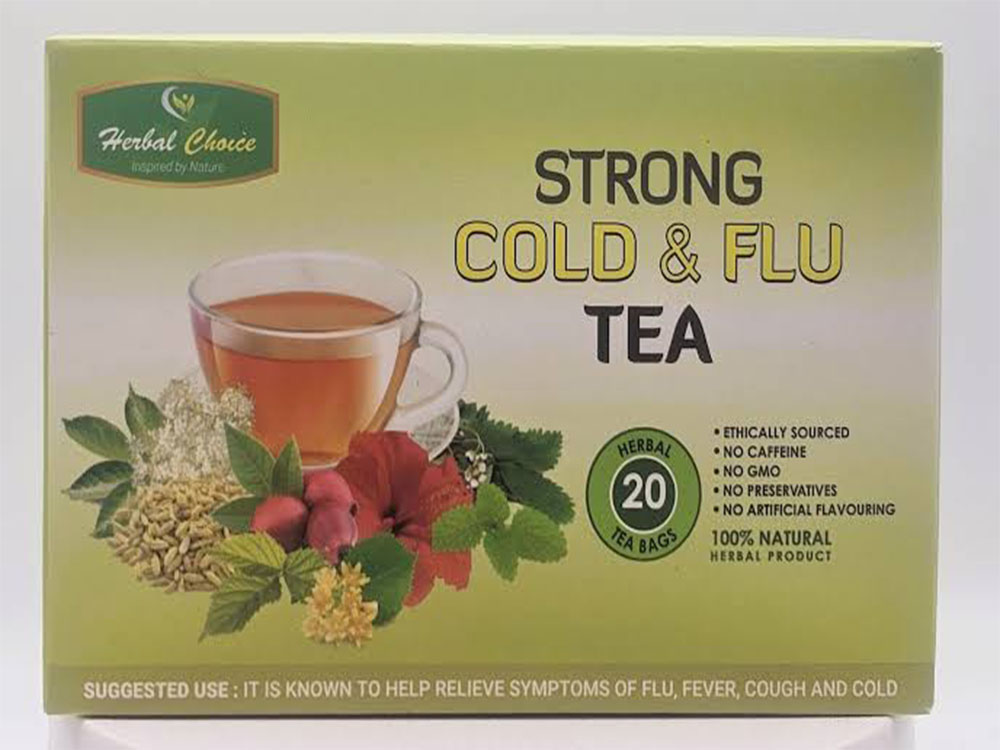
This is where **functional tea beverages** are gaining attention.
Among the many possibilities, the combination of **green tea and L-theanine** offers an interesting direction for product developers looking to create a modern tea beverage with a distinctive concept.
Why Green Tea?
Green tea has been enjoyed for centuries and is naturally rich in tea polyphenols, catechins, and other compounds that contribute to its characteristic flavor and aroma.
Today, green tea is also widely associated with natural, healthy and premium beverage concepts.
However, producing a high-quality ready-to-drink green tea on an industrial scale is not simply a matter of adding tea extract to water.
Extraction temperature, extraction time, tea-to-water ratio, filtration and oxygen exposure can all have a significant impact on the final product.
Too much extraction may result in excessive bitterness and astringency, while insufficient extraction can produce a weak and flat tea profile.
The Role of L-Theanine
L-theanine is an amino acid naturally found in tea, particularly in green tea. It has become an increasingly interesting ingredient for functional beverage development.
Combined with green tea, L-theanine provides an opportunity to build a product concept around **focus, relaxation and everyday balance**.
Rather than creating a beverage that simply delivers sweetness or flavor, manufacturers can develop a more sophisticated product with a clear functional positioning.
This is particularly relevant to today’s consumers, who are increasingly looking for beverages that can become part of their daily routines.
## From a Great Formula to a Stable Product
A successful functional tea beverage requires more than an attractive formulation.
The real challenge begins when the product moves from the laboratory to commercial production.
How can the same tea flavor be maintained from batch to batch?
How can the tea extract be efficiently filtered?
How can oxidation be minimized to preserve color and flavor?
How can ingredients such as L-theanine be accurately and consistently blended?
And, most importantly, how can the finished beverage remain stable throughout its intended shelf life?
These questions require a well-designed processing system.
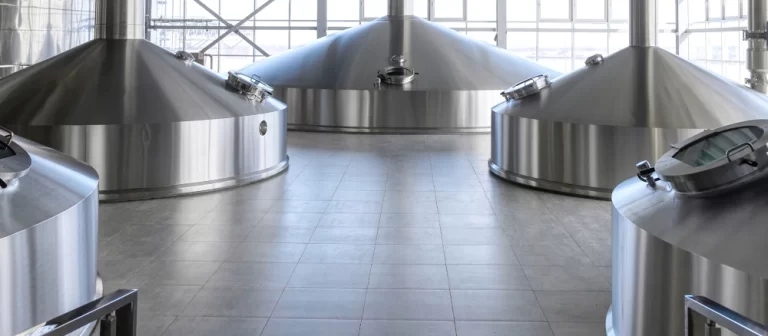
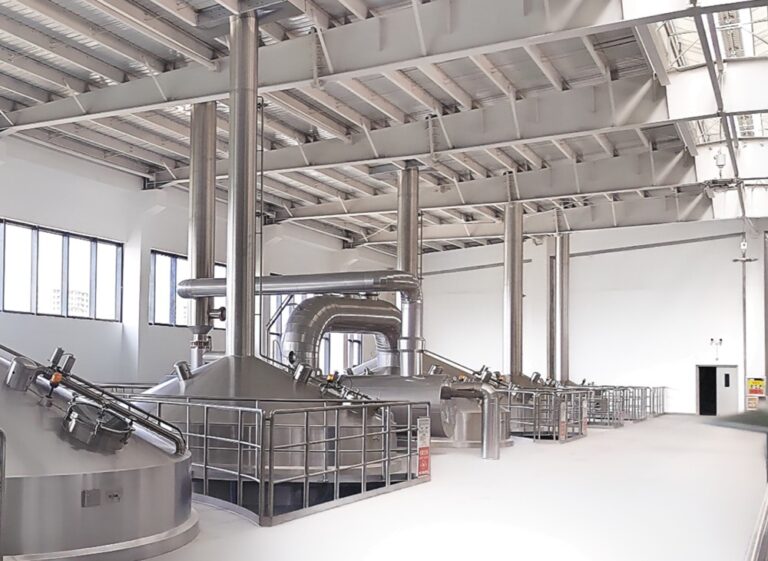
A typical industrial tea beverage line may include **tea extraction, coarse filtration, fine filtration, ingredient preparation, blending, homogenization when required, deaeration, pasteurization or UHT treatment, cooling, and final filling**.
Each stage contributes to the consistency and stability of the final product.
## A New Opportunity for Beverage Brands
For beverage manufacturers, green tea combined with L-theanine is more than just another recipe.
It represents an opportunity to develop a new generation of **premium functional beverages** that combine familiar tea culture with modern consumer expectations.
The possibilities are also broad: lightly flavored green tea, sparkling tea, low-sugar beverages, fruit-infused tea, or convenient ready-to-drink formats in PET bottles and cans.
The key is finding the right balance between **taste, functionality, stability and production efficiency**.
A great functional beverage starts with a good formula—but a reliable production process is what turns that formula into a successful commercial product.
**Green tea + L-theanine could be one of the interesting directions for the next generation of functional tea beverages.**
Thank you very much for your reading.
Helen
Sales manager