As the craft beer scene continues to evolve, so too does the technology behind brewing. In 2026, breweries of all sizes are adopting smarter, more sustainable, and highly efficient equipment solutions that streamline production, enhance quality, and reduce environmental impact. From cutting-edge automation to modular systems designed for flexibility, these trends are reshaping how craft beer is made.

-
Automation Meets Artisanal Craftsmanship
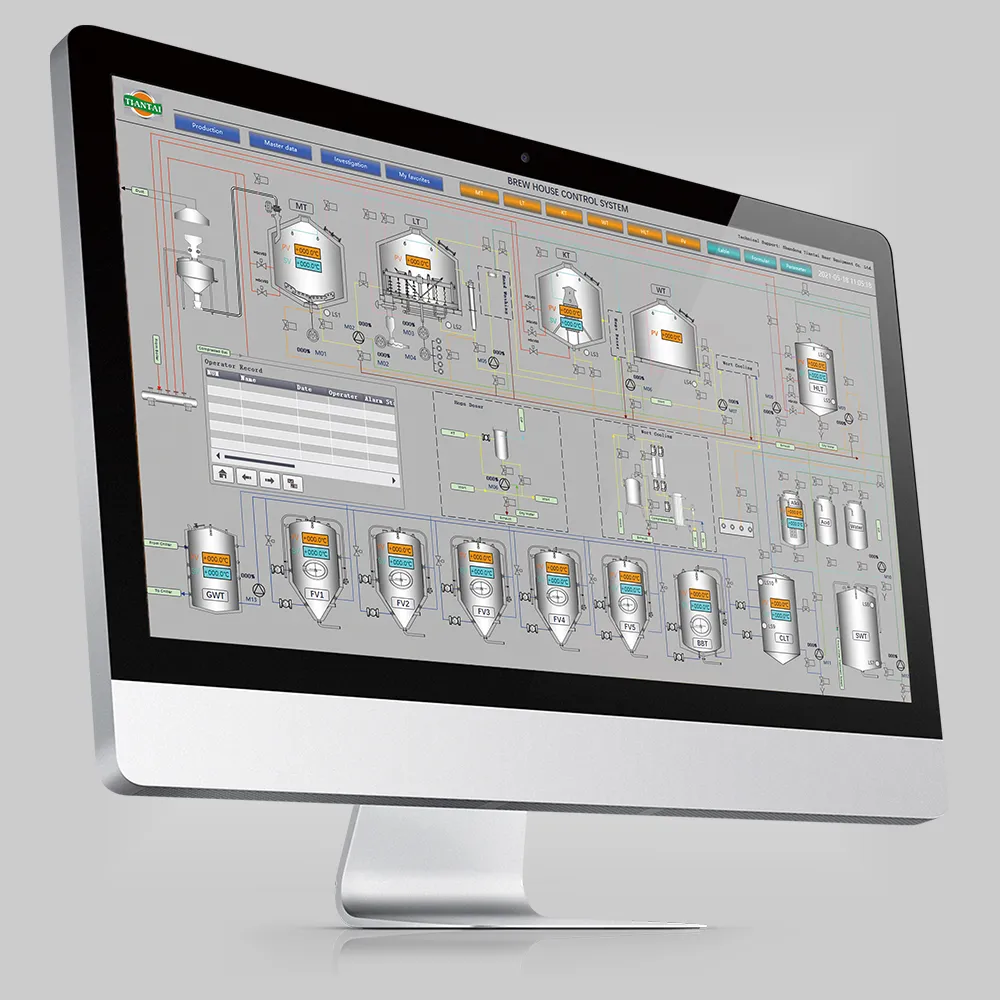
One of the biggest trends in 2026 is the integration of automation without losing artisanal character. Modern breweries are equipping their systems with smart sensors and IoT connectivity—allowing brewers to monitor fermentation temperatures, tank levels, and process timings in real time via mobile apps or dashboards.
This doesn’t mean handcrafted beer goes away. Rather, automation handles repetitive tasks such as temperature control, pump timing, and CIP (Clean-In-Place) cycles, freeing brewers to focus on recipe development and quality control.
These systems can even send alerts when deviations occur, preventing off-flavors or process errors before they affect the batch.
-
Energy Efficiency and Sustainability
Sustainability is no longer optional—it’s a business imperative. Breweries are investing in equipment that minimizes energy and water use while maintaining high performance.
In 2026, key sustainability trends include:
Heat recovery systems that capture waste heat from boilers or glycol chillers and reuse it for mashing or cleaning.
Water reclaim technology for rinsing and non-product stages to cut freshwater consumption.
High-efficiency boilers and variable frequency drives (VFDs) on pumps to reduce power usage.
These greener technologies not only reduce operational costs but also align brands with consumer expectations for environmentally responsible products.

-
Modular and Scalable Systems
Growth and flexibility go hand in hand. Breweries—especially small and startup operations—are purchasing modular brewing systems that scale with demand.
Instead of committing to a large, fixed system, breweries can add:
Additional fermenters
明るいビールタンク
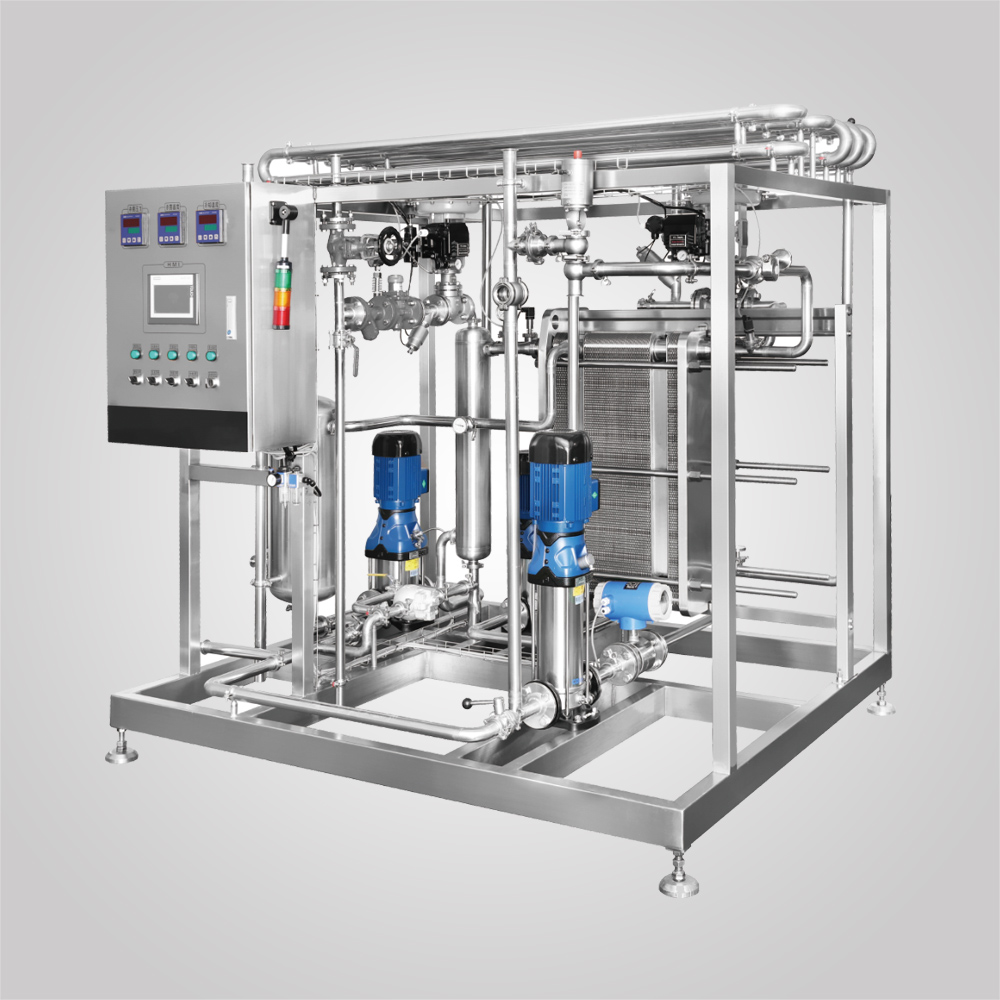
Mobile CIP units
Modular filtration stations
This modularity allows breweries to invest incrementally, manage cash flow, and expand capacity without major downtime or retrofitting headaches.
-
Advanced Fermentation Management
Fermentation remains the heart of brewing, and 2026 equipment trends reflect this focus. Breweries are adopting advanced fermentation controls with features such as:
Digital algorithms for precise temperature profiling
Automated CO₂ management
Pressure-controlled fermentation modes
Data logging for reproducibility and quality assurance
Such systems help brewers consistently produce the same flavor profiles batch after batch—even with complex yeast strains or mixed fermentation styles.
-
Smart Cleaning: CIP and Beyond
Hygiene is critical to beer quality. The new wave of CIP (Clean-In-Place) technology offers:
Pre-programmed cleaning sequences
Flow monitoring to ensure proper chemical contact
Automated chemical dosing
Remote start/stop capabilities
By improving sanitation efficiency, breweries reduce labor costs and decrease downtime between batches.
-
Integration with Quality Data Systems
Finally, breweries in 2026 are learning the power of quality data systems. Equipment that logs key parameters—like mash pH, fermentation kinetics, and pressure curves—enables analytics that drive continuous improvement.
Whether for compliance, scaling recipes, or troubleshooting, data becomes a competitive advantage.
Conclusion:
The craft beer industry in 2026 is powered by equipment that blends intelligence, sustainability, scalability, and quality control. Whether you’re a startup brewer or a seasoned production brewery, staying on top of these trends will help you brew better beer, reduce costs, and meet market demands in an increasingly competitive landscape.
お読みいただきありがとうございました。
ヘレン