インディア・ペールエール(IPA)は、強烈なホップのアロマ、バランスの取れた苦味、鮮やかな風味表現で知られ、現代のクラフトビール醸造所の主力スタイルとなっている。商業的な標準に耐えるIPAを醸造するには、単に多くのホップを加えるだけでは不十分で、正確さとテクニック、そして原料への深い理解が求められる。ここでは、プロ品質のIPAを醸造するための簡潔で実用的なガイドを紹介する。.
1.適切なベースモルトから始める
素晴らしいIPAは、クリーンで力強いモルトのバックボーンから始まる。目標は、ホップの影を消すことなく、ホップを運ぶのに十分なボディを提供することである。.
典型的なモルトビル:
85-90% 高品質ペールエールまたはピルスナーモルト
3-8% ボディとヘイズのための小麦またはオーツ麦(特にヘイジーIPA用)
2-5% 軽めのクリスタル麦芽またはデキストリン麦芽(バランス用
重いカラメル麦芽はホップの表現を弱め、モダンなIPAスタイルでは不要な甘さを加えるので避ける。.
2.水質を調整する
水はプロフェッショナルなIPAの品質を支える静かな原動力である。水のプロファイルを調整して、ホップの輝きを高めましょう。.
主なターゲット
塩化物と硫酸塩の比率:
ウェストコーストIPA:クリスピーな苦味を出すために硫酸塩を高めに設定(例:200~300ppm)。
ヘージーIPA:ソフトさを出すために塩化物を多めに(150~200ppm)使用。
酵母の健康と透明感のために、カルシウムは50ppm以上に保つ。.
適切なミネラルバランスはホップの輝きを助け、ビールの口当たりを良くする。.
3.マッシュと発酵をマスターする
商業品質のIPAには、発酵しやすいがバランスのとれた麦汁が必要だ。.
65-67℃でマッシュし、ややドライでクリスプな仕上がりにする。
発酵前の麦汁の酸素供給を維持し、酵母の活力を促進する
US-05、WLP001などのクリーンで減衰性の酵母を使用する。
きれいな風味を出すために18~20℃で発酵させ、ダイアセチルを休ませるために少し温度を上げる。ドライなフィニッシュは、IPAのクドさや重さを避けるために不可欠である。.
4.戦略的にホップレイヤーを構築する
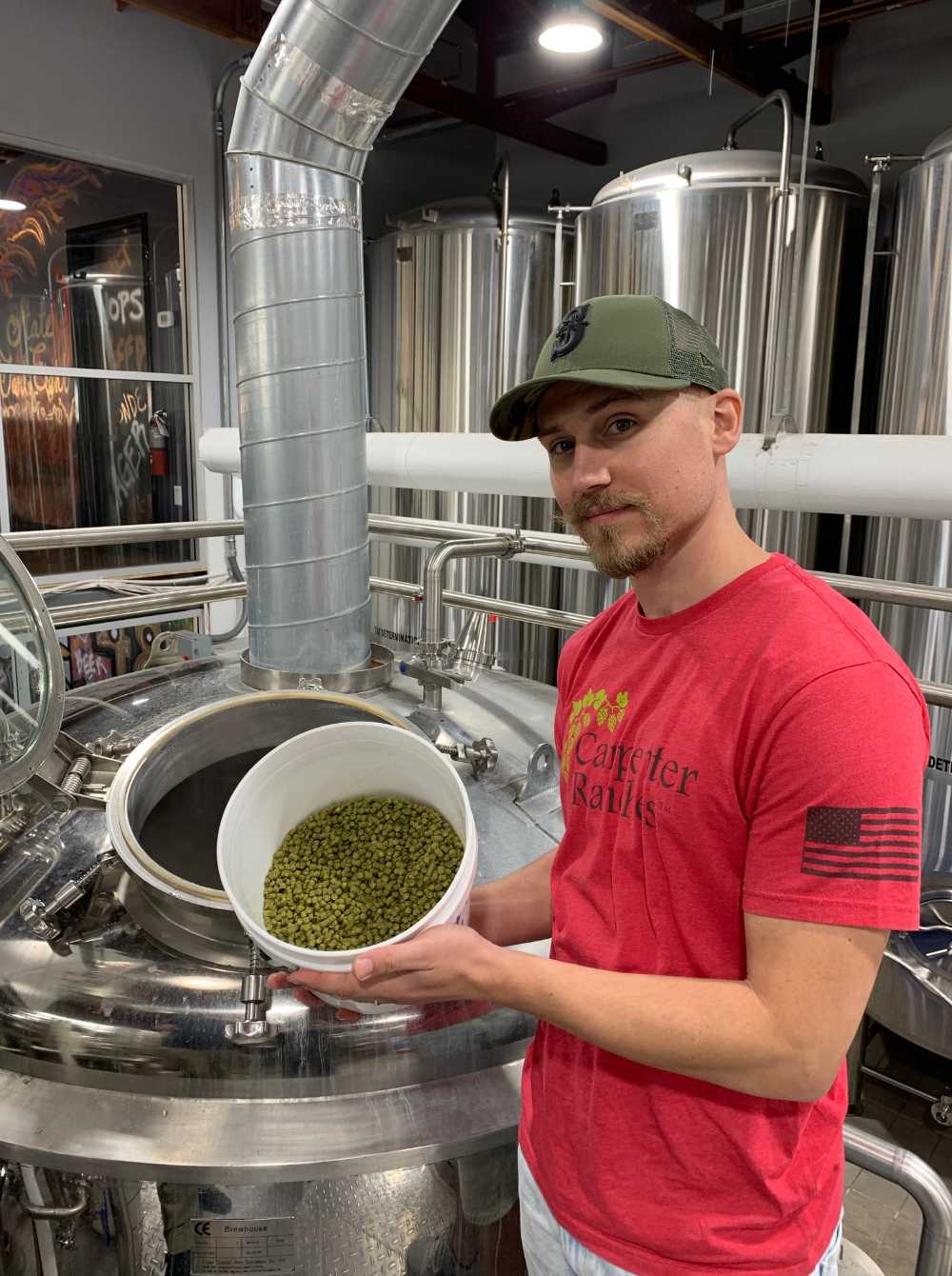
ホップはIPAの心臓部である。最も優れた市販のIPAは、複雑さを出すために何層にも添加する。.
醸造所でのホッピング:
60分で少量のビター・チャージ
75~85℃のワールプール添加により、苦味のないアロマとフレーバーを実現。
ドライホッピング:
西海岸は6-12 g/L
ヘイジーIPA用10-20 g/L
ドライホップを2段階に分け、アロマを高め、草っぽいキャラクターを抑える。
発酵中にホップを加えることで、トロピカルでフルーティーな香りを高める。
シトラ、モザイク、シムコー、ギャラクシー、ネルソン・ソーヴィンなどのモダンなホップを選び、インパクトのあるアロマを出す。.
5.酸素を完全にシャットアウトする
自家製IPAと市販のIPAの違いは、酸素のコントロールに行き着くことが多い。.
発酵槽、ケグ、ラインをCO₂でパージする
あらゆる段階で飛散を最小限に抑える
可能であればCO₂下でドライホップする
無酸素状態でのみコールドクラッシュさせる
わずかな酸素のピックアップでも、ホップのアロマは段ボールに変わり、色は急速に濃くなる。.
6.パッケージ・ウィズ・ケア
ホップ発現のピークを維持する:
すぐに冷蔵保存
可能な限りケギングを利用する
缶の場合、優れたシームインテグリティと最小限のDOレベルを確保する。
IPAは鮮度が命だ。.
最終的な感想
商業的品質のIPAは、麦芽から水質、ホップ戦略、酸素コントロールに至るまで、すべてのステップで意図的な選択から生まれます。クリーンな発酵と、積極的でありながら正確なホップの使用を組み合わせることで、IPAは爆発的なアロマ、フレーバー、そして世界クラスのクラフトビールを定義する透明感(またはジューシーな霞)を実現します。.
目的を持って醸造し、ホップを守り、新鮮さに任せる。乾杯!
お読みいただきありがとうございました。
ヘレン