Why Modern Wineries Prefer Stainless Steel Wine Fermentation Tanks?

The landscape of winemaking has evolved dramatically over the past few decades. While oak barrels and traditional vessels once dominated fermentation, stainless steel tanks have become the preferred choice for many modern wineries—large and small. Their rise isn’t just a trend; it’s a reflection of how winemakers are prioritizing precision, consistency, and quality. Here’s why stainless steel fermentation tanks are now essential in contemporary wineries.

1.Precision Temperature Control

Temperature is one of the most critical variables during fermentation. Stainless steel tanks allow winemakers to control it with exceptional accuracy.

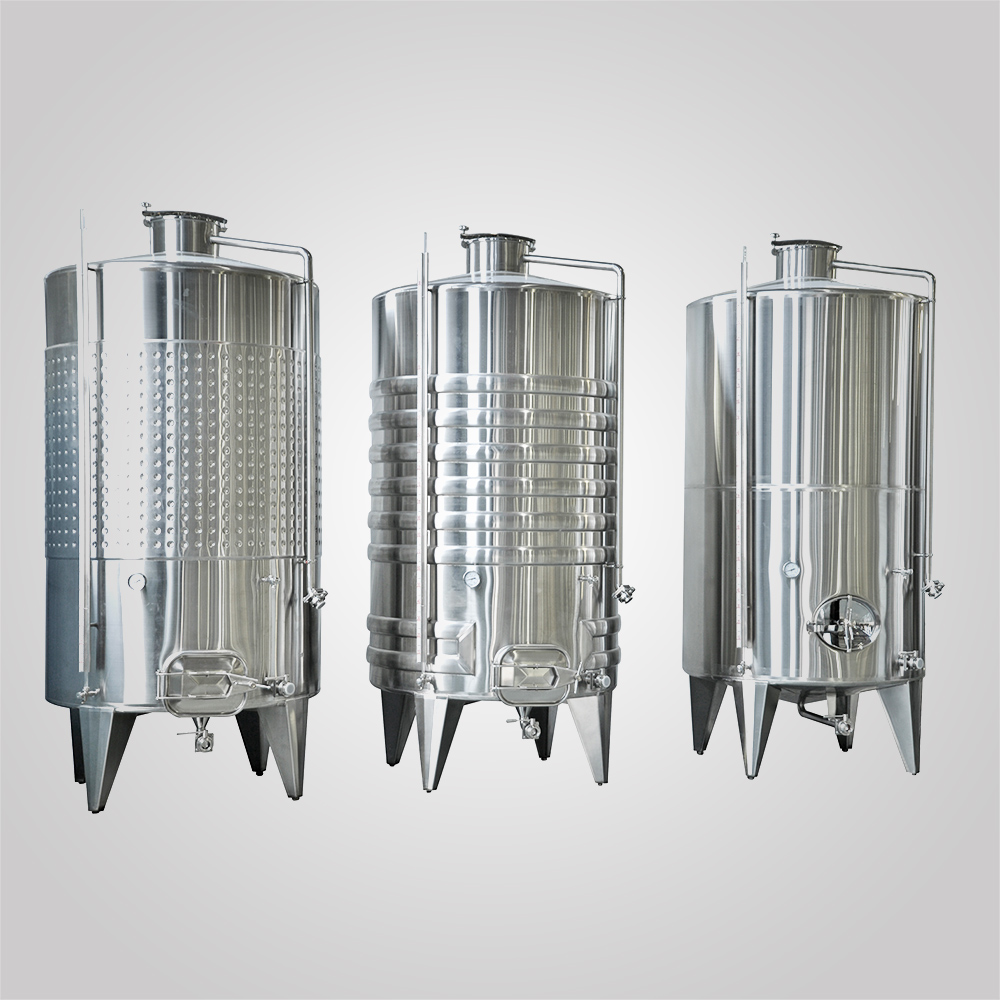
Integrated cooling jackets maintain ideal fermentation temperatures

Important for white wines, where cooler fermentation preserves delicate aromas

Critical for red wines, where controlled temperatures enhance color extraction and tannin development

This level of control ensures the final wine is clean, balanced, and expressive.

2.Unmatched Hygiene and Sanitation

Stainless steel is exceptionally resistant to bacteria, mold, and wild yeast—common challenges in winemaking.

Key advantages:

Smooth, nonporous surface prevents microbial buildup

Easy to clean using hot water, steam, or CIP systems

No residual flavors absorbed or transferred between batches

This strict hygiene improves wine stability and reduces the need for corrective interventions later.

3.Neutrality Preserves Pure Fruit Expression


Unlike oak barrels, stainless steel is flavor-neutral.

It doesn’t impart wood tones such as vanilla, spice, or toast

Ideal for winemakers wanting to highlight terroir, varietal character, and freshness

Favored for aromatic whites like Sauvignon Blanc, Riesling, and Pinot Grigio

For wines where purity, acidity, and freshness matter most, stainless steel is the perfect vehicle.

4.Durability and Long-Term Value

Stainless steel tanks are an investment that often lasts decades.

Corrosion-resistant

Strong structural integrity

Minimal maintenance required

Lower long-term cost compared to replacing old barrels

While the initial cost may be high, the equipment pays for itself through reliability and longevity.

5.Versatility Across Wine Styles

Modern wineries appreciate stainless steel for its adaptability.

Works for white, red, rosé, sparkling base wines, and experimental batches

Can be pressurized for carbonation or held at precise temperatures for cold stabilization

Available in various sizes—from small 200L tanks to massive 50,000L fermenters

This flexibility helps wineries scale efficiently and diversify their product lines.

6.Improved Operational Efficiency

Stainless steel tanks streamline winery workflow.

Easy racking and transferring

Built-in valves, sample ports, and manways

Compatibility with pumps, temperature probes, and automation systems

Vertical tank designs save valuable floor space

These features help winemakers work faster, cleaner, and with fewer labor demands.

7.Environmentally Friendly and Sustainable

With rising demand for sustainable production, stainless steel offers clear environmental benefits:

Long lifespan means fewer replacements

No chemicals needed for surface treatment

Fully recyclable at the end of its lifecycle

This aligns with the eco-conscious ethos embraced by many modern wineries.

Stainless steel fermentation tanks have become the backbone of modern winemaking because they deliver precision, hygiene, durability, and versatility. By allowing winemakers to control every detail—while preserving the natural character of the fruit—stainless steel helps produce wines that are clean, consistent, and beautifully expressive.

Tiantai company can provide you complete winery equipment from beginning to end, if you interest any winery equipment, feel free to contact us for a quote.

ありがとう。

ヘレン

[email protected]


トップに戻る