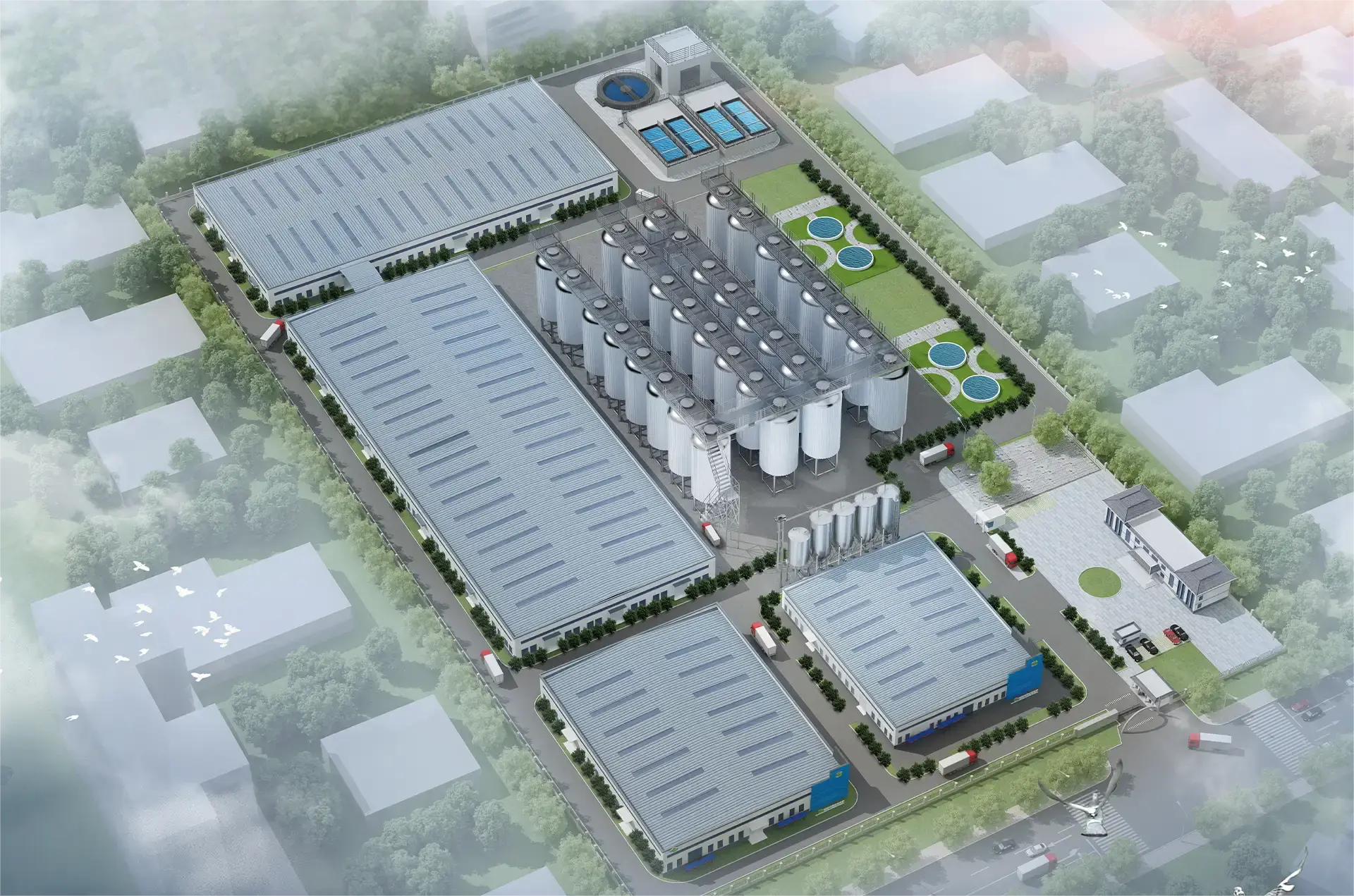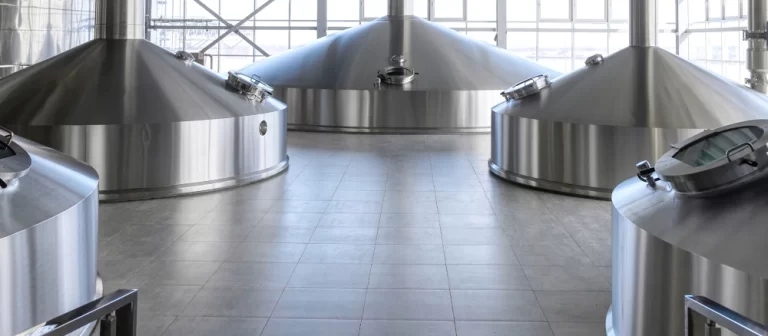
Choosing the right location for your brewery is one of the most important decisions you’ll ever make—one that affects operations, costs, product quality, customer experience, and long-term growth. In 2026, competition in the craft beer industry continues to intensify, and securing the ideal site can give brewers a significant edge. Whether you’re launching a microbrewery, brewpub, or full-scale production facility, here’s what to consider when selecting your perfect brewery location.

-
Understand Your Business Model
Before searching for real estate, clearly define the type of brewery you want to operate:
Production Brewery: Focused on large-scale output; needs more space, high ceilings, heavy utilities.
Brewpub / Taproom: Requires foot traffic, zoning for food service, and appealing customer-facing aesthetics.
Micro/Nano Brewery: Smaller footprint but still requires adequate utilities and compliance.
Your business model will determine square footage, building type, layout, and the neighborhood that suits your brand.
-
Zoning and Regulations
Brewery site selection starts with local zoning laws. Breweries often fall under manufacturing, food production, or hospitality categories depending on the country or region. Check:
Is brewing permitted in the area?
Are you allowed to operate a taproom?
Are there noise, odor, or waste regulations?
Are alcohol sales allowed nearby?
Early consultation with local authorities can prevent costly mistakes later.
-
Evaluate Utilities and Infrastructure
Brewing is resource-intensive. The right site must support:
Water supply & quality: Consistent pressure and chemistry suitable for brewing (or ability to treat).
Electric or steam available: Enough power for brewhouse systems, glycol chillers, and packaging lines.
Drainage: Proper floor drainage, sloping floors, waterproofing, and wastewater management.
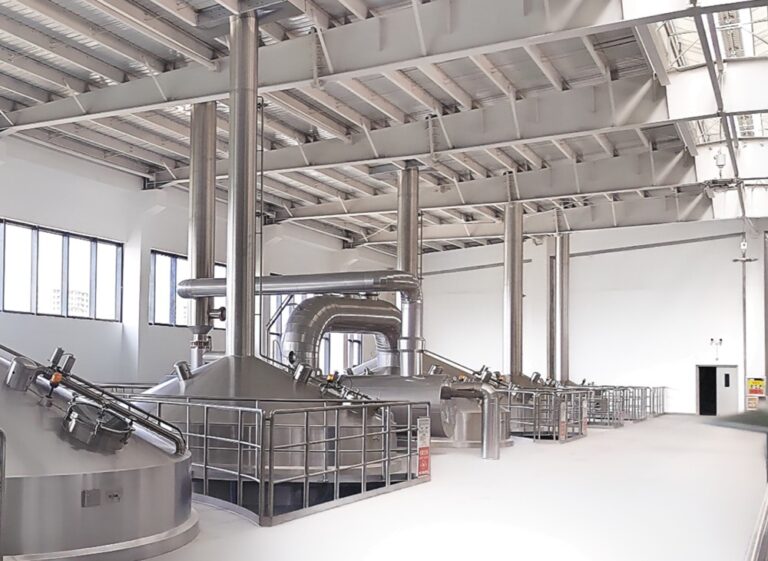
Ventilation: Especially important for steam-powered systems and fermentation rooms.
Upgrading utilities can be expensive, so choosing a well-equipped site saves time and budget.
-
Space, Layout, and Ceiling Height
Plan not only for your initial equipment but also for future expansion. Key spatial considerations:
Ceiling height: Ideally 4–6 meters for tanks, grain handling, and heat dissipation.
Floor space: Room for brewhouse, cellar, cold storage, packaging, and storage.
Workflow efficiency: Smooth flow from grain intake → brewing → fermentation → cold room → packaging.
Loading access: Wide doors, truck accessibility, and freight elevators if operating in a multi-story building.
A thoughtfully designed layout reduces labor hours and increases production efficiency.
-
Water and Waste Management
Water is vital for brewing and cleaning. Check:
Local water hardness, chlorine levels, and potential filtration needs.
Municipal regulations for wastewater discharge.
Ability to install grease traps, filters, or pH adjustment systems.
Choosing a site with manageable wastewater requirements can significantly reduce operational hurdles.
-
Proximity to Customers and Suppliers
For taprooms, foot traffic and accessibility are essential. For production breweries, proximity to distributors, raw materials, and logistics hubs matters more. Consider:
Parking availability
Visibility from main roads
Access to public transport
Neighborhood vibe and brand alignment
The right location can elevate your brand and attract loyal customers.
-
Budget and Long-Term Growth
Don’t just think about today—think five to ten years ahead. Ask yourself:
Can this space scale with increased production?
Is the rent sustainable as the business grows?
Are renovations feasible without shutting down operations?
Choosing a site with growth potential is key to long-term success.
Selecting the ideal brewery site is a strategic blend of compliance, infrastructure, workflow design, and customer experience. By carefully evaluating each factor, you can create a brewery that operates efficiently, delights customers, and supports sustainable growth for years to come.
We could design the brewery layout for you freely.
읽어주셔서 대단히 감사합니다.
헬렌