How to Scientifically Select Beer Bottling Machine- Glass Bottle Production Equipment?

TIANTAI Beer Equipment Co. supplies beer brewing brewery equipment system including miller, brewhouse , fermenters, brite beer tanks, beer bottling machine,beer canning machine, wine and Kombucha eqiupment, distiller equipment. Today we want to talk about the bottling production equipment.

1. The Specificity and Core Challenges of Beer Bottling Processes


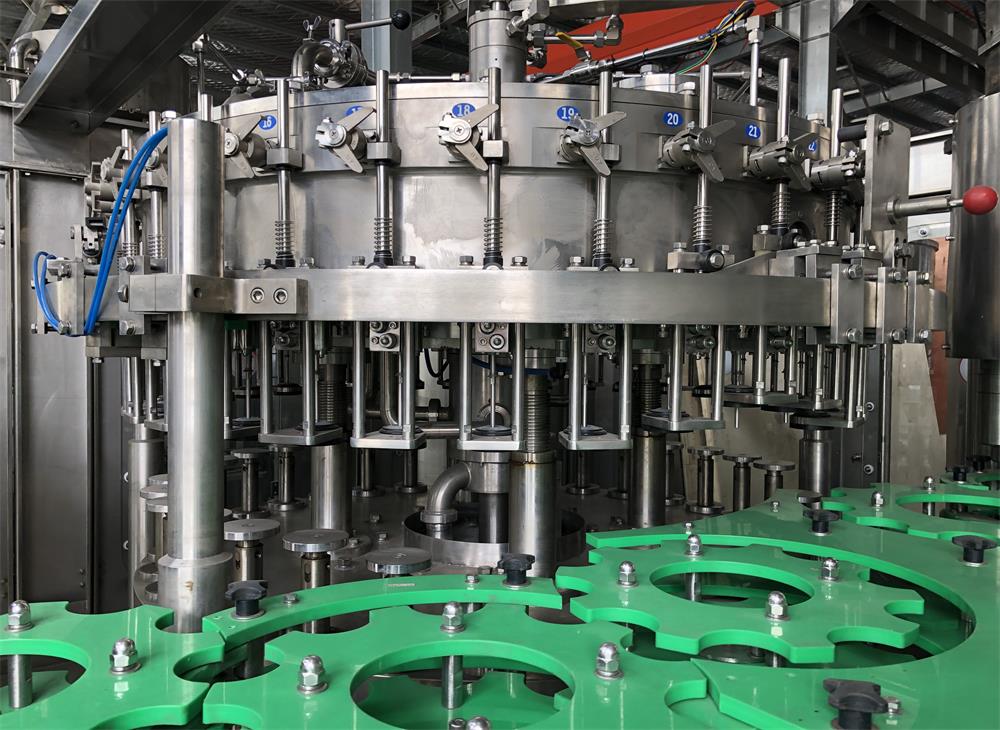
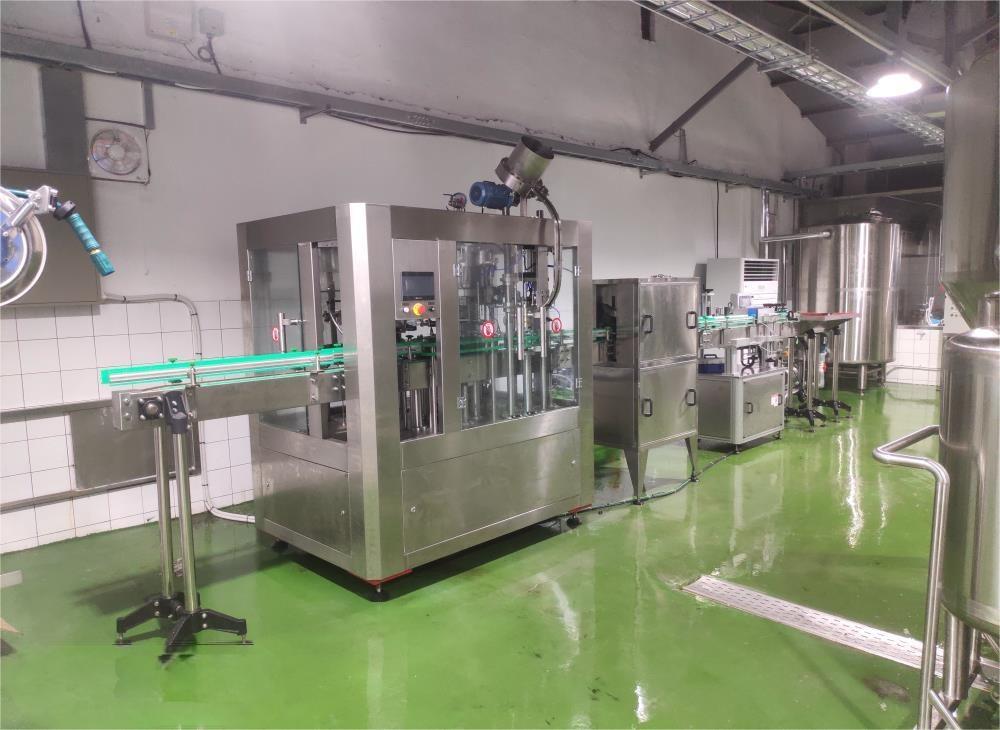
Beer Bottle Filling Machine

Beer, as a carbonated, easily oxidized, and microbially sensitive liquid, requires extremely strict bottling processes. Compared to ordinary liquid bottling, beer bottling faces three core challenges:

  1. Maintaining Carbon Dioxide Stability: The CO₂ content in beer directly affects taste and foam quality. Improper bottling can lead to CO₂ loss and unstable foam.
  2. Controlling Oxidation Reactions: High-grade alcohols and isomerized α-acids in beer are highly susceptible to oxidation, leading to flavor deterioration and the appearance of cardboard or aged flavors.
  3. Preventing Microbial Contamination: Microbial contamination during the bottling process can cause beer spoilage and turbidity, and in severe cases, lead to food safety issues.

To address these challenges, professional beer bottling equipment must meet three basic requirements: isobaric filling, extreme oxygen control, and a sterile filling environment. These requirements form the core framework for equipment selection.

  1. Core Elements of Bottling Process Technology
  2. Selection of Bottling System Type

Isobaric filling is the standard process for beer bottling.  The principle is to fill the bottle with CO₂ or sterile air at a pressure equal to that of the beer tank, establishing pressure equilibrium before slowly filling, minimizing CO₂ loss. For craft beers or high-end products, an enhanced isobaric filling system with **two vacuum cycles + CO₂ back pressure** should be selected, which can control the oxygen increase during filling to an ultra-low level of 50-100 μg/L.

Vacuum isobaric filling, as an advanced technology, first vacuums the bottle, then applies CO₂ back pressure and fills the bottle. This can further reduce the oxygen increase to 30-50 μg/L, and is especially suitable for beers that are extremely sensitive to oxidation, such as IPAs and Imperial Stouts.

2. Oxygen Control System

Oxygen control is the “lifeline” of beer bottling. High-quality bottling equipment should include a four-stage oxygen control system:

Bottle Air Removal:  Through multiple CO₂ flushing cycles, the air in the bottle is replaced. Advanced equipment can achieve a 99.5% air replacement rate. – **Filling Process Protection:**  Using long-tube filling valves, the beer rises smoothly from the bottom of the bottle, preventing turbulence and bubble formation.

Bottle Neck Air Isolation: Precise filling level control and foaming devices ensure minimal air at the top of the bottle.

Post-Filling Protection: Immediate capping is performed, and some systems add CO₂ injection before capping to further reduce headspace oxygen.

Total Package Oxygen (TPO) is a key indicator for oxygen control. For high-quality beer, TPO should be controlled below 100 μg/L, and for easily oxidized varieties, the target value should be even lower.

Beer Bottle Filling Machine

3. Filling Accuracy and Efficiency

Beer filling accuracy directly affects product consistency and cost control. Modern filling machines use electronic flow meters or timed filling technology, achieving accuracy of ±1-2 ml. Filling speed needs to match other parts of the production line. Common configurations are as follows:

| Production Scale | Recommended Filling Speed ​​| Applicable Equipment Type |

| Small craft breweries (annual output < 1000 tons) | 2,000-6,000 bottles/hour | Semi-automatic/fully automatic linear filling machine |

| Medium-sized breweries (annual output 1000-5000 tons) | 8,000-20,000 bottles/hour | Rotary filling machine (16-32 valves) |

| Large breweries (annual output > 5000 tons) | 30,000-60,000 bottles/hour | High-speed rotary filling machine (60-120 valves) |

4. Key Equipment Components and Selection Considerations

  1. Bottle Washing System

Cleaning glass bottles before filling is crucial. The type of bottle washing machine should be selected based on the degree of bottle contamination and recycling situation:

Soaking type bottle washing machine:** Suitable for heavily contaminated or recycled bottles, thoroughly cleaned through multiple processes including pre-soaking, alkaline solution soaking, and hot water rinsing.

-Spray type bottle washing machine:** Suitable for new bottles or lightly contaminated bottles, saving water and energy, but with relatively weaker cleaning power.

Key parameters include: alkaline solution concentration control (1.5-3%), temperature control (temperature difference between tanks not exceeding 30℃), water consumption (advanced equipment <1.2L/bottle), and bottle breakage rate (<0.1%).

  1. 충전 기계

The selection of the filling machine requires comprehensive consideration of the following factors:

Number and type of filling valves: The number of filling valves determines the basic production capacity, and the valve type (short tube/long tube) affects the filling effect and oxygen intake. Long-tube valves are more suitable for oxygen-sensitive beers.

– **Material requirements:** All parts in contact with the product must be made of 316L stainless steel, and the sealing materials must meet food-grade requirements and be resistant to acids, alkalis, and high temperatures.

– **Control system:** An advanced PLC control system can achieve precise parameter control, fault diagnosis, and data recording, providing support for quality traceability.

– **CIP system:** The equipment should be equipped with a complete online cleaning system to ensure that all sanitary dead ends can be thoroughly cleaned.

  1. Capping System

The capping quality of crown caps directly affects the product’s sealing performance. A high-quality capping system should have:

– A precise cap feeding and orientation system, with a cap damage rate of less than 0.5%.

– Adjustable capping pressure (usually 800-1200N) to adapt to different bottle and cap types.

– Online cap sealing detection capability to ensure the sealing quality of each bottle.

  1. Labeling and Packaging Equipment

The labeling machine should be selected according to the label type (paper, foil) and labeling position (body label, back label, neck label). For the packaging stage, manual packaging, semi-automatic packaging machines, or fully automatic packaging lines can be selected based on production capacity. Selecting beer bottling equipment is a complex systems engineering task that requires balancing technical performance, economic efficiency, and long-term development. The right choice not only ensures product quality and production efficiency but also provides the company with a sustainable competitive advantage. It is recommended to assemble a cross-functional team (production, technology, quality, and procurement) during the decision-making process to comprehensively evaluate all aspects of the requirements and ensure maximum return on investment.

With the continuous development of the craft beer market and consumer upgrading, bottling technology is also constantly advancing. Choosing equipment with technological foresight and scalability will help companies maintain a leading position in the increasingly competitive market.

If you are interested in any beer brewery equipment or distillery, please feel free to contact us:

아이비 량(영업 이사)

이메일: [email protected]

맨 위로 스크롤