양조장 로터링 공정에서 맥즙 흐름 관리는 효율성, 투명성, 곡물층 보호를 위해 매우 중요합니다. 단순해 보이는 장비인 맥아즙 그랜트는 곡물층을 손상시키거나 로터링을 방해하지 않고 맥아즙이 로터 툰에서 맥아즙 주전자로 이동하는 것을 제어하는 데 중요한 역할을 합니다. 모든 양조장에서 그랜트를 사용하는 것은 아니지만, 그랜트의 기능을 이해하면 양조장의 로터링 시스템을 최적화하는 데 도움이 됩니다.
이 가이드에서 설명합니다:
워트 그랜트란 무엇인가요?
왜 사용하나요?
라우터 튜닝은 어떻게 보호하나요?
주요 디자인 기능
♦장점 및 단점
♦대안(직접 펌프 연결, 유량계 시스템, 차압 설계, VFD 펌프 제어 등)
1. 워트 그랜트란 무엇인가요?
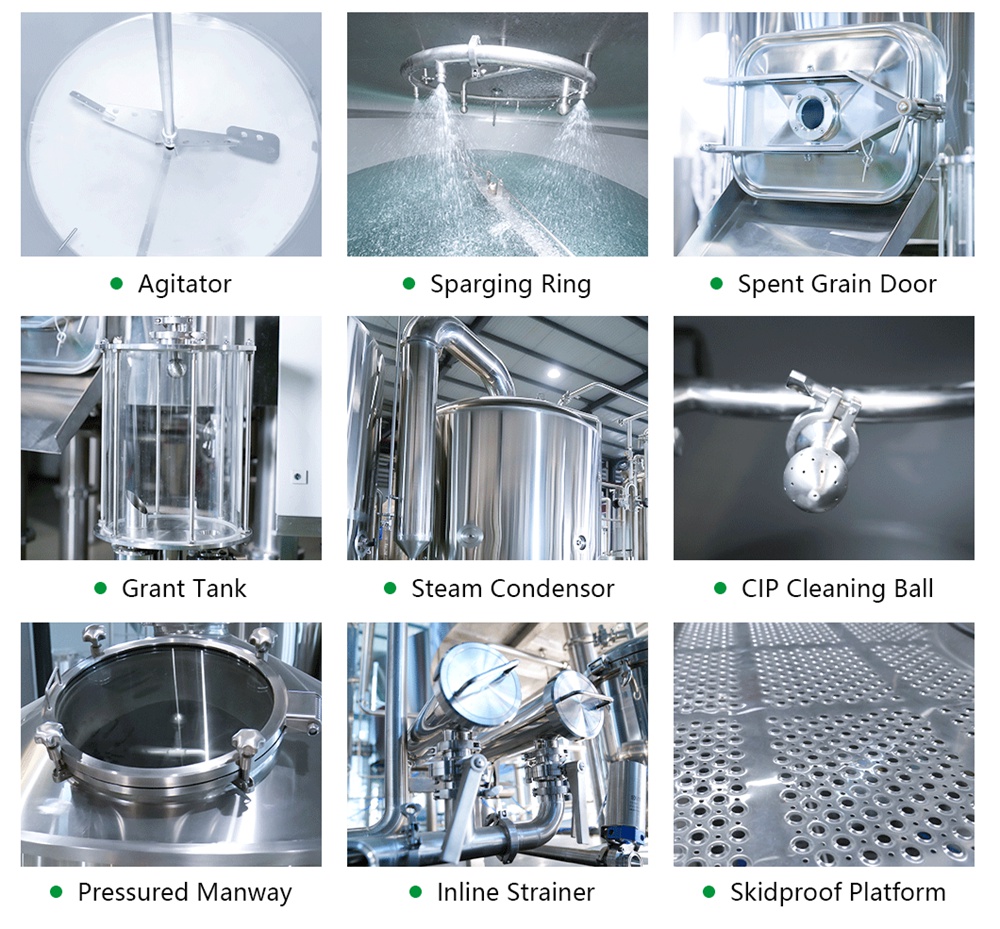
맥아즙 보조 용기("보조 용기" 또는 "언더백"이라고도 함)는 로터 툰과 맥아즙 펌프 사이에 위치한 소형 개방형 또는 반개방형 탱크입니다.
로터 툰에서 직접 맥즙을 펌핑하는 대신, 중력에 의해 맥즙이 먼저 그랜트로 흘러 들어갑니다. 그런 다음 펌프가 그랜트에서 맥즙을 끌어내어 주전자로 옮깁니다. 이는 로터 튠과 펌프 사이의 완충 역할을 합니다.
용기에 압력이 가해지지 않기 때문에 펌프가 곡물 바닥에 직접 흡입하는 것을 방지합니다.
2. 워트 그랜트가 필요한 이유는 무엇인가요?
2.1. 곡물 층이 눌리지 않도록 보호
펌프가 로터 툰의 바닥에서 직접 당기면 곡물 바닥에 음압("진공")이 발생할 수 있습니다.
원인 압축, 채널링, 느린 유출, 고착된 매시
맥즙 보조금은 펌프가 곡물 바닥이 아닌 보조금에서 끌어당기기 때문에 이러한 위험을 제거합니다.
2. 2. 맥아즙 유량의 정밀한 제어 가능
브루어가 모니터링할 수 있습니다: 유출량, 펌프 유량. 맥즙 투명도.
이렇게 하면 맥즙이 너무 빨리 당겨져 곡물 층이 흐트러지는 것을 방지할 수 있습니다.
2. 3. 보라우프(재순환) 선명도 향상
보라우프 중에는 탁한 맥즙이 맑아질 때까지 재순환합니다.
보조금이 도움이 됩니다: 고형물 분리, 쉬운 재순환 허용, 주전자로 맥즙을 보내기 전에 일관된 투명도 보장
2. 4. 산소 유입 방지(올바르게 설계된 경우)
최신 보조금에는 종종 다음이 포함됩니다: CO₂ 블랭킷, 밀폐형 또는 반밀폐형 뚜껑, 물이 튀는 것을 최소화하는 배출구 위치.
이는 라거 맥주 양조장에서 특히 중요한 양조 중 산화를 방지합니다.
2. 5. 펌프 제어를 위한 "서지 탱크" 제공
흐름이 증가하거나 감소하면 보조금이 그 변동을 흡수합니다.
이는 특히 자동화된 시스템에서 안정적인 라우터링 흐름을 유지합니다.
3. 워트 그랜트는 어떻게 작동하나요(단계별)?
1단계: 라우터 툰으로 중력을 통해 맥즙을 배출합니다.
맥즙이 흐르는 곳: 거짓 바닥, 수집 매니폴드, 바닥 배출구, 보조금 입구.
2단계: 그랜트가 맥아즙을 받습니다.
보조금의 액체 레벨이 상승합니다.
3단계: 펌프가 보조금에서 맥즙을 끌어옵니다.
펌프 속도는 수동 또는 VFD(가변 주파수 드라이브)를 통해 제어됩니다.
4단계: 펌프가 맥즙을 주전자로 옮깁니다.
버퍼 레벨을 유지하면 곡물층 흡입, 압력 스파이크, 급격한 유량 변화를 방지할 수 있습니다.
일부 보조금에는 펌프 속도를 자동으로 조절하는 플로트 스위치도 있습니다.
4. 보조금 유형 및 현대적인 디자인
| 기능: | 장점: | 단점: | |
| 유형 A
- 오픈 그랜트(기존) |
스테인리스 스틸 박스 또는 실린더 | Simple | 산소 흡입 위험 증가 |
| 눈에 보이는 맥아즙 흐름 | 저렴한 | 라거 맥주 양조장이나 대규모 시스템에는 적합하지 않음 | |
| 손쉬운 청소 | 시각적 모니터링 | ||
| 유형 B
- 비공개 또는 반 비공개 보조금(현재 가장 일반적) |
밀폐형 뚜껑 | 산화로부터 보호 | 약간 더 비싸다 |
| CO₂ 흡입구 | 수제 맥주 양조장에 이상적 | ||
| 레벨 센서 | 자동화 허용 | ||
| 사이트 글라스 | |||
| 드레인 + 펌프 연결 | |||
| 유형 C
- 레벨 제어 기능이 있는 자동 보조금(고급) |
플로트 스위치 또는 압력 센서 | 완전히 일관된 로터링 | |
| PLC 제어 | 곡물 층을 자동으로 보호 | ||
| 펌프 속도 자동 조절 | 중형/대형 시스템에 적합 | ||
| 너무 높거나 낮은 레벨에 대한 알람 | |||
| 이는 종종 Tiantai의 고급 양조장에 통합되어 있습니다. |
5. 대체 라우터링 디자인(보조금을 사용하지 않는 경우)
일부 양조장에서는 보조금을 사용하지 않기로 결정합니다. 대신 곡물층 흡입을 방지하는 제어 시스템에 의존합니다.
주요 대안은 다음과 같습니다:
대안 A: VFD 제어를 통한 직접 펌프 연결
펌프는 라우터 튠 배출구에 직접 연결됩니다.
흡입을 방지하기 위해 펌프는 다음을 사용합니다: 저속 VFD, 수동 스로틀링, 브루어 모니터링
장점: 저렴하고 간단합니다.
단점: 숙련된 운영자가 필요하며 펌프 속도가 잘못되면 압착 위험이 있습니다.
일반적으로 3-10 bbl 시스템에 사용할 수 있습니다.
대안 B: 차압 모니터링 시스템
최신 양조장에서는 보조금을 건너뛰고 DP 센서를 설치할 수 있습니다.
DP 센서가 측정합니다: 곡물층 위 압력, 곡물층 아래 압력, 차이(ΔP)
ΔP가 증가하면(압축의 신호) 컨트롤러는 펌프 속도를 늦춥니다.
장점: 보조금 필요 없음, 자동화된 안전, 매우 안정적인 라우터링.
단점: 높은 장비 비용, PLC 시스템이 필요합니다.
독일 양조장에서 흔히 볼 수 있습니다.
대안 C: 매니폴드 + 유량계 시스템
유량계는 나가는 맥아즙의 양을 제어합니다.
브루어가 설정됩니다: 원하는 유출 속도, 목표 용량, PLC가 펌프 속도를 자동으로 조정합니다.
장점: 예측 가능한 라우터링 곡선, 빠른 런오프.
단점: 보조금만큼 보호적이지 않음; 침대를 방해할 위험이 약간 있습니다.
대안 D: 중력식 라우터 시스템(펌프 없음)
소규모 브루펍에서만 사용됩니다.
라우터 툰이 주전자 위로 올라가면 중력에 의해 맥즙이 아래로 흘러내립니다.
장점: 흡입 위험 없음; 매우 부드러운 라터링.
단점: 높이 요구 사항, 느린 유출, 현대식 소형 양조장에는 적합하지 않습니다.
6. 모든 현대식 양조장에서 워트 그랜트를 사용해야 하나요?
| 소형 시스템(≤10 bbl) | 중간 시스템(10-30 bbl) | 대형 시스템(30-200 bbl) |
| 필수는 아닙니다. | 적극 권장합니다. | 필수. |
| 적절하게 제어되는 펌프 하나면 충분합니다. | 곡물 층을 보호하고 일관성을 개선합니다. | 보조금 없이는 흐름 변동이 너무 큽니다. |
고급 라거 또는 독일식 맥주 양조장에는 항상 맥즙 보조금을 사용합니다:
저산소 추출(LODO)
부드러운 맥아 즙 처리
정밀한 제어
7. 굿 워트 그랜트의 주요 설계 특징
잘 설계된 맥아즙 보조금에는 다음이 포함되어야 합니다: 스테인리스 스틸 304/316, 위생적이고 내구성. 매끄러운 내부 광택(Ra <0.6 µm), 세척이 용이하고 오염 트랩이 없습니다. 투시창, 맥아즙의 투명도와 수평을 관찰할 수 있습니다. 무산소 로터링용 CO₂ 주입구(크래프트용 옵션, 라거 양조장용 필수); 레벨 센서, 고레벨 알람, 저레벨 알람, 자동 펌프 제어; 맥즙 및 CIP용 별도의 배수구, 위생을 보장합니다. 트라이클램프 연결, 간편한 유지보수.
8. 양조장에서 보조금을 사용하지 않으면 어떻게 되나요?
가능한 문제: 곡물층 압축, 매시 고착, 로터링 효율 감소, 탁한 맥아즙, 산화 픽업, 일관되지 않은 유출물, 높은 맥주 색(산소로 인한), 로터 툰의 잘못된 바닥에 가해지는 스트레스.
보조금은 예방하는 문제에 비해 비용이 저렴합니다.
9. 티안타이의 보조금 설계 옵션
일반적으로 Tiantai는 개방형 수동 보조금(소형 시스템), 폐쇄형 반자동 보조금(10-20 bbl), PLC 제어 기능이 있는 완전 자동 무산소 보조금(20-200 bbl 시스템), 저산소 양조 구성(옵션) 등을 제공합니다.
맥아즙 보조제는 맥아즙 추출 시스템에서 가장 간단하지만 가장 중요한 구성 요소 중 하나입니다. 곡물 층을 보호하고, 흐름을 안정화하며, 투명도를 개선하고, 산소 노출을 방지합니다. 일부 현대식 양조장에서는 차압 센서나 고급 펌프 제어와 같은 대체 설계를 사용하기도 하지만, 맥아즙 그랜트는 특히 중대형 양조장에서 매우 효과적이고 경제적인 도구로 남아 있습니다.
편집자: 데이지
[email protected]