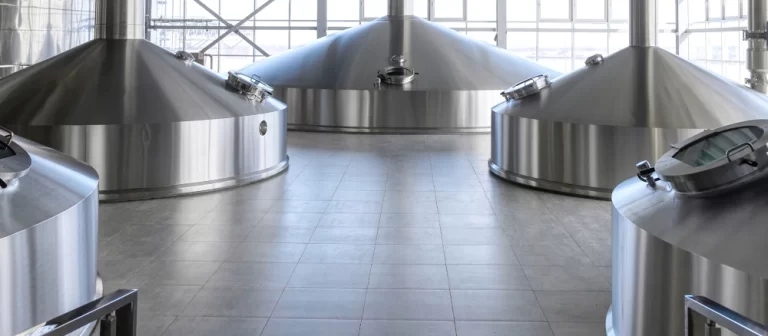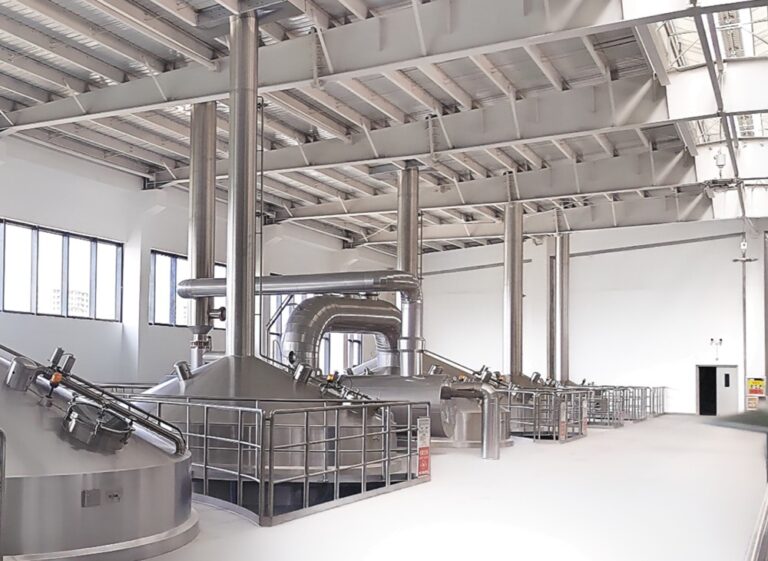
와인 제조 환경은 지난 수십 년 동안 극적으로 발전해 왔습니다. 한때 오크통과 전통적인 용기가 발효를 주도했지만, 최근에는 크고 작은 많은 현대 와이너리에서 스테인리스 스틸 탱크를 선호하게 되었습니다. 이는 단순한 트렌드가 아니라 와인 메이커들이 정밀성, 일관성, 품질을 우선시하고 있음을 반영하는 것입니다. 현대 와이너리에서 스테인리스 스틸 발효 탱크가 필수적인 이유는 다음과 같습니다.
1. 정밀 온도 제어
온도는 발효 과정에서 가장 중요한 변수 중 하나입니다. 스테인리스 스틸 탱크를 사용하면 와인 메이커가 매우 정확하게 온도를 제어할 수 있습니다.
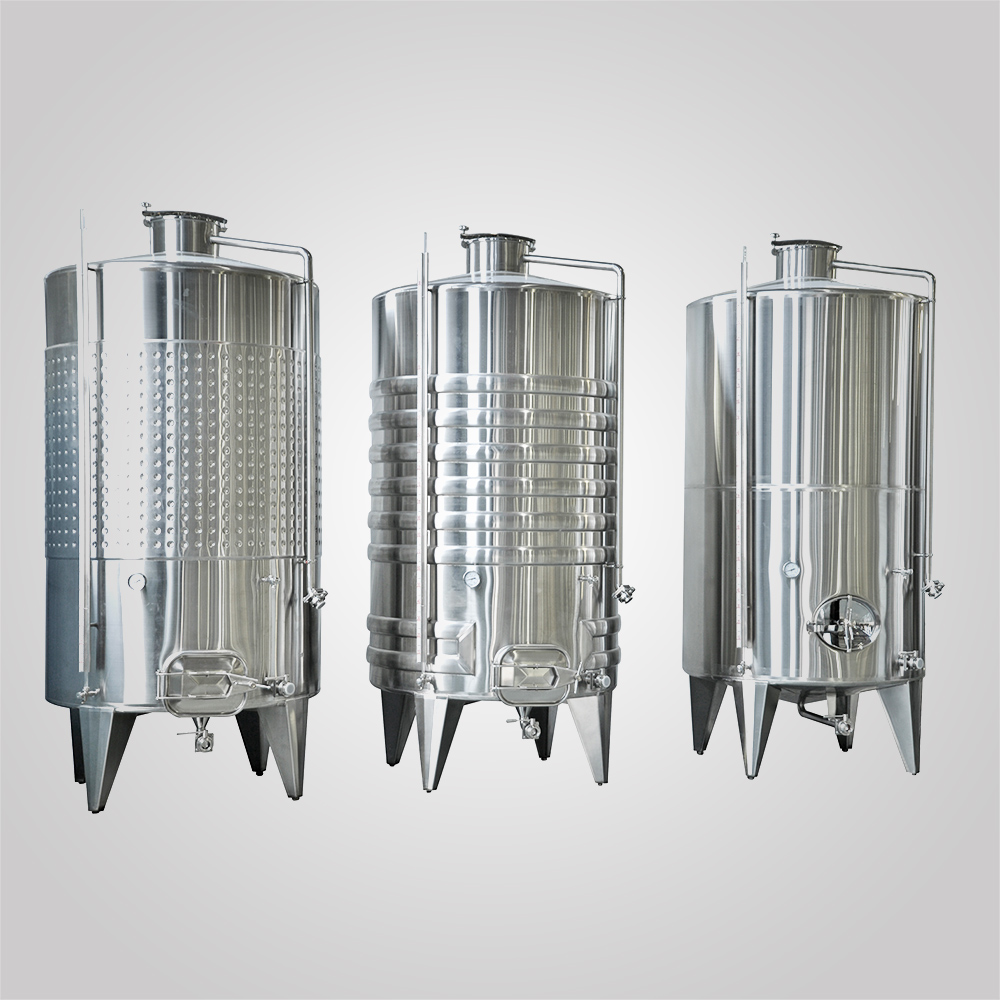
통합 냉각 재킷으로 이상적인 발효 온도 유지
차가운 발효가 섬세한 향을 보존하는 화이트 와인에 중요합니다.
제어된 온도가 색 추출과 타닌 발달을 향상시키는 레드 와인에 필수적입니다.
이 수준의 제어는 최종 와인의 깨끗하고 균형 잡힌 표현력을 보장합니다.
2. 탁월한 위생 및 위생 관리
스테인리스 스틸은 와인 양조에서 흔히 발생하는 박테리아, 곰팡이, 야생 효모에 대한 저항력이 뛰어납니다.
주요 이점:
매끄럽고 비다공성 표면으로 미생물 축적 방지
온수, 스팀 또는 CIP 시스템을 사용하여 쉽게 청소할 수 있습니다.
배치 간에 잔류 향이 흡수되거나 전달되지 않습니다.
이러한 엄격한 위생은 와인의 안정성을 향상시키고 나중에 수정할 필요성을 줄여줍니다.
3. 중립성으로 순수한 과일 표현 유지
오크통과 달리 스테인리스 스틸은 향이 중립적입니다.
바닐라, 향신료, 토스트와 같은 나무 향이 나지 않습니다.
떼루아, 품종 특성, 신선함을 강조하고 싶은 와인 메이커에게 이상적입니다.
소비뇽 블랑, 리슬링, 피노 그리지오와 같은 향기로운 화이트 와인에 선호됩니다.
순도, 산도, 신선도가 가장 중요한 와인의 경우 스테인리스 스틸은 완벽한 용기입니다.
4. 내구성 및 장기적 가치
스테인리스 스틸 탱크는 수십 년 동안 지속되는 투자입니다.
부식 방지
강력한 구조적 무결성
최소한의 유지 관리 필요
오래된 배럴 교체에 비해 장기적인 비용 절감
초기 비용은 높을 수 있지만 장비의 안정성과 수명을 통해 그만한 가치가 있습니다.
5. 와인 스타일에 따른 다양한 활용성
현대 와이너리에서는 스테인리스 스틸의 적응성을 높이 평가합니다.
화이트, 레드, 로제, 스파클링 베이스 와인 및 실험용 배치에 적합합니다.
탄산을 위해 가압하거나 저온 안정화를 위해 정밀한 온도를 유지할 수 있습니다.
200L의 소형 탱크부터 50,000L의 대형 발효기까지 다양한 크기로 제공됩니다.
이러한 유연성은 와이너리가 효율적으로 확장하고 제품 라인을 다양화할 수 있도록 도와줍니다.
6. 운영 효율성 향상
스테인리스 스틸 탱크는 와이너리 워크플로우를 간소화합니다.
간편한 랙킹 및 전송
내장 밸브, 샘플 포트 및 맨웨이
펌프, 온도 프로브 및 자동화 시스템과의 호환성
수직형 탱크 설계로 귀중한 바닥 공간 절약
이러한 기능을 통해 와인 메이커는 더 빠르고 깔끔하게, 더 적은 노동력으로 작업할 수 있습니다.
7. 환경 친화적이고 지속 가능한
지속 가능한 생산에 대한 수요가 증가함에 따라 스테인리스 스틸은 분명한 환경적 이점을 제공합니다:
수명이 길면 교체 횟수가 줄어듭니다.
표면 처리를 위해 화학 물질이 필요하지 않습니다.
수명 주기가 끝나면 완전히 재활용 가능
이는 많은 현대 와이너리에서 수용하는 친환경 정신과도 일치합니다.
스테인리스 스틸 발효 탱크는 정밀성, 위생, 내구성, 다용도성 덕분에 현대 와인 제조의 근간이 되었습니다. 스테인리스 스틸은 와인 메이커가 과일의 자연적인 특성을 보존하면서 모든 세부 사항을 제어할 수 있도록 함으로써 깨끗하고 일관되며 아름답게 표현되는 와인을 생산할 수 있도록 도와줍니다.
티안타이 회사는 처음부터 끝까지 완벽한 와이너리 장비를 제공 할 수 있으며, 와이너리 장비에 관심이 있으시면 언제든지 저희에게 연락하여 견적을 요청하십시오.
감사합니다.
헬렌