За каждым исключительным односолодовым виски стоит путь, который может занять годы — а то и десятилетия. От одного зерна ячменя до янтарного напитка, налитого в бокал, — каждый этап этого процесса играет важнейшую роль в формировании характера, многогранности и качества виски.
Путешествие начинается с ячменя
Производство односолодового виски начинается с ячменя. После замачивания и проращивания в зерне активируются природные ферменты, которые впоследствии преобразуют крахмал в бродильные сахара.
Как только прорастание достигает желаемой стадии, солод сушат в сушильной печи, чтобы остановить дальнейший рост. Метод сушки существенно влияет на конечный вкусовой профиль виски. Сушка горячим воздухом придаёт солоду более чистый и мягкий характер, тогда как сушка в печи, топящейся торфом, привносит характерные дымные, землистые и морские нотки, ставшие визитной карточкой многих традиционных сортов виски.
Измельчение и затирание
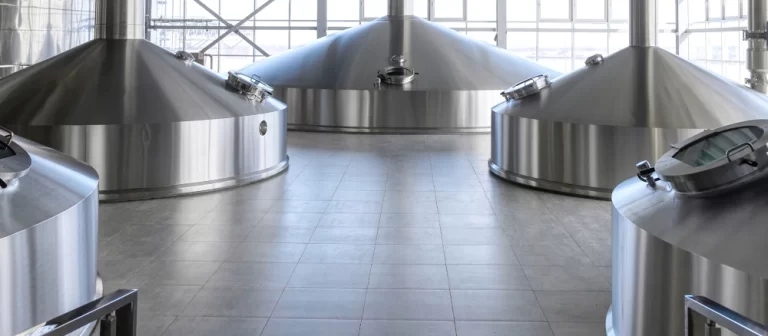
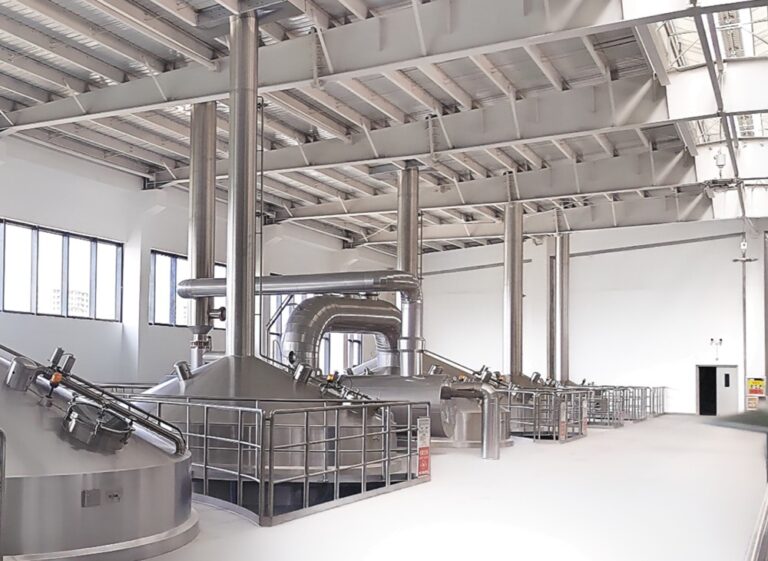
После сушки солод измельчают в дробленое зерно. Как и при варке пива, на вискикурнях обычно используют вальцовые мельницы, чтобы сохранить оболочку зерен и одновременно обнажить богатую крахмалом внутреннюю часть зерна.
Такой подход позволяет повысить как эффективность затирания, так и качество фильтрации сусла.
Затем зерно переносится в заторный чан, где его смешивают с горячей водой. Под действием природных ферментов крахмал превращается в бродимые сахара, такие как мальтоза и глюкоза. Получившаяся сладкая жидкость, называемая суслом, отделяется от зерна и готовится к брожению.
Ферментация: формирование многогранности вкуса
Ферментация — один из важнейших этапов формирования аромата и характера виски.
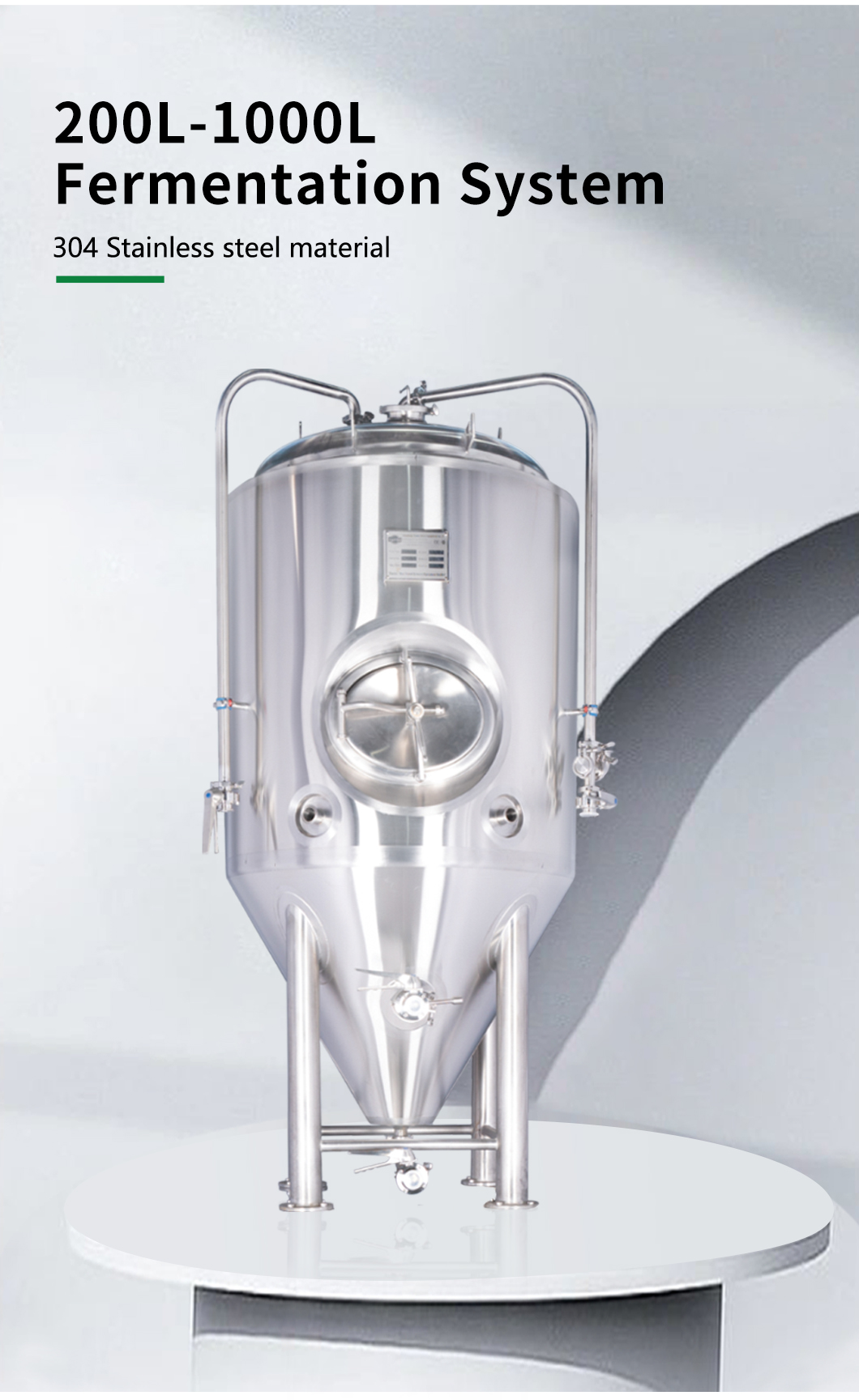
Сусло переливают в бродильные чаны и добавляют дрожжи. Дрожжи не только отвечают за образование спирта, но и вырабатывают широкий спектр эфиров и ароматических соединений, которые придают спиртному напитку фруктовые, цветочные и сливочные нотки.
Многие современные ликероводочные заводы перешли на более длительные сроки брожения, чтобы способствовать формированию более сложных вкусовых профилей. Удлиненное брожение часто приводит к получению более насыщенного и выразительного молодого спирта, что создает более прочную основу для выдержки.
Дистилляция: очистка спирта
Следующим этапом является дистилляция.
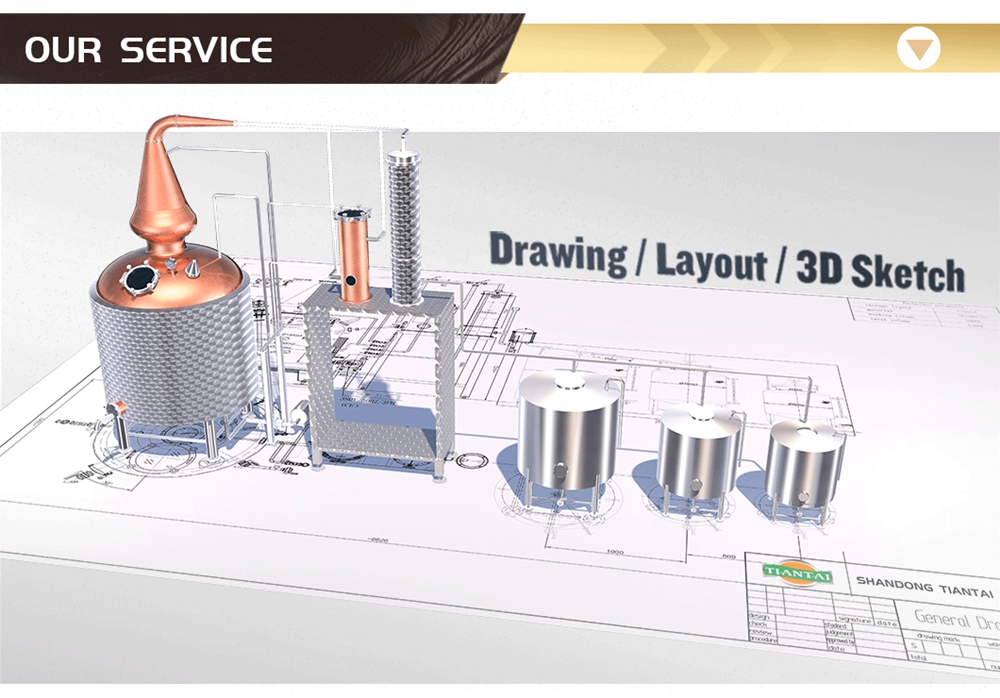
Односолодовый виски традиционно дистиллируется дважды в медных кубах. Медь играет важную роль в обеспечении качества спирта, удаляя нежелательные сернистые соединения и способствуя получению более чистого и утончённого дистиллята.
Конструкция дистиллятора — включая его высоту, форму, угол наклона горлышка и характеристики рефлюкса — оказывает непосредственное влияние на конечный продукт. Именно эти факторы определяют, приобретет ли виски более лёгкий и нежный профиль или же более насыщенный и полнотелый характер.
Для многих винокурен форма перегонного куба является одним из определяющих элементов их фирменного стиля.
Созревание: когда время формирует характер
Хотя каждый этап производства имеет большое значение, именно процесс созревания зачастую придает виски наибольшую глубину и многогранность.
Свежеперегнанный спирт разливают в дубовые бочки, где он в течение многих лет постепенно взаимодействует с древесиной. За это время виски впитывает такие соединения, как ванилин, дубильные вещества и натуральные пряные компоненты, при этом подвергаясь постепенному окислению.
В ходе этого процесса созревания спирт преобразуется, приобретая многослойный букет, в котором могут присутствовать нотки ванили, карамели, сухофруктов, шоколада, орехов и пряностей для выпечки.
Различные типы бочек придают вину разные особенности. Бочки, в которых ранее выдерживался бурбон, часто придают вину нотки меда, ванили и кокоса, а бочки из-под хереса добавляют насыщенности благодаря ароматам сухофруктов, изюма и темного шоколада. Винные бочки могут придать вину дополнительную сложность и уникальные региональные нотки.
Поэтому выбор бочки является одним из самых важных решений, которые может принять вискикурня при производстве своего виски.
Ремесло, сформированное временем и мастерством
Производство односолодового виски — это процесс, в котором сочетаются наука, мастерство, терпение и традиции. Каждый этап — от соложения и затирания до брожения, дистилляции и выдержки — вносит свой вклад в формирование окончательного характера напитка.
То, что в конечном итоге попадает в бокал, — это гораздо больше, чем просто дистиллированный напиток. Это результат многолетнего кропотливого труда, на который влияют сырье, оборудование, древесина, климат и само время.
Именно это делает односолодовый виски одним из самых уважаемых и увлекательных спиртных напитков в мире: настоящее сотрудничество мастерства и терпения, воплотившееся в жидком искусстве.
Tiantai Brewtech, признанный производитель оборудования для производства пива и напитков, расположенный в китайском городе Цзинань, предоставляет конкурентные линии и услуги "под ключ" для пивоваренных заводов и проектов по производству напитков по всему миру. С 2001 года команда Tiantai стала свидетелем стремительного развития отрасли, имея за плечами 19-летний опыт работы. Компания Tiantai занимается исследованиями и разработкой разнообразных процессов пивоварения, специализированного оборудования, автоматического контроля и управления с использованием данных. К настоящему времени компания Tiantai обслуживает более 3500 пивоваренных заводов в 106 странах мира, используя наше оборудование и решения, а также завоевала хорошую репутацию.
Не стесняйтесь обращаться к нам за ценой.
Спасибо за чтение.
Хелен Ли