Поскольку потребители всё чаще выбирают более здоровый образ жизни, безалкогольная комбуча становится одним из самых быстрорастущих функциональных напитков во всём мире. Эта тенденция особенно заметна на Ближнем Востоке, где спрос на безалкогольные напитки, натуральные напитки и оздоровительные продукты продолжает расти.
В таких странах, как Саудовская Аравия, ОАЭ, Катар, Кувейт, Оман и Бахрейн, наблюдается быстрый рост потребления напитков премиум-класса. Поскольку во многих странах Ближнего Востока оборот алкогольных напитков строго регулируется, безалкогольная комбуча открывает отличные возможности для предпринимателей в сфере производства напитков, стремящихся выйти на этот растущий рынок.
Если вы планируете запустить бренд комбучи, для обеспечения долгосрочного успеха крайне важно понимать, как приготовить безалкогольную комбучу, и выбрать подходящую готовую к эксплуатации линию по производству комбучи.
Почему безалкогольная комбуча идеально подходит для Ближнего Востока
Потребители на Ближнем Востоке всё чаще отдают предпочтение напиткам, которые:
* Без спирта
* С низким содержанием сахара
* Богатый пробиотиками
* Естественное брожение
* Функциональный и полезный для здоровья
* Высочайшее качество
* Подходит для рынков, где уделяется внимание соблюдению халяльных норм
Безалкогольная комбуча идеально соответствует этим предпочтениям потребителей. Она обладает освежающим вкусом и природными полезными свойствами, а при производстве под строгим контролем технологического процесса соответствует требованиям законодательства многих стран Ближнего Востока в отношении алкогольной продукции.
Для производителей поддержание содержания алкоголя на уровне ниже 0,5% ABV (или ниже, в зависимости от местных норм) имеет решающее значение для признания продукции на рынке.
Шаг 1: Приготовьте высококачественный сладкий чай
Производственный процесс начинается с приготовления сладкого чая с использованием:
* Чёрный чай
* Зеленый чай
* Очищенная вода
* Тростниковый сахар
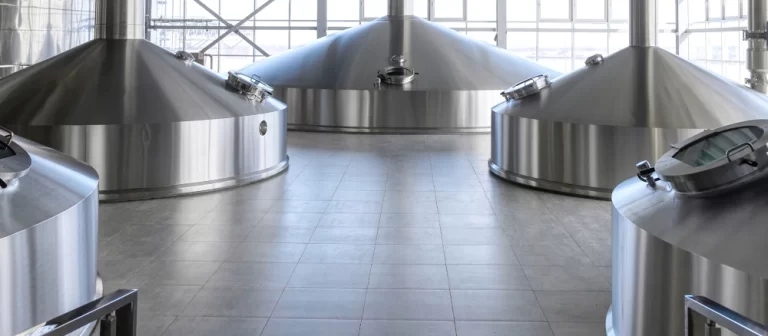
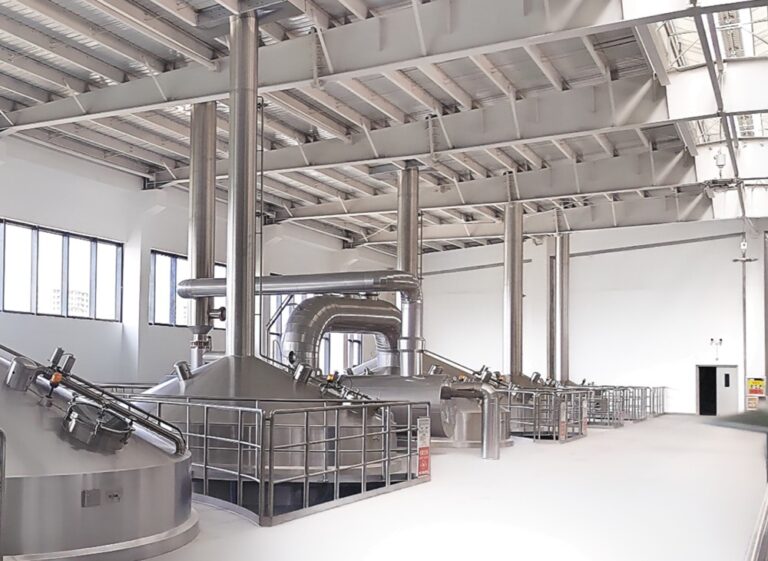
Для промышленного производства требуется профессиональная система приготовления комбучи с автоматическим регулированием температуры, чтобы обеспечить стабильное качество каждой партии.
К типичному пивоваренному оборудованию относятся:
* Емкость для заваривания чая
* Емкость для растворения сахара
* Бойлер
* Смесительная емкость
* Система автоматического управления
Шаг 2: Быстрое охлаждение
После заваривания чай быстро охлаждается с помощью пластинчатого теплообменника, подключенного к системе охлаждения на основе гликоля.
Быстрое охлаждение снижает риск загрязнения и позволяет подготовить чай к ферментации в гигиенических условиях.
Шаг 3: Контролируемое брожение
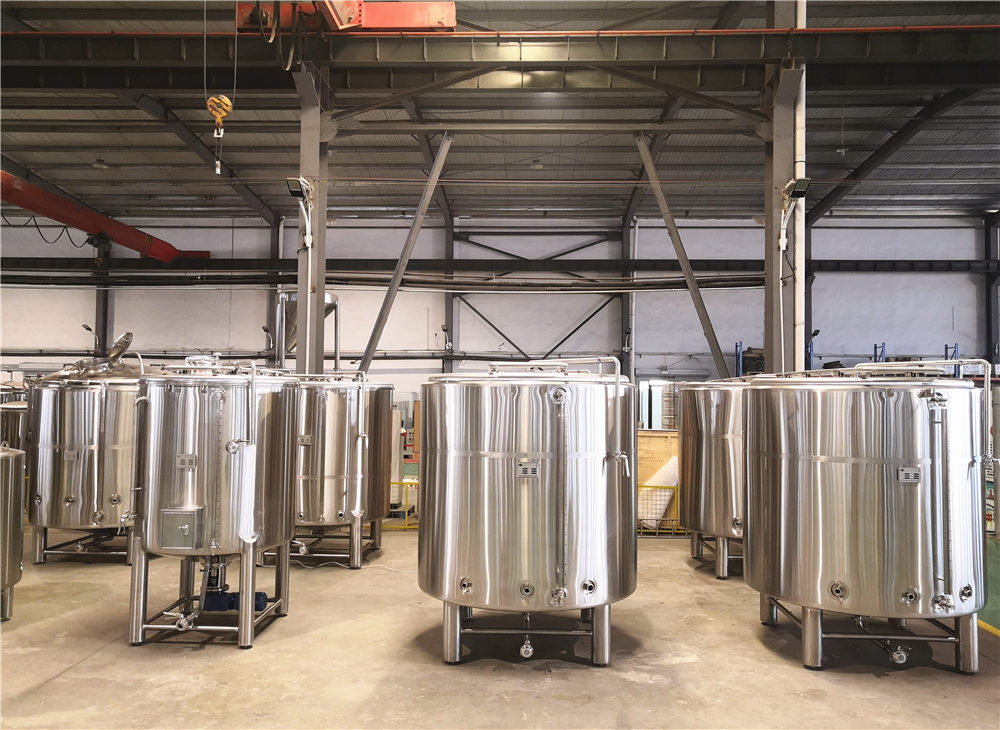
Охлажденный чай поступает в бродильные чаны из нержавеющей стали для приготовления комбучи, куда добавляется культура SCOBY.
К типичным условиям ферментации относятся:
* Температура: 24–30 °C
* Время брожения: 7–14 дней
* Непрерывный мониторинг pH
* Гигиеничная среда из нержавеющей стали
Профессиональные бродильные чаны с охлаждающими рубашками помогают поддерживать стабильную температуру брожения, особенно в жарком климате, характерном для всего Ближнего Востока.
Шаг 4: Контролируйте содержание алкоголя
Производство безалкогольной комбучи требует тщательного контроля технологического процесса.
Производители снижают образование спирта следующими способами:
* Оптимизация концентрации сахара
* Регулирование температуры брожения
* Выбор подходящих штаммов дрожжей
* Контроль времени брожения
* Регулярная проверка содержания алкоголя
* Прекращение брожения на оптимальной стадии
Это гарантирует, что готовый напиток будет соответствовать местным нормативным требованиям, сохраняя при этом характерный вкус комбучи.
Шаг 5: Формирование вкуса
После первичного брожения производители часто придают пиву региональные вкусовые особенности, чтобы учесть предпочтения местных потребителей.
К популярным вкусам на Ближнем Востоке относятся:
* Лимон и мята
* Имбирь
* Гранат
* Дата
* Гибискус
* Смесь ягод
* Манго
* Персик
Эти комбучи с добавлением фруктов отличаются освежающим вкусом, который привлекает потребителей, ищущих более здоровую альтернативу газированным безалкогольным напиткам.
Шаг 6: Наполнение и упаковка
Готовый комбуча фильтруется и разливается с использованием санитарного розливного оборудования.
Варианты упаковки включают:
* Стеклянные бутылки
* ПЭТ-бутылки
* Алюминиевые банки
* Бочки
Системы автоматического розлива позволяют снизить воздействие кислорода и продлить срок хранения продукции, сохраняя при этом качество напитков.
Полная линия по производству комбучи для коммерческих целей
Профессиональная линия по производству комбучи, как правило, включает в себя:
* Система заваривания чая
* Установка для растворения сахара
* Смесительная емкость
* Брожение в открытых или закрытых резервуарах
* Система охлаждения на основе гликоля
* Система очистки CIP
* Шкаф автоматического управления на базе ПЛК
* Санитарные насосы и трубопроводы
* Система фильтрации
* Линия розлива в бутылки или банки
* Оборудование для маркировки и упаковки
Интегрированная производственная система повышает эффективность, безопасность пищевых продуктов и стабильность качества продукции — ключевые факторы для промышленного производства напитков.
Почему стоит выбрать линию по производству комбучи «под ключ» от Tiantai?
Компания «Тяньтай» специализируется на предоставлении готовых решений по созданию линий по производству комбучи для производителей напитков по всему миру.
Наши решения можно адаптировать под любые потребности — от пилотных установок объемом 200 л до промышленных производственных линий объемом 10 000 л — и они подходят как для стартапов, так и для производителей крафтовых напитков и крупных заводов.
Наши услуги «под ключ» включают:
* Разработка полного технологического процесса
* Планирование расположения оборудования на заводе
* Изготовленные на заказ резервуары из нержавеющей стали
* Автоматическое управление с помощью ПЛК
* Система очистки CIP
* Монтаж и ввод в эксплуатацию
* Обучение операторов
* Глобальная техническая поддержка послепродажного обслуживания
Для клиентов из стран Ближнего Востока мы также разрабатываем оборудование, приспособленное к высоким температурам окружающей среды, что способствует обеспечению стабильных показателей ферментации и надежного круглогодичного производства.
Поскольку спрос на полезные для здоровья безалкогольные напитки на Ближнем Востоке продолжает расти, инвестиции в профессиональную систему производства комбучи могут помочь производителям напитков занять новые рыночные ниши.
Независимо от того, планируете ли вы создать стартап по производству комбучи или крупный завод по производству напитков, компания «Тяньтай» предлагает комплексные решения «под ключ» для линий по производству комбучи, разработанные с учетом ваших производственных мощностей, местных нормативных требований и бизнес-целей.
От варки и ферментации до розлива и упаковки — наша команда инженеров предоставляет надежное оборудование и техническую поддержку, которые помогут вам построить успешный бизнес по производству комбучи.
Свяжитесь с компанией «Тяньтай» уже сегодня, чтобы обсудить ваш проект и получить индивидуальное решение по производству комбучи для рынка Ближнего Востока.
Контактная информация: [email protected]
Эмили Гонг