Chibuku is one of the most recognizable traditional opaque beers in Southern Africa. It has a particularly strong presence in countries such as Zimbabwe, Zambia, Malawi, Botswana, and surrounding markets. But why has this traditional cereal-based beverage remained so popular while the modern beer industry continues to develop?

The answer lies in a combination of **local culture, readily available raw materials, affordable pricing, familiar taste, and established consumer habits**.
- Deep Cultural Roots
Traditional sorghum and maize-based fermented beverages have been part of African food and drinking culture for generations. Long before modern breweries became widespread, communities used locally available cereals to produce fermented beverages for everyday consumption and social gatherings.
Chibuku builds on this cultural heritage while presenting the product in a commercially manufactured format. For many consumers, drinking Chibuku is therefore not simply about having a beer—it is connected with local traditions, community, and familiar flavors.
2. Local and Accessible Raw Materials
Sorghum and maize are important crops in many parts of Southern Africa. Using locally available cereals provides manufacturers with access to familiar raw materials and allows the beverage to retain its traditional identity.
Compared with products that depend heavily on imported ingredients, locally sourced cereals can also provide opportunities for developing a supply chain around local agriculture.
3. Affordable Price
Price is another important factor behind Chibuku’s popularity.
Chibuku is generally positioned as an affordable alcoholic beverage, making it accessible to a broad consumer base. Its cereal-based production process and packaging formats can support a value-oriented market position.
In markets where consumers are highly price-conscious, affordable local beverages can have a strong competitive advantage.
4. A Distinctive Taste and Appearance
Unlike conventional clear beer, Chibuku is typically an **opaque, cereal-based fermented beverage** with a distinctive appearance, aroma, texture, and flavor.
Its relatively fresh and traditional character differentiates it from standard lagers and creates a unique drinking experience. For consumers who grew up with traditional cereal beverages, these characteristics can also provide a strong sense of familiarity.
5. Social and Community Consumption
Beer consumption in many African markets is closely connected with social interaction. Weddings, celebrations, family gatherings, community events, and informal social occasions can all contribute to beverage consumption.
Chibuku’s strong local identity makes it particularly suitable for these occasions. Its popularity is therefore supported not only by individual preferences but also by social and cultural habits.
6. Successful Commercialization
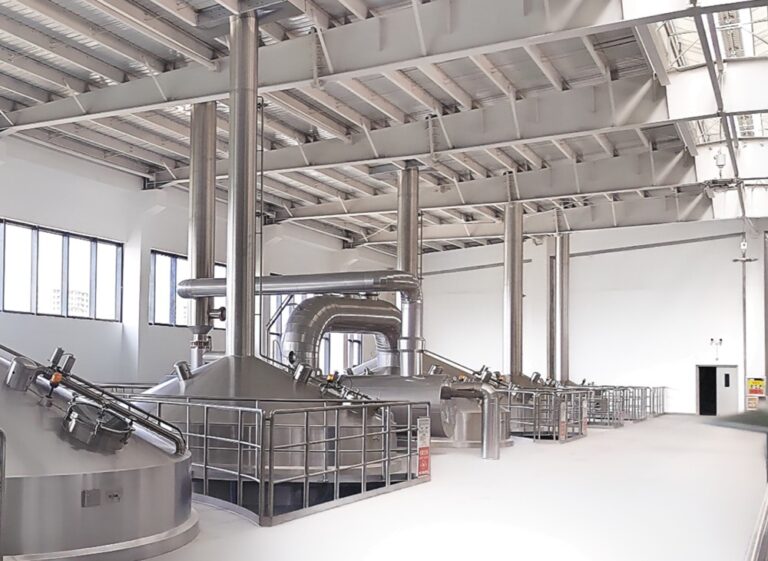
Modern Chibuku production combines traditional recipes and concepts with industrial brewing and beverage-processing technology. Large-scale production allows manufacturers to achieve more consistent quality, improve hygiene, extend distribution, and serve a much larger market.
This combination of **traditional identity and modern production technology** has helped Chibuku remain relevant in an increasingly competitive beverage industry.
Growing Opportunities for Chibuku Production
The continued popularity of Chibuku demonstrates the potential of locally inspired beverages in African markets. As consumer demand grows, manufacturers may have opportunities to improve production efficiency, develop new packaging formats, and introduce new variations while maintaining the traditional character of the product.
For companies planning to enter the cereal-based beverage market, choosing suitable production equipment is essential. **Tiantai** can provide customized solutions for Chibuku and other sorghum- or maize-based fermented beverages, including grain milling, mash and gelatinization systems, fermentation tanks, cooling systems, blending equipment, CIP systems, and filling and packaging solutions.
By combining local ingredients and traditional beverage concepts with modern production technology, manufacturers can develop products that are both commercially competitive and closely connected to the local market.