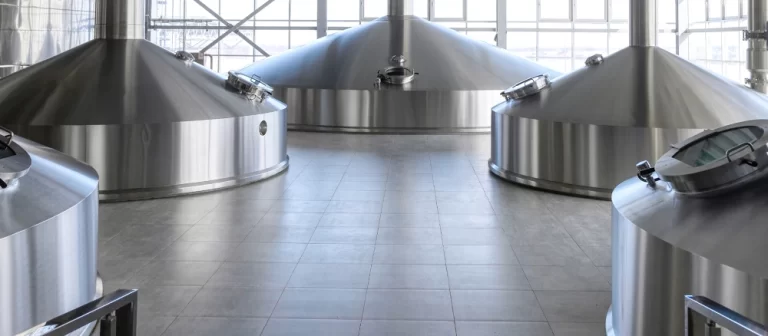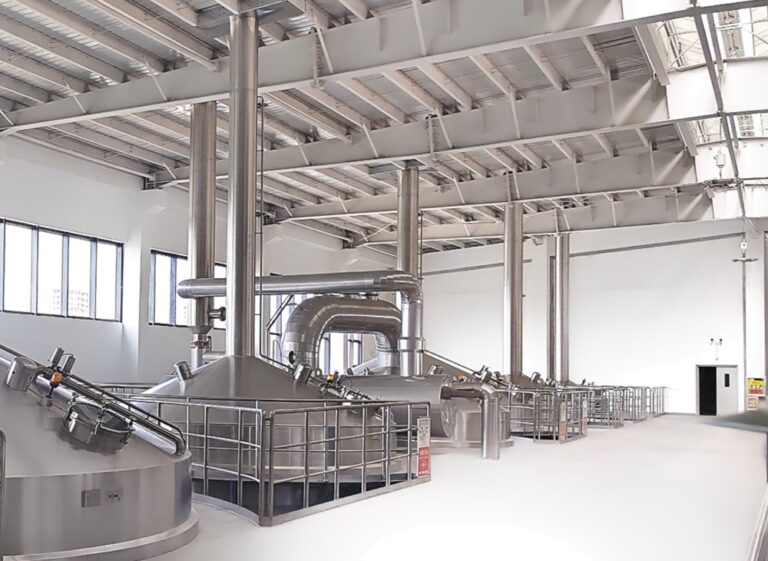
Creating great beer is both an art and a science. While high-quality ingredients and reliable brewery equipment are important, a well-designed beer recipe is equally essential to achieving the desired flavor, aroma, and overall drinking experience.
Whether you operate a small craft brewery or a large commercial brewery, understanding the fundamentals of recipe design can help you produce better and more consistent beer.
Here are five key principles to consider when developing your next beer recipe.
1. Keep It Simple
A great beer recipe starts with simplicity. Use only the ingredients necessary to achieve your desired flavor profile, and make sure every ingredient has a clear purpose.
Adding too many malts, hops, or other ingredients does not necessarily make better beer. In many cases, a simple recipe allows the individual characteristics of each ingredient to stand out.
For example, many classic beer styles can be brewed using a base malt combined with just one or two specialty malts.
Start with a clear brewing objective, then select ingredients that support it.
2. Maintain Flavor Balance
Balance is one of the most important elements of a successful beer recipe.
A well-designed beer should have harmony between its malt sweetness, hop bitterness, aroma, alcohol content, and body.
Of course, balance does not mean every beer should taste the same. Different beer styles require different flavor profiles.
For example, an IPA is expected to have prominent hop bitterness and aroma. However, excessive bitterness should not overpower the beer or make it unpleasant to drink. A good IPA should maintain a satisfying relationship between hop character, malt backbone, and drinkability.
Understanding these relationships is essential when developing a distinctive and enjoyable beer.
3. Choose Ingredients for Their Flavor and Aroma
Selecting the right ingredients is more important than simply following the latest brewing trends.
Popular hop varieties and specialty malts may attract attention, but brewers should understand their actual flavor and aroma characteristics before incorporating them into a recipe.
For example, chocolate malt contributes roasted, coffee-like, and cocoa-like notes to beer, rather than the sweetness of chocolate itself.
A good brewer should be familiar with the characteristics of different malt varieties, hop varieties, and yeast strains.
By understanding how these ingredients interact, you can create more complex, distinctive, and well-balanced beer recipes.
4. Improve Your Recipe Through Repeated Brewing
Developing an excellent beer recipe takes time and experimentation.
Rather than constantly changing ingredients and brewing methods, it is often more effective to brew the same recipe multiple times and make small, controlled adjustments.
After each batch, evaluate the finished beer carefully. Pay attention to its aroma, bitterness, body, color, and overall flavor.
Based on these observations, adjust one or two parameters at a time to understand how they affect the final result.
Keeping detailed brewing records is also important. Recording ingredient quantities, brewing temperatures, fermentation conditions, and tasting results will help you reproduce successful batches and continuously improve your recipes.
Consistency is the foundation of a successful craft brewery.
5. Use the Right Brewing Techniques and Equipment
Brewing techniques are practical tools that allow brewers to control the characteristics of their beer.
Different brewing parameters can significantly influence the final product, including:
Mash Temperature: Affects wort fermentability and the final body of the beer.
Mash pH: Influences enzyme activity, extraction efficiency, and wort quality.
Hop Boil Time: Determines hop utilization and contributes to bitterness.
Whirlpool Hopping: Helps extract hop flavor and aroma.
Water Profile: Influences flavor balance and the overall character of different beer styles.
Dry Hopping: Enhances hop aroma and contributes distinctive flavor characteristics.
Fermentation Temperature: Affects yeast activity, flavor development, and fermentation performance.
Understanding how these techniques work allows brewers to make informed adjustments according to their specific recipes.
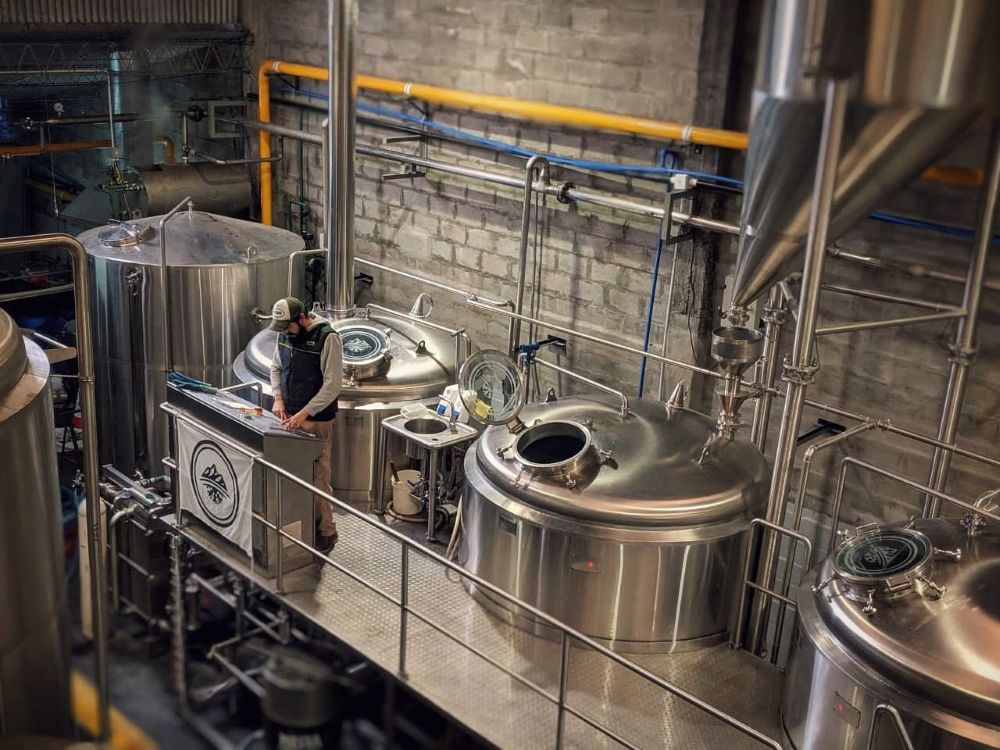
Reliable brewery equipment also plays an important role in achieving consistent results. Precise temperature control, efficient wort transfer, proper mixing, and stable fermentation conditions help brewers maintain better control over the entire brewing process.
Conclusion: Great Recipes Start with Good Brewing Practices
Creating great beer requires more than just choosing quality ingredients. It involves understanding flavor balance, mastering brewing techniques, maintaining detailed records, and continuously improving your recipes.
With the right brewing knowledge and reliable equipment, breweries can develop distinctive beer styles while maintaining consistent product quality.
Tiantai provides professional brewery equipment and complete brewing solutions, from craft microbreweries to large-scale commercial beer production facilities.
Whether you are planning a new brewery or upgrading your existing production line, Tiantai is ready to support your brewing journey.
Email: [email protected]
Tiantai – Your Trusted Partner for Brewing Solutions!
Emily Gong