What Is a Kombucha SCOBY?
SCOBY stands for Symbiotic Culture of Bacteria and Yeast. It is a living culture of bacteria and yeast that plays an essential role in kombucha fermentation.
During fermentation, the SCOBY helps convert sweetened tea into kombucha, producing its characteristic tangy flavor, acidity, and natural carbonation.
If you are planning to start brewing kombucha, growing a healthy SCOBY is an important first step. Below is a simple guide to cultivating a new SCOBY using suitable kombucha brewing equipment.
Step 1: Prepare Raw Kombucha
Purchase a bottle of raw, unflavored, unpasteurized kombucha containing live cultures.
This ready-made kombucha serves as a starter culture, providing the bacteria and yeast needed to begin the cultivation process.
Choose a reliable product without added flavors, preservatives, or other ingredients that may interfere with fermentation.
Step 2: Prepare Sweet Tea
Brew one batch of black or green tea.
While the water is hot, add white sugar and stir until it is completely dissolved. Allow the sweetened tea to cool to room temperature before proceeding.
The sugar provides a food source for the yeast and bacteria during fermentation.
For best results, use clean brewing equipment and maintain good hygiene throughout the preparation process.
Step 3: Combine the Starter Tea and Sweet Tea
Pour the raw kombucha starter and cooled sweet tea into a clean, sanitized fermentation vessel.
A suitable food-grade fermentation tank provides a controlled environment for SCOBY cultivation.
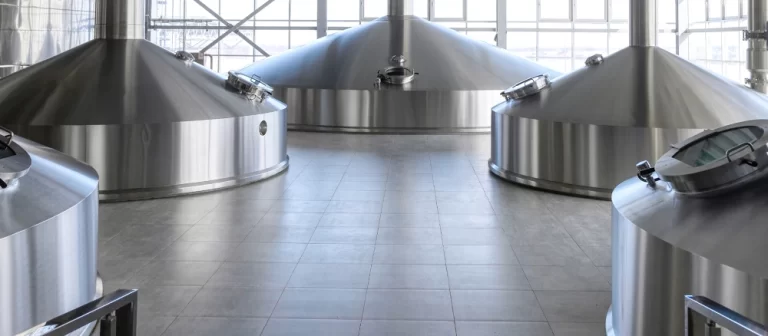
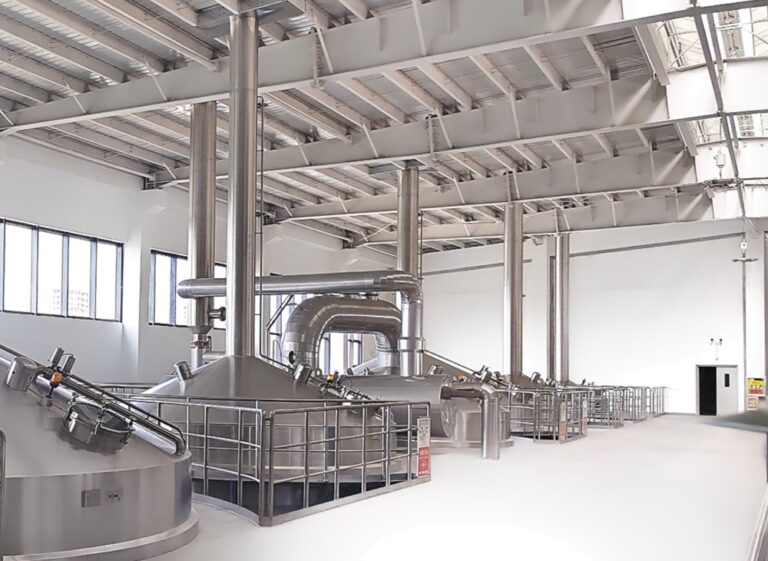
Tiantai kombucha fermentation tanks are designed for commercial kombucha production and can also be configured to meet different processing requirements.
Step 4: Cover the Fermentation Vessel
Cover the opening of the fermentation vessel with a clean, tightly woven cloth or paper coffee filter.
Secure it with a rubber band to prevent insects, dust, and other contaminants from entering the vessel while allowing air to circulate.
Unlike sealed fermentation, SCOBY cultivation during this initial stage requires oxygen exchange.
Step 5: Ferment in a Warm Environment
Place the fermentation vessel in a warm location, away from direct sunlight.
A temperature range of approximately 68–85°F (20–29°C) is commonly used for SCOBY cultivation.
Allow the mixture to ferment undisturbed for approximately 7–14 days, although the actual time may vary depending on temperature and starter culture activity.
Maintain good hygiene and monitor the fermentation process regularly.
Step 6: Observe SCOBY Development
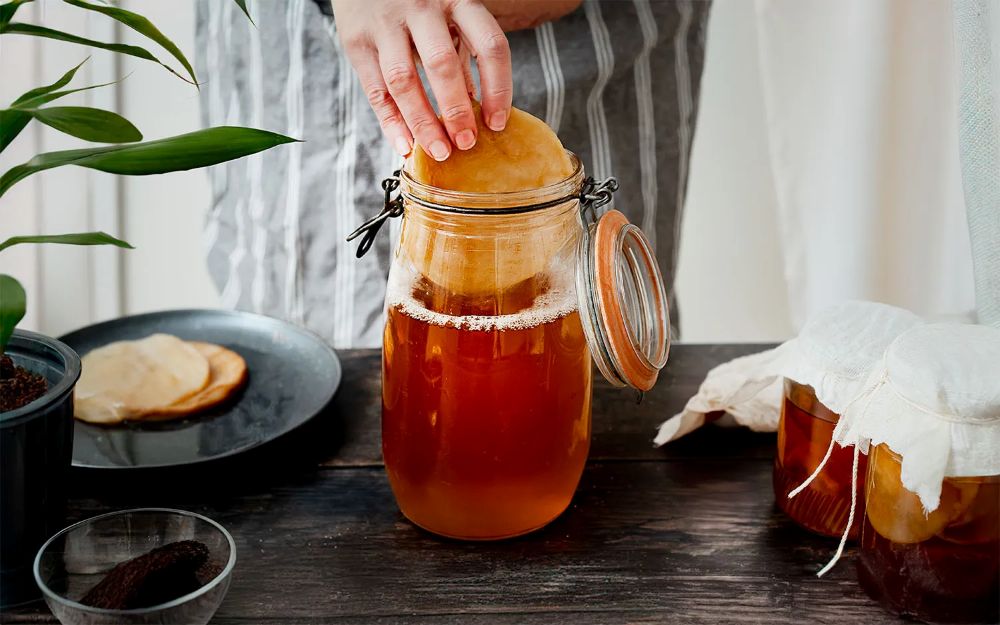
After approximately one week, you may notice a thin, translucent film forming on the surface of the liquid.
This is the beginning of a new SCOBY. As fermentation continues, the film gradually becomes thicker, whiter, and less transparent.
SCOBY development varies depending on the starter culture and environmental conditions. It may take several weeks to develop a sufficiently thick and healthy culture.
If there are signs of mold, such as dry, fuzzy patches with unusual colors, discard the entire batch rather than attempting to reuse it.
A healthy new SCOBY, together with sufficiently acidic starter liquid, can then be used to inoculate your first batch of kombucha.
Step 7: Start Your First Batch of Kombucha
Once the SCOBY has developed sufficiently, retain both the new SCOBY and some of the fermented starter liquid.
They can be used to inoculate a fresh batch of sweet tea and begin your first kombucha production cycle.
For commercial production, maintaining a healthy starter culture, consistent fermentation conditions, and proper sanitation is essential for achieving stable product quality.
Tiantai – Your Professional Kombucha Brewing Equipment Manufacturer
Tiantai provides complete kombucha brewing equipment and customized kombucha production solutions for small-scale craft producers and large commercial beverage manufacturers.
Our equipment range includes:
Kombucha Boil Kettles: For tea preparation and sweet tea production.
Kombucha Fermentation Tanks: Flat-top, open-top fermentation vessels designed for kombucha fermentation.
Kombucha Storage Tanks: For storing fermented kombucha and finished products.
Kombucha Mixing Tanks: For blending tea, sugar, and other ingredients.
Complete Kombucha Production Lines: Integrated equipment solutions for different production capacities.
Available Tank Capacities
We offer various tank capacities to meet different production requirements:
200L, 300L, 500L, 600L, 800L, 1,000L, 1,500L, 2,000L, 2,500L, 3,000L, and 5,000L.
Whether you are starting a small kombucha business or building an industrial-scale kombucha factory, Tiantai can provide customized equipment solutions according to your production capacity, process requirements, and factory layout.
Looking for reliable kombucha brewing equipment?
Contact Tiantai today to discuss your kombucha production project!
Email: [email protected]
Tiantai – Your Trusted Partner for Beverage Processing Solutions!
Emily Gong
[email protected]
Emily Gong