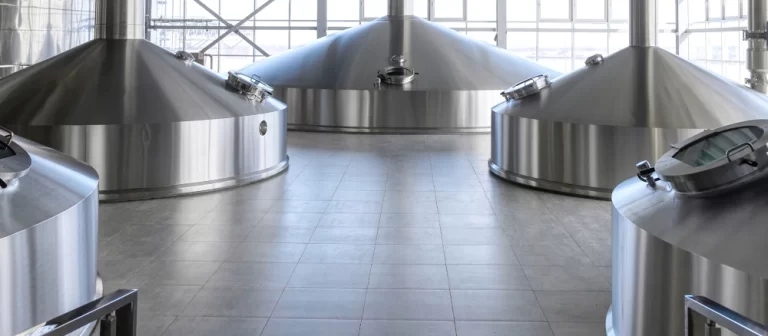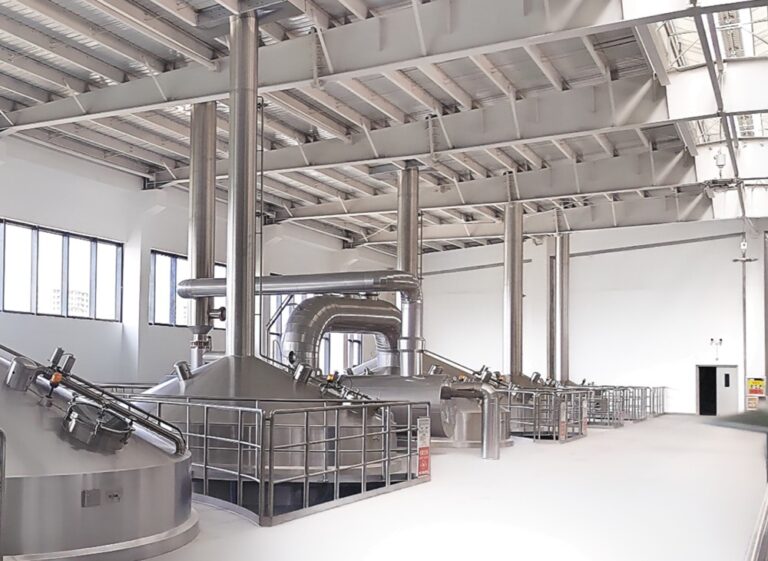
In a modern brewery, brewhouse insulation plays an important role in improving energy efficiency, maintaining stable brewing temperatures, reducing steam consumption, and ensuring safe operation. A well-insulated brewhouse system can significantly reduce heat loss from mash tuns, lauter tuns, wort kettles, and other hot process vessels. Tiantai Beer Equipment Co., chooses to use the aluminum silicate wool for brewhouse insualation.
When selecting insulation materials for commercial brewery equipment, two commonly used options are aluminum silicate wool and rock wool. Both materials provide thermal insulation, but they have different performance characteristics, costs, and suitable applications. Understanding the differences can help breweries choose the right insulation solution for their brewery brewhouse system.
Why Is Brewhouse Insulation Important?
The brewhouse is one of the highest energy-consuming areas in a brewery. During mashing, boiling, and hot water preparation, tanks operate at temperatures ranging from approximately 65℃ to 100℃. Without proper insulation, a large amount of heat can escape, increasing steam consumption and operating costs.
High-quality insulation helps breweries achieve:
Lower energy consumption
Reduced steam usage
More stable mash and wort temperatures
Faster heating and cooling cycles
Improved operator safety
Better overall brewery efficiencyFor breweries investing in energy-efficient brewery equipment, choosing the correct insulation material is an important design decision.

Aluminum Silicate Wool for Brewhouse Insulation
Aluminum silicate wool (also known as ceramic fiber insulation) is a high-performance insulation material widely used in industrial high-temperature applications.
Advantages of Aluminum Silicate Wool:
1. Excellent High-Temperature Resistance
The biggest advantage of aluminum silicate wool is its ability to withstand extremely high temperatures. It can normally operate at temperatures above 1,000℃, making it suitable for demanding industrial applications.
For brewery applications, this means it provides excellent thermal protection for steam-heated equipment and hot surfaces.
2. Low Thermal Conductivity
Aluminum silicate wool has very low thermal conductivity, which means it reduces heat loss effectively. For a steam-efficient brewhouse brewery, this helps improve heating efficiency and reduce steam consumption.
3. Lightweight Design
Compared with many traditional insulation materials, aluminum silicate wool is lightweight and easy to install, reducing the overall weight of brewery vessels.
Disadvantages:
Higher material cost
More fragile structure
Requires careful installation
Not ideal for areas exposed to vibration or mechanical impact
Because of its higher cost, aluminum silicate wool is often used in premium brewery projects requiring maximum thermal performance.
Rock Wool for Brewhouse Insulation
Rock wool is one of the most commonly used insulation materials in the brewing industry. It is made from natural basalt and mineral fibers and is widely applied in brewery equipment insulation.
Advantages of Rock Wool:
1. Cost-Effective Solution
Rock wool provides good insulation performance at a lower cost compared with aluminum silicate wool. It is a popular choice for craft breweries and commercial brewery projects where cost efficiency is important.
2. Good Thermal Insulation Performance
For normal brewhouse operating temperatures, rock wool provides sufficient insulation performance. It can effectively reduce heat loss from mash tanks, lauter tanks, and boiling vessels.
3. Strong Mechanical Stability
Rock wool has better structural strength and durability compared with ceramic fiber materials. It performs well in brewery environments where equipment may experience vibration or frequent operation.
Disadvantages:
Lower maximum temperature resistance than aluminum silicate wool
Slightly higher thermal conductivity
May absorb moisture if not properly protected
For most breweries, properly installed rock wool with stainless steel cladding provides reliable long-term insulation.
Aluminum Silicate Wool vs Rock Wool: Comparison
| Feature | Aluminum Silicate Wool | Rock Wool |
| Temperature Resistance | Very High (1000℃+) | Medium (around 600℃) |
| Thermal Insulation | Excellent | Good |
| Cost | Higher | More Economical |
| Weight | Lightweight | Medium |
| Durability | Good but fragile | Strong |
| Common Brewery Application | Premium systems, high-temperature areas | Standard brewhouse insulation |
Which Insulation Material Is Better for a Brewhouse?
For most commercial brewery equipment and craft brewery projects, rock wool is usually the more practical choice because brewhouse operating temperatures are normally below 100℃, far lower than the temperature limits of rock wool.
A high-quality brewery equipment supplier will typically recommend:
Rock wool insulation: Suitable for standard brewhouse systems, fermentation areas, and most brewery projects.
Aluminum silicate wool insulation: Suitable for special high-temperature applications or breweries requiring maximum energy efficiency.
For breweries focusing on green brewing technology, energy saving, and long-term operating cost reduction, the insulation design should also consider thickness, stainless steel cladding, sealing quality, and overall brewery heat management.
Conclusion
Both aluminum silicate wool and rock wool can be used for brewhouse insulation, but they serve different purposes. Aluminum silicate wool offers superior temperature resistance and insulation performance, while rock wool provides an excellent balance between insulation efficiency, durability, and cost.
For most craft breweries and commercial breweries, a properly designed rock wool insulation system is sufficient. However, for advanced energy-efficient brewery equipment projects requiring maximum heat preservation, aluminum silicate wool can be an excellent premium option.
Choosing the right insulation material, together with an optimized brewery brewhouse system, can help breweries reduce energy costs, improve production efficiency, and achieve more sustainable brewing operations.
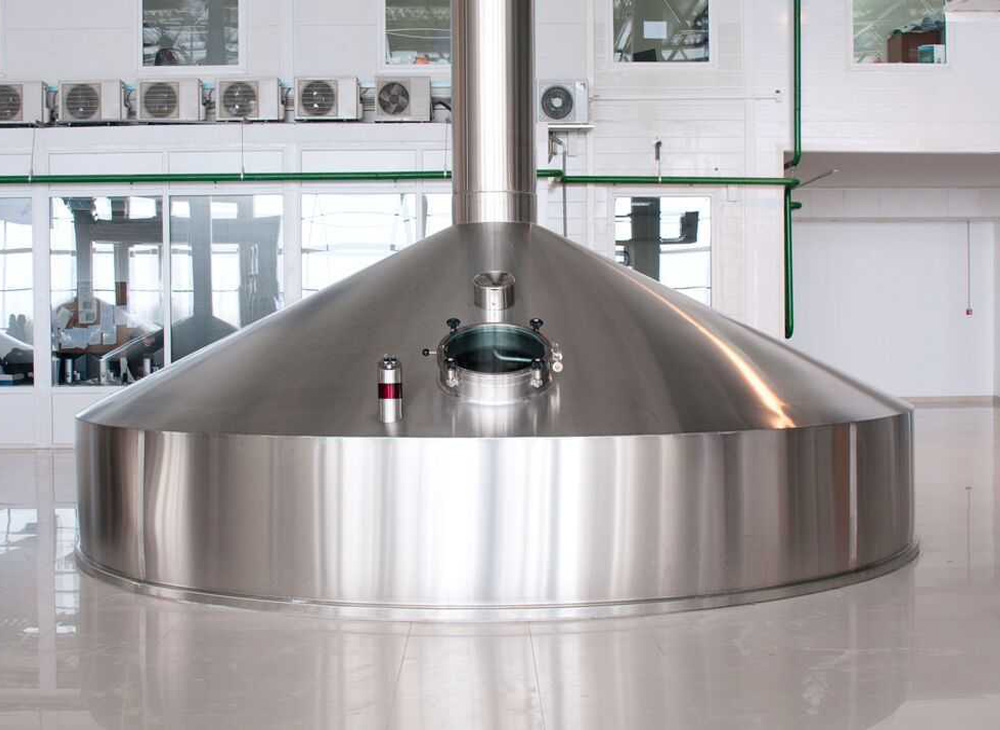
If you are interested in any beer brewery equipment, please feel free to contact us:
Ivy Liang(Sales Director)
Email: [email protected]