Cider production is often considered simpler than beer brewing, but making a clean, aromatic, stable, and commercially successful cider requires careful control of raw materials, fermentation parameters, oxygen exposure, and post-fermentation handling.
Whether you are producing craft cider, sparkling cider, dry cider, sweet cider, or fruit-blended cider, understanding the fermentation process is essential.
This article explains the professional cider fermentation process, key technical parameters, and practical production tips for both craft and commercial producers.
1. What is Cider Fermentation?
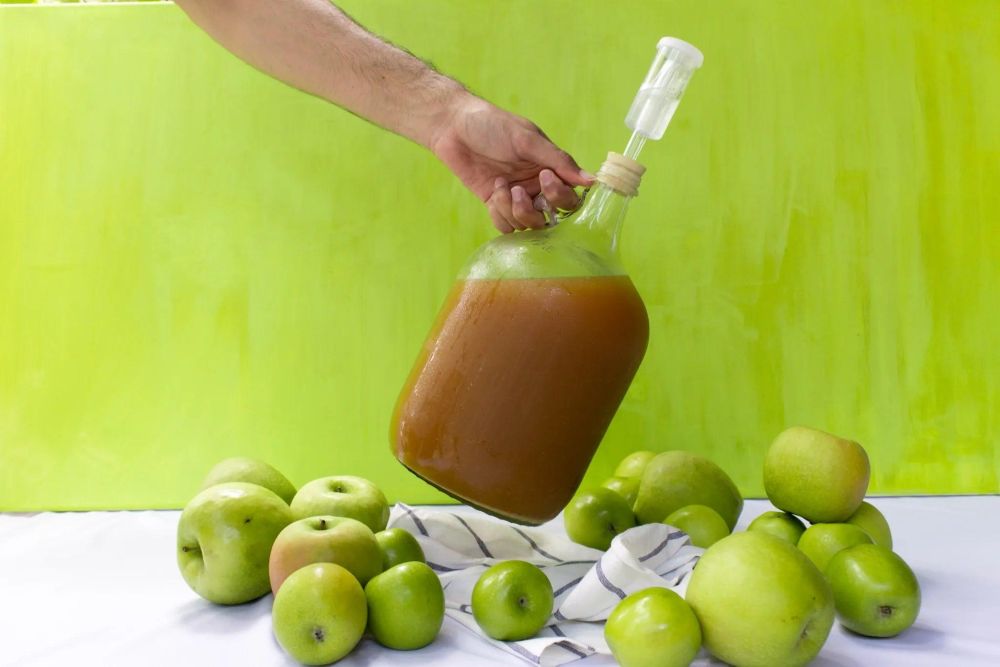
Cider is an alcoholic beverage produced through the fermentation of apple juice.
During fermentation, yeast converts sugars in the juice into:
- Alcohol (ethanol)
- Carbon dioxide (CO₂)
- Aroma compounds
- Organic acids
- Flavor-active esters
The final cider profile depends heavily on:
- Apple variety
- Juice composition
- Yeast selection
- Fermentation temperature
- Oxygen management
- Aging conditions
Compared with beer brewing, cider fermentation generally contains:
- Lower nitrogen levels
- Higher acidity
- Lower protein content
- Less natural nutrient availability
Therefore, yeast nutrition management becomes particularly important.
2. Raw Material Selection: Good Cider Starts with Good Apples
Apple selection directly influences fermentation performance and sensory quality.
Typical Apple Components
Professional cider makers evaluate apples based on:
| Parameter | Target Role |
|---|---|
| Sugar (Brix) | Alcohol potential |
| Acidity | Freshness and microbial stability |
| Tannins | Mouthfeel and structure |
| Aroma compounds | Flavor complexity |
Major Apple Categories
1. Sweet Apples
Provide fermentable sugars.
Examples:
- Gala
- Fuji
- Golden Delicious
2. Sharp Apples
Provide acidity.
Examples:
- Granny Smith
- Bramley
3. Bittersharp / Bittersweet Apples
Provide tannins and complexity.
Common in traditional European cider production.
Practical Recommendation
Many beginners use only dessert apples, resulting in cider that tastes:
- Thin
- Flat
- One-dimensional
A more balanced blend is usually:
- 50–70% sweet apples
- 20–30% acidic apples
- 10–20% tannic apples
3. Juice Extraction and Preparation
Apple Washing
Before processing:
- Remove soil
- Remove leaves and stems
- Minimize microbial contamination
Crushing / Milling
Apples are milled into pulp to maximize juice yield.
Equipment options:
- Hammer mill
- Fruit crusher
- Roller mill
Pressing
The pulp is pressed to extract juice.
Common equipment:
- Hydraulic press
- Belt press
- Pneumatic membrane press
Juice Clarification (Optional)
Clarification helps improve:
- Fermentation consistency
- Product brightness
- Flavor stability
Methods include:
- Cold settling
- Enzyme treatment
- Centrifugation
- Filtration
Some craft producers intentionally ferment cloudy juice to enhance complexity.
4. Adjusting Juice Parameters Before Fermentation
Professional producers often standardize juice composition.
Sugar Adjustment
If sugar content is low:
Additional fermentables may be added.
Target alcohol ranges:
| Style | Typical ABV |
|---|---|
| Session cider | 3–5% |
| Standard cider | 5–7% |
| Strong cider | 7–10% |
Typical starting gravity:
1.045–1.065 SG
Acidity Adjustment
Target pH:
3.2 – 3.8
Why it matters:
- Supports flavor balance
- Improves microbial control
- Influences yeast performance
Acid correction may involve:
- Malic acid
- Citric acid
- Blending different juices
Nutrient Addition: A Critical Step
One of the most common cider fermentation problems is nitrogen deficiency.
Apple juice is often deficient in:
- YAN (Yeast Assimilable Nitrogen)
- Amino acids
- Vitamins
Low nutrients can cause:
- Stuck fermentation
- Sulfur odors
- Slow attenuation
- Poor aroma development
Professional practice:
Use yeast nutrients according to laboratory analysis or supplier recommendation.
5. Yeast Selection for Cider Fermentation
Yeast selection dramatically affects cider style.
Common Yeast Types
Wine Yeast
Advantages:
- Clean fermentation
- Fruit ester production
- Reliable attenuation
Popular choice for premium cider.
Cider-Specific Yeast
Designed specifically for:
- Apple aroma retention
- Balanced acidity
- Improved mouthfeel
Champagne Yeast
Characteristics:
- High alcohol tolerance
- Strong fermentation power
- Dry finish
Suitable for sparkling cider.
Ale Yeast
Sometimes used by craft producers.
Can produce:
- Fruity notes
- Soft body
- Unique flavor complexity
6. Cider Fermentation Process and Parameters
Primary Fermentation
Typical temperature range:
12–20°C
Lower temperatures:
- Cleaner aroma
- Better ester retention
- Slower fermentation
Higher temperatures:
- Faster fermentation
- Increased ester production
- Higher risk of off-flavors
Typical Fermentation Timeline
| Stage | Duration |
|---|---|
| Yeast lag phase | 12–48 hours |
| Active fermentation | 5–14 days |
| Conditioning | 2–8 weeks |
Fermentation Vessel Options
Common equipment:
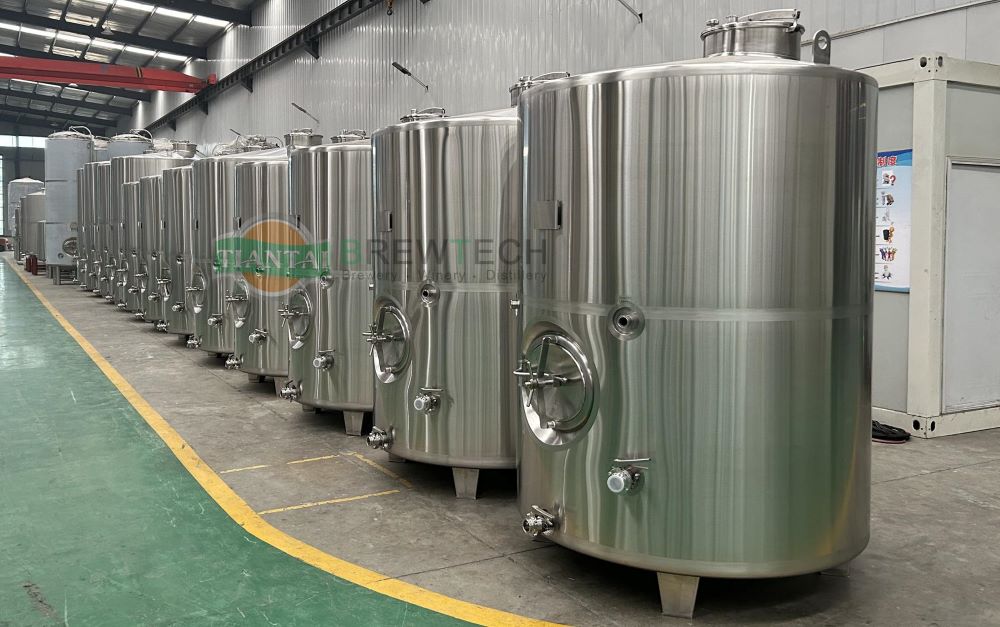
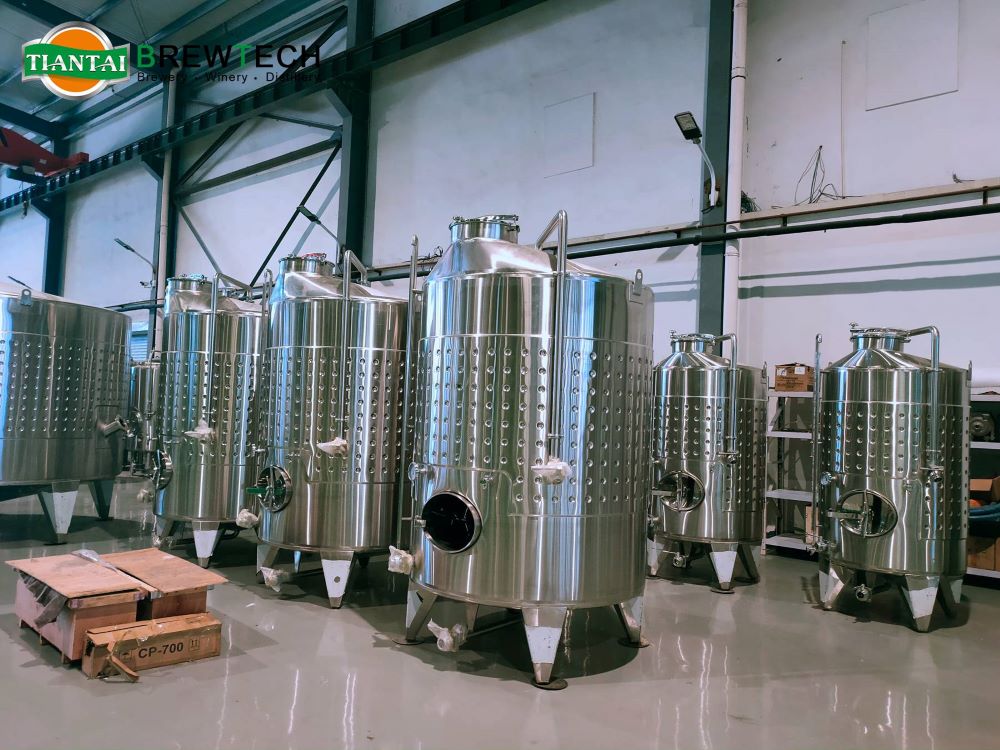
- Stainless steel fermenters
- Jacketed fermentation tanks
- Closed pressure vessels
- Oak barrels (specialty cider)
Commercial production often favors temperature-controlled stainless steel tanks for process consistency.
Oxygen Management
This is one of the most overlooked factors in cider production.
Yeast needs limited oxygen during the early growth stage.
However, excessive oxygen later causes:
- Oxidation
- Browning
- Loss of fresh apple aroma
Best practice:
✓ Aerate before pitching.
✓ Avoid oxygen pickup after fermentation begins.
✓ Use closed transfer systems.
7. Monitoring Fermentation
Producers should monitor:
- Gravity
- Temperature
- pH
- Sensory changes
Common analytical tools:
- Hydrometer
- Density meter
- Refractometer
- pH meter
Signs of healthy fermentation:
✓ Stable gravity reduction
✓ Clean fruity aroma
✓ Consistent temperature profile
Warning Signs
| Problem | Possible Cause |
|---|---|
| Rotten egg smell | Nutrient deficiency |
| Stuck fermentation | Low nutrients / temperature shock |
| Excessive acidity | Infection |
| Solvent-like aroma | High fermentation temperature |
8. Secondary Fermentation and Conditioning
Secondary processing develops flavor stability and carbonation.
Possible objectives:
- Clarification
- Flavor maturation
- Carbonation
- Sediment reduction
Carbonation Methods
Natural Carbonation
Advantages:
- Fine bubbles
- Traditional character
Challenges:
- Longer production cycle
- Requires strict sugar control
Forced Carbonation
Common in commercial operations.
Advantages:
- Faster production
- Consistent CO₂ levels
- Easier process control
Sweetening Considerations
Many commercial ciders use backsweetening.
Methods:
- Juice concentrate
- Apple juice addition
- Sugar syrup
Important note:
Residual sugar + live yeast = refermentation risk.
Solutions include:
- Pasteurization
- Sterile filtration
- Sorbate stabilization
9. Packaging and Shelf Stability
Common packaging formats:
- Glass bottles
- Aluminum cans
- Kegs
Key production concerns:
CO₂ Retention
Critical for sparkling cider.
Requires:
- Counter-pressure filling
- Temperature control
- Low dissolved oxygen
Oxygen Control During Filling
Excess oxygen shortens shelf life.
Recommended practices:
- CO₂ pre-purge
- Vacuum management
- Low-oxygen filling systems
Microbiological Stability
Before packaging, confirm:
✓ Fermentation complete
✓ Product stable
✓ No contamination risk
Commercial producers often use:
- Flash pasteurization
- Tunnel pasteurization
- Sterile membrane filtration
10. Practical Production Tips: Avoid These Common Cider Mistakes
Mistake 1 — Ignoring Nutrients
Apple juice is not wort.
Always evaluate nutrient requirements.
Mistake 2 — Fermenting Too Warm
High temperatures often produce:
- Harsh alcohol notes
- Solvent aromas
- Reduced fruit character
Mistake 3 — Poor Oxygen Control
Oxidized cider loses freshness rapidly.
Closed handling matters.
Mistake 4 — Packaging Before Stabilization
Uncontrolled refermentation can cause:
- Overcarbonation
- Bottle bombs
- Product loss
Mistake 5 — No Process Data Recording
Track every batch:
- Gravity
- Temperature
- pH
- Nutrient additions
- Sensory observations
Consistent records improve reproducibility.
Successful cider production is not simply “fermented apple juice.” It is a process that combines raw material selection, fermentation science, yeast management, oxygen control, and packaging discipline.
For commercial cider makers, investing in:
- Proper fermentation tanks
- Temperature control
- Oxygen management systems
- Reliable filling equipment
can significantly improve product consistency, flavor quality, and shelf stability.
Whether you are launching a craft cider brand, expanding a beverage facility, or scaling industrial cider production, mastering fermentation fundamentals is the foundation of a high-quality cider program.
Edited by Daisy: [email protected]