Kombucha has rapidly evolved from a niche fermented tea into a global functional beverage phenomenon. But producing high-quality, stable, and commercially successful kombucha requires far more than simply mixing tea and sugar.
Understanding the science of kombucha fermentation is essential for home brewers, craft beverage producers, and industrial manufacturers alike.
In this article, we explore the complete kombucha fermentation process, critical parameters, common challenges, and practical production tips.
What Is Kombucha Fermentation?
Kombucha is a fermented tea beverage produced through the metabolic activity of a SCOBY (Symbiotic Culture of Bacteria and Yeast).
The fermentation system involves three main components:
- Tea(nutrient source)
- Sugar(fermentable substrate)
- SCOBY(microbial culture)
During fermentation, yeast converts sugars into ethanol and carbon dioxide, while bacteria convert ethanol into organic acids, creating kombucha’s distinctive flavor profile.
The result is a beverage characterized by:
✔ Balanced sweetness and acidity
✔ Natural carbonation
✔ Organic acids
✔ Probiotics and bioactive compounds
✔ Complex aroma and mouthfeel
The Microbiology Behind Kombucha
Understanding the microorganisms inside kombucha is crucial for controlling product quality.
Yeast Function
Common yeast strains found in kombucha include:
- Saccharomyces cerevisiae
- Brettanomyces spp.
- Zygosaccharomyces spp.
Yeast primarily performs:
- Sugar consumption
- Ethanol production
- Carbon dioxide generation
- Flavor compound development
Bacterial Function
Common bacterial strains include:
- Komagataeibacter xylinus
- Acetobacter spp.
- Gluconobacter spp.
Bacteria are responsible for:
- Acetic acid production
- Gluconic acid formation
- pH reduction
- Cellulose (SCOBY) formation
The balance between yeast and bacteria determines whether your kombucha becomes refreshingly complex or overly sour and unstable.
Step-by-Step Kombucha Fermentation Process
1. Tea Preparation
The process begins by brewing tea.
Common tea choices:
- Black tea
- Green tea
- Oolong tea
- Herbal blends (special applications)
Typical industrial brewing parameters:
| Parameter | Range |
| Tea dosage | 5–10 g/L |
| Water temperature | 80–95°C |
| Extraction time | 10–30 min |
Tea provides nitrogen compounds, minerals, and polyphenols necessary for microbial growth.
2. Sugar Addition
Sucrose is the most widely used carbohydrate source.
Typical sugar concentration:
50–100 g/L
Sugar acts as the primary fuel for fermentation.
Too little sugar can lead to:
- Weak fermentation
- Poor carbonation
- Low acid production
Too much sugar may cause:
- Excessive ethanol formation
- Slow microbial balance
- Overly sweet final product
3. Inoculation with SCOBY
After cooling the sweetened tea, the fermentation culture is introduced.
Typical inoculation ratio:
10–20% starter liquid
The starter culture rapidly lowers pH and helps suppress contamination risks.
Target initial pH:
4.0–4.5
Maintaining proper starting acidity is one of the most important food safety controls in kombucha production.
4. Primary Fermentation
Primary fermentation is where most biochemical transformation occurs.
Typical conditions:
| Parameter | Recommended Range |
| Temperature | 22–30°C |
| Fermentation time | 7–21 days |
| Target pH | 2.5–3.5 |
| Aeration | Controlled oxygen exposure |
During this stage:
Sugar ↓
Yeast activity ↑
Organic acid formation ↑
Flavor complexity ↑
Temperature control is particularly critical.
High temperatures may produce:
- Excessive acidity
- Harsh vinegar notes
- Faster alcohol generation
Low temperatures often cause:
- Sluggish fermentation
- Flat flavor development
- Slow acidification
5. Secondary Fermentation (Optional)
Many producers perform secondary fermentation for:
- Natural carbonation
- Fruit flavor infusion
- Enhanced aroma complexity
Common additions:
- Ginger
- Mango
- Berry puree
- Citrus juice
- Herbs and spices
This stage usually occurs in sealed vessels or bottles.
Careful pressure management is essential to avoid over-carbonation hazards.

Critical Parameters for Successful Kombucha Fermentation
Professional kombucha production relies on tight process control.
Temperature Control
Ideal range:
24–28°C
Stable temperatures improve:
✔ Flavor consistency
✔ Microbial stability
✔ Predictable fermentation speed
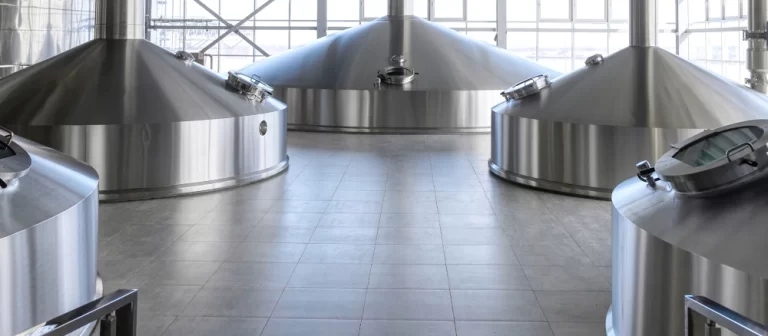
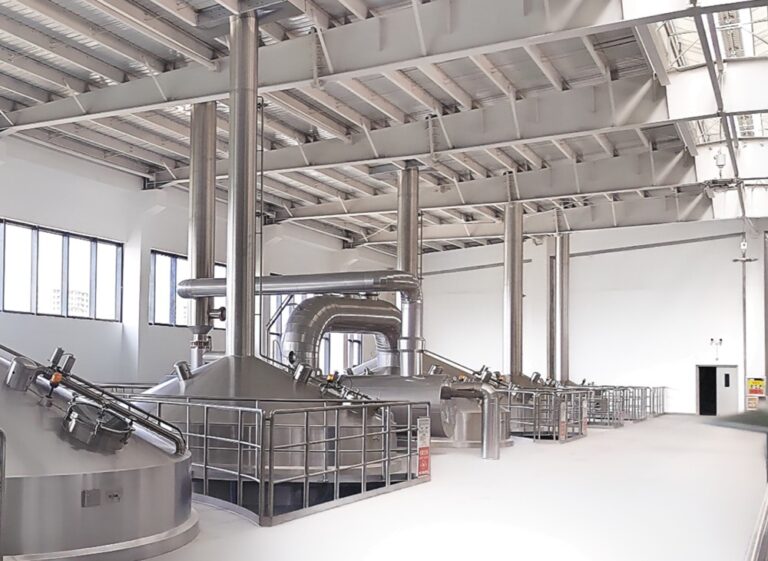
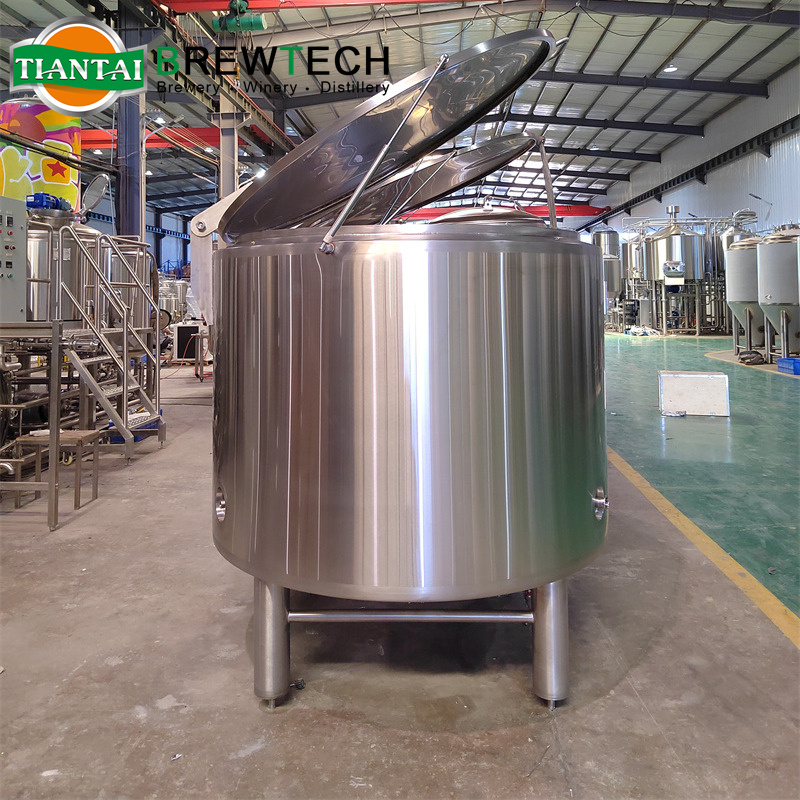
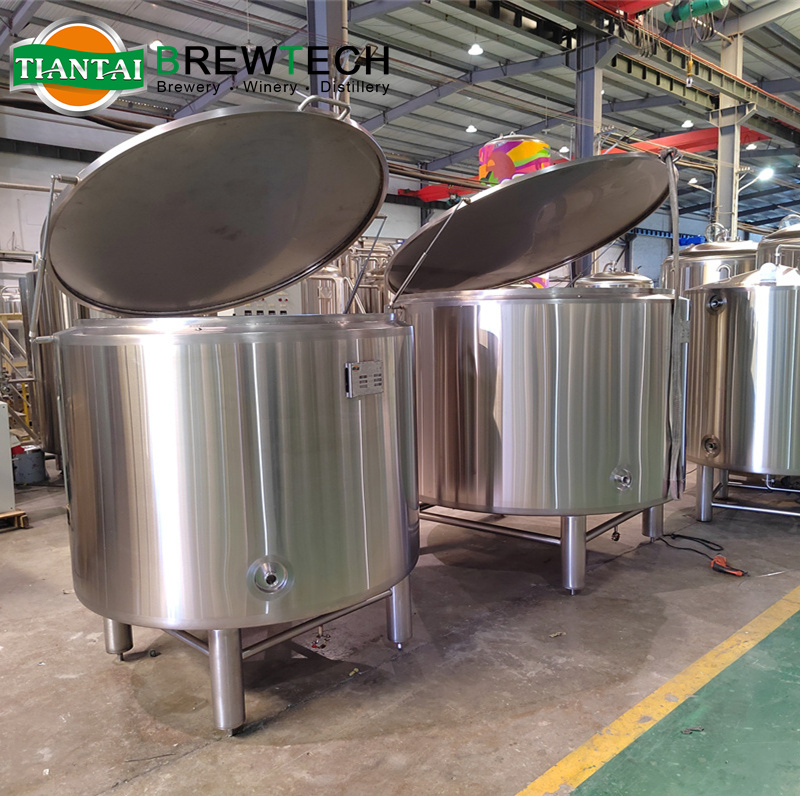
Industrial producers frequently use jacketed stainless steel fermentation tanks for accurate temperature regulation.
pH Monitoring
Regular pH tracking is essential.
Recommended checkpoints:
- Day 0
- Day 2
- Day 5
- End of fermentation
Rapid pH decline generally indicates healthy fermentation performance.
Oxygen Management
Unlike beer fermentation, kombucha bacteria require oxygen.
However, excessive oxygen exposure can create:
- Harsh acetic acidity
- Over-oxidized flavor
- Product inconsistency
Balancing oxygen availability is a major challenge in large-scale production.
Common Kombucha Fermentation Problems and Solutions
| Problem | Possible Cause | Solution |
| Fermentation too slow | Low temperature | Increase temperature |
| Excessive acidity | Long fermentation | Shorten fermentation time |
| High alcohol content | Excess yeast activity | Adjust sugar or fermentation control |
| Mold contamination | Poor sanitation | Improve cleaning and acidic startup |
| Weak carbonation | Insufficient secondary fermentation | Optimize sugar and sealing |
Sanitation and process standardization remain fundamental to commercial success.
Industrial Kombucha Fermentation: Equipment Considerations
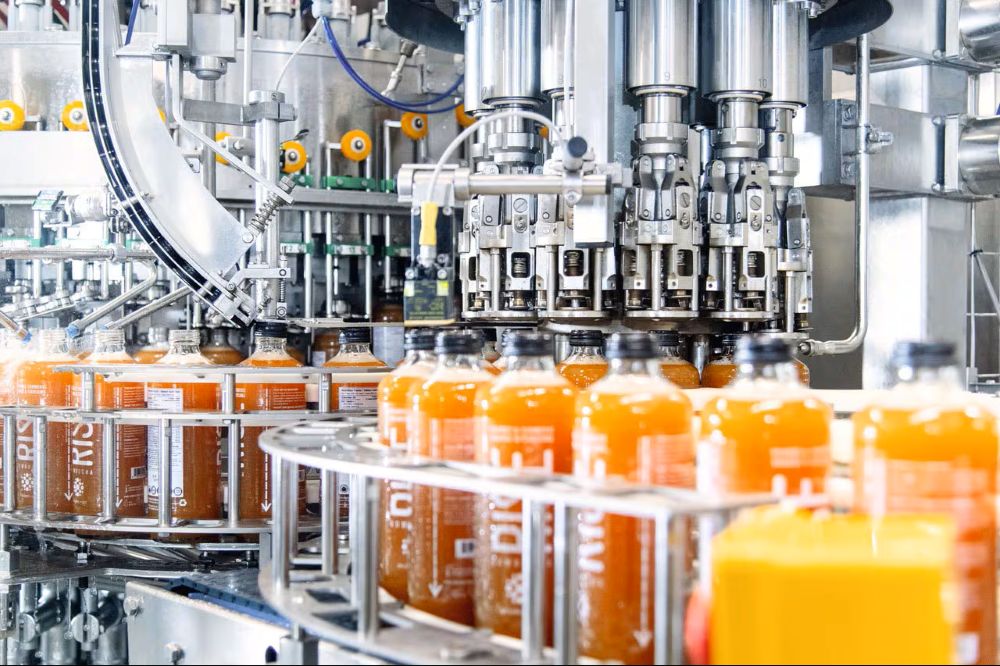
As kombucha production scales up, equipment selection becomes increasingly important.
Professional systems often include:
Brewhouse / Tea Preparation System
For tea extraction and sugar dissolution.
Fermentation Tanks
Usually constructed from food-grade stainless steel 304 or 316L.
Optional configurations:
- Cooling jacket
- Insulation layer
- CIP cleaning system
- Sampling valve
- Temperature sensor
- Pressure monitoring
Filtration & Mixing Systems
Used for flavor dosing and product stabilization.
Bottling / Can Filling Line
Designed for:
- Carbonated filling
- Oxygen control
- Hygienic packaging
Selecting suitable equipment significantly improves product consistency, production efficiency, and food safety compliance.
Kombucha fermentation is both microbial science and production craftsmanship.
Success depends on understanding:
- Microbial balance
- Sugar metabolism
- Temperature control
- pH management
- Oxygen regulation
- Equipment optimization
Whether you are producing kombucha at pilot scale or building a commercial beverage facility, mastering fermentation fundamentals will help you create a product that is safe, flavorful, and market-ready. Because in kombucha production, great flavor begins with controlled fermentation.
Daisy: [email protected]