Chibuku is one of the best-known traditional opaque beers in Southern Africa. It is widely associated with countries such as Zambia, Zimbabwe, Malawi, and Botswana, where traditional sorghum-based beverages have long been part of local food and drinking culture.

Commercial Chibuku production combines traditional brewing concepts with modern industrial equipment. Although recipes and processes can vary by country and manufacturer, the general production process includes grain preparation, milling, mashing, fermentation, blending, cooling, and packaging.
1. Raw Material Preparation
The main raw materials used for Chibuku are typically cereals such as **sorghum and maize**, depending on the local recipe and product specification.
The grains are cleaned to remove stones, dust, and other foreign materials before entering the milling process. Proper raw material preparation is important for achieving consistent extraction and fermentation.
2. Milling
The cleaned grains are milled to an appropriate particle size.
The milling degree has a direct influence on the subsequent mashing process because it affects water absorption, starch conversion, filtration, and overall extraction efficiency.
Industrial Chibuku plants normally use suitable grain milling equipment to process large quantities of raw materials consistently.
3. Mashing and Starch Conversion
The milled grain is mixed with water in a mash vessel. Controlled heating allows the starch in the cereal to gelatinize and become available for enzymatic conversion.
Depending on the recipe and process design, different temperature rests may be used to achieve the desired level of starch conversion.
For products containing a high proportion of sorghum or maize, careful control of temperature, mixing, and heating is particularly important to obtain stable and repeatable results.
4. Wort Preparation
After mashing, the liquid portion containing soluble nutrients and sugars is separated or transferred for further processing. Some Chibuku-style products use a relatively high proportion of cereal solids and retain more suspended material than conventional clear beer.
The process may therefore differ significantly from the wort clarification process used for standard lager or ale production.
5. Fermentation
The prepared cereal beverage is cooled to a suitable fermentation temperature before yeast is added.
Fermentation converts fermentable sugars into alcohol and produces characteristic flavor compounds. Chibuku is traditionally associated with a relatively short fermentation period and a distinctive fresh, cereal-based flavor profile.
Temperature, yeast management, fermentation time, and hygiene are important factors affecting the final product.
6. Blending and Product Adjustment
After fermentation, the product may be adjusted according to the manufacturer’s recipe. Water, cereal preparations, or other permitted ingredients may be added to achieve the desired alcohol level, consistency, flavor, and mouthfeel.
Unlike conventional filtered beer, Chibuku is typically an **opaque beverage with significant suspended solids**, which is an important characteristic of the product.
7. Cooling and Packaging
The finished beverage is cooled and transferred to a suitable storage or buffer tank before packaging.
Depending on the market and product type, Chibuku can be packaged in plastic containers, cartons, or other suitable packaging formats. Because some traditional-style products have a relatively short shelf life, packaging, temperature control, hygiene, and distribution conditions are particularly important.
Chibuku Production Equipment
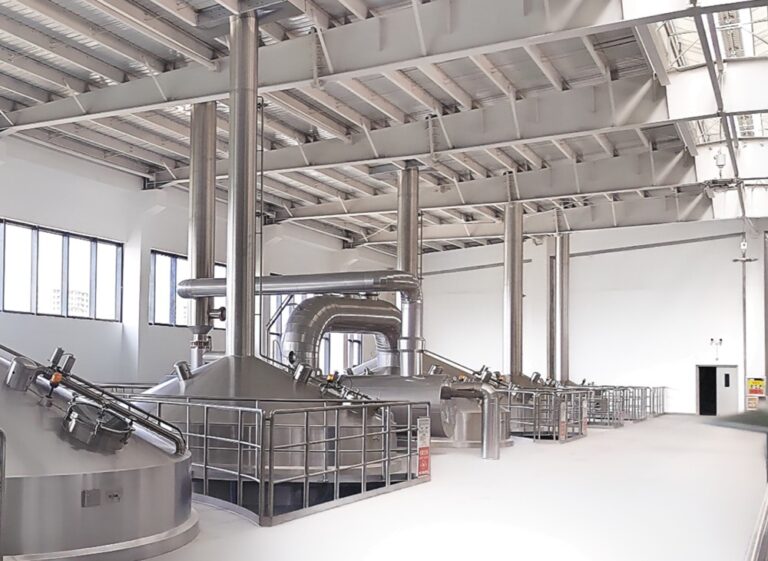
A commercial Chibuku production line may include **grain cleaning and milling equipment, mash vessels, cereal cooking or gelatinization tanks, transfer pumps, fermentation tanks, blending tanks, cooling systems, CIP systems, and filling and packaging equipment**.
For manufacturers planning to develop a Chibuku or other sorghum-based beverage project, equipment should be designed according to the specific recipe, production capacity, raw materials, fermentation method, and local market requirements.
**Tiantai** can provide customized brewing and beverage production solutions, including process design, equipment selection, tank fabrication, piping, control systems, and complete production line integration.
With the right combination of traditional brewing knowledge and modern processing technology, manufacturers can produce Chibuku-style beverages efficiently while maintaining consistent quality and authentic local characteristics.
Gracias por leerme.
Helen Lee
Correo electrónico de contacto: [email protected]