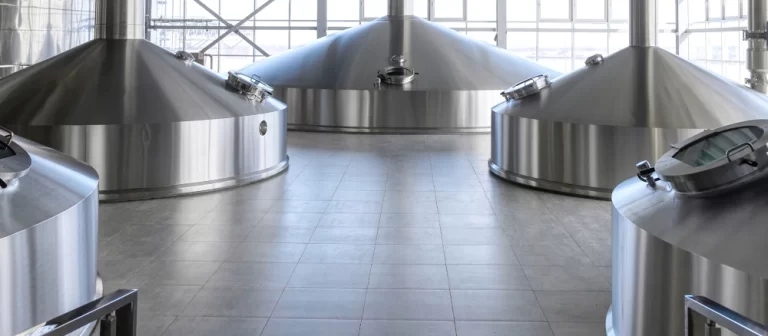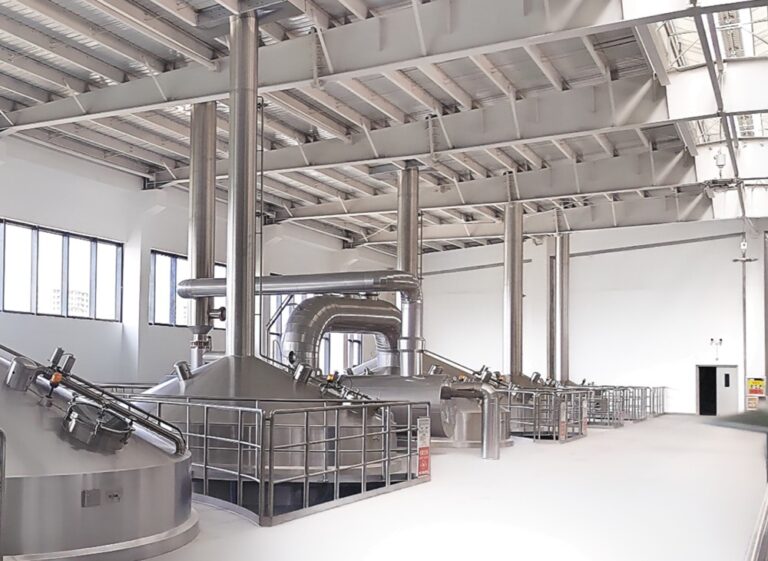
So you want to set up a micro brewery? Before you start purchasing equipment or planning your layout, it’s important to understand that successful brewing is not only about recipes—it is about process control, hygiene, timing, and the right micro brewery equipment.
Whether you are building a small craft brewery, a pilot system, or a commercial microbrewery, choosing reliable systems such as those from Tiantai Brewery Equipment can significantly improve efficiency, consistency, and product quality from day one.
Below are six essential tips that every new brewer should know before starting a microbrewery operation.
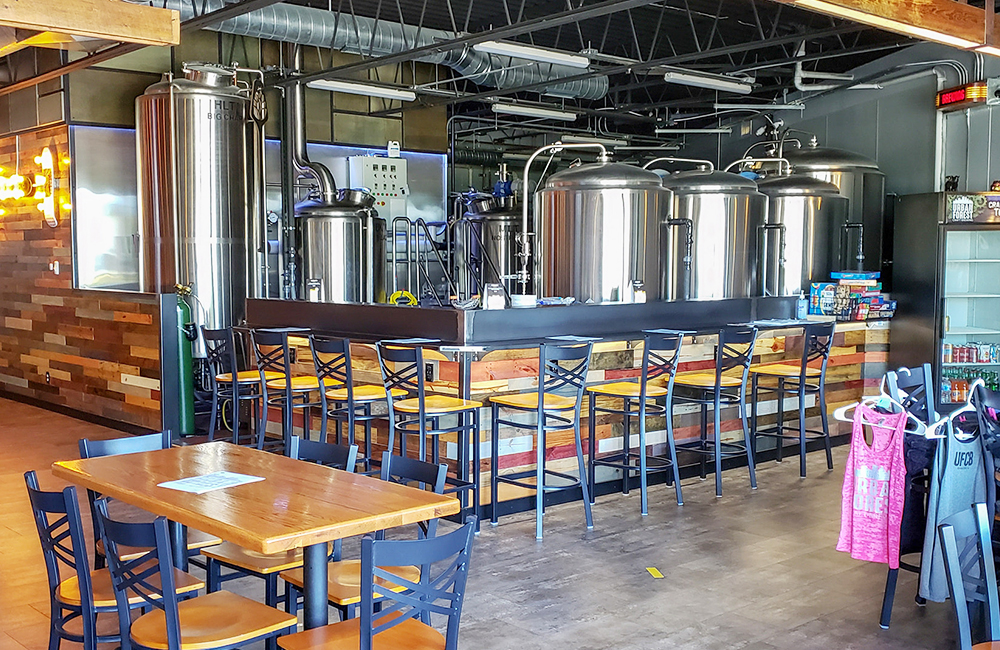
1. Never Neglect Brewery Equipment Sanitation
Sanitation is the foundation of all successful brewing operations. No matter how advanced your system is, poor hygiene can ruin an entire batch.
Contamination can happen in:
Fermenters
Transfer hoses
Bottling or kegging lines
Storage tanks
A single infection can turn high-quality wort into sour, undrinkable beer. That means all your effort, ingredients, and time are lost.
Best practices:
Always clean immediately after each batch
Use CIP (Clean-In-Place) systems when possible
Sanitize all valves, gaskets, and fittings
Avoid air exposure after sanitation
Modern systems from Tiantai Brewery Equipment are designed with hygienic stainless steel construction and smooth internal surfaces to reduce contamination risks and make cleaning more efficient.
2. Move Quickly After Wort Boiling
Once boiling is complete, wort becomes highly sensitive to oxidation, contamination, and flavor changes.
At temperatures above 80°C, hops continue releasing bitterness compounds. If cooling is delayed, your beer may become overly bitter or lose its intended flavor balance.
Why fast cooling matters:
Preserves hop aroma
Controls bitterness extraction
Reduces risk of contamination
Stabilizes wort before fermentation
Solución recomendada:
For micro breweries, a high-efficiency plate heat exchanger (PHE) is essential. It rapidly cools wort from boiling temperature to yeast pitching temperature while maintaining flavor integrity.
Tiantai brewhouse systems integrate optimized heat exchangers to ensure fast cooling and consistent wort quality.
3. Start with More Forgiving Beer Styles
If you are new to brewing, not every beer style is equally difficult.
Light beers such as lagers, pilsners, or pale ales require tight process control. On the other hand, darker beers like stouts and porters are more forgiving.
Why dark beers are easier:
Strong roasted malt flavors mask minor flaws
Less sensitivity to slight fermentation variations
More tolerance for small process inconsistencies
This makes them ideal for beginners operating a new microbrewery system.
As you gain experience with your brewing equipment, you can gradually move into more delicate styles like IPA or wheat beer.
4. Always Use High-Quality Fresh Ingredients
Even the best brewery equipment cannot compensate for poor raw materials.
Key ingredients include:
Malted barley or grain
Hops
Yeast
Adjuncts (fruit, spices, sugars)
Important rule:
If you wouldn’t enjoy it outside the beer, it will not improve inside the beer.
Fresh ingredients ensure:
Better flavor consistency
More predictable fermentation
Higher fermentation efficiency
Improved shelf stability
A professional micro brewery setup should always be paired with reliable ingredient sourcing and proper storage systems.
5. Always Test Your Fermenter Before Brewing
Before starting your first batch in a new system—especially a fermenter unitank or conical fermenter—you should always perform a water test.
This helps you confirm:
No leakage in welds or fittings
Proper valve operation
Pressure resistance
Cooling jacket performance
A simple water test can prevent costly production losses and avoid contamination issues later.
Equipment from Tiantai Brewery Equipment is typically pressure-tested before shipment, but onsite verification is still highly recommended before production begins.
6. Plan Your Brewing Schedule Carefully
One of the most common beginner mistakes is poor timing.
Brewing is a multi-stage process:
Mashing
Boiling
Fermentation (7–14+ days)
Conditioning
Packaging
If you start brewing without checking your calendar, you may find yourself unavailable when the beer is ready for bottling or kegging.
Why planning matters:
Fermentation timing cannot be paused
Delays may affect beer quality
Over-fermentation can impact flavor and clarity
Always ensure you will be available during critical production stages, especially when working with small-batch micro brewery systems.
Building a Successful Micro Brewery
Starting a micro brewery is an exciting journey, but success depends on more than just passion. You need:
Reliable brewery equipment
Strong sanitation discipline
Proper cooling and fermentation control
Quality ingredients
Careful production planning
Professional solutions from Tiantai Brewery Equipment provide complete turnkey systems including:
Brewhouse systems
Fermentation tanks (unitank & conical fermenters)
Bright beer tanks
Cooling and glycol systems
CIP systems and accessories
These integrated systems help new breweries reduce risk, improve efficiency, and achieve consistent beer quality from the very first batch.
A successful micro brewery is built on discipline, equipment quality, and process control. By following these six essential tips—especially sanitation, fast wort cooling, and careful scheduling—you can avoid common beginner mistakes and build a strong foundation for long-term brewing success.
With the right equipment partner like Tiantai Brewery Equipment, starting a microbrewery becomes not only achievable but scalable for future growth.