Chibuku beer brewing is a unique and traditional African brewing process that has developed into an important part of the regional beverage industry. Made primarily from sorghum and maize, Chibuku is a type of African traditional beer characterized by its opaque appearance, thick texture, slightly sour taste, and relatively low alcohol content.
Unlike conventional clear lager beer, Chibuku retains suspended grain solids and is often consumed fresh. With the growing commercialization of traditional beverages, modern Chibuku beer equipment y sorghum brewing equipment are increasingly being used to improve hygiene, production efficiency, and product consistency.
This article introduces the complete African beer brewing process and explains how modern breweries can produce Chibuku beer on an industrial scale.


1. Raw Material Preparation for Sorghum Beer Brewing
The main ingredients used in sorghum beer brewing typically include:
- Sorghum malt
- Maize meal or maize grits
- Agua
- Yeast or fermentation cultures
Sorghum is one of the most important raw materials in Chibuku production. It provides enzymes, fermentable sugars, flavor, color, and nutrients. Maize is commonly used as an additional starch source to improve extract yield and create the desired body and texture.
Before production begins, the grains are cleaned to remove dust, stones, and other foreign materials. The sorghum and maize are then milled into flour or fine grits.
Un profesional traditional beer brewing equipment system normally includes a grain cleaning machine, malt mill, grain conveying system, and raw material storage units.
2. Mashing and Cooking
After milling, the maize and sorghum materials are mixed with water in a mash tank or cooking vessel.
Maize contains a high level of starch and normally requires cooking or gelatinization before enzymatic conversion can take place. The mixture is gradually heated while being continuously agitated.
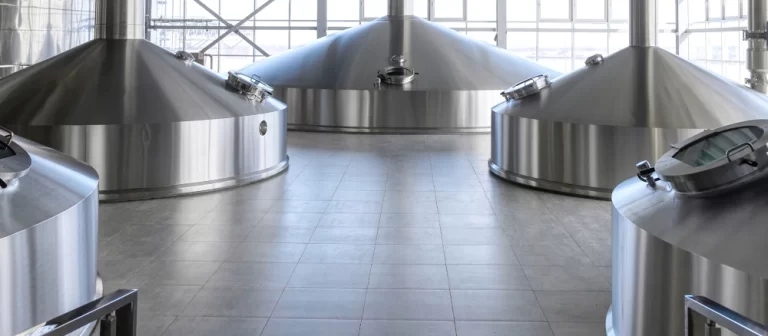
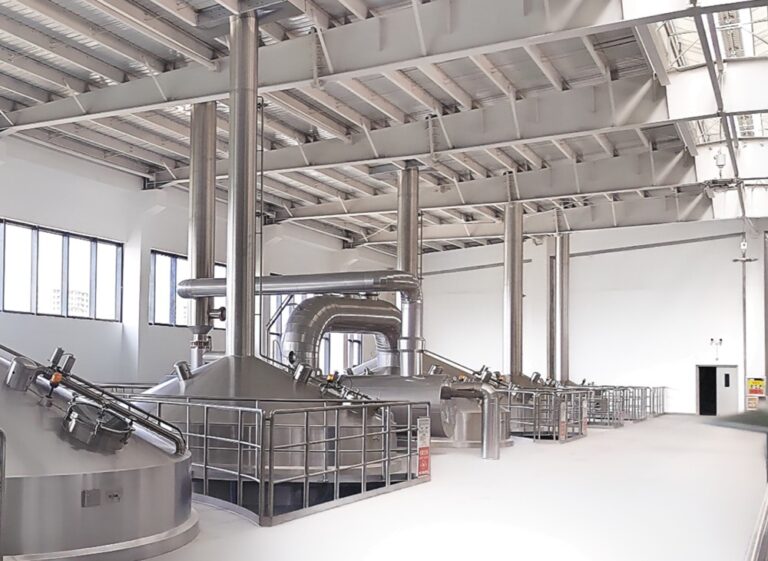
For commercial production, industrial Chibuku beer equipment usually includes a steam jacketed mash cooker or cereal cooking tank. Steam heating provides fast and uniform heating, while the agitator prevents sedimentation and burning.
After starch gelatinization, malted sorghum can be added to provide natural enzymes. These enzymes convert the gelatinized starch into fermentable sugars.
This stage is one of the most important steps in the African beer brewing process, because temperature, mixing speed, and holding time directly affect sugar conversion and final product quality.
3. Wort Preparation and Cooling
After mashing and cooking, the mixture contains fermentable sugars, proteins, fiber, and suspended grain particles.
Unlike conventional lager beer, opaque beer production does not require complete clarification. The suspended solids are part of the traditional Chibuku product characteristics and contribute to its thick body and nutritional value.
The mash is transferred through cooling equipment or a heat exchanger to reduce the temperature to a suitable level for fermentation.
Modern industrial systems can use automatic temperature control to ensure stable and repeatable production conditions.
4. Fermentation in a Sorghum Fermentation Tank
The cooled mash is transferred into a sorghum fermentation tank, where yeast or selected fermentation microorganisms are introduced.
During fermentation, sugars are converted into alcohol, carbon dioxide, organic acids, and flavor compounds. The fermentation process also creates the characteristic slightly sour flavor associated with Chibuku.
Depending on the production recipe and environmental conditions, fermentation may take from one to several days.
Industrial breweries usually use stainless steel fermentation vessels equipped with cooling jackets, temperature sensors, CIP cleaning systems, and automatic control valves.
A properly designed sorghum fermentation tank helps maintain stable fermentation temperatures and improves product consistency.
5. Blending and Product Adjustment
After fermentation, the Chibuku beer may be transferred to a blending tank for final adjustment.
Depending on the recipe, producers may adjust:
- Alcohol content
- Consistencia del producto
- Extract content
- Acidez
- Sabor
- Final volume
In large-scale industrial Chibuku beer production, blending tanks allow breweries to standardize the product before packaging.
Since Chibuku is an opaque beverage, complete filtration is generally unnecessary. Maintaining the correct amount of suspended solids is important for achieving the traditional appearance and mouthfeel.
6. Pasteurization and Packaging
Depending on the desired shelf life, the finished beer may be pasteurized before filling.
A flash pasteurizer or tunnel pasteurizer can be used to improve microbiological stability and extend product shelf life.
The finished product can be packaged in:
- Botellas PET
- Plastic containers
- Cartons
- Pouches
- Other suitable food-grade packaging
For commercial breweries, a complete packaging line may include bottle rinsing, filling, capping, labeling, date coding, and secondary packaging equipment.
Complete Chibuku Beer Brewing Equipment
Un moderno industrial Chibuku beer production line may include the following equipment:
- Grain cleaning and milling system
- Maize and sorghum conveying system
- Mash cooker
- Sorghum mashing tank
- Sistema de refrigeración
- Sorghum fermentation tank
- Blending tank
- Sistema de pasteurización
- Sistema de limpieza CIP
- Línea de llenado y envasado
Profesional sorghum brewing equipment can significantly improve production efficiency while maintaining the traditional characteristics of African opaque beer.
Conclusión
Chibuku beer brewing combines traditional African brewing methods with modern industrial technology. The process mainly involves grain milling, mashing, starch gelatinization, enzymatic conversion, cooling, fermentation, blending, pasteurization, and packaging.
With the increasing demand for African traditional beer, modern traditional beer brewing equipment and automated production systems are becoming increasingly important. A professionally designed Chibuku beer equipment system can help breweries achieve higher production capacity, improved sanitation, stable product quality, and lower labor requirements.
For investors and beverage manufacturers planning industrial Chibuku beer production, selecting the right sorghum brewing equipment is essential for building an efficient and reliable production line while preserving the authentic characteristics of this unique African beverage.
If you are interested in any Chibuku beer brewery equipment, please feel free to contact us:
Ivy Liang(Directora de Ventas)
Correo electrónico: [email protected]