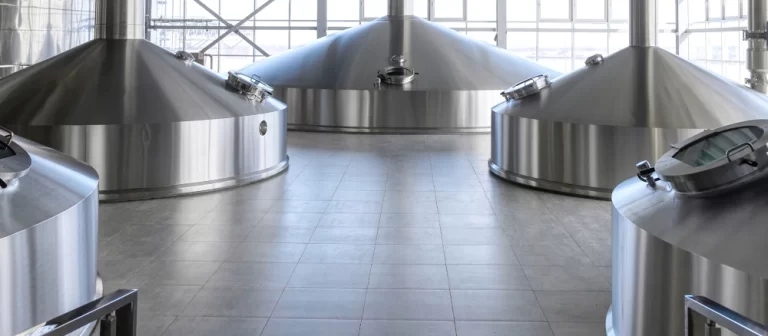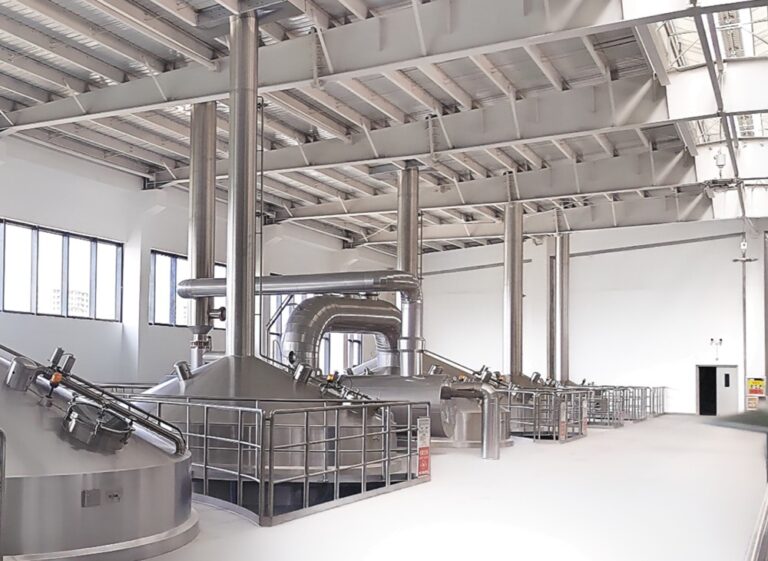
Brasser une excellente bière à partir de moût concentré
Pour créer une brasserie, il n'est pas toujours nécessaire de disposer d'une installation de brassage complète. De nombreuses brasseries artisanales, brasseries-restaurants, restaurants et entreprises du secteur des boissons optent pour moût concentré comme un moyen plus rapide et plus économique de produire une bière de grande qualité.
En utilisant du moût concentré fabriqué par des professionnels, les brasseurs peuvent se passer des étapes de brassage et de filtration tout en créant des bières uniques grâce à la fermentation, au houblonnage à froid, à l'ajout de fruits et au vieillissement.
Dans cet article, nous vous expliquerons ce qu’est le moût concentré, le processus de brassage et le matériel nécessaire pour mettre en place une chaîne de production efficace de bière à base de moût concentré.
Qu'est-ce que le moût concentré ?
Le moût concentré est un moût de brasserie frais qui a été évaporé sous vide afin d'en éliminer une grande partie de l'eau. Il contient généralement 65 à 80 °Brix d'extrait fermentable, ce qui facilite son transport et son stockage.
Avant la fermentation, le concentré est simplement dilué avec de l'eau de brassage traitée jusqu'à obtenir la densité initiale (OG) souhaitée.
Par rapport au brassage traditionnel à partir de malt, le moût concentré présente plusieurs avantages :
- Aucun broyage, brassage ni filtration n'est nécessaire
- Baisse des investissements dans les équipements de brassage
- Des cycles de production plus rapides
- Besoins en main-d'œuvre réduits
- Une qualité constante du moût
- Production facilement modulable
Cela en fait une solution idéale pour :
- Brasseries artisanales en phase de démarrage
- Brasseries
- Brasseries-restaurants
- Installations de brassage à façon
- Production saisonnière de bière
- Production de bière destinée à l'exportation
Processus technologique
Le processus de fabrication est bien plus simple que celui du brassage traditionnel.
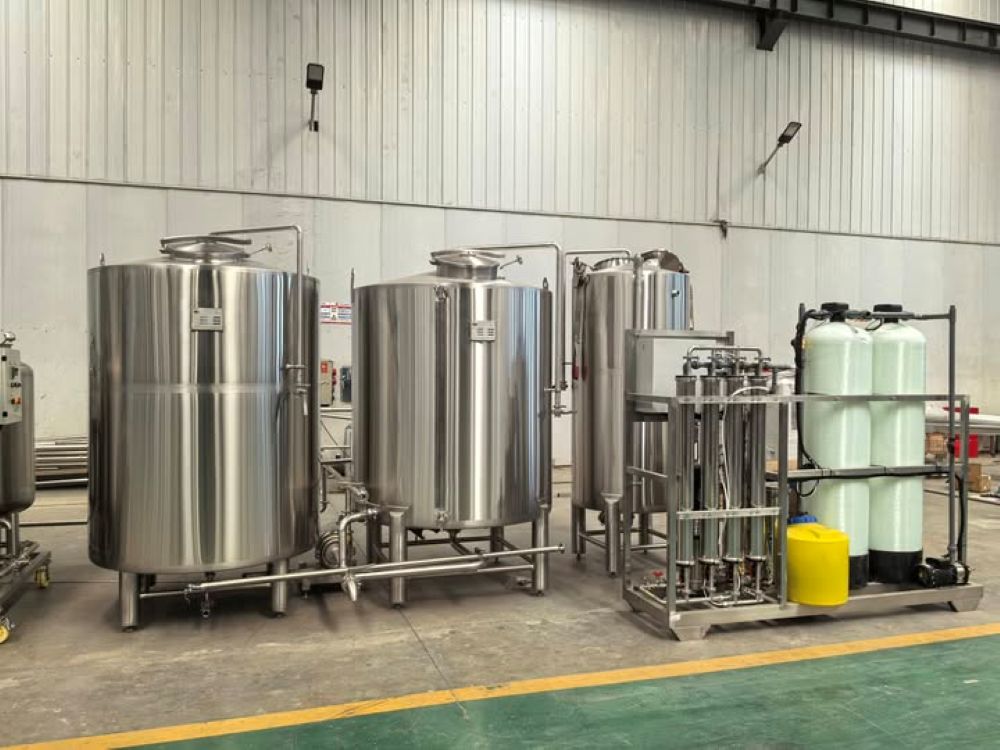
Étape 1 : Traitement de l'eau
Une bonne bière commence par une bonne eau.
L'eau utilisée pour le brassage doit être filtrée et ajustée au profil minéral souhaité avant dilution.
Équipement typique :
- Filtre à sable
- Filtre à charbon actif
- Adoucisseur d'eau (si nécessaire)
- Osmose inverse (en option)
- Stérilisateur UV
Étape 2 : Dilution du moût
Le moût concentré est pompé dans une cuve de mélange.
On ajoute de l'eau de brassage purifiée conformément à la recette de la bière souhaitée jusqu'à ce que la densité initiale souhaitée soit atteinte.
Pendant le mélange :
- Une agitation continue garantit une concentration homogène.
- La densité est vérifiée à l'aide d'un réfractomètre ou d'un densitomètre.
- Le pH peut être ajusté si nécessaire.
Étape 3 : Chauffage du moût
Le moût dilué est chauffé à environ 95–100 °C.
Le chauffage remplit plusieurs fonctions :
- Stérilisation
- Dissoudre complètement le concentré restant
- Préparation des ajouts de houblon
Le chauffage à la vapeur est couramment utilisé pour son rendement élevé.
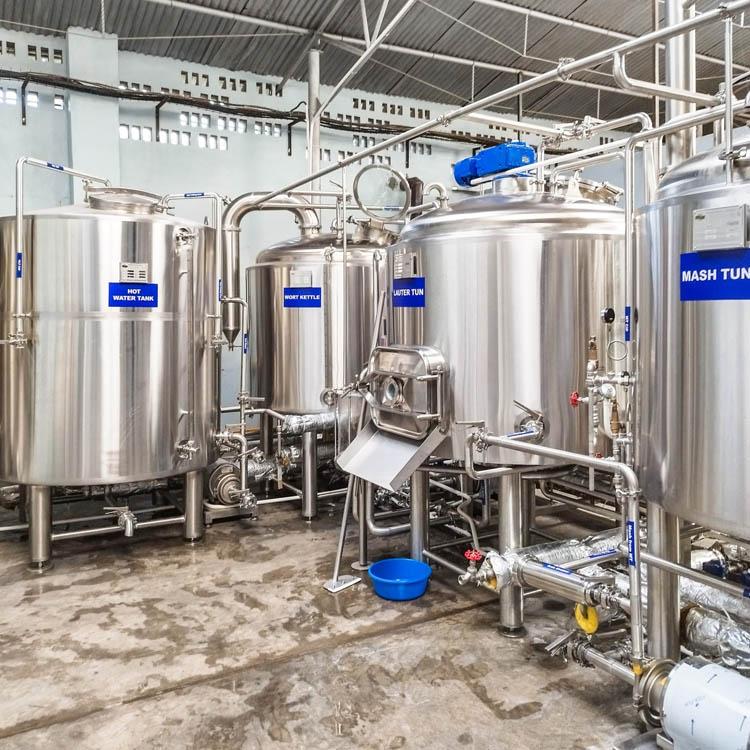
Étape 4 : Ébullition du houblon (facultatif)
Si l'on souhaite obtenir davantage d'amertume ou d'arôme, on peut ajouter du houblon lors d'une brève phase d'ébullition.
Durée d'ébullition habituelle :
- 20 à 60 minutes
Ajouts facultatifs :
- Houblon aromatique
- Épices
- Herbes
- Écorce d'agrumes
- Extraits de fruits
Certaines brasseries sautent cette étape lorsque le moût concentré contient déjà suffisamment d'amertume due au houblon.
Étape 5 : Séparation par tourbillon
Une fois l'ébullition terminée, le moût est acheminé vers une cuve de tourbillonnement.
Cela supprime :
- Particules de houblon
- Coagulum protéique
- Trub
Un moût limpide améliore les performances de fermentation et la clarté de la bière finale.
Étape 6 : Refroidissement du moût
Le moût chaud traverse un échangeur de chaleur à plaques.
Températures de refroidissement habituelles :
- Bière : 18–22 °C
- Lager : 8 à 12 °C
L'eau froide ou le glycol assurent un refroidissement efficace tout en réduisant au minimum la consommation d'énergie.
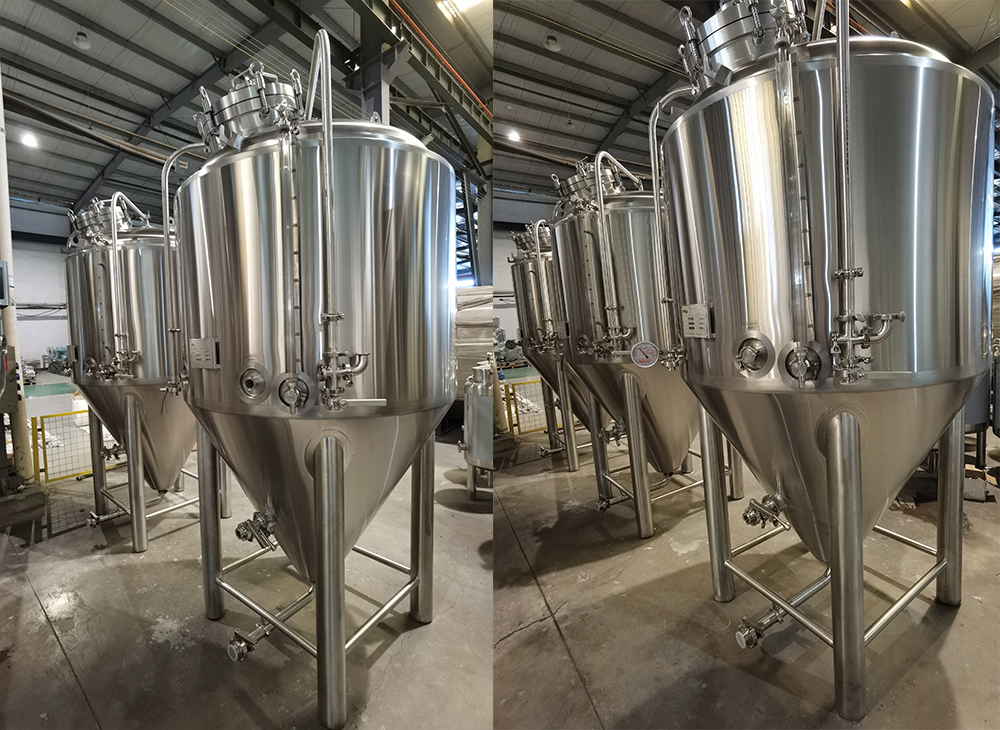
Étape 7 : Fermentation
Le moût refroidi est acheminé vers des cuves de fermentation en acier inoxydable.
La levure est ajoutée en fonction du style de bière choisi.
La fermentation dure généralement :
- Bière : 5 à 10 jours
- Lager : 10 à 21 jours
La température et la pression sont régulées automatiquement afin d'assurer une fermentation stable.
Il est également possible d'ajouter des ingrédients facultatifs :
- Houblonnage à sec
- Purée de fruits
- Café
- Chérie
- Épices
Étape 8 : Maturation
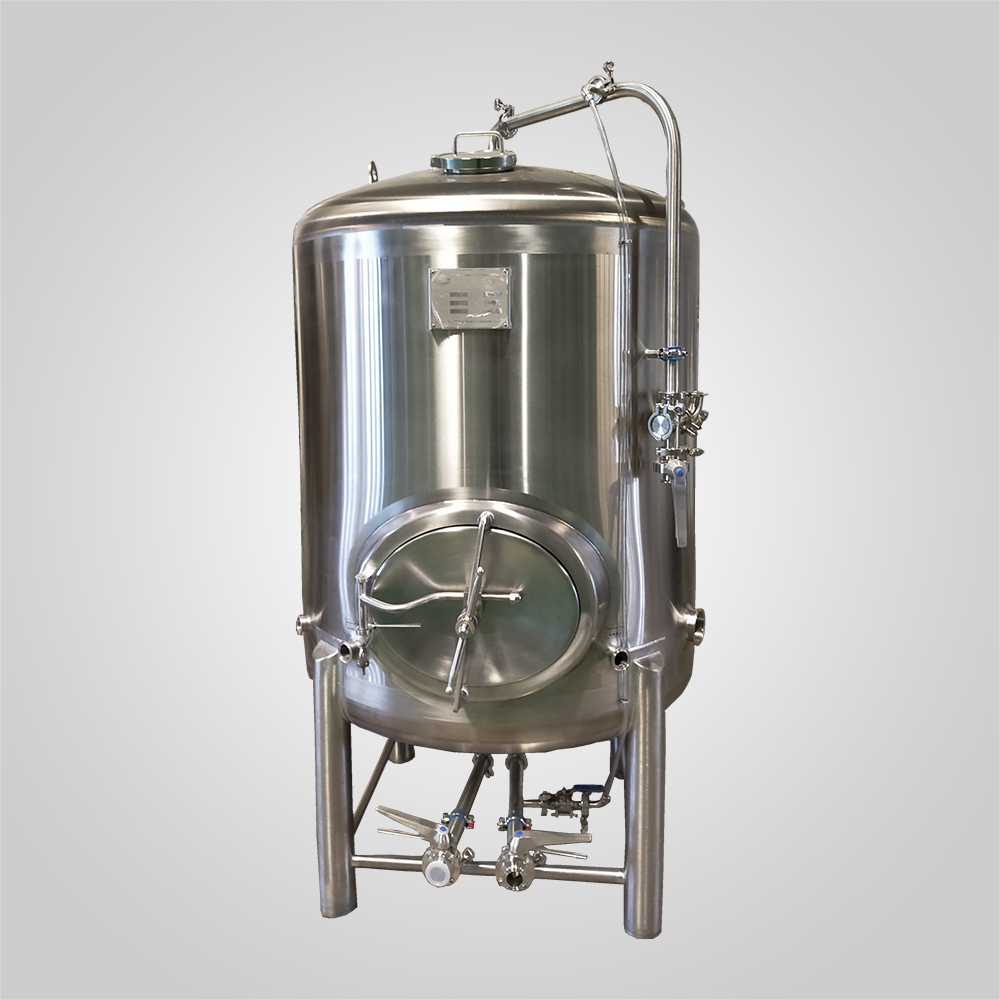
Après la fermentation primaire, la bière est mise en maturation.
Cette étape permet d'améliorer :
- Stabilité de l'arôme
- La carbonatation
- Clarté
- Sensation en bouche
Les températures de maturation à froid sont généralement les suivantes :
- 0–2 °C
Durée :
- De 5 à 30 jours selon le type de bière.
Étape 9 : Filtration (facultative)
Selon le type de bière souhaité, on peut recourir à la filtration.
Les options disponibles sont les suivantes :
- Filtre à plaques
- Filtre DE
- Filtre à membrane
De nombreuses brasseries artisanales renoncent à la filtration pour les bières troubles.
Étape 10 : Carbonatation
La bière est gazéifiée par :
- Carbonatation naturelle
- Carbonatation forcée au CO₂
Le niveau de gazéification est adapté en fonction du type de bière.
Étape 11 : Emballage
La bière finie peut être conditionnée sous les formes suivantes :
- Bouteilles en verre
- Canettes en aluminium
- Fûts en acier inoxydable
Les options d'emballage comprennent
- Ligne de remplissage automatique de bouteilles
- Ligne de remplissage de boîtes de conserve
- Machine de remplissage de fûts
Matériel nécessaire
Une brasserie utilisant du moût concentré nécessite nettement moins de machines qu'une brasserie traditionnelle.
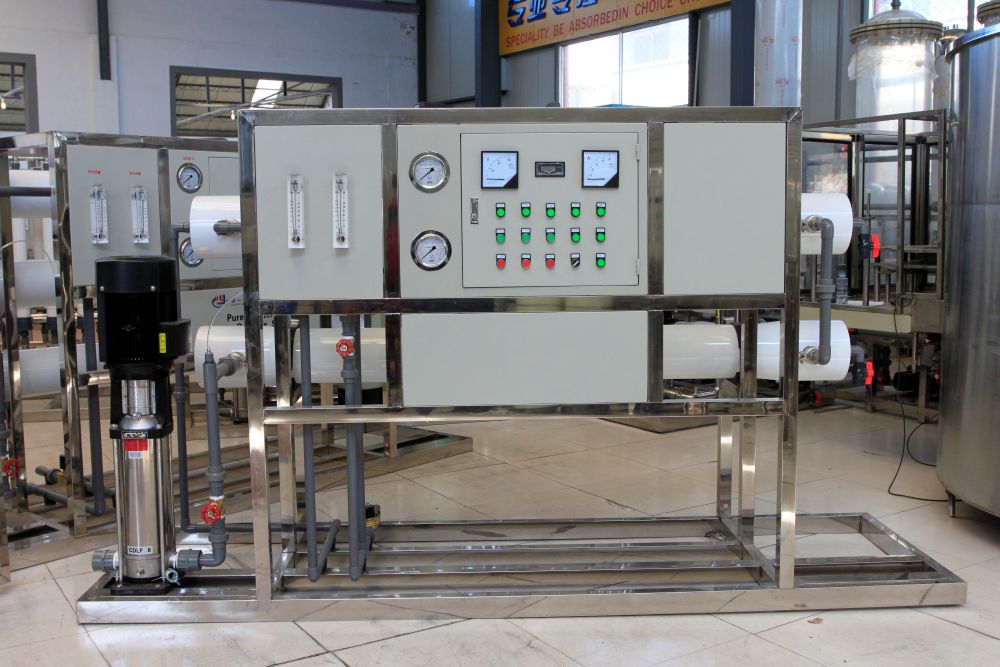
1. Système de traitement de l'eau
Permet d'obtenir une eau stable pour la préparation du café.
2. Cuve de mélange du moût
Pour la dilution et l'homogénéisation du moût concentré.
Caractéristiques :
- Agitateur
- Capteurs de force (en option)
- Surveillance de la température
- Boule de pulvérisation CIP
3. Cuve de chauffage du moût (en option)
Utilisé pour la stérilisation et le brassage du houblon.
Il est recommandé d'opter pour une conception à double enveloppe à vapeur.
4. Cuve à remous (en option)
Sépare les résidus de « hot break » et de houblon.
5. Échangeur de chaleur à plaques
Permet de refroidir rapidement le moût avant la fermentation.
6. Cuve de culture de levure (en option)
Fournit des levures saines pour une fermentation homogène.
7. Cuves de fermentation
Le cœur de la brasserie.
Les caractéristiques comprennent
- Enveloppe de refroidissement au glycol
- Conception résistante à la pression
- Contrôle automatique de la température
- Système de nettoyage CIP
- Valve d'échantillonnage
- Capacité de carbonatation
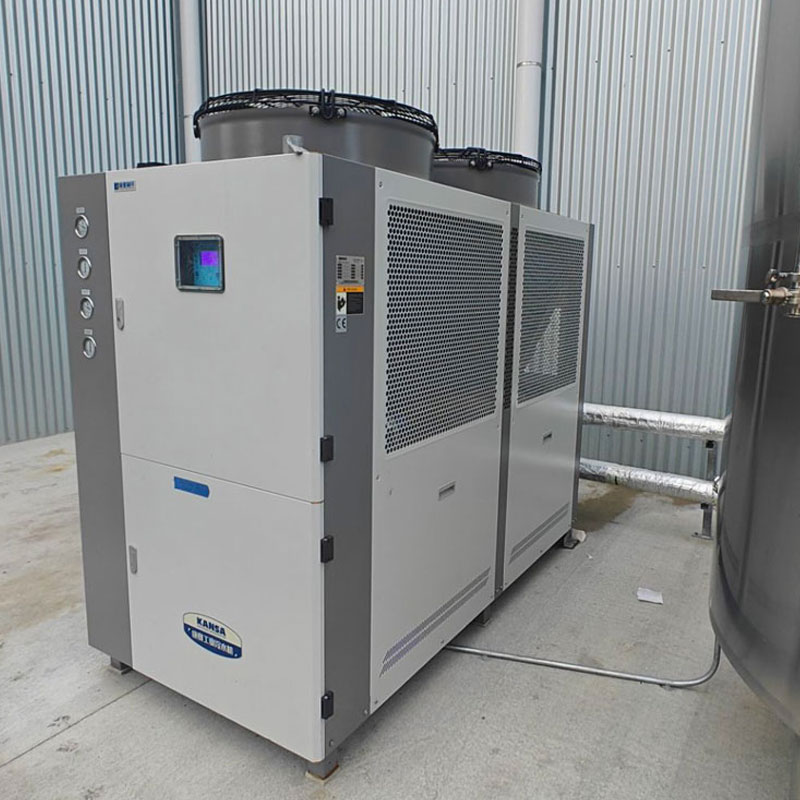
8. Système de refroidissement au glycol
Comprend :
- Réservoir d'eau glycolée
- Refroidisseur
- Pompe de circulation
Permet de maintenir des températures de fermentation précises.
9. Système de nettoyage CIP
Garantit une production hygiénique grâce à un nettoyage automatique.
Configuration typique :
- Réservoir de produits caustiques
- Réservoir d'acide
- Chauffe-eau (en option)
- Pompes
- Vannes de régulation
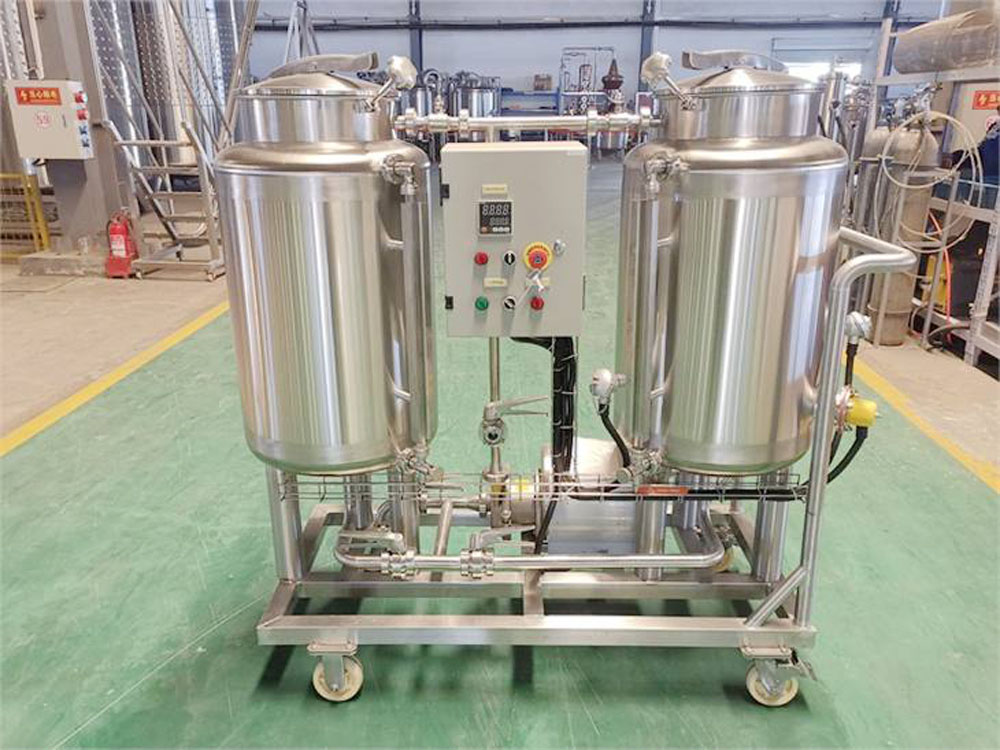
10. Cuve de clarification de la bière (en option)
Utilisé pour :
- La carbonatation
- Conservation de la bière
- Mélange
- Dernière vérification avant le conditionnement
11. Système de filtration de la bière (en option)
Sélectionnés en fonction du type de bière et des exigences en matière de durée de conservation.
12. Système de remplissage
Disponible pour :
- Bouteilles
- Boîtes de conserve
- Fûts
Il est possible de choisir entre des solutions automatiques ou semi-automatiques en fonction de la capacité de production.
Avantages du brassage avec du moût concentré
Par rapport au brassage traditionnel « tout grain », le moût concentré présente de nombreux avantages :
- Investissement initial moindre
- Encombrement réduit
- Mise en route plus rapide de la production
- Cycles de brassage plus courts
- Réduction de la consommation d'énergie
- Réduction des coûts de main-d'œuvre
- Une qualité constante du moût
- Développement flexible de recettes
- Extension aisée de la capacité de production
Ce modèle convient particulièrement aux brasseries qui souhaitent se concentrer sur la fermentation, l'innovation en matière de recettes et le développement de leur marque plutôt que sur la production de moût.
TIANTAI : solution complète et concentrée pour le brassage du moût
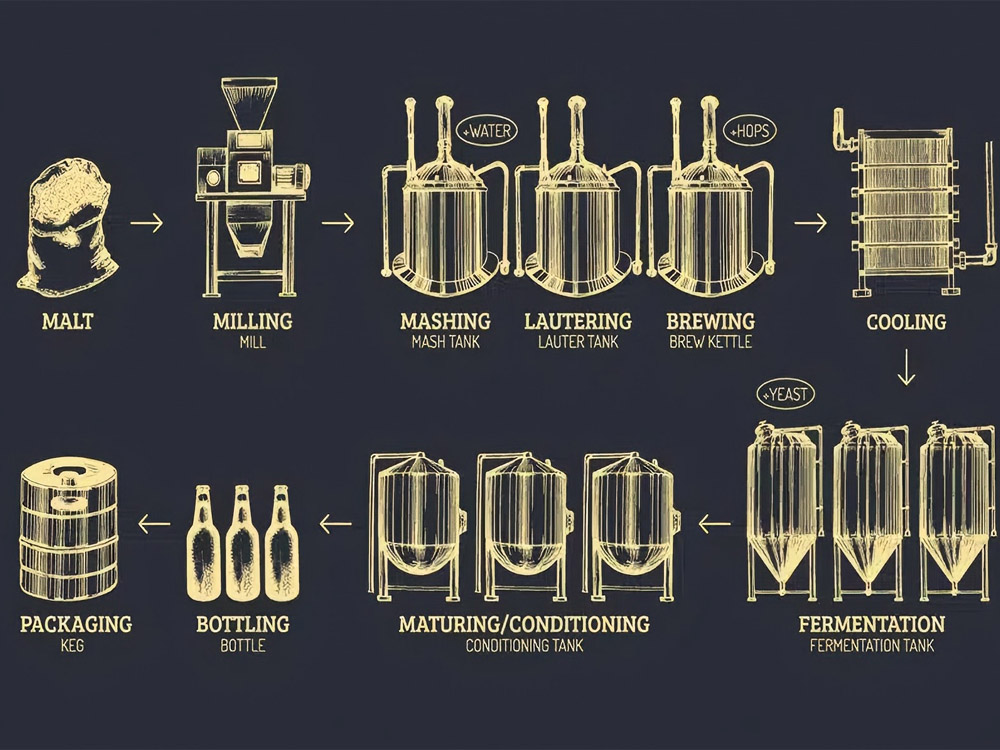
TIANTAI propose des solutions clés en main complètes pour les brasseries utilisant du moût concentré, notamment :
- Systèmes de traitement de l'eau
- Cuves de mélange du moût
- Cuves de chauffage et de mélange
- Échangeurs de chaleur à plaques
- Cuves de fermentation
- Cuves à bière lumineuses
- Systèmes de refroidissement au glycol
- Systèmes de nettoyage CIP
- Systèmes de filtration de la bière
- Lignes de remplissage de bouteilles, de canettes et de fûts
- Systèmes de commande automatique à automates programmables (PLC)
- Conception de l'agencement d'une brasserie
- Installation et mise en service
- Formation technique et assistance après-vente
Que vous lanciez une petite brasserie artisanale ou que vous vous lanciez dans la production commerciale, TIANTAI peut vous proposer une solution complète et sur mesure de brassage à base de moût concentré, adaptée à votre capacité de production, à votre budget et à vos styles de bière.
Réflexions finales
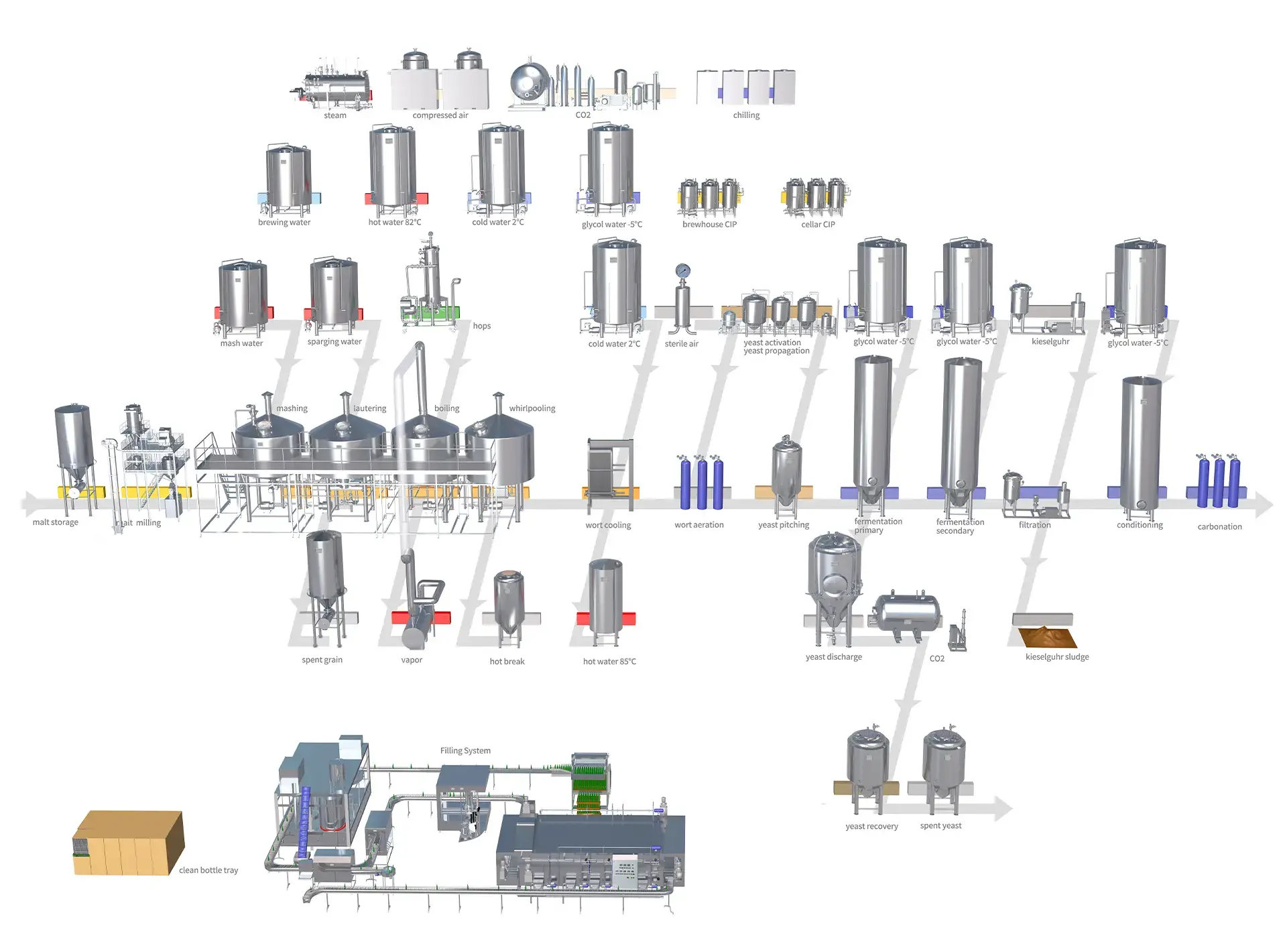
L'utilisation de moût concentré constitue un moyen efficace et économique de produire une bière de grande qualité sans avoir à investir dans une installation de brassage complète. En supprimant les étapes de brassage et de filtration, les brasseries peuvent réduire considérablement leurs coûts d'équipement, gagner de la place et raccourcir les délais de production, tout en conservant une excellente qualité de bière.
Grâce à une technologie de fermentation adaptée et à un équipement de brassage professionnel, le brassage à partir de moût concentré offre aux start-ups, aux brasseries-restaurants et aux brasseries en pleine expansion une solution flexible leur permettant de pénétrer le marché rapidement et en toute confiance.
Édité par Daisy : [email protected]