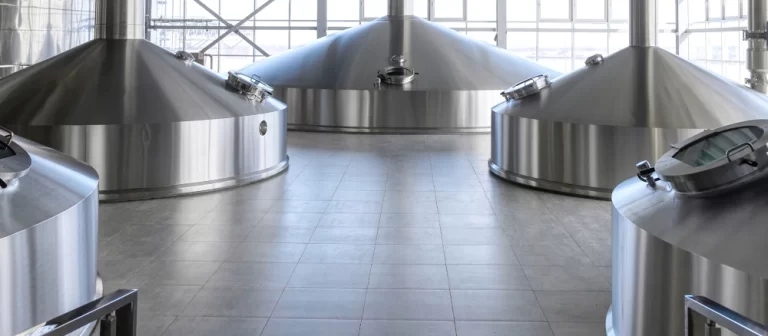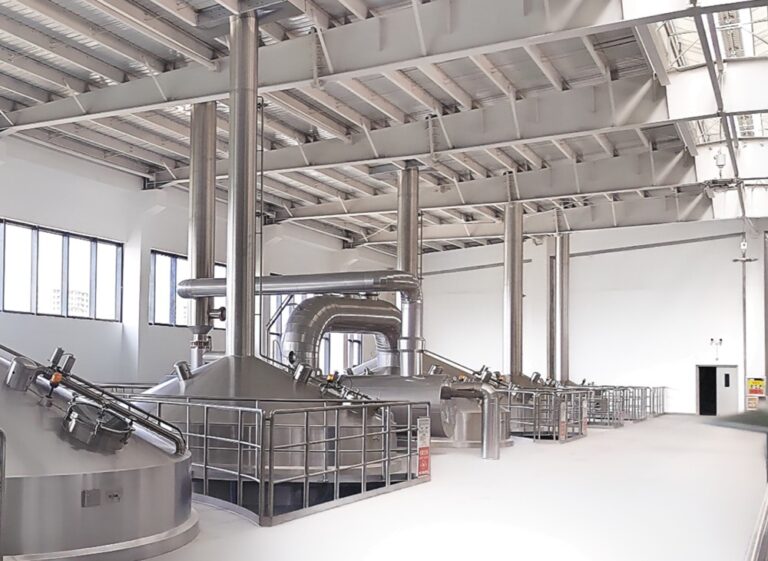
Le cidre est l’une des boissons alcoolisées à base de fruits les plus populaires au monde ; il est principalement élaboré à partir de pommes fraîches grâce à un processus de fermentation contrôlé. Face à la demande croissante en boissons artisanales, de nombreuses brasseries et entreprises de production de boissons investissent dans matériel de fabrication de cidre et terminer chaînes de production de cidre afin d'élargir leur gamme de produits. Il est essentiel de bien comprendre le processus de fabrication du cidre et le matériel nécessaire pour quiconque envisage de se lancer dans le secteur du cidre.nn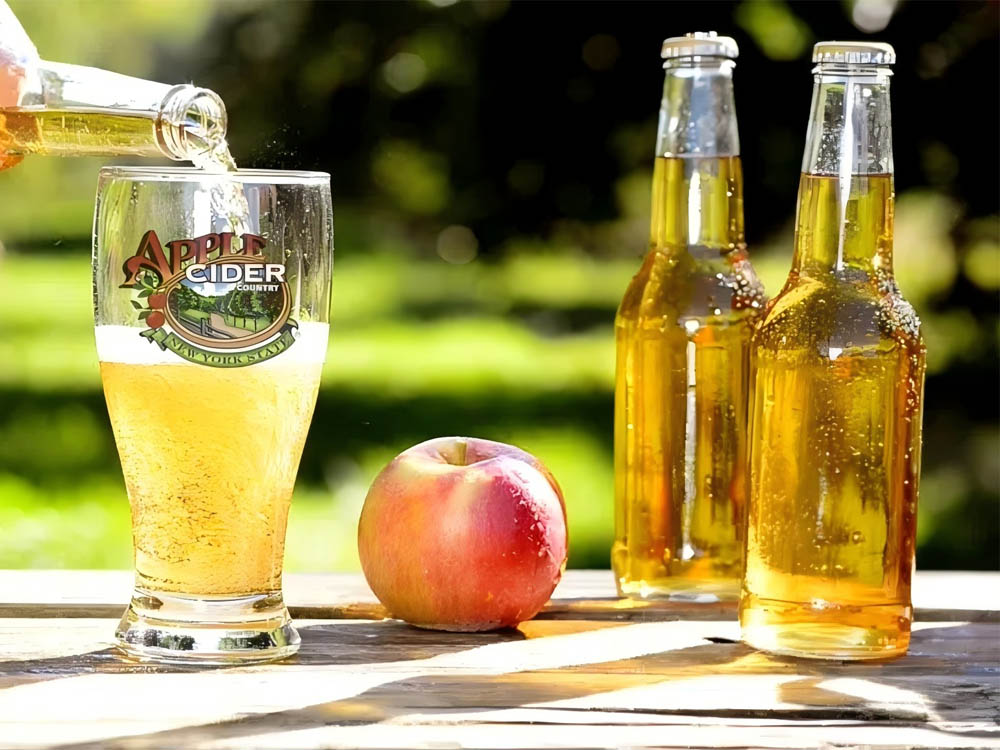 n
n
I : Le processus de fabrication du cidre
nLa fabrication du cidre commence par la sélection de pommes de grande qualité. Les différentes variétés de pommes apportent au produit final des saveurs, des arômes et des niveaux d’acidité qui lui sont propres. Une fois les pommes récoltées, elles sont soigneusement lavées afin d’éliminer la saleté, les feuilles et autres impuretés.nnLes pommes nettoyées sont ensuite broyées et pressées pour en extraire le jus. Ce jus de pomme frais constitue la matière première principale de la production de cidre. En fonction du profil aromatique souhaité, les producteurs peuvent assembler des jus issus de différentes variétés de pommes avant la fermentation.nnAprès l’extraction du jus, celui-ci est souvent clarifié et pasteurisé afin d’améliorer sa stabilité et d’éliminer les micro-organismes indésirables. Le jus est ensuite refroidi à la température optimale de fermentation, puis transféré dans un cuve de fermentation du cidre.nnOn ajoute de la levure pour transformer les sucres naturels du jus de pomme en alcool et en dioxyde de carbone. La fermentation dure généralement entre une et trois semaines, selon le type de cidre, la souche de levure et la température de fermentation. Au cours de cette étape, un contrôle rigoureux de la température est essentiel pour préserver les arômes fruités et garantir une qualité constante du produit.nnAprès la fermentation primaire, le cidre peut subir une maturation ou un conditionnement. Ce processus de vieillissement permet aux arômes de se développer et de s'équilibrer. Certains producteurs de cidre laissent vieillir leurs produits pendant plusieurs mois afin d’obtenir davantage de complexité et de douceur.nnUne fois la maturation terminée, le cidre est filtré pour éliminer la levure et les particules en suspension. Une carbonatation supplémentaire peut être ajoutée si l’on souhaite obtenir un cidre pétillant. Enfin, le cidre fini est conditionné en bouteilles, en canettes ou en fûts, puis préparé pour la distribution.n
II : Matériel indispensable pour la fabrication du cidre
nUn complet matériel de fabrication de cidre à usage professionnel Le système comprend généralement plusieurs éléments clés.n
1. Matériel de lavage et de tri des pommes
nCet équipement sert à nettoyer et à inspecter les pommes avant leur transformation. Un lavage adéquat garantit la sécurité du produit et améliore la qualité du jus.n
2. Broyeur et presse à pommes
nUn broyeur à pommes réduit les fruits en petits morceaux, tandis que le pressoir extrait efficacement le jus. Ces machines sont des éléments indispensables de toute matériel pour la fabrication du cidre de pomme configuration.n
3. Réservoirs de stockage et de mélange de jus
nLes cuves en acier inoxydable servent à stocker et à mélanger le jus de pomme avant la fermentation. Elles offrent un environnement hygiénique et contribuent à préserver l'uniformité du produit.n
4. Système de pasteurisation
nOn utilise généralement un pasteurisateur flash ou un pasteurisateur tubulaire pour réduire la contamination microbienne et prolonger la durée de conservation. Cette étape est particulièrement importante pour la production de cidre à l'échelle industrielle.n
5. Cuves de fermentation du cidre
nLe cuve de fermentation du cidre constituent le cœur du processus de production. Ces cuves en acier inoxydable sont équipées de chemises de refroidissement, de dispositifs de régulation de la température, de vannes de prélèvement et de systèmes de nettoyage CIP afin de garantir des conditions de fermentation optimales.n
6. Système de filtration
nLes équipements de filtration, notamment les filtres à plaques et cadres, les filtres à cartouches ou les filtres à membrane, sont utilisés pour clarifier le cidre et améliorer la stabilité du produit.n
7. Système de gazéification
nPour la production de cidre pétillant, une unité de gazéification injecte du dioxyde de carbone dans la boisson finie afin d'obtenir le niveau d'effervescence souhaité.n
8. Ligne de remplissage et de conditionnement de cidre
nUn complet chaîne d'embouteillage de cidre peuvent inclure des machines de rinçage des bouteilles, des machines de remplissage, des équipements de bouchage, des étiqueteuses et des systèmes de conditionnement. Les lignes automatisées modernes améliorent l'efficacité de la production et garantissent une qualité de conditionnement constante.n
III : Conclusion
Alors que l'intérêt des consommateurs pour les boissons artisanales ne cesse de croître, la production de cidre offre une opportunité commerciale intéressante. Une stratégie bien conçue matériel de fabrication de cidre Ce système permet aux producteurs de fabriquer des produits de haute qualité de manière efficace et constante. Du lavage des pommes à l'extraction du jus, en passant par la fermentation, la filtration et le conditionnement, chaque étape nécessite un équipement spécialisé afin de garantir la qualité du produit et le bon déroulement des opérations. Qu'il s'agisse d'une petite cidrerie artisanale ou d'une installation industrielle à grande échelle, investir dans le bon chaîne de production de cidre est la clé du succès d'une entreprise de cidre.nnSi vous êtes intéressé par du matériel destiné à la fabrication de cidre, à la brasserie, à la distillerie, à la vinification, etc., n'hésitez pas à nous contacter :nnIvy Liang (directrice commerciale)nnE-mail : [email protected]