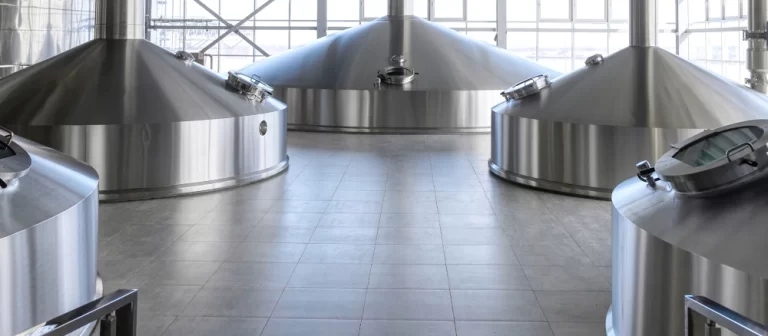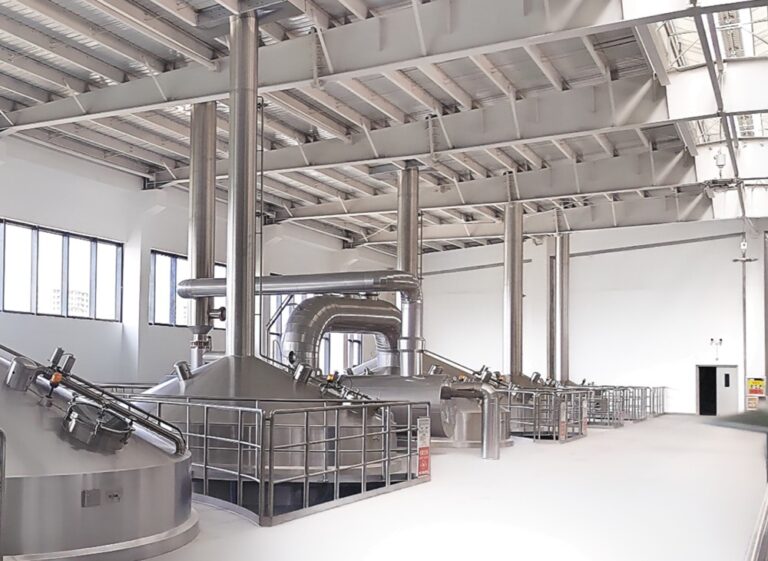
La bière au gingembre est une boisson rafraîchissante, épicée et naturellement gazéifiée qui a connu un immense succès sur le marché des boissons artisanales. Contrairement au ginger ale, la bière au gingembre traditionnelle est brassée par fermentation, ce qui lui confère un profil gustatif plus complexe, une gazéification naturelle et un potentiel probiotique.
Que vous soyez brasseur amateur, producteur de kombucha ou entrepreneur dans le secteur des boissons, il est essentiel de bien comprendre le processus de fabrication de la bière au gingembre pour obtenir un produit homogène et savoureux. Dans ce guide, nous vous expliquerons étape par étape comment fabriquer de la bière au gingembre.

Qu'est-ce que la bière au gingembre ?
La bière au gingembre est une boisson fermentée élaborée principalement à partir de :
- Gingembre frais
- Sucre
- L'eau
- Levure ou levain naturel
- Jus de citron ou de citron vert (facultatif)
La bière au gingembre traditionnelle se caractérise par un équilibre entre douceur, acidité, notes épicées et pétillant. Sa teneur en alcool peut varier d'une version sans alcool (<0,5% ABV) à des variétés alcoolisées, en fonction du contrôle de la fermentation.
Ingrédients principaux pour la fabrication de la bière au gingembre
1. Gingembre frais
Le gingembre est l'ingrédient principal qui détermine l'arôme, le piquant et l'intensité de la saveur.
Posologie recommandée :
- Saveur douce : 3 à 5 kg de gingembre / 100 L
- Saveur moyenne : 5 à 10 kg de gingembre / 100 L
- Saveur épicée prononcée : 10 à 20 kg de gingembre / 100 L
Le gingembre frais apporte généralement :
- Arôme épicé
- Sensation de chaleur en bouche
- Une fraîcheur aux notes d'agrumes
- Propriétés antimicrobiennes naturelles
Le gingembre fraîchement râpé ou pilé permet généralement une meilleure extraction.
2. Source de sucre
Le sucre fournit des glucides fermentables nécessaires à l'activité des levures.
Parmi les sucres courants, on trouve notamment :
- Sucre de canne blanc
- Sucre roux
- Sucre brut
- Chérie
- Mélasse
Concentration en sucre habituelle : 8 à 15 °Bx, en fonction de la douceur souhaitée et du degré d'alcool.
Une concentration en sucre plus élevée entraîne :
- Potentiel alcoolique plus élevé
- Silhouette plus généreuse
- Une douceur résiduelle plus prononcée
3. Qualité de l'eau
La qualité de l'eau a une incidence directe sur le goût des boissons.
L'eau idéale pour la préparation du café devrait présenter les caractéristiques suivantes :
- Faible teneur en chlore
- Profil minéral modéré
- Conditions microbiologiques optimales
Pour la production commerciale, il est souvent recommandé d'utiliser de l'eau filtrée ou traitée par osmose inverse.
4. Levure ou levain
Il existe deux méthodes de fermentation courantes.
Fermentation par la levure
La levure de boulangerie offre :
- Fermentation stable
- Une saveur prévisible
- Cycle de production plus rapide
Choix courants :
- Levure de bière
- Levure de vin
- Levure de champagne
Fermentation naturelle à base de « ginger bug »
Un “ ginger bug ” est une culture de levain naturelle composée de :
- Gingembre
- Sucre
- Micro-organismes sauvages
Avantages :
- Profil aromatique complexe
- Caractère artisanal traditionnel
- Potentiel probiotique naturel
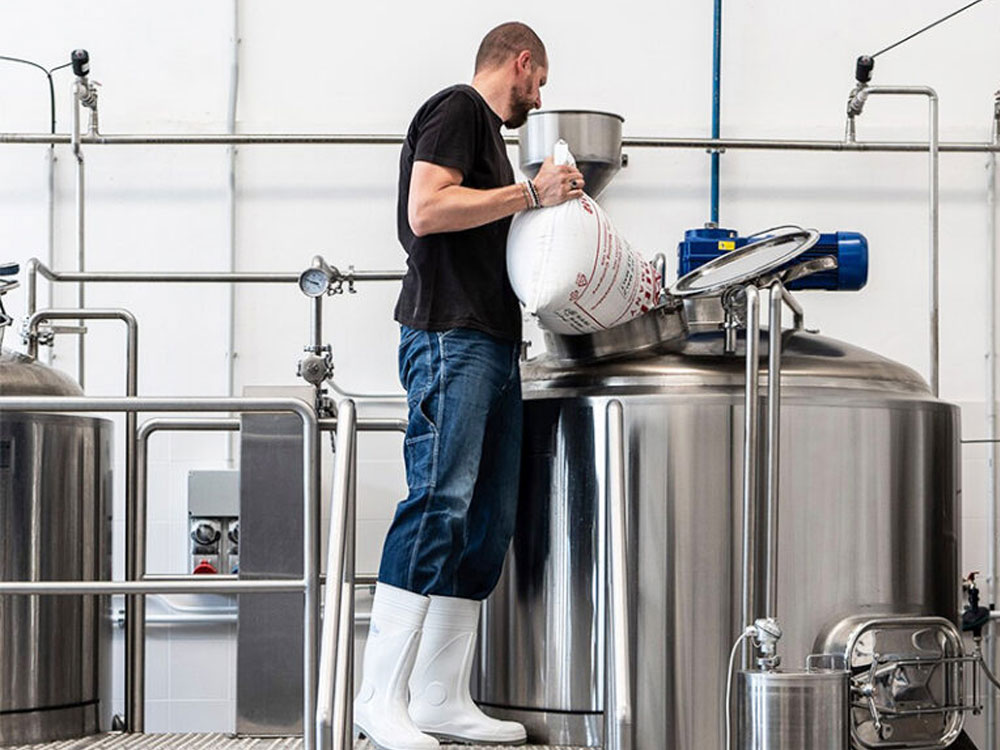
Processus de brassage de la bière au gingembre
Étape 1 : Préparation du gingembre
Lavez et nettoyez soigneusement le gingembre frais.
Options de traitement :
- Tranchage
- Broyage
- Broyage
- Grille
Une taille de particules plus fine améliore l'efficacité de l'extraction des arômes.
Étape 2 : Extraction du gingembre
Ajoutez le gingembre dans l'eau chaude.
Paramètres d'extraction types : Température : 70–95 °C
Durée : 20 à 60 minutes
Ce processus extrait :
- Gingérols
- Huiles essentielles
- Composés aromatiques
Une extraction plus longue renforce généralement le piquant et le corps. Une fois l'extraction terminée, les matières solides peuvent être éliminées par filtration.
Étape 3 : Ajout du sucre
Faites dissoudre le sucre dans l'extrait de gingembre.
Modifier les paramètres de la recette :
- Brix
- Acidité
- Équilibre des saveurs
Ajouts facultatifs :
- Jus de citron
- Jus de citron vert
- Herbes
- Purée de fruits
- Extraits botaniques
Étape 4 : Refroidissement
Avant la fermentation, le liquide doit être refroidi.
Température de fermentation habituelle : 18 à 28 °C, selon la souche de levure.
Un refroidissement adéquat préserve la santé des levures et réduit le risque de contamination.
Étape 5 : Fermentation
Transvasez le moût dans une cuve de fermentation.
Conditions de fermentation habituelles :
Température : 18-25°C
Délai : 1 à 7 jours
Au cours de la fermentation, la levure transforme le sucre en :
- Dioxyde de carbone
- Alcool
- Composés aromatiques
Le producteur peut interrompre la fermentation prématurément pour obtenir une bière au gingembre moins alcoolisée.
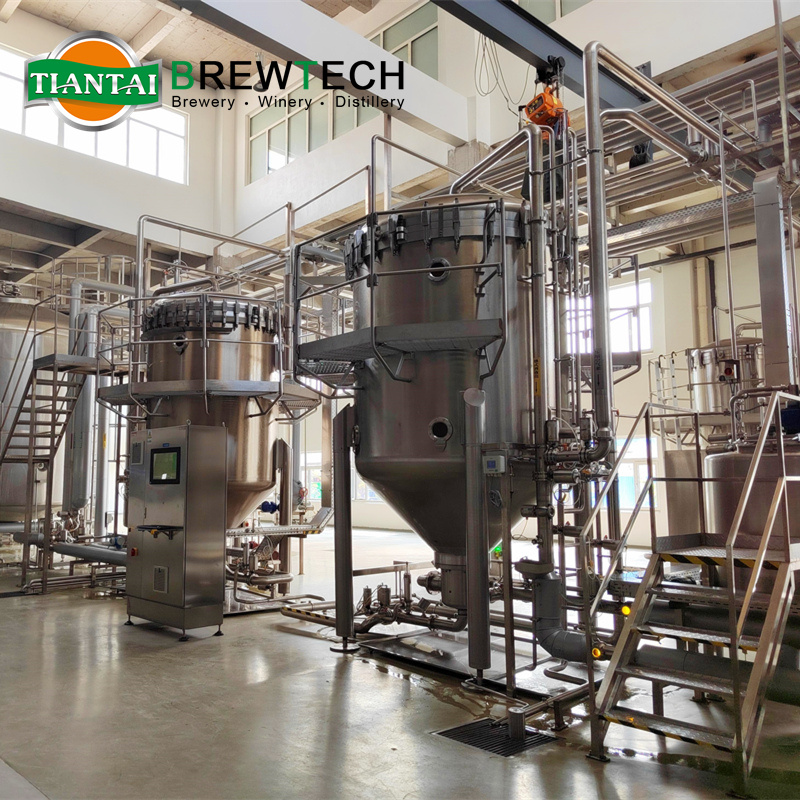
Étape 6 : Filtration et stabilisation
Après la fermentation, une clarification peut s'avérer nécessaire.
Options de traitement :
- Filtration sur sac
- Filtration sur cartouche
- Clarification centrifuge
Les producteurs commerciaux peuvent également présenter une demande :
- Pasteurisation
- Pasteurisation flash
- Filtration stérile
Ces méthodes améliorent la durée de conservation.
Étape 7 : Carbonatation et conditionnement
La bière au gingembre peut être conditionnée dans :
- Bouteilles en verre
- Canettes en aluminium
- Bouteilles en PET
- Fûts
Méthodes de gazéification : Carbonatation naturelle
Conditionnement en bouteille par fermentation résiduelle.
Carbonatation forcée
Injection de CO₂ à l'aide de cuves de maturation ou de systèmes de carbonatation.
La production industrielle recourt généralement à la carbonatation forcée afin d'obtenir une meilleure homogénéité.
Équipement pour la production industrielle de bière au gingembre
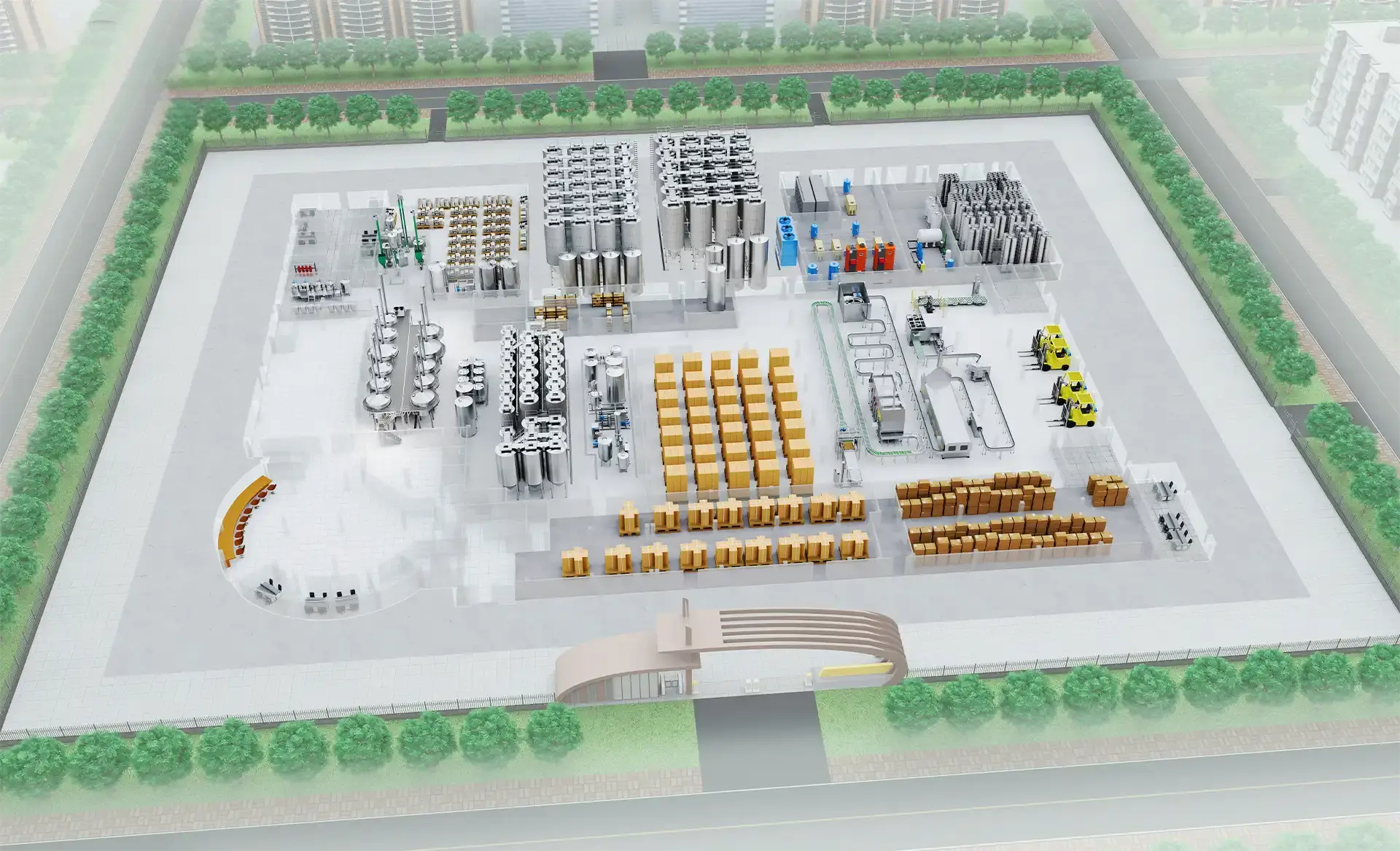
Pour la fabrication industrielle de bière au gingembre, le choix du matériel est déterminant.
Une chaîne de production type peut comprendre :
Système de brassage
Utilisé pour :
- Chauffage de l'eau
- Extraction du gingembre
- Dissolution du sucre
Réservoir de mélange
Utilisé pour :
- Mélange des ingrédients
- Mélange des ingrédients
- Ajustement de la saveur
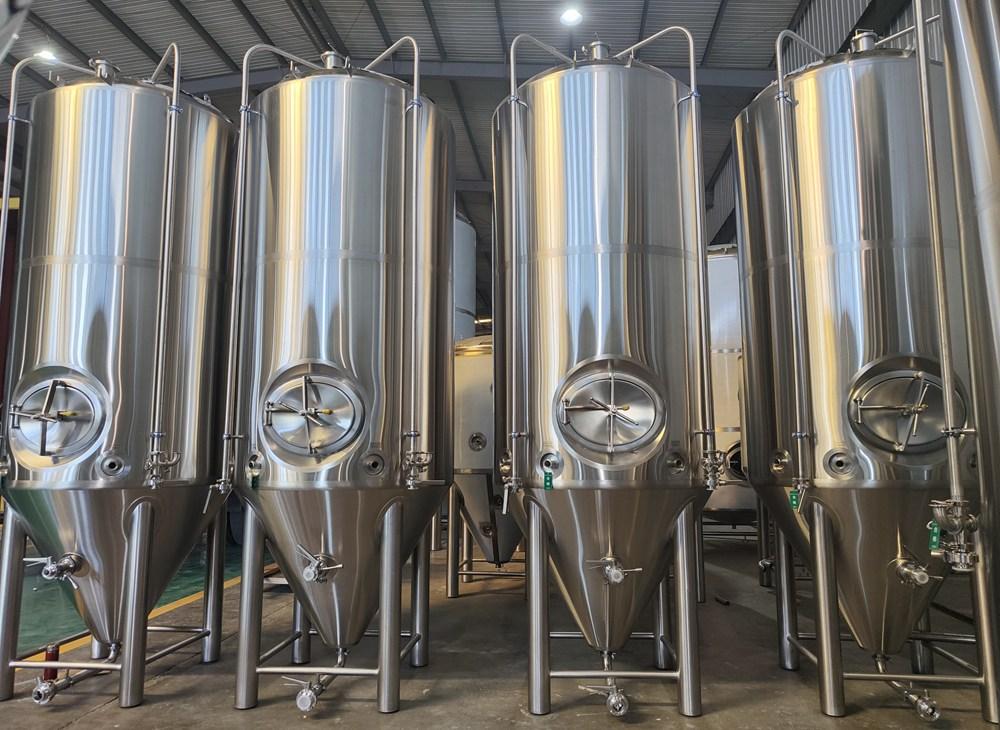
Réservoir de fermentation
Fonctions :
- Contrôle de la température
- Fermentation stable
- Environnement de production hygiénique
Système de filtration
À des fins de clarification et pour garantir la stabilité du produit.
Système de gazéification
Permet d'obtenir des niveaux de gazéification précis.
Ligne de remplissage et de conditionnement
Convient pour :
- Bouteilles
- Boîtes de conserve
- Fûts
♥Conseils pour réussir votre bière au gingembre
Équilibrer l'intensité du gingembre
Une quantité trop importante de gingembre peut entraîner une chaleur et une amertume excessives. Optimisez le dosage en procédant à des essais préliminaires.
Surveiller attentivement la fermentation
Une fermentation excessive peut entraîner :
- Consommation excessive d'alcool
- Saveur sèche
- Problèmes liés à la pression d'emballage
Veiller au respect des normes d'hygiène
La bière au gingembre contenant du sucre et faisant l'objet d'une fermentation active, le respect des normes d'hygiène est essentiel. Il est vivement recommandé de procéder à un nettoyage CIP adéquat et d'opter pour un équipement conçu dans le respect des normes d'hygiène.
Commencez par tester de petits lots
Avant de passer à la production à grande échelle, effectuez des essais en laboratoire ou à l'échelle pilote.
La bière au gingembre allie les qualités rafraîchissantes des boissons gazeuses à la complexité de la fermentation. Qu’elle soit produite sous forme de boisson artisanale sans alcool ou de boisson de spécialité à faible teneur en alcool, la bière au gingembre offre des opportunités passionnantes aux producteurs de boissons. En sélectionnant des ingrédients adaptés, en contrôlant les paramètres de fermentation et en utilisant un équipement de brassage fiable, les producteurs peuvent créer une bière au gingembre de haute qualité, offrant une excellente homogénéité gustative et un fort potentiel commercial. Si vous envisagez de monter un projet de brasserie de bière au gingembre, le choix d’un équipement de traitement et d’un système de fermentation adaptés aura un impact significatif sur l’efficacité de la production et la qualité du produit.
Édité par Daisy : [email protected]