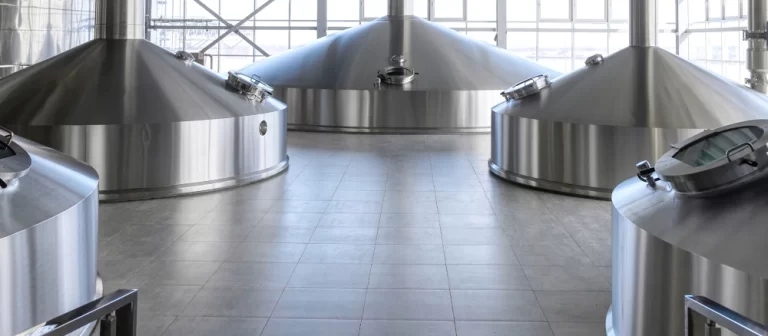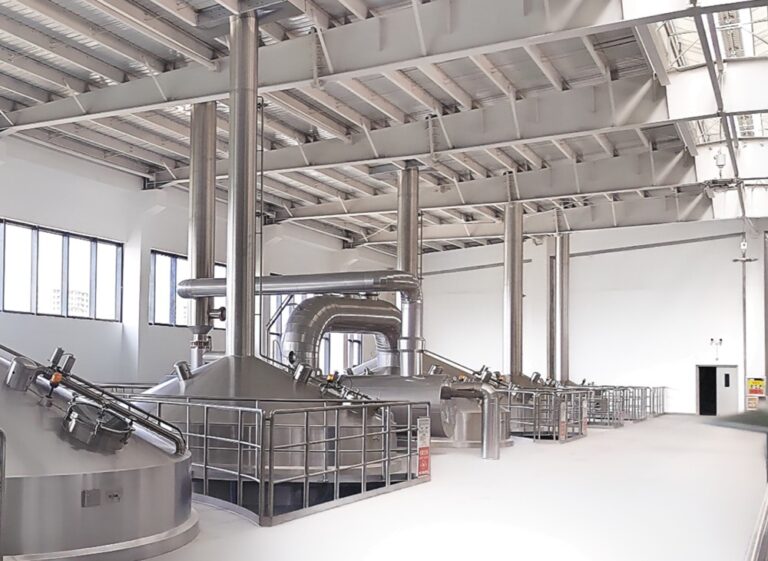
La cerveza de jengibre es una bebida refrescante, picante y con gas natural que ha ganado una enorme popularidad en el mercado de las bebidas artesanales. A diferencia del ginger ale, la cerveza de jengibre tradicional se elabora mediante fermentación, lo que le confiere un perfil de sabor más intenso, gas natural y propiedades probióticas.
Tanto si eres un elaborador casero, un productor de kombucha o un empresario del sector de las bebidas, conocer el proceso de elaboración de la cerveza de jengibre es fundamental para crear un producto consistente y sabroso. En esta guía, te explicaremos paso a paso cómo elaborar cerveza de jengibre.

¿Qué es la cerveza de jengibre?
La cerveza de jengibre es una bebida fermentada elaborada principalmente a partir de:
- Jengibre fresco
- Azúcar
- Agua
- Levadura o masa madre natural
- Zumo de limón o de lima (opcional)
La cerveza de jengibre tradicional presenta un equilibrio entre dulzor, acidez, sabor picante y gas. El contenido alcohólico puede variar desde las variedades sin alcohol (<0,5% de grado alcohólico) hasta las alcohólicas, dependiendo del control de la fermentación.
Ingredientes principales para elaborar cerveza de jengibre
1. Jengibre fresco
El jengibre es el ingrediente principal que determina el aroma, el picante y la intensidad del sabor.
Dosis recomendada:
- Sabor suave: 3–5 kg de jengibre / 100 L
- Sabor medio: 5–10 kg de jengibre / 100 L
- Sabor picante intenso: 10–20 kg de jengibre / 100 L
El jengibre fresco suele aportar:
- Aroma picante
- Sensación cálida en boca
- Frescura cítrica
- Propiedades antimicrobianas naturales
El jengibre recién rallado o triturado suele permitir una mejor extracción.
2. Fuente de azúcar
El azúcar aporta hidratos de carbono fermentables para la actividad de la levadura.
Entre las opciones habituales de azúcar se incluyen:
- Azúcar blanco de caña
- Azúcar morena
- Azúcar en bruto
- Cariño
- Melaza
Concentración típica de azúcar: 8-15 °Bx, dependiendo del grado de dulzor y del contenido alcohólico deseados.
Una mayor concentración de azúcar provoca:
- Mayor potencial alcohólico
- Cuerpo más voluminoso
- Más dulzor residual
3. Calidad del agua
La calidad del agua influye directamente en el sabor de las bebidas.
El agua ideal para preparar café debería tener:
- Bajo contenido en cloro
- Perfil mineral moderado
- Condiciones microbiológicas adecuadas
Para la producción comercial, suele recomendarse el uso de agua filtrada o tratada mediante ósmosis inversa.
4. Levadura o cultivo iniciador
Existen dos métodos habituales de fermentación.
Fermentación con levadura
La levadura comercial aporta:
- Fermentación estable
- Sabor previsible
- Ciclo de producción más rápido
Opciones habituales:
- Levadura de cerveza
- Levadura de vino
- Levadura de champán
Fermentación natural con «ginger bug»
Un “ginger bug” es un cultivo iniciador natural elaborado a partir de:
- Jengibre
- Azúcar
- Microorganismos silvestres
Ventajas:
- Perfil de sabor complejo
- Carácter artesanal tradicional
- Potencial probiótico natural
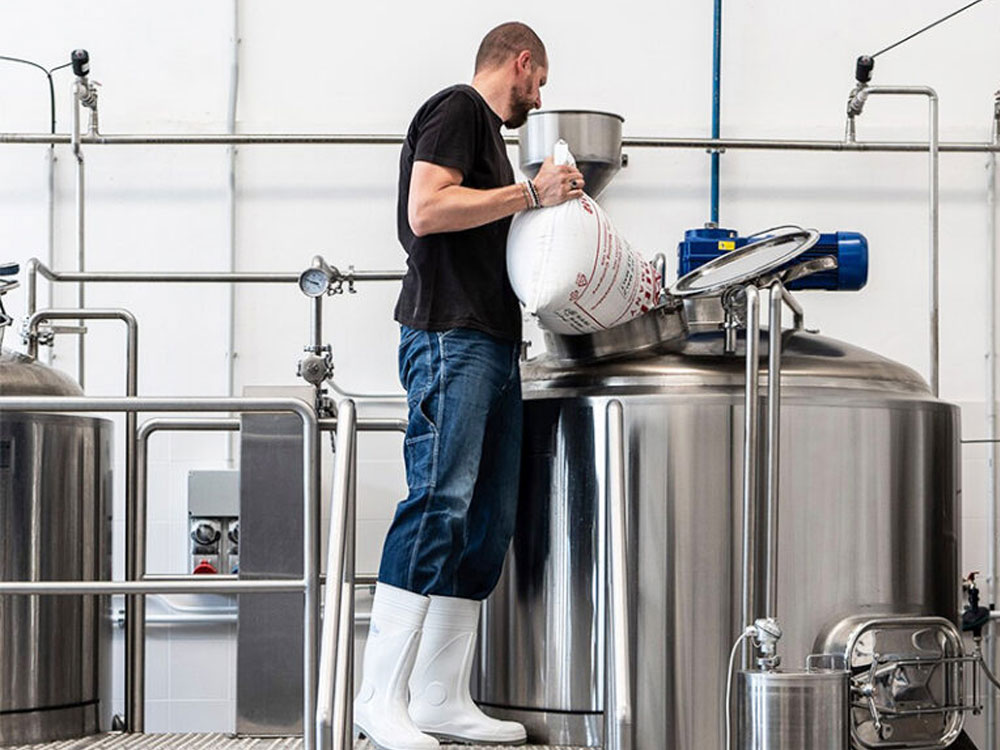
Proceso de elaboración de la cerveza de jengibre
Paso 1: Preparación del jengibre
Lava y limpia bien el jengibre fresco.
Opciones de procesamiento:
- Cortar en rodajas
- Trituración
- Rectificado
- Rejilla
Un tamaño de partícula más pequeño mejora la eficiencia en la extracción del sabor.
Paso 2: Extracción del jengibre
Añade jengibre al agua caliente.
Parámetros típicos de extracción: Temperatura: 70–95 °C
Duración: 20-60 minutos
Este proceso extrae:
- Gingeroles
- Aceites esenciales
- Compuestos aromáticos
Una extracción más prolongada suele aumentar el picante y el cuerpo. Tras la extracción, los sólidos pueden eliminarse mediante filtración.
Paso 3: Adición de azúcar
Disuelve el azúcar en el extracto de jengibre.
Ajustar los parámetros de la receta:
- Brix
- Acidez
- Equilibrio de sabores
Complementos opcionales:
- Zumo de limón
- Zumo de lima
- Hierbas
- Puré de fruta
- Extractos botánicos
Paso 4: Enfriamiento
Antes de la fermentación, hay que enfriar el líquido.
Temperatura típica de fermentación: entre 18 y 28 °C, dependiendo de la cepa de levadura.
Una refrigeración adecuada protege la salud de la levadura y reduce el riesgo de contaminación.
Paso 5: Fermentación
Vierte el mosto en un recipiente de fermentación.
Condiciones típicas de fermentación:
Temperatura: 18-25°C
Plazo: de 1 a 7 días
Durante la fermentación, la levadura transforma el azúcar en:
- Dióxido de carbono
- Alcohol
- Compuestos aromáticos
El fabricante puede detener la fermentación antes de tiempo para obtener una cerveza de jengibre con menor graduación alcohólica.
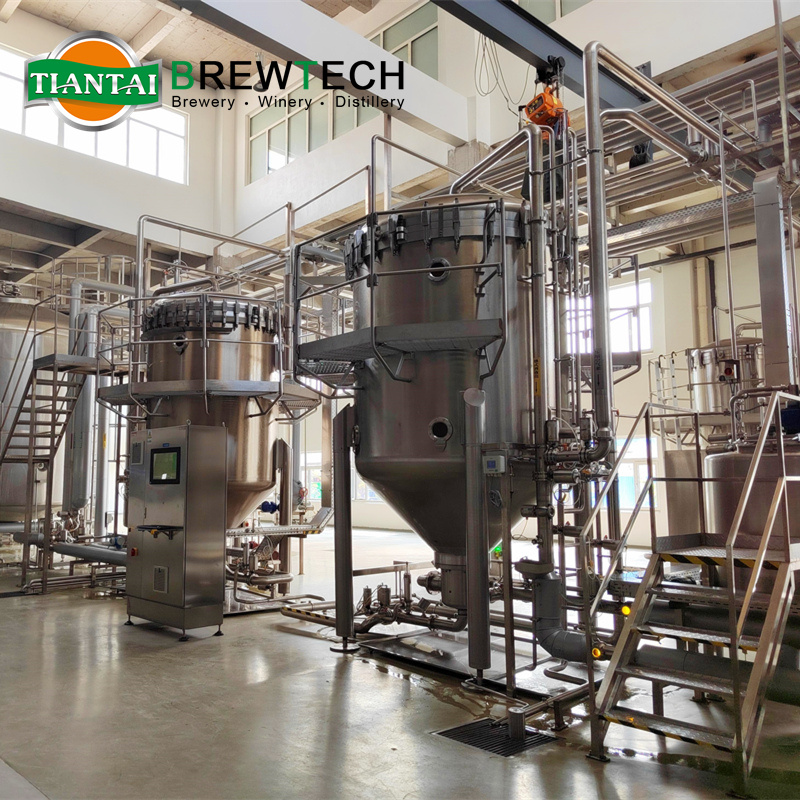
Paso 6: Filtración y estabilización
Tras la fermentación, puede ser necesario realizar una clarificación.
Opciones de procesamiento:
- Filtración por bolsa
- Filtración por cartucho
- Clarificación centrífuga
Los productores comerciales también pueden presentar su solicitud:
- Pasteurización
- Pasteurización flash
- Filtración estéril
Estos métodos mejoran la estabilidad de conservación.
Paso 7: Carbonatación y envasado
La cerveza de jengibre se puede envasar en:
- Botellas de vidrio
- Latas de aluminio
- Botellas PET
- Barriles
Métodos de carbonatación: Carbonatación natural
Acondicionamiento en botella mediante fermentación residual.
Carbonatación forzada
Inyección de CO₂ mediante depósitos de almacenamiento o sistemas de carbonatación.
En la producción comercial se suele recurrir a la carbonatación forzada para conseguir una mayor uniformidad.
Equipo para la producción comercial de cerveza de jengibre
Para la elaboración industrial de cerveza de jengibre, la elección del equipo es fundamental.
Una línea de producción típica puede incluir:
Sistema de elaboración de cerveza
Se utiliza para:
- Calentamiento de agua
- Extracción de jengibre
- Disolución del azúcar
Tanque de mezcla
Se utiliza para:
- Combinación de recetas
- Mezcla de ingredientes
- Ajuste del sabor
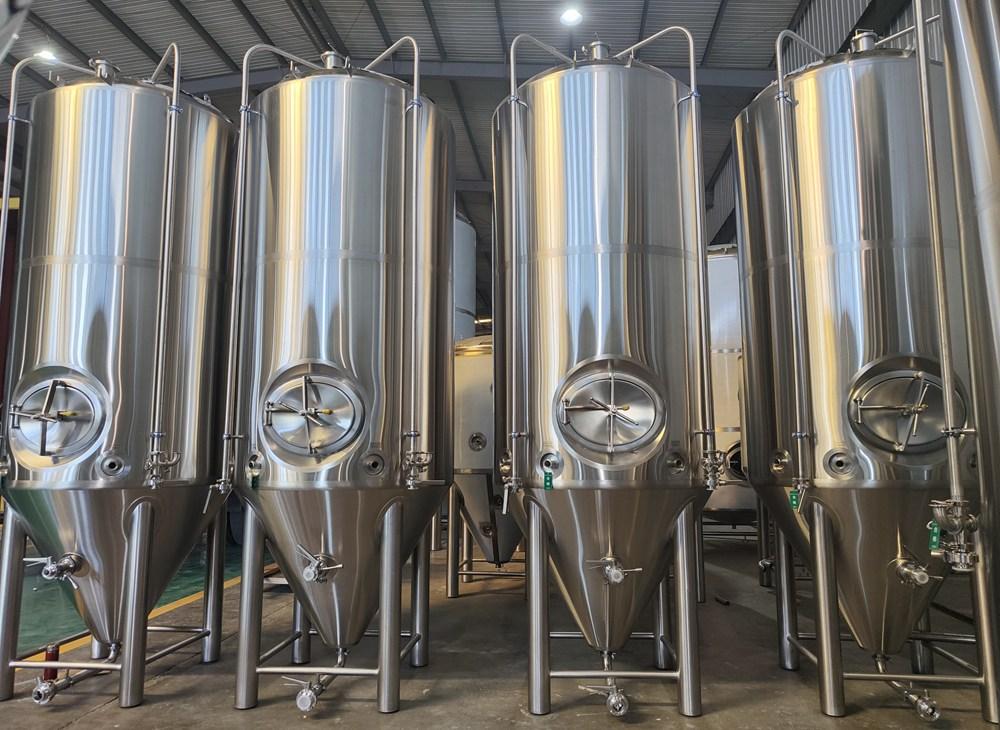
Tanque de fermentación
Funciones:
- Control de la temperatura
- Fermentación estable
- Entorno de producción higiénico
Sistema de filtración
Para mayor claridad y para garantizar la estabilidad del producto.
Sistema de carbonatación
Se utiliza para conseguir niveles precisos de carbonatación.
Línea de llenado y envasado
Adecuado para:
- Botellas
- Latas
- Barriles
♥Consejos para elaborar una mejor cerveza de jengibre
Equilibrar la intensidad del jengibre
Una cantidad excesiva de jengibre puede provocar un calor y un amargor excesivos. Optimiza la dosis mediante pruebas preliminares.
Controla la fermentación con cuidado
Una fermentación excesiva puede provocar:
- Consumo excesivo de alcohol
- Sabor seco
- Problemas relacionados con la presión del embalaje
Mantener las condiciones de higiene
Dado que la cerveza de jengibre contiene azúcar y se produce mediante fermentación activa, la higiene es fundamental. Se recomienda encarecidamente llevar a cabo una limpieza CIP adecuada y utilizar equipos diseñados según criterios higiénicos.
Prueba primero con lotes pequeños
Antes de ampliar la producción, realiza ensayos de laboratorio o a escala piloto.
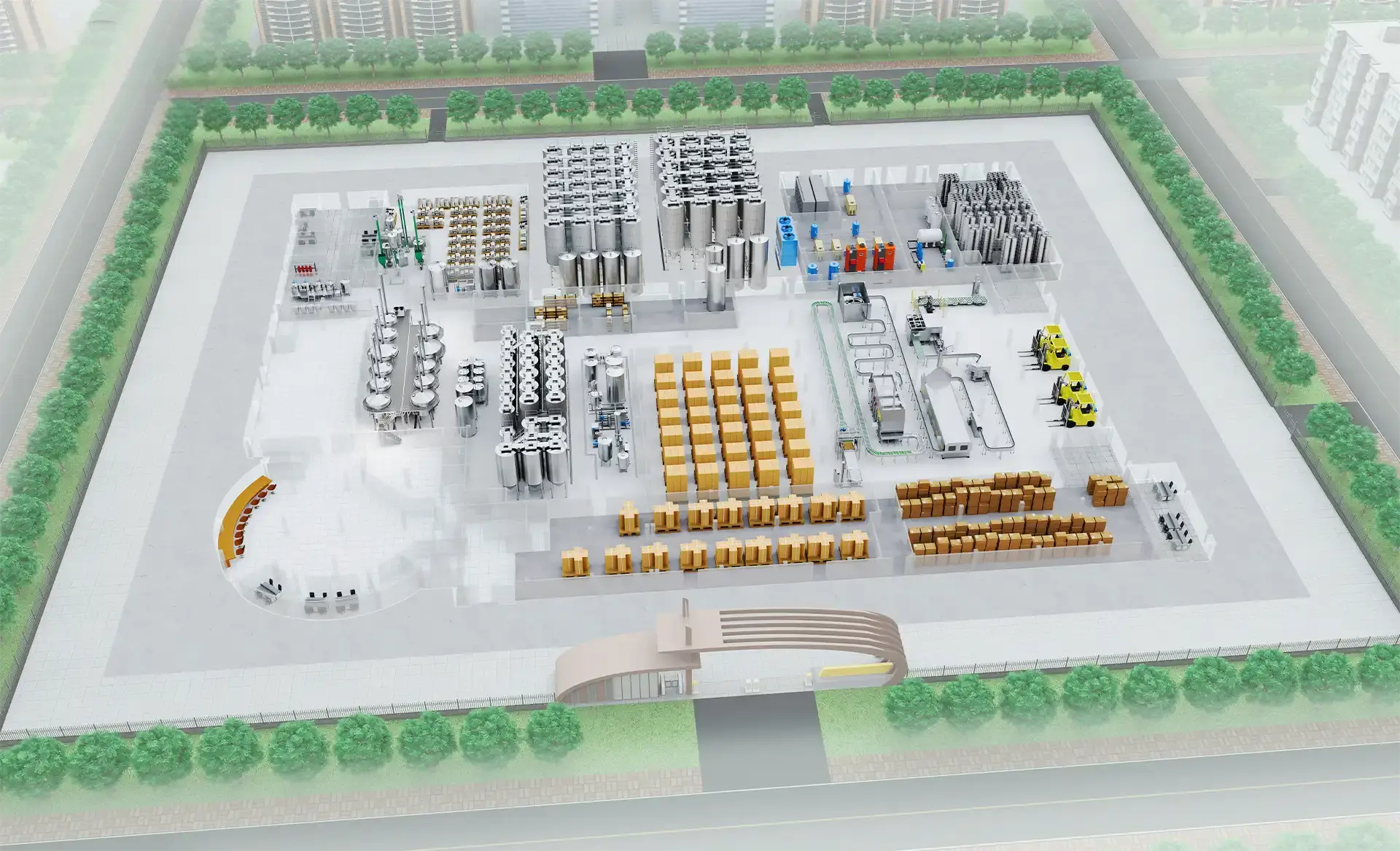
La cerveza de jengibre combina las cualidades refrescantes de los refrescos con la complejidad de la fermentación. Tanto si se elabora como bebida artesanal sin alcohol como si se trata de una bebida especial con bajo contenido alcohólico, la cerveza de jengibre ofrece interesantes oportunidades a los productores de bebidas. Mediante la selección de ingredientes adecuados, el control de los parámetros de fermentación y el uso de equipos de elaboración fiables, los productores pueden crear cerveza de jengibre de alta calidad con una excelente consistencia de sabor y un gran potencial comercial. Si está planeando poner en marcha un proyecto de fábrica de cerveza de jengibre, la selección del equipo de procesamiento y del sistema de fermentación adecuados tendrá un impacto significativo en la eficiencia de la producción y la calidad del producto.
Editado por Daisy: [email protected]