Имбирное пиво — это освежающий, пряный напиток с естественной газировкой, который приобрел огромную популярность на рынке крафтовых напитков. В отличие от имбирного эля, традиционное имбирное пиво варят путем ферментации, что придает ему более насыщенный вкусовой профиль, естественную газировку и пробиотические свойства.
Независимо от того, являетесь ли вы домашним пивоваром, производителем комбучи или предпринимателем в сфере производства напитков, понимание процесса варки имбирного пива имеет решающее значение для создания продукта с неизменно высоким качеством и насыщенным вкусом. В этом руководстве мы шаг за шагом расскажем, как варить имбирное пиво.
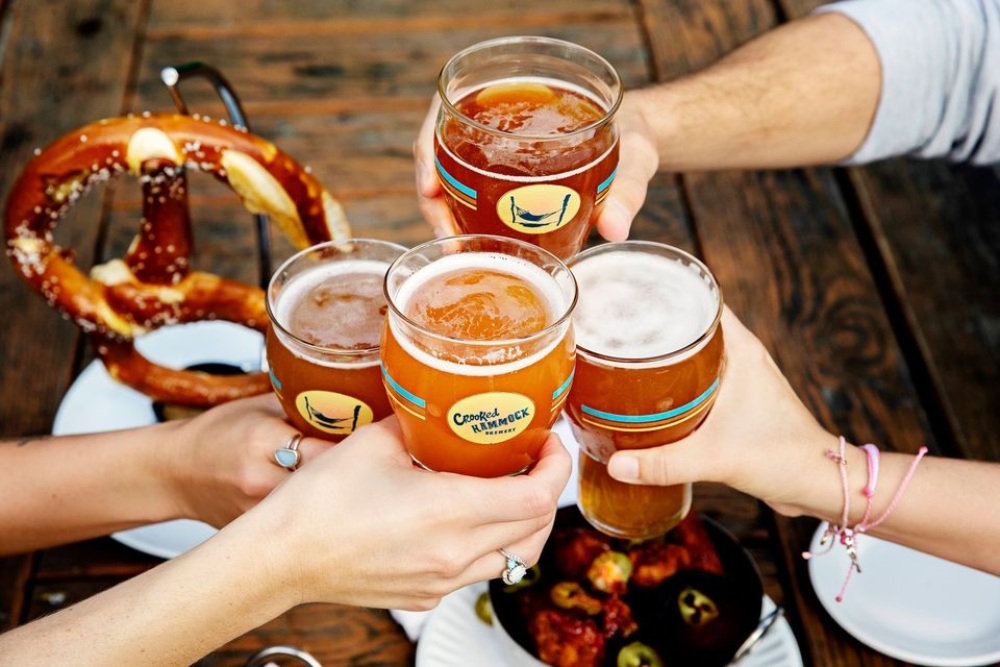
Что такое имбирное пиво?
Имбирное пиво — это ферментированный напиток, изготовленный преимущественно из:
- Свежий имбирь
- Сахар
- Вода
- Дрожжи или натуральная закваска
- Лимонный или лаймовый сок (по желанию)
Традиционное имбирное пиво отличается сбалансированным сочетанием сладости, кислотности, остроты и газировки. Содержание алкоголя может варьироваться от безалкогольного (<0,5% ABV) до алкогольных сортов в зависимости от условий брожения.
Основные ингредиенты для приготовления имбирного пива
1. Свежий имбирь
Имбирь — это основной ингредиент, определяющий аромат, остроту и интенсивность вкуса.
Рекомендуемая дозировка:
- Мягкий вкус: 3–5 кг имбиря на 100 л
- Средняя интенсивность аромата: 5–10 кг имбиря на 100 л
- Насыщенный пряный вкус: 10–20 кг имбиря на 100 л
Свежий имбирь обычно содержит:
- Пряный аромат
- Теплое ощущение во рту
- Цитрусовая свежесть
- Естественные антимикробные свойства
Свеженатертый или измельчённый имбирь, как правило, обеспечивает более эффективное извлечение.
2. Источник сахара
Сахар является источником бродильных углеводов, необходимых для жизнедеятельности дрожжей.
К распространенным видам сахара относятся:
- Белый тростниковый сахар
- Коричневый сахар
- Сахар-сырец
- Дорогая
- Меласса
Типичная концентрация сахара: 8–15°Bx в зависимости от желаемой сладости и крепости.
Повышенная концентрация сахара приводит к:
- Более высокий алкогольный потенциал
- Более полная фигура
- Более выраженная остаточная сладость
3. Качество воды
Качество воды напрямую влияет на вкус напитков.
Идеальная вода для заваривания должна обладать следующими свойствами:
- Низкое содержание хлора
- Умеренный минеральный состав
- Чистое микробиологическое состояние
Для промышленного производства часто рекомендуется использовать фильтрованную воду или воду, прошедшую обратный осмос.
4. Дрожжи или закваска
Существует два распространенных метода ферментации.
Дрожжевое брожение
Пивные дрожжи обеспечивают:
- Стабильное брожение
- Предсказуемый вкус
- Более быстрый производственный цикл
Распространенные варианты:
- Пивные дрожжи
- Винные дрожжи
- Шампанские дрожжи
Ферментация с использованием натурального имбирного заквасочного старта
“Ginger bug” — это натуральная закваска, приготовленная из:
- Имбирь
- Сахар
- Дикие микроорганизмы
Преимущества:
- Многогранный вкусовой профиль
- Характер традиционного ремесла
- Естественный пробиотический потенциал
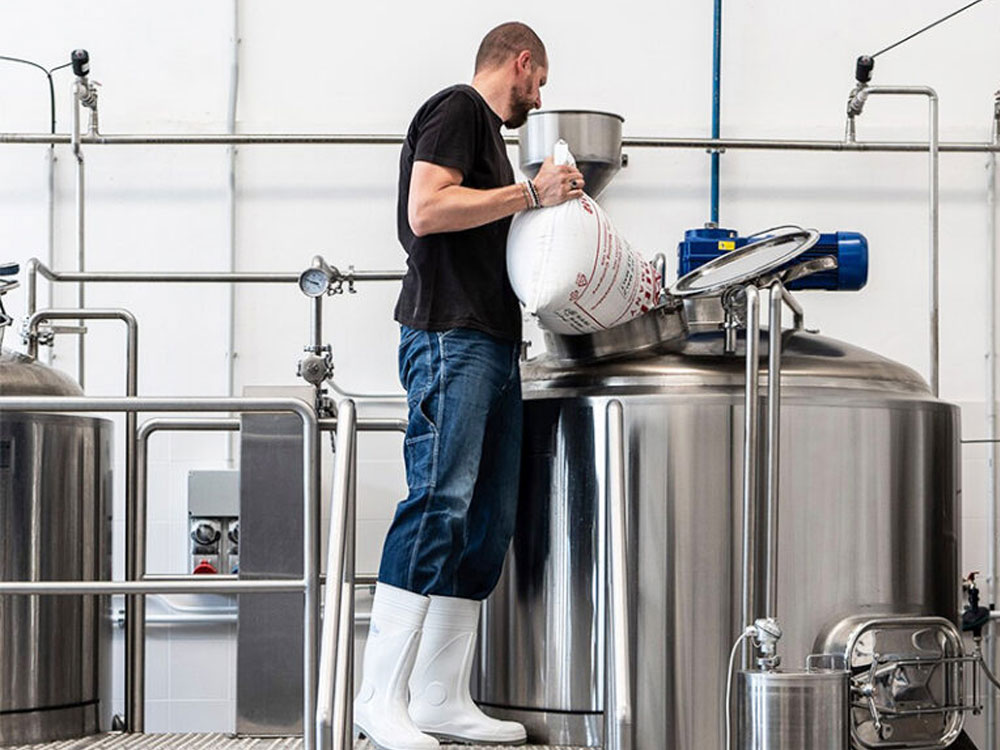
Процесс приготовления имбирного пива
Шаг 1: Подготовка имбиря
Тщательно вымойте и очистите свежий имбирь.
Варианты обработки:
- Нарезка
- Дробление
- Шлифование
- Решетка
Меньший размер частиц повышает эффективность извлечения аромата.
Шаг 2: Извлечение имбиря
Добавьте имбирь в подогретую воду.
Типичные параметры экстракции: Температура: 70–95 °C
Время: 20–60 минут
В ходе этого процесса извлекаются:
- Гингеролы
- Эфирные масла
- Ароматические соединения
Более длительная экстракция, как правило, усиливает остроту и насыщенность вкуса. После экстракции твердые частицы можно удалить путем фильтрации.
Шаг 3: Добавление сахара
Растворите сахар в имбирном экстракте.
Настройте параметры рецепта:
- Брикс
- Кислотность
- Вкусовой баланс
Дополнительные компоненты:
- Лимонный сок
- Сок лайма
- Травы
- Фруктовое пюре
- Растительные экстракты
Шаг 4: Охлаждение
Перед брожением жидкость необходимо охладить.
Типичная температура брожения: 18–28 °C в зависимости от штамма дрожжей.
Надлежащее охлаждение способствует сохранению жизнеспособности дрожжей и снижает риск загрязнения.
Шаг 5: Брожение
Перелейте сусло в бродильную емкость.
Типичные условия ферментации:
Температура: 18-25°C
Срок: 1–7 дней
В процессе брожения дрожжи преобразуют сахар в:
- Углекислый газ
- Алкоголь
- Вкусовые вещества
Производитель может досрочно остановить брожение, чтобы получить имбирное пиво с более низким содержанием алкоголя.
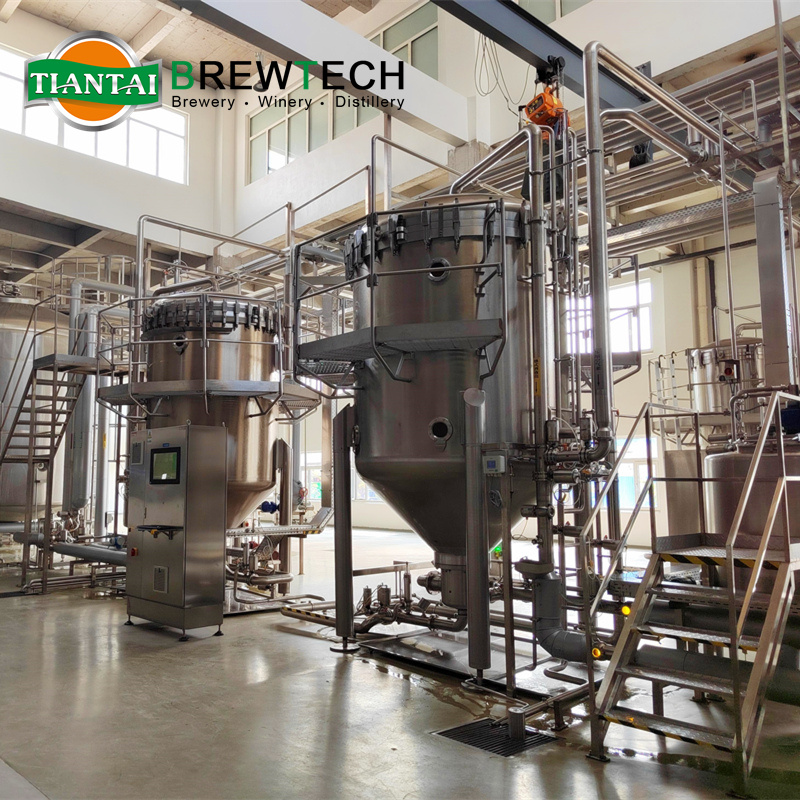
Шаг 6: Фильтрация и стабилизация
После брожения может потребоваться осветление.
Варианты обработки:
- Мешочная фильтрация
- Картриджная фильтрация
- Центробежное осветление
Подавать заявки могут также коммерческие производители:
- Пастеризация
- Флэш-пастеризация
- Стерильная фильтрация
Эти методы повышают срок хранения.
Шаг 7: Газирование и розлив
Имбирное пиво может быть расфасовано в:
- Стеклянные бутылки
- Алюминиевые банки
- ПЭТ-бутылки
- Бочонки
Методы карбонизации: Естественная карбонизация
Созревание в бутылках за счет остаточного брожения.
Принудительная газировка
Впрыск CO₂ с использованием резервуаров для хранения газа или систем карбонизации.
В промышленном производстве для обеспечения более стабильного качества обычно применяется принудительная газировка.
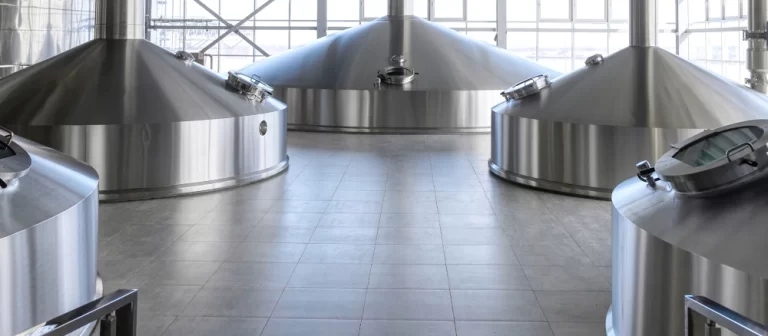
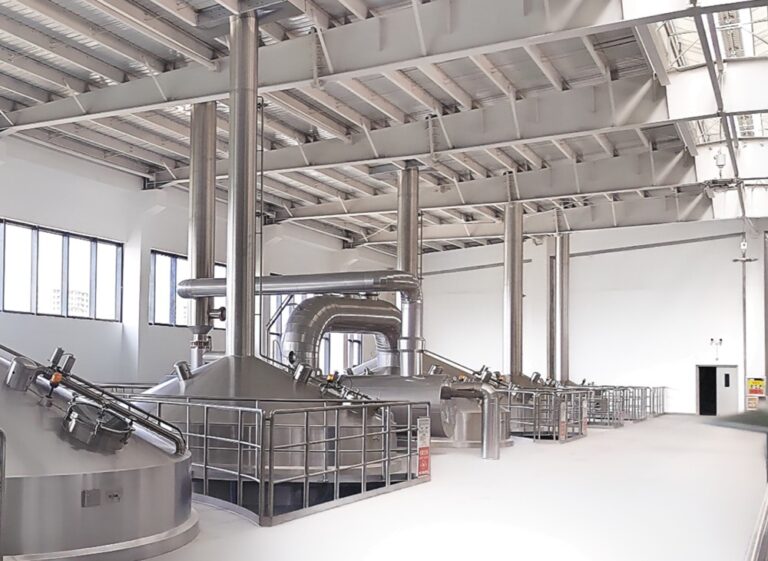
Оборудование для производства имбирного пива в промышленных масштабах
Для промышленного производства имбирного пива выбор оборудования имеет решающее значение.
Типичная производственная линия может включать:
Пивоваренная система
Используется для:
- Нагрев воды
- Извлечение имбиря
- Растворение сахара
Смесительный бак
Используется для:
- Составление рецептов
- Смешивание ингредиентов
- Регулировка вкуса
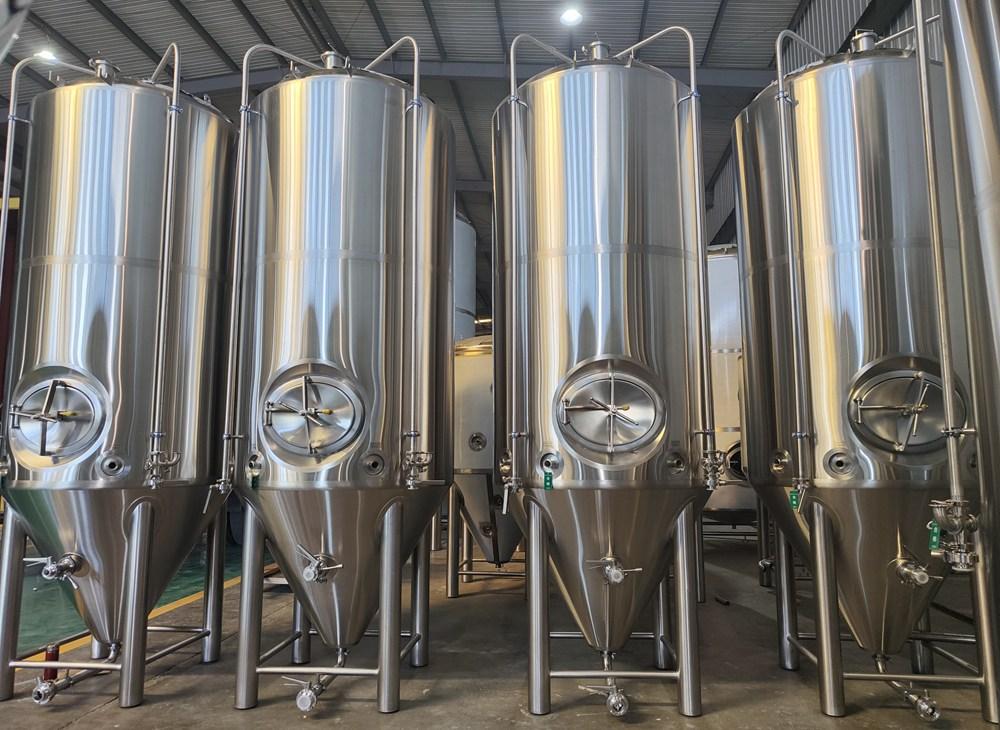
Емкость для брожения
Функции:
- Контроль температуры
- Стабильное брожение
- Гигиенические условия производства
Система фильтрации
Для уточнения и обеспечения стабильности продукта.
Система карбонизации
Используется для достижения точного уровня газирования.
Линия розлива и упаковки
Подходит для:
- Бутылки
- Банки
- Бочонки
♥Советы по приготовлению более вкусного имбирного пива
Баланс интенсивности имбиря
Слишком большое количество имбиря может привести к появлению чрезмерной остроты и горечи. Определите оптимальную дозировку с помощью пробных испытаний.
Тщательно контролируйте процесс брожения
Чрезмерное брожение может привести к:
- Избыток алкоголя
- Сухой вкус
- Проблемы с давлением в упаковке
Соблюдение санитарных норм
Поскольку имбирное пиво содержит сахар и в нём происходит активное брожение, соблюдение санитарных норм имеет решающее значение. Настоятельно рекомендуется проводить надлежащую очистку по системе CIP и использовать оборудование гигиеничной конструкции.
Сначала протестируйте небольшие партии
Прежде чем наращивать объемы производства, проведите лабораторные или пилотные испытания.
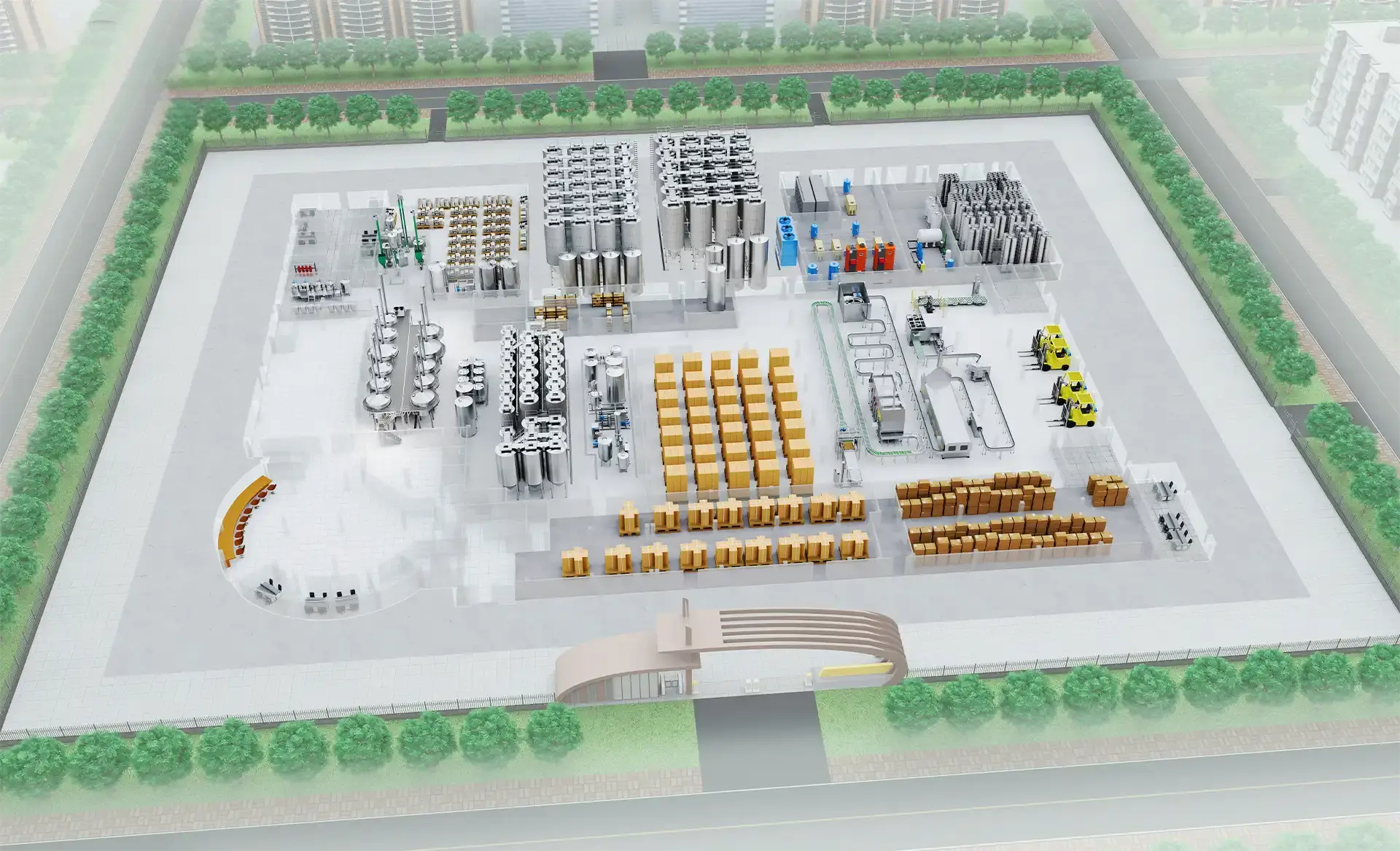
Имбирное пиво сочетает в себе освежающие свойства безалкогольных напитков и многогранность процесса брожения. Будь то безалкогольный крафтовый напиток или фирменный напиток с низким содержанием алкоголя, имбирное пиво открывает перед производителями напитков широкие возможности. Подбирая подходящие ингредиенты, контролируя параметры брожения и используя надёжное пивоваренное оборудование, производители могут создавать высококачественное имбирное пиво с превосходной стабильностью вкуса и коммерческим потенциалом. Если вы планируете реализовать проект по строительству завода по производству имбирного пива, выбор правильного технологического оборудования и системы брожения существенно повлияет на эффективность производства и качество продукции.
Отредактировано Дейзи: [email protected]