How to Use Potato to Make Vodka with TIANTAI Distillery Equipment? This is a common question from our customers. Here let’s introduce a Complete Guide to Potato Vodka Production from Raw Materials, Process to Distillation Equipment.
Vodka is one of the world’s most recognized distilled spirits. While many modern vodkas are produced from grain, corn, or sugar-based raw materials, traditional vodka can also be made from potatoes.
Potato vodka is famous for its smooth mouthfeel, creamy texture, rich body, and distinctive character. Many premium and craft distilleries choose potatoes to create a unique vodka profile that stands out in the market. However, producing potato vodka requires a very different production process compared with grain alcohol.
From starch conversion, mash preparation, fermentation, distillation, to purification, potato processing presents unique technical challenges. TIANTAI Distillery Equipment provides a complete customized solution for potato vodka production — helping distilleries transform potatoes into premium vodka efficiently and consistently.
Why Use Potato to Make Vodka?
Potatoes are rich in starch, which can be converted into fermentable sugars and eventually distilled into alcohol.
Compared with grain vodka, potato vodka typically offers:
✔ Richer mouthfeel
✔ Creamier texture
✔ Fuller body
✔ Distinctive flavor identity
✔ Premium craft positioning
Common potato vodka styles include:
- Traditional potato vodka
- Craft potato vodka
- Premium ultra-filtered vodka
- Organic vodka
- Flavored vodka base spirit
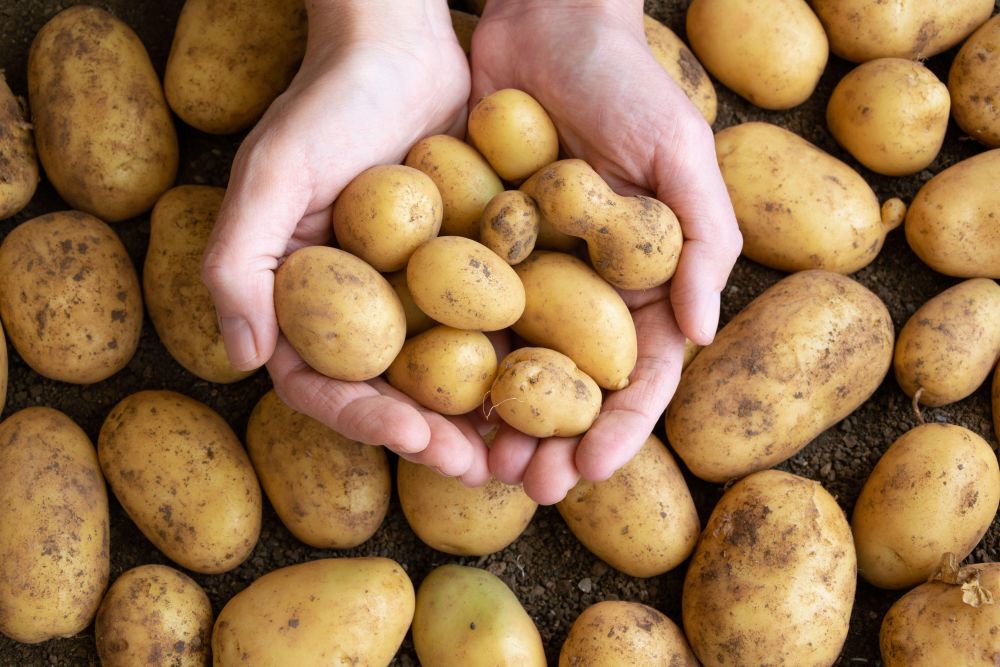
Understanding Potato as a Vodka Raw Material
Unlike sugar or molasses, potatoes do not contain directly fermentable sugars.
The alcohol production process relies on converting potato starch into fermentable sugars.
Potato Composition
Typical potato content:
- Water: 70–80%
- Starch: 15–25%
- Protein: 1–3%
- Fiber & minerals: small percentage
The starch content determines alcohol yield.
Higher starch potatoes generally provide:
✔ Better fermentation performance
✔ Higher alcohol production
✔ Improved process efficiency
Suitable Potato Types for Vodka Production
Common varieties include:
- High-starch potatoes
- Industrial processing potatoes
- Surplus agricultural potatoes
- Off-grade potatoes unsuitable for retail sale
Many commercial distilleries use agricultural surplus potatoes to reduce raw material cost.
Potato Vodka Production Process Overview
Typical production flow:
Potato Cleaning → Crushing → Cooking → Liquefaction → Saccharification → Fermentation → Distillation → Rectification → Filtration → Storage / Bottling
Each stage directly affects final vodka quality.
Step 1 – Potato Cleaning & Preparation
Raw potato preparation is critical for stable production.
Fresh potatoes may contain:
- Soil
- Stones
- Sand
- Foreign materials
These contaminants can damage equipment and affect product quality.
Pretreatment Process
Typical preparation steps:
✔ Washing
✔ Sorting
✔ Stone removal
✔ Crushing or milling
TIANTAI can provide customized front-end raw material handling systems.
Available equipment:
- Potato washer
- Inspection conveyor
- Crusher / grinder
- Screw conveyor
- Raw material transfer system
Step 2 – Cooking & Starch Gelatinization
Potato starch cannot be fermented directly.
The starch structure must first be broken down.
This stage is known as gelatinization.
Cooking Process
Crushed potatoes are mixed with water and heated.
Typical cooking temperatures:
85–100°C
Objectives:
✔ Break cell structure
✔ Release starch granules
✔ Prepare for enzyme conversion
TIANTAI mash cooking systems feature:
- Steam heating
- Agitated cooking tank
- Jacketed design
- Temperature control system
Step 3 – Liquefaction & Saccharification
This is one of the most important stages in potato vodka production.
The goal is converting starch into fermentable sugar.
Liquefaction
Alpha-amylase enzyme is added.
Function:
Break large starch molecules into smaller dextrins.
Typical conditions:
Temperature:
80–95°C
Saccharification
Glucoamylase enzyme converts dextrins into fermentable glucose.
Typical saccharification temperature:
55–65°C
Result:
A fermentable mash ready for yeast fermentation.
Proper enzyme control significantly influences:
✔ Sugar conversion efficiency
✔ Alcohol yield
✔ Fermentation stability
Step 4 – Potato Fermentation Process
After starch conversion, the mash enters fermentation.
Yeast converts sugars into ethanol and aroma compounds.
Fermentation Conditions
Typical parameters:
Temperature:
28–34°C
Fermentation duration:
48–96 hours
Final wash alcohol:
8–12% ABV
Fermentation Challenges for Potato Vodka
Potato mash fermentation may involve:
- High viscosity
- Foam formation
- Thick slurry handling
- Heavy cleaning demand
TIANTAI fermentation tanks are specially designed for difficult starch-based fermentation applications.
TIANTAI Fermentation Equipment Features
Stainless Steel Fermenters
Available materials:
- SUS304
- SUS316L
Cooling Jacket System
Fermentation generates heat.
Temperature control improves:
✔ Yeast health
✔ Alcohol yield
✔ Consistent production
Available options:
- Glycol jacket
- Dimple cooling jacket
- Multi-zone temperature control
Agitation Options
Useful for:
- Mash uniformity
- Temperature balance
- Thick material handling
CIP Cleaning System
Potato residue can strongly adhere to equipment surfaces.
TIANTAI supports:
✔ CIP spray ball systems
✔ Automatic cleaning design
✔ Hygienic tank configuration
Step 5 – Distillation Process for Potato Vodka
Distillation separates alcohol from fermentation wash.
Vodka production generally requires:
high purity + clean flavor profile + smooth finish
TIANTAI provides multiple distillation configurations depending on product style.
Pot Still Distillation
Suitable for:
- Craft potato vodka
- Small batch production
- Flavor-driven vodka
Advantages:
✔ Strong character retention
✔ Flexible operation
Hybrid Distillation System
Combines:
- Pot still
- Rectification column
- Reflux control
- Dephlegmator
Ideal for:
- Craft distilleries
- Medium-scale production
- Multiple spirit products
Benefits:
✔ Purity control
✔ Aroma balancing
✔ Multi-purpose capability
Multi-Column Rectification System
Designed for premium vodka production.
Goal:
Produce highly refined neutral alcohol.
Advantages:
✔ High alcohol purity
✔ Stable consistency
✔ Industrial efficiency
Suitable for:
- Commercial vodka plants
- High-volume production
- Ultra-clean vodka styles
TIANTAI Special Design for Potato Distillation
Potato mash presents unique operational challenges.
TIANTAI offers customized engineering features including:
Anti-Burning Design
Thick potato mash may scorch during heating.
Solutions:
✔ Steam jacket heating
✔ Internal steam coil
✔ Agitated kettle system
Heavy-Duty Mash Handling Design
Suitable for viscous material transfer.
Available systems:
- Screw pump
- Positive displacement pump
- Heavy-duty transfer pipeline
Automated Process Control
Optional automation includes:
✔ Temperature monitoring
✔ Flow control
✔ Pressure control
✔ PLC automation system
Step 6 – Filtration & Vodka Polishing
Many vodka producers apply additional polishing treatments.
Common methods:
- Carbon filtration
- Fine filtration
- Membrane filtration
- Chill filtration
These steps improve:
✔ Clarity
✔ Smoothness
✔ Flavor neutrality
Step 7 – Storage & Bottling Preparation
After distillation and filtration, vodka is prepared for packaging.
TIANTAI provides:
Storage Tanks
Configurations:
✔ Stainless steel storage tanks
✔ Proofing tanks
✔ Blending tanks
✔ Jacketed holding tanks
Bottling Support Equipment
Optional systems:
- Bottle rinsing
- Filling machine
- Capping machine
- Labeling machine
- Packaging line
Why Choose TIANTAI Distillery Equipment for Potato Vodka?
TIANTAI provides more than standalone equipment.
We deliver a complete potato vodka production solution, including:
✔ Process design
✔ Raw material handling engineering
✔ Fermentation system customization
✔ Distillation equipment design
✔ Utility planning
✔ Layout engineering
✔ Installation guidance
✔ Technical training
✔ Long-term after-sales support
Suitable for:
- Craft vodka distilleries
- Agricultural vodka projects
- Commercial alcohol plants
- Premium potato vodka brands
- Multi-spirit distilleries
Build Your Potato Vodka Distillery with TIANTAI
Producing potato vodka successfully requires specialized process knowledge and carefully designed equipment.
From potato preparation and starch conversion to fermentation, distillation, filtration, and bottling, every stage influences production efficiency and spirit quality.
TIANTAI combines distillation engineering expertise, customized stainless steel manufacturing, and starch-based alcohol process understanding to help clients build reliable and scalable potato vodka facilities.
Whether you are launching a craft potato vodka brand or planning an industrial vodka production project, TIANTAI can customize the right solution for your production goals.
TIANTAI — Customized Distillery Solutions for Potato Vodka Producers Worldwide.