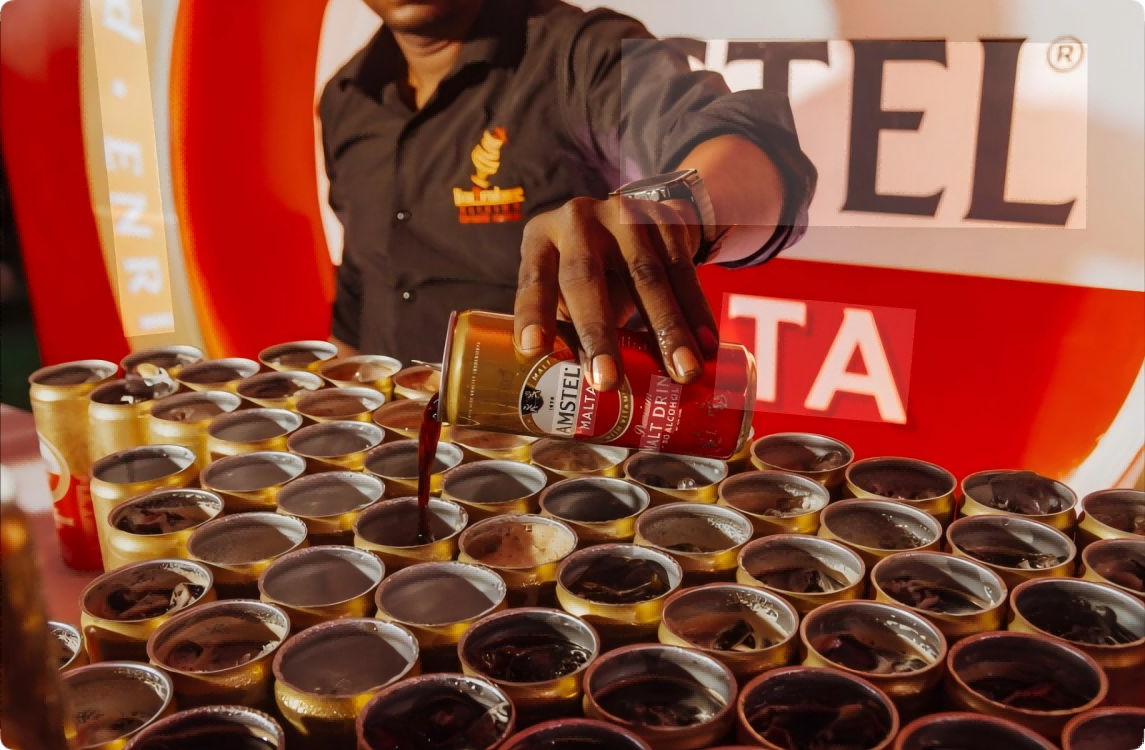
As consumer demand for non-alcoholic and low-alcohol beverages continues to grow across Africa, malt drinks have become one of the fastest-growing segments of the beverage market. Popular for their rich malt flavor, refreshing taste, and broad consumer appeal, malt drinks are enjoyed by people of all ages in many African countries.

For beverage manufacturers and entrepreneurs, producing malt drinks offers an excellent opportunity to diversify product portfolios while utilizing brewing technology that is both reliable and efficient.
What Is a Malt Drink?
A malt drink is a beverage made primarily from malted barley or malt extract. Unlike traditional beer, most malt drinks contain little or no alcohol, making them suitable for a much wider consumer market. Depending on local preferences, manufacturers may also add sugar, caramel, vitamins, natural flavors, or fruit extracts to create products with distinctive taste profiles.
Although the final product differs from beer, many of the production steps are similar, allowing breweries and beverage producers to make efficient use of modern brewing equipment.
Step 1: Malt Milling
Production begins with milling high-quality malt. The malt is crushed to expose the starch while maintaining the husk structure, which helps improve extraction efficiency during mashing.
Consistent milling is essential for achieving stable product quality and maximizing extract yield.
Step 2: Mashing
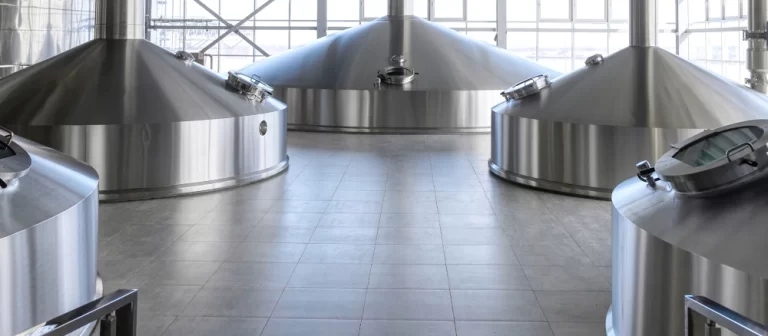
The crushed malt is mixed with hot water in the mash tun. During this stage, naturally occurring enzymes convert starch into fermentable sugars and other soluble compounds that contribute to the beverage’s characteristic malt flavor and body.
The mash temperature is carefully controlled to optimize enzyme activity and produce the desired sweetness and mouthfeel.
Step 3: Wort Separation
After mashing, the sweet wort is separated from the spent grain in the lauter tun. Efficient lautering improves extract recovery while producing a clear wort for the next stage of production.
The spent grain can often be recycled as valuable livestock feed, reducing waste and supporting sustainable production.
Step 4: Wort Boiling
The wort is transferred to the brew kettle and boiled to ensure microbiological safety and improve flavor stability.
Unlike beer production, hops are often used in much smaller quantities or omitted entirely, depending on the desired flavor profile. During this stage, sugar, caramel coloring, or other approved ingredients may also be added to achieve the target taste and appearance.
Step 5: Cooling and Beverage Preparation
After boiling, the wort is rapidly cooled through a plate heat exchanger.
For non-alcoholic malt drinks, the wort may be blended with additional ingredients such as natural flavors, fruit concentrates, vitamins, or sweeteners. Some manufacturers use a controlled fermentation process followed by alcohol removal, while others produce malt drinks without fermentation, depending on the product style and local market requirements.
Step 6: Filtration and Carbonation
The beverage is filtered to improve clarity and product stability. Carbon dioxide is then added to provide a refreshing sparkling character that consumers expect from premium malt drinks.
Careful carbonation enhances mouthfeel and creates a more enjoyable drinking experience.
Step 7: Packaging
The finished product is filled into bottles, cans, or PET containers using hygienic filling equipment. Proper pasteurization and quality control help extend shelf life while maintaining consistent flavor and product safety throughout distribution.
Modern Equipment for Efficient Production
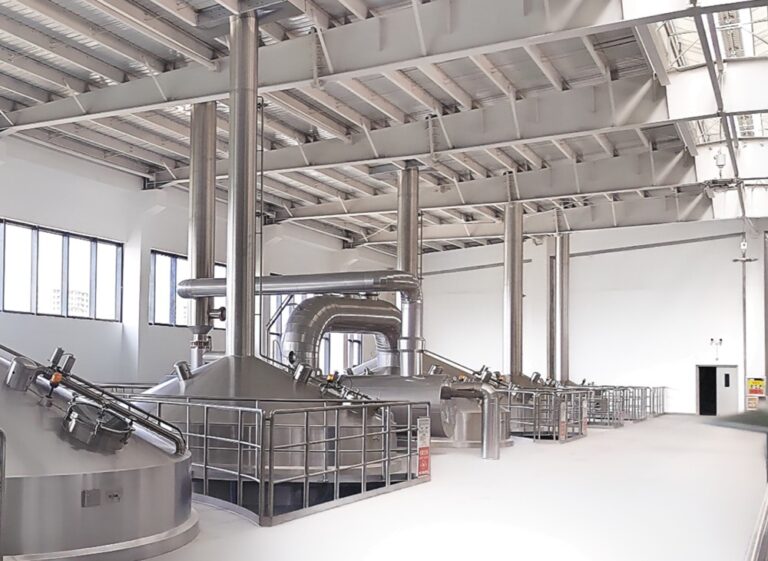
A complete malt drink production line typically includes a malt mill, brewhouse, plate heat exchanger, storage tanks, CIP cleaning system, cooling system, carbonation equipment, and packaging line.
Because many of these systems are similar to those used in beer production, manufacturers can efficiently expand their product range while maximizing equipment utilization and return on investment.
Partner with TIANTAI Company
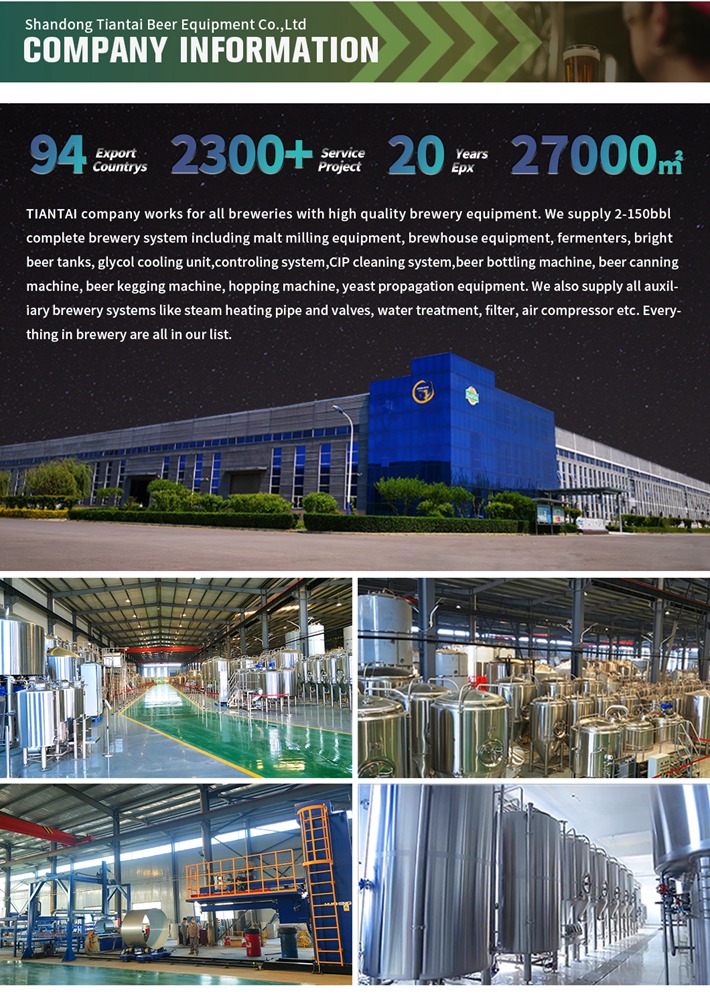
At TIANTAI Company, we provide customized brewing and beverage production solutions for customers around the world. Our engineering team can design complete malt drink production systems tailored to your production capacity, recipe, and local market requirements.

As Africa’s beverage industry continues to expand, malt drinks offer an exciting opportunity for manufacturers to reach a broader consumer base. With reliable equipment, efficient production processes, and the flexibility to adapt to changing market trends, producers can build successful brands and create sustainable growth for years to come.
Thanks for your reading.
ヘレン・リー
Contact Email: [email protected]