ミードは、主に天然の蜂蜜を酵母発酵させて作られるアルコール飲料であり、人類史上最も古いアルコール飲料の一つとされています。クラフトビール市場の急速な発展に伴い、ミードはその独特の蜂蜜の香り、豊かな風味、そして自然で健康的なイメージから、消費者の間でますます人気が高まっています。 現在、ミード市場には、伝統的なミード、フルーツミード、スパイスミード、スパークリングミードなど、さまざまなカテゴリーがあり、アルコール度数は通常8%から14%の範囲です。ミードの醸造にはどのような設備が必要でしょうか?n
1. ミードの原料
nミード製造の主要な原料は蜂蜜です。蜂蜜の種類によって、製品に与えられる風味の特徴は異なります。例えば、アカシア蜂蜜はまろやかな味わいと淡い色合いを、多花蜜は豊かな風味と手頃な価格を、そば蜂蜜はより強烈で複雑な香りをそれぞれ持ちます。 蜂蜜に加え、製品の品質を安定させるためには、飲用水基準を満たした精製水または軟水を使用する必要があります。蜂蜜は窒素含有量が少ないため、発酵中に酵母が栄養不足に陥りやすいため、発酵を順調に進めるために通常、酵母栄養剤が添加されます。 同時に、望まれる製品の風味に応じて、クエン酸やリンゴ酸などの酸度調整剤を適切な量で添加し、ワインのバランスと風味プロファイルを向上させることができます。
2. ミードの製造工程
n nn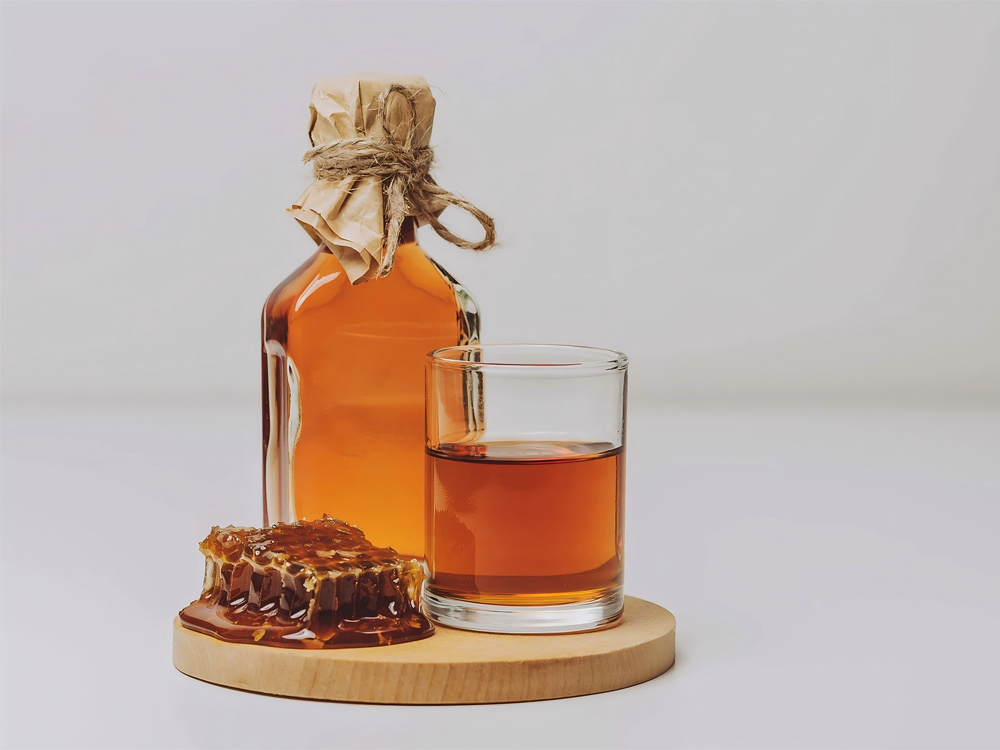 nnミードの製造工程は比較的単純で、ビール製造に見られる糖化工程が不要です。 まず、配合比率に従って蜂蜜と水を混合タンクに加え、蜂蜜が完全に溶解して均一な発酵液となるよう十分に撹拌します。製品の衛生と安全を確保するため、混合された発酵液は通常、65°Cで30分間加熱する、あるいは瞬間高温殺菌を行うなどして殺菌処理されます。 殺菌後、発酵液はプレート式熱交換器を用いて酵母の最適な接種温度まで急速に冷却され、通常は18°C~25°Cの範囲で制御されます。nnその後、活性酵母と栄養分を添加し、一次発酵段階を開始します。 発酵は通常、15°Cから22°Cに温度制御されたステンレス製発酵タンク内で行われ、発酵期間はおよそ10日から30日間です。酵母がハチミツ中の糖分をアルコールや香気成分に変換することで、ミード特有の香りと味わいが生まれます。 一次発酵後、ワインは熟成段階に入り、数週間から数ヶ月間熟成させることで、より滑らかで調和のとれた口当たりが生まれます。このプロセスは、酵母や浮遊粒子を沈殿させるのにも役立ち、製品の安定性を高めます。nn熟成後、ワインは清澄化とろ過処理が行われます。 一般的な設備には、プレート&フレーム式フィルター、珪藻土フィルター、精密膜ろ過システムなどがあり、これらは酵母残渣や微細な粒子を効果的に除去し、製品の透明度と保存期間を向上させます。 一部のハイエンド製品では、後の濁りや二次発酵を防ぐために、低温安定化処理や微細多孔膜による殺菌ろ過も行われます。nn最後に、検査に合格したミードは瓶詰め工程に進みます。 製品のポジショニングに応じて、ガラス瓶、缶、またはステンレス製のドラム缶に充填され、自動瓶洗浄、充填、キャッピング、およびラベリング装置を使用して、完成品の包装が完了します。n
3. ミード醸造に必要な設備
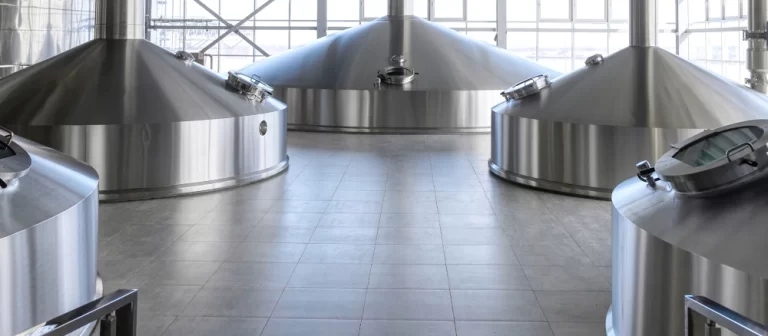
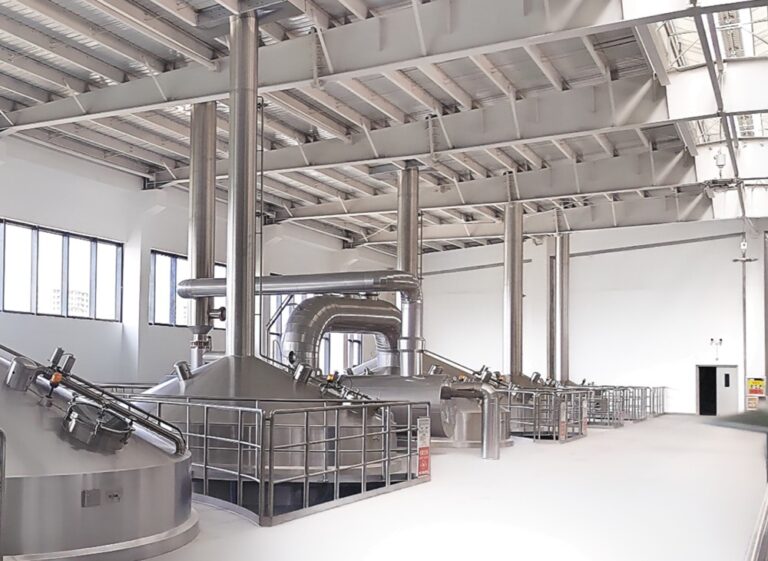
設備構成の面では、ミードの生産ラインは主に、蜂蜜貯蔵システム、原料溶解システム、殺菌システム、発酵システム、熟成システム、ろ過システム、CIP洗浄システム、および瓶詰め・包装システムで構成されています。 ビール醸造設備と比較すると、ミードの製造ではマッシングケトルや濾過タンクなどのマッシング設備が不要となるため、投資額が比較的低く抑えられ、プロセスも簡素化されます。既存のクラフトビール設備を持つ醸造所の場合、ハチミツ溶解設備と一部の熟成設備を追加するだけで、ミードの製品ラインを迅速に拡充し、事業の多角化を図ることができます。nn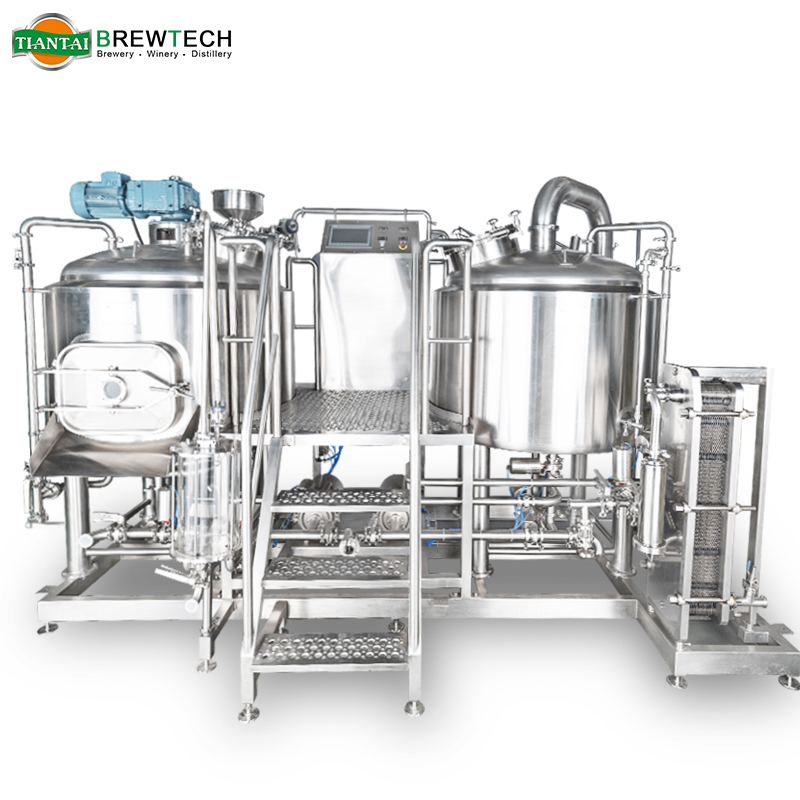 nn
nn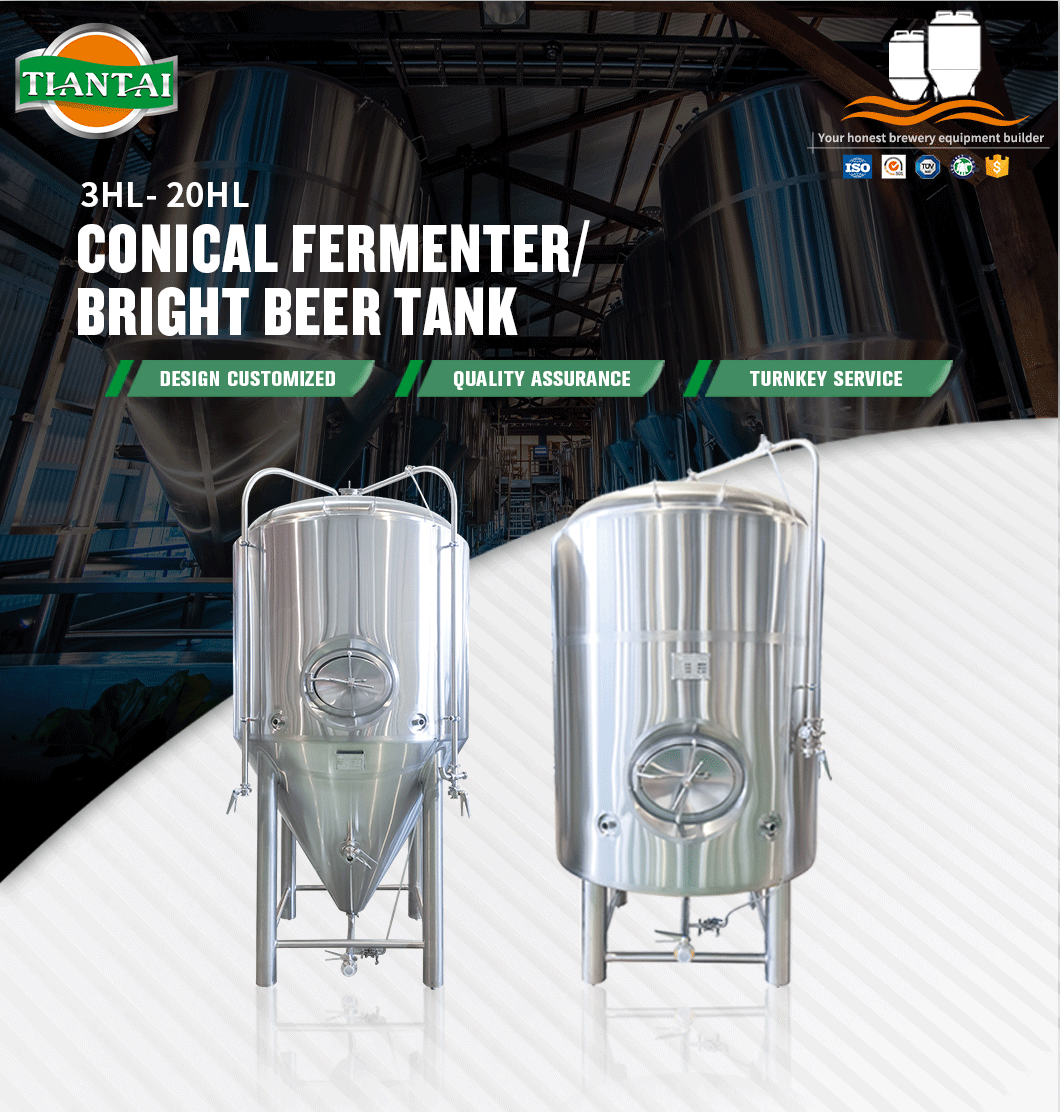 nn
nn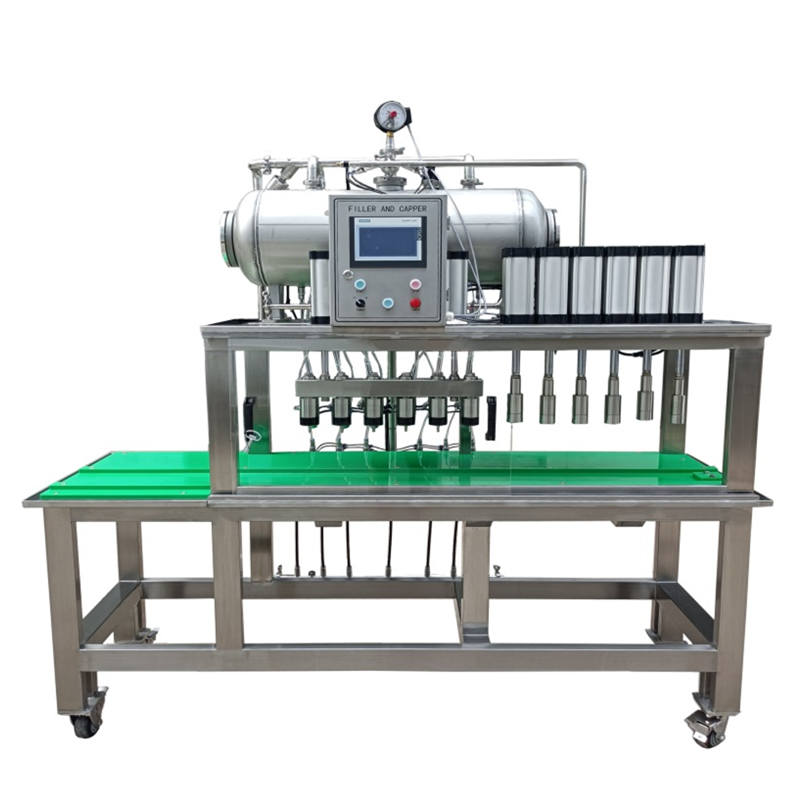 nn天然素材、独特の風味、そして幅広い市場の見通しを背景に、ミードはクラフトビール業界において徐々に重要な発展の方向性となりつつあります。特産飲料に対する消費者の需要が拡大し続ける中、ミード業界には優れた将来の発展の可能性が秘められています。 当社は、マッシング装置、発酵槽、クリアビールタンク、フィルター、CIPなどを含む、ミード醸造設備一式を供給可能です。nnミードやビールの醸造設備にご興味がおありの方は、お気軽にお問い合わせください:nnIvy Liang(営業部長)nnEメール: [email protected]nn nn