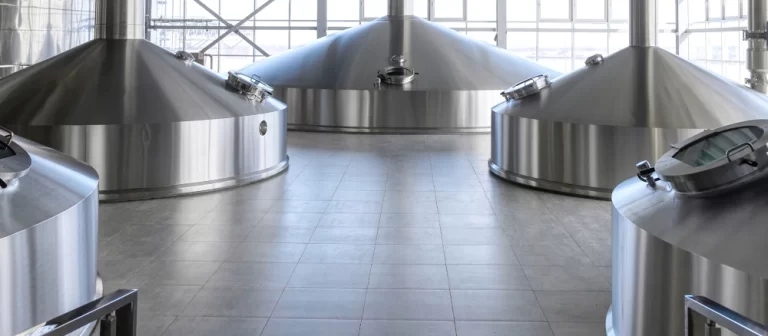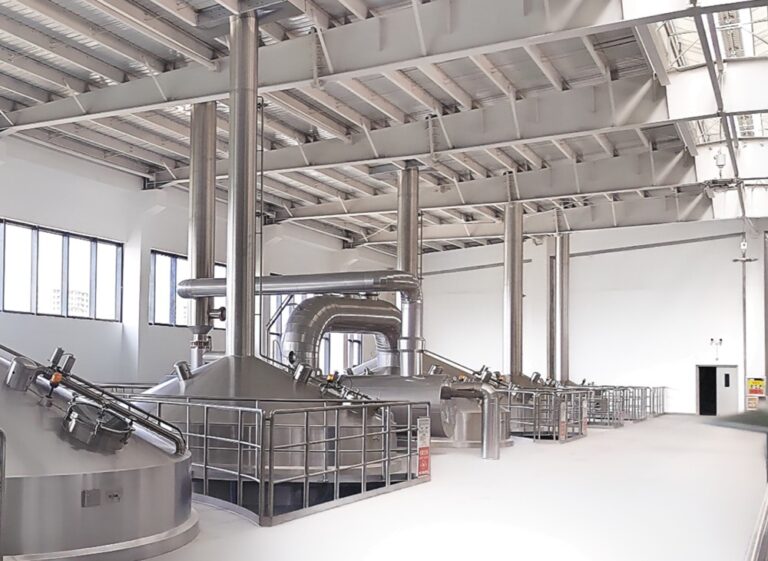
Quality assurance is a fundamental part of any commercial beer brewery equipment operation. In competitive commercial breweries, maintaining consistency in taste, aroma, appearance, and safety is essential for brand reputation. To achieve this, breweries rely on a range of specialized quality control equipment throughout the production process.
Microbiology Lab Equipment:
Microscopes: For examining yeast health, identifying contaminants, and monitoring fermentation.
Incubators: Used for growing and observing microorganisms.
Agar Plates and Media: To culture and identify microorganisms in beer.
Analytical Instruments:
pH Meters: Measure the acidity of the beer.
Density Meters (Hydrometers or Refractometers): Monitor the sugar content during fermentation.
Gas Chromatography (GC) or High-Performance Liquid Chromatography (HPLC): Analyze the composition of beer, including alcohol content and flavor compounds.
Sensory Evaluation Tools:
Tasting Panels: Trained sensory panels to evaluate the flavor, aroma, and overall quality of the beer.
Aroma Chambers: Used to assess the aroma profile of the beer.
Packaging Quality Control:
Fill Level Sensors: Ensure consistency in the volume of beer in each bottle or can.
Seam Monitors: Check the integrity of can seams or bottle caps to prevent leaks.
Labeling Inspection Systems: Ensure accurate and properly applied labels on bottles or cans.
Quality Assurance Software:
Brewery Management Software: Helps manage production data, track batches, and monitor quality control parameters.
Color Measurement Devices:
Spectrophotometers or Colorimeters: Assess the color of the beer to ensure consistency.
Oxygen and Carbon Dioxide Measurement:
Dissolved Oxygen Meters: Monitor and control the oxygen levels in beer, which can affect its flavor and shelf life.
Carbonation Measurement Devices: Ensure the desired level of carbonation in the final product.
Temperature and Pressure Sensors:
Temperature Sensors: Monitor and control fermentation temperatures.
Pressure Gauges: Check pressure levels in tanks and kegs.
Cleaning and Sanitation Equipment:
ATP (Adenosine Triphosphate) Testing Kits: Verify the effectiveness of cleaning procedures.
Swab Tests: Collect samples to check for microbial contamination.
Water Testing Equipment:
Water Analysis Kits: Ensure the quality of brewing water, which can significantly impact beer flavor.
Metal Detection Systems:
Metal Detectors: Check for metal contaminants in the final product.
Brewery Lab Furniture:
Dedicated laboratory space equipped with proper furniture and safety equipment.
Investing in quality control equipment is crucial for breweries to consistently produce high-quality beer and maintain consumer satisfaction. Regular calibration and maintenance of these instruments are also essential to ensure accurate and reliable results.
Investing in reliable quality control equipment is essential for any modern commercial brewery equipment setup. It ensures consistent product quality, regulatory compliance, and long-term customer satisfaction. Regular calibration and maintenance of all instruments are equally important for accurate results.
Tiantai provides a full range of commercial beer brewery equipment, including malt milling systems, brewhouse units, fermentation vessels, brite beer tanks, bottling and canning lines, kegging systems, yeast propagation tanks, water treatment solutions, filtration systems, air compressors, and integrated quality control equipment.
For detailed specifications and a customized quotation for your commercial breweries project, please feel free to contact us.
連絡先
Eメール:[email protected]
コンタクトパーソンEmily Gong