Single malt whisky is a premium spirit made from 100% malted barley and produced at a single distillery. Its production process is traditional, carefully controlled, and heavily influenced by time, craftsmanship, and maturation.

- Malting
The process begins with malting barley, where barley grains are soaked in water and allowed to germinate. This activates enzymes that convert starch into fermentable sugars. Germination is then stopped by drying the barley in a kiln, often using peat smoke for flavor in some regions.
- マッシュ
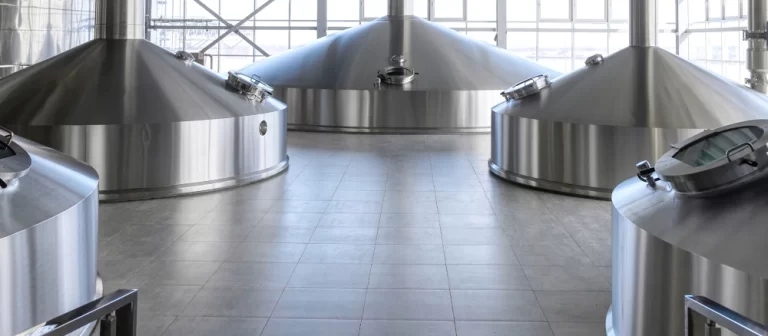
The dried malted barley is ground into grist and mixed with hot water in a mash tun. This process extracts sugars from the grain, producing a sugary liquid called wort.
The mashing process typically occurs in multiple water stages at controlled temperatures to maximize sugar extraction.
- 発酵
The wort is transferred into fermentation tanks, where yeast is added. Fermentation converts sugars into alcohol and produces a beer-like liquid known as “wash,” usually around 6–8% ABV. This stage lasts approximately 48–72 hours.
- 蒸留
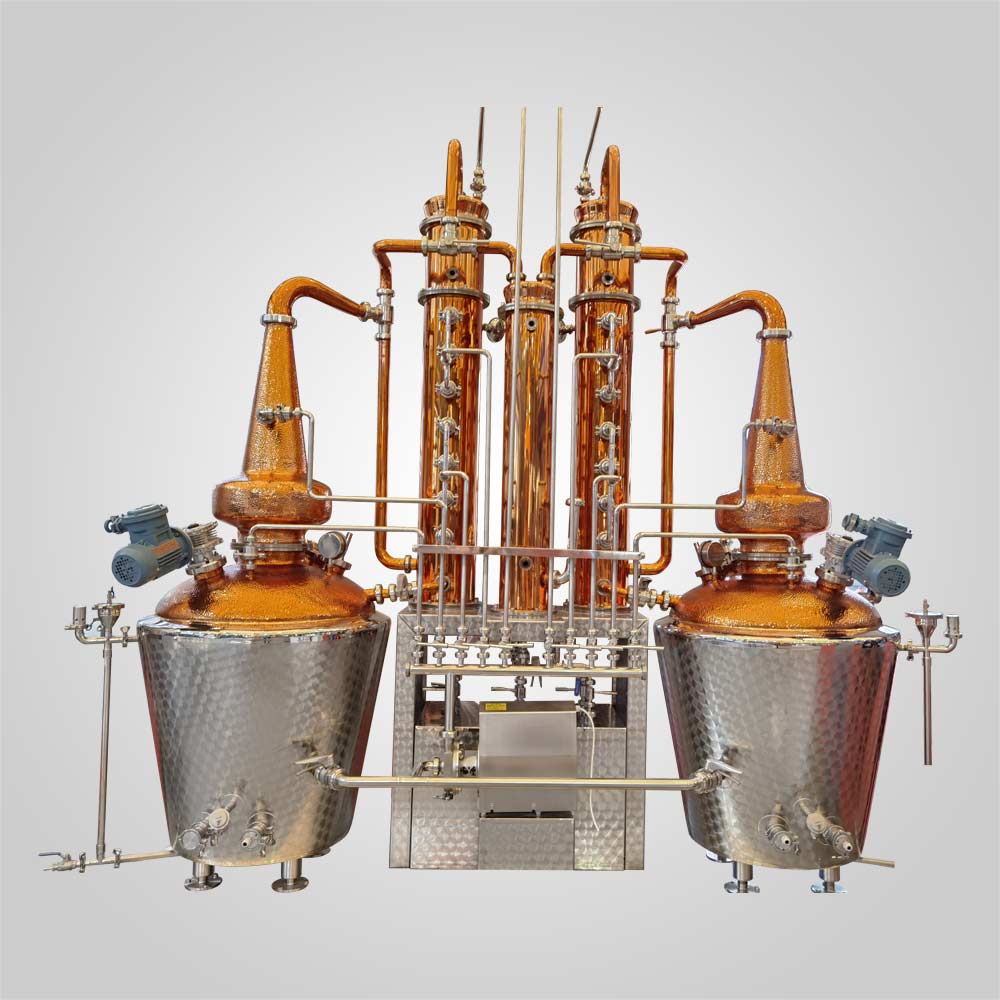
The wash is distilled in traditional copper pot stills, usually twice:
First distillation in the wash still
Second distillation in the spirit still
During this stage, the distiller carefully separates:
Heads (foreshots)
Hearts (middle cut, used for whisky)
Tails (feints)
Only the “hearts” are collected for maturation.
- 成熟
The spirit is aged in oak casks for a minimum of 3 years, although many premium whiskies are matured much longer. During aging, the whisky develops color, aroma, and complexity through interaction with the wood.
結論
Single malt whisky production is a slow and precise process that combines natural ingredients, traditional methods, and long-term maturation. Each step—from malting to aging—plays a crucial role in shaping the final character of the whisky.
お読みいただきありがとうございました。
ヘレン・リー