The Importance of Thoughtful Brewery Design

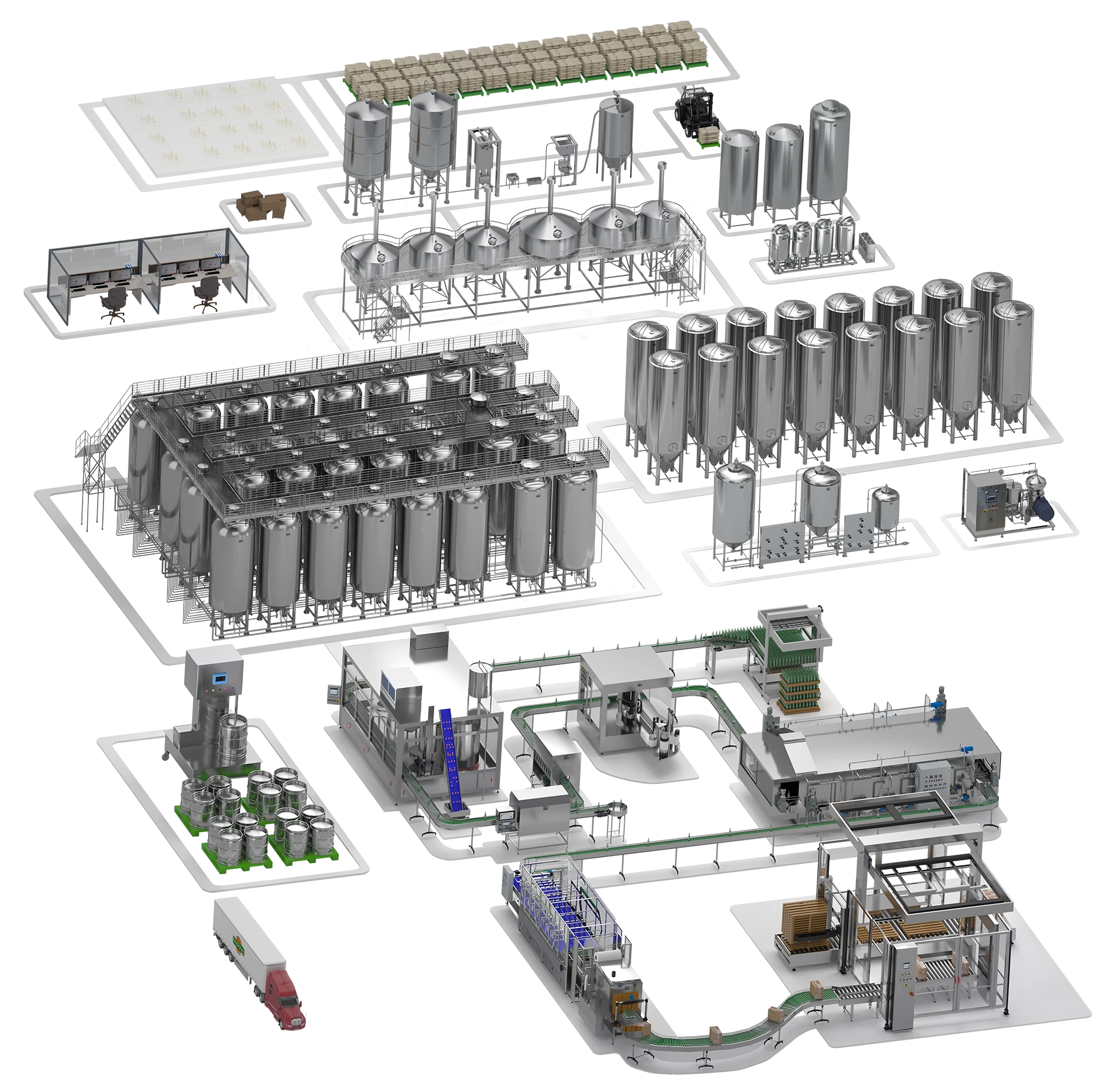
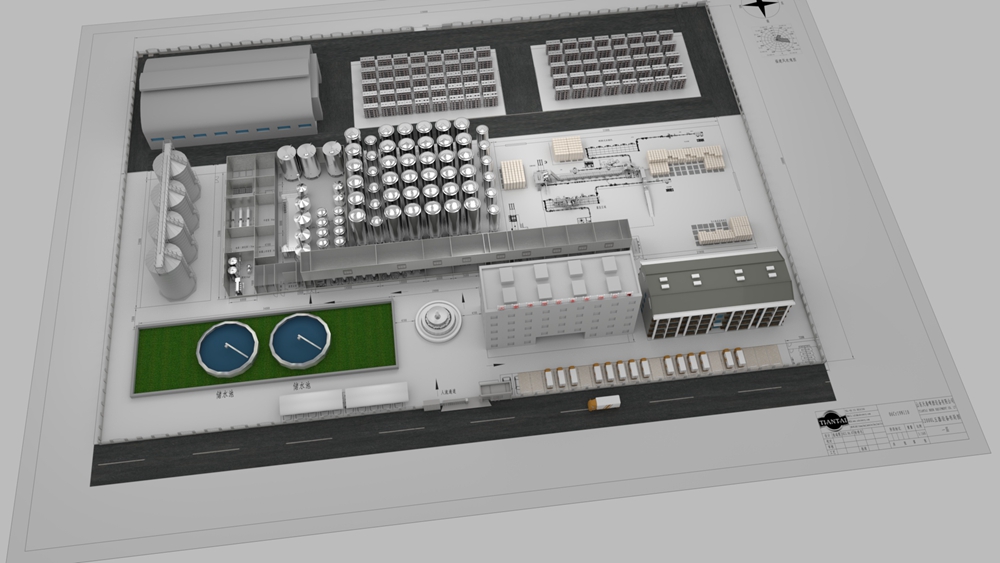
When planning the optimal placement of your craft brewing equipment, your manufacturer can often provide valuable guidance and practical recommendations.

Before finalizing your brewery layout, it’s important to consider what a successful production flow looks like from your perspective. If you were to evaluate your current or planned facility on a scale from 1 to 10, how would you rate its efficiency and design? More importantly, what key outcomes define success for you—consistently high product quality, improved cleanliness, energy efficiency, or cost reduction?

For most modern brewery owners, the answer is a combination of all three. Through discussions with experienced brewers who have spent years refining their layouts, it becomes clear that thoughtful design can significantly enhance hygiene, energy performance, and overall operating costs.


1. Improved Cleanliness and Hygiene

Maintaining a clean, contamination-free production environment is essential for protecting beer quality while reducing long-term labor and operational costs. When designing a brewery layout, cleanliness should be integrated from the very beginning rather than treated as an afterthought.

Key design considerations include:

  • Working closely with equipment suppliers to determine the most efficient positioning of tanks, piping, and processing rooms, as well as optimal cleaning methods for vessels and pipelines
  • Using hygienic flooring systems such as epoxy coatings, which are non-porous, durable, and easier to sanitize with fewer chemicals and less effort
  • Installing a Clean-in-Place (CIP) system to streamline sanitation processes and significantly reduce the risk of cross-contamination between production stages
  • Consulting specialized brewery or distillery design firms to achieve a layout optimized for sanitation and workflow efficiency

Experienced operators often emphasize the importance of research and site visits. As one craft distillery founder noted, visiting multiple facilities and asking targeted questions can greatly improve design decisions. Cleanliness and sanitation are frequently ranked among the most critical priorities when selecting equipment and designing a production system.

100kg/h CO2回収システム


2. Greater Energy Efficiency

In the past, energy efficiency was primarily viewed as a cost-control measure. Today, it is equally tied to environmental responsibility and long-term sustainability.

A well-designed brewery layout can significantly reduce energy consumption through several strategies:

  • Minimizing distances between production stages to reduce pumping requirements, which lowers energy usage and helps preserve product quality
  • Incorporating heat recovery systems to reuse thermal energy from processes such as fermentation, pasteurization, and wort production
  • Ensuring critical spare parts are readily available to reduce downtime and avoid unnecessary energy waste during equipment failure

Many breweries are also investing in renewable energy and sustainability systems, such as solar heating and hydropower integration, to further reduce operating costs while improving environmental performance.

7000L醸造システム


3. Long-Term Cost Savings

A well-planned brewery layout delivers its greatest value over time through cumulative cost savings. Strategic design decisions made at the beginning can significantly reduce future expenses and operational inefficiencies.

Common cost-saving approaches include:

  • Positioning conditioning tanks closer to packaging or tap areas to reduce insulation and cooling costs for beer lines
  • Planning adequate space for future expansion to avoid costly facility redesigns as production grows
  • Reusing and treating brewhouse wastewater to reduce water consumption and operational expenses
  • Installing systems to capture and recover spilled or wasted beer during packaging and filling processes

Ultimately, the most effective brewery layouts are built on clearly defined goals and informed by real-world experience. Engaging with established breweries, studying their workflows, and learning from their challenges can help new operators avoid costly mistakes and build more efficient, scalable production systems from the start.

トップに戻る