What are the Differences for the Automatic Brewery and Traditional Brewery Design?

A lot should be considered when you open your brewery like craft brewing tech, brewery equipment cost and price,find a location for brewery, license and regulation of a brewery. This article column is specially to answer some common question during brewing.You need to consider a lot when you open your brewery like craft brewing tech, brewery equipment cost and price,find a location for brewery, licenseand regulation of a brewery. This article column is specially to answer some common question during brewing.

What Is an Automated Brewery?

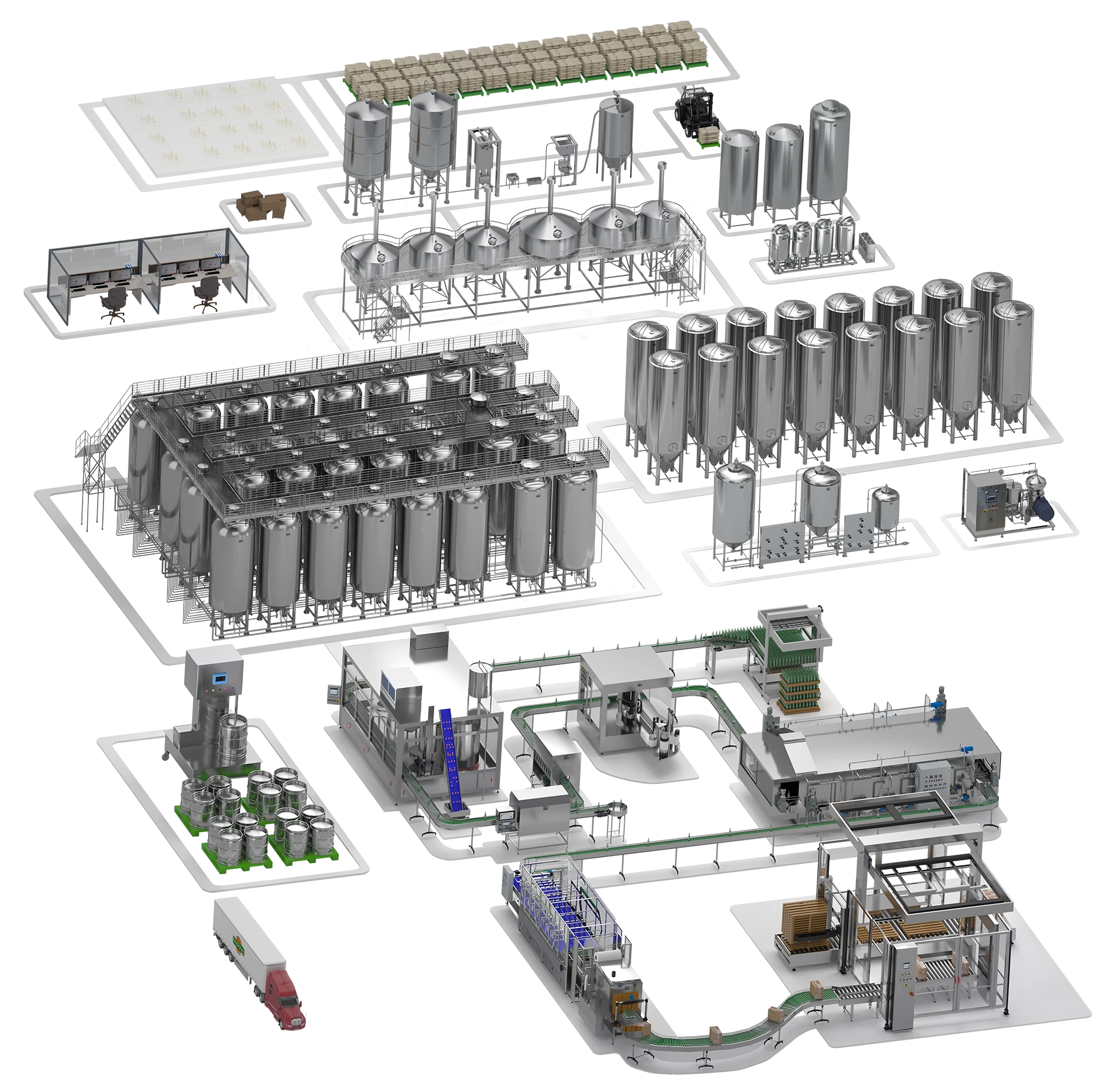
Tiantai automated brewery is a current brewing facility where core procedures — mashing, lautering, boiling, fermentation, cooling, cleansing, and packaging — are managed with the aid of an integrated automation device as opposed to manual operation.In practical terms, automation replaces guesswork with precision, consistency, and information.

PLC制御

Traditional Brewery vs Automated Brewery

Function Traditional Brewery Automated Brewery
System control マニュアル Siemens PLC / SCADA controlled
Production stability 可変 Highly stable
Labor dependence 高い 低い
Recipe repeatability 中程度 Outstanding
Expansion difficulty 高い 低い
Data & monitoring 限定 Real-time & historical


As the global craft beer market continues to grow, breweries are increasingly evaluating whether to invest in an automatic brewery system or maintain a traditional brewery design. While both approaches can produce high-quality beer, they differ significantly in terms of efficiency, labor requirements, consistency, production capacity, and operational costs. Understanding these differences can help brewery owners choose the most suitable brewing solution for their business.

1. Level of Automation

The most obvious difference lies in the degree of automation.

A traditional brewery relies heavily on manual operations. Brewers must manually control valves, pumps, temperatures, and transfer processes throughout the brewing cycle. This approach requires experienced operators and constant monitoring.

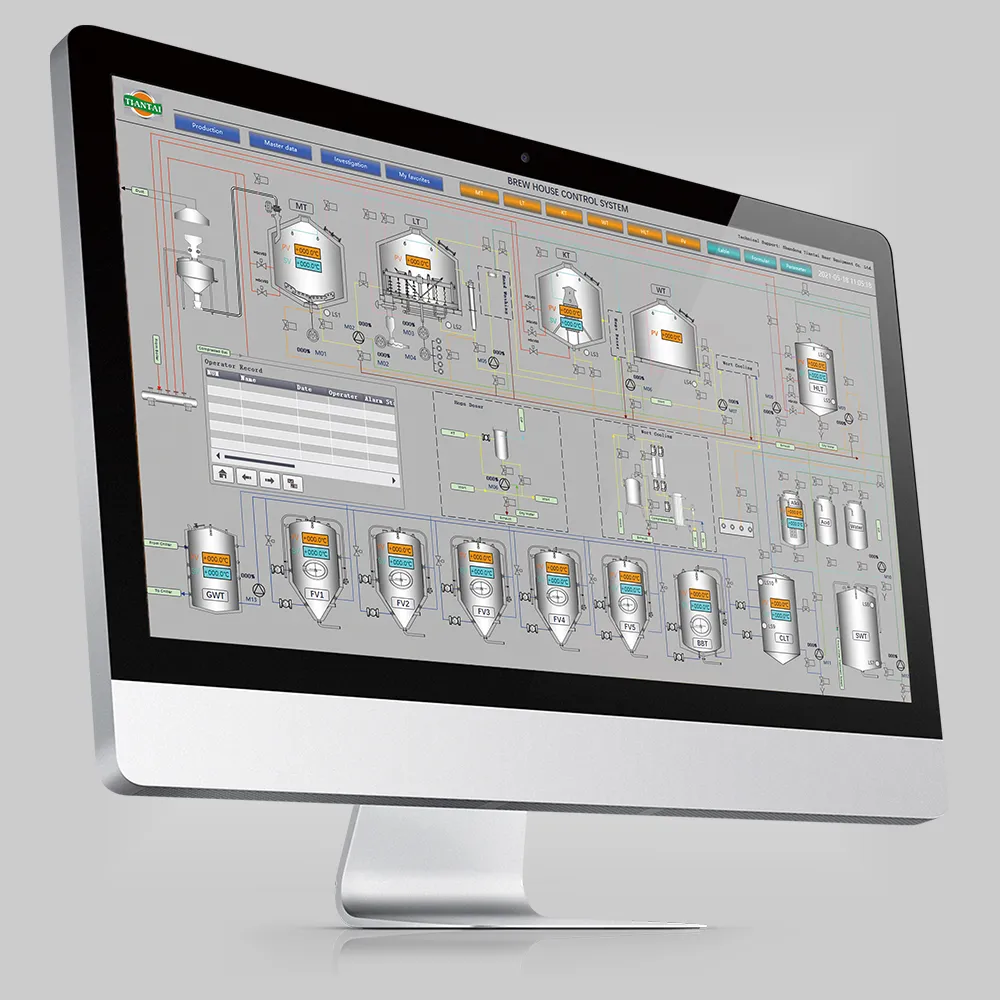
In contrast, an automatic brewery utilizes advanced control systems such as PLC (Programmable Logic Controller) and HMI (Human Machine Interface) touch screens. Brewing parameters including mash temperature, wort transfer, fermentation temperature, CIP cleaning cycles, and packaging operations can be automatically controlled and recorded.

Advantages of Automation:

  • Reduced human error
  • Improved process consistency
  • Easier operation
  • Better production traceability

2. Production Efficiency

Traditional brewing systems often require more manpower and longer production times. Manual adjustments and monitoring can slow down operations, especially when producing multiple batches per day.

An automated brewery system significantly improves efficiency by automating repetitive tasks. Operators can manage the entire brewhouse from a central control panel, allowing faster brewing cycles and higher production output.

For commercial breweries producing large volumes of beer, automation can substantially increase productivity.

3. Beer Quality Consistency

Consistency is critical for breweries seeking to establish a recognizable brand.

In traditional brewery operations, product quality depends largely on the skills and experience of the brewer. Variations in temperature control, ingredient additions, or timing may affect the final beer flavor.

Automatic brewery equipment maintains precise control over every stage of the brewing process. Automated temperature regulation, flow control, and recipe management help ensure that each batch meets the same quality standards.

This is especially important for breweries producing flagship beers on a large scale.

4. Labor Requirements

A traditional brewery generally requires more staff to operate equipment, monitor processes, clean vessels, and record production data.

With an automatic brewing system, many routine tasks are handled automatically. Breweries can reduce labor costs while improving operational efficiency. A smaller team can manage larger production volumes, making automation attractive for expanding breweries.

5. Initial Investment vs. Operating Cost

Traditional brewery systems typically have a lower initial purchase cost. This makes them suitable for small start-up breweries with limited budgets.

However, automatic brewery designs usually offer lower long-term operating costs due to reduced labor, lower product losses, improved energy efficiency, and optimized cleaning procedures.

Although the initial investment may be higher, many breweries achieve a favorable return on investment over time.

6. Data Collection and Smart Brewing

Modern automated breweries can collect and store production data automatically. Brewers can analyze brewing performance, track fermentation trends, monitor energy consumption, and optimize recipes using historical data.

Traditional breweries often rely on manual record-keeping, which can be less accurate and more time-consuming.

結論

Both traditional and automatic brewery designs have their advantages. Traditional systems offer flexibility and hands-on brewing experiences, while automatic breweries provide higher efficiency, improved consistency, reduced labor requirements, and better production management. As brewery technology continues to advance, many commercial breweries are choosing automated solutions to enhance competitiveness and support future growth.


トップに戻る