Learn how a HERMS brewing system works, its main components, advantages, and limitations. Discover how TIANTAI Beer Equipment can help breweries select the right brewhouse heating and temperature control solution.
Temperature control is one of the most important factors in beer brewing. During mashing, different temperatures activate different malt enzymes, influencing starch conversion, wort fermentability, beer body, and final flavor.
For breweries seeking accurate mash temperature control, a HERMS brewing system is one option worth considering.
HERMS stands for Heat Exchange Recirculating Mash System. It is a brewing configuration that uses a heat exchanger, commonly installed inside a hot liquor tank (HLT), to heat recirculating mash liquid indirectly.
HERMS systems are particularly popular among craft brewers who want consistent mash temperatures, gentle heating, and a flexible brewing process.
In this article, TIANTAI Beer Equipment explains how HERMS works, which components are required, its main advantages and limitations, and how to determine whether it is the right solution for your brewery.
1. What Does HERMS Mean in Brewing?
HERMS stands for Heat Exchange Recirculating Mash System.
In a typical HERMS brewhouse, wort is continuously or intermittently drawn from the mash tun, passed through a heat exchanger immersed in hot liquor, and returned to the mash tun.
The hot liquor transfers heat to the circulating wort without directly mixing with it.
By adjusting the hot liquor temperature and controlling the recirculation flow, the brewer can regulate the mash temperature during different stages of the mashing process.
HERMS is commonly associated with multi-vessel brewing systems, including three-vessel and four-vessel brewhouses.
Its main purpose is to provide controlled, indirect heating during mash recirculation.
2. How Does a HERMS Brewing System Work?
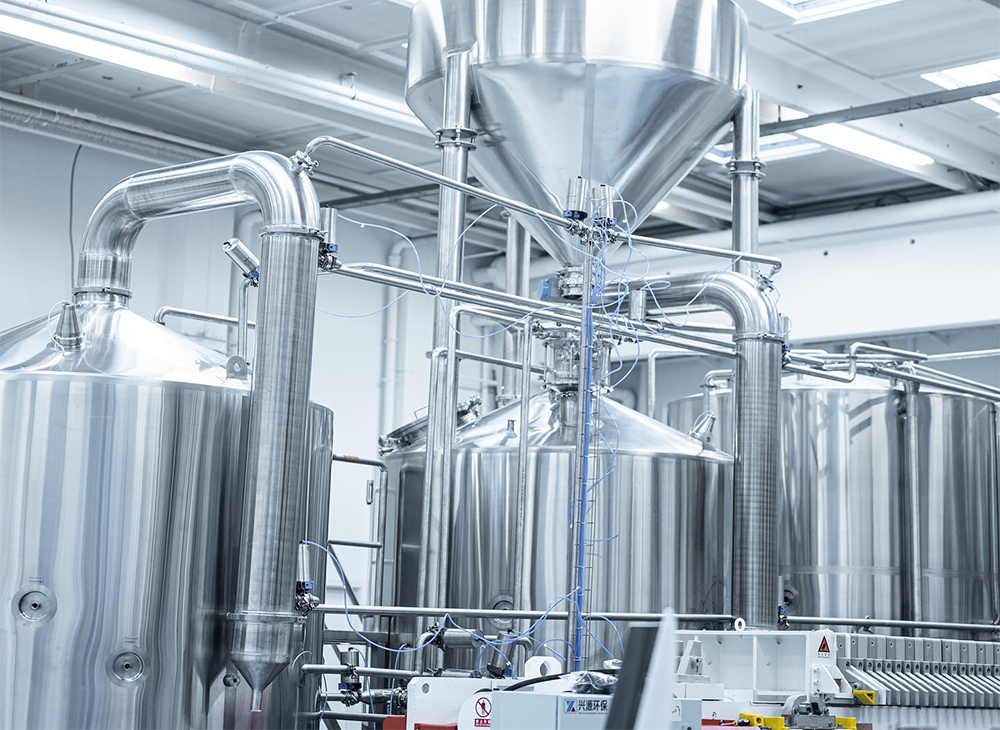
A HERMS system works by circulating wort through a heat exchanger located in a separate hot liquor tank. The operating sequence is generally as follows.
Step 1: Prepare the Mash
Milled malt is mixed with brewing water in the mash tun to form the mash.
The brewer selects the mash temperature according to the recipe and the desired wort characteristics.
Step 2: Heat the Hot Liquor Tank
The hot liquor tank is heated using an appropriate heat source, such as steam, electric heating elements, or another suitable heating arrangement.
The tank contains a heat exchanger, often made from stainless steel tubing.
Step 3: Recirculate the Wort
A wort pump draws liquid from the mash tun and sends it through the heat exchanger.
As the wort passes through the coil or exchanger, it absorbs heat from the surrounding hot liquor.
The heated wort is then returned to the mash tun.
Step 4: Control the Mash Temperature
Temperature sensors monitor the relevant process temperatures.
A control system can regulate the HLT heating source, wort recirculation pump, or control valves to maintain the desired mash temperature.
The control strategy should account for the temperature difference between the mash, the returning wort, and the hot liquor.
Step 5: Complete Mashing and Lautering
Once the mash schedule is complete, the brewer proceeds with lautering or the next process stage according to the brewhouse configuration.
In a combined mash/lauter tun, the same vessel may be used for both mashing and wort separation.
重要: HERMS is primarily a mash-heating and temperature-control arrangement. It does not replace the need for suitable lautering equipment, wort boiling, or other brewhouse operations.
3. What Equipment Is Required for a HERMS Brewhouse?
A HERMS configuration typically includes the following equipment.
| 設備 | Main function |
|---|---|
| Mash tun or mash/lauter tun | Holds the mash and supports enzymatic conversion |
| Hot liquor tank (HLT) | Stores and heats brewing water used for heat exchange |
| HERMS heat exchanger | Transfers heat from hot liquor to recirculating wort |
| Wort recirculation pump | Moves wort through the heat exchanger and back to the mash tun |
| 温度センサー | Monitor mash, wort return, and hot liquor temperatures |
| Control panel or PLC | Regulates heating and recirculation according to the control strategy |
| Piping, valves, and sanitary fittings | Connect the vessels and manage liquid flow |
| 麦汁ケトル | Boils the wort after lautering |
The exact equipment arrangement depends on the brewery’s production capacity and vessel configuration.
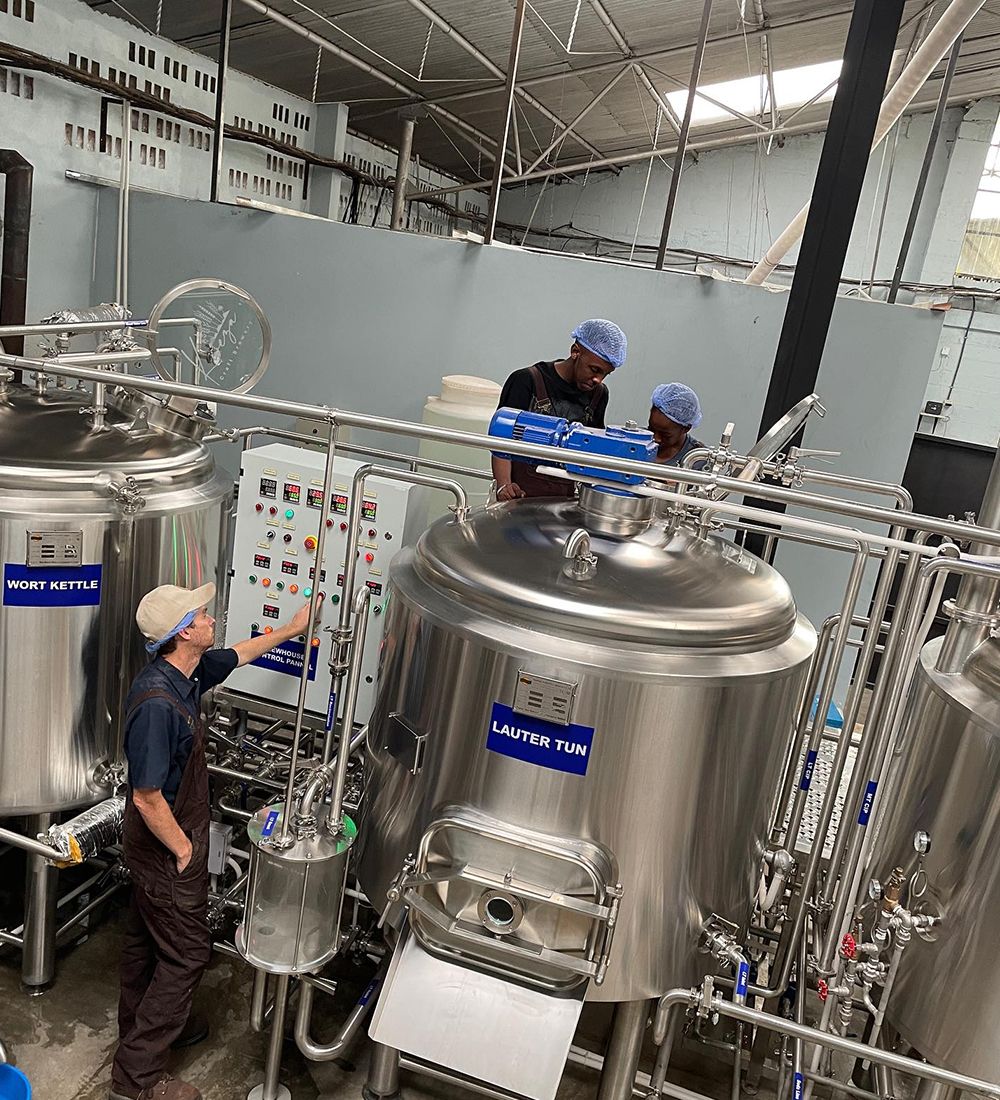
For example, a three-vessel brewhouse may combine mashing and lautering in one vessel, use a separate wort kettle, and include an HLT. The HERMS coil can be installed inside the HLT.
A four-vessel brewhouse may separate the mash tun and lauter tun, providing greater process flexibility but requiring more equipment and floor space.
4. What Are the Advantages of HERMS?
4.1 Accurate Mash Temperature Control
HERMS provides indirect heating that can help maintain a stable mash temperature. This is useful when a recipe requires multiple temperature rests, such as a protein rest where appropriate, beta-amylase activity, or alpha-amylase activity.
The actual enzyme activity and wort characteristics depend on the malt, mash pH, time, and temperature, so the temperature program should be selected according to the recipe.
4.2 Gentle, Indirect Heating
Because the wort is heated through a heat exchanger rather than directly by a heating surface in the mash tun, HERMS can reduce the risk of localized overheating.
This can be beneficial for breweries that want to recirculate wort while maintaining controlled heating. However, good flow distribution and proper heat exchanger sizing remain essential. Excessive heat input or inadequate circulation can still create temperature differences within the mash.
4.3 Improved Process Consistency
A well-designed HERMS system allows the brewer to repeat the same mash temperature program across multiple batches. When combined with calibrated sensors, reliable pumps, and suitable automation, it can reduce dependence on manual heating adjustments. This is particularly useful for craft breweries producing multiple recipes or aiming for repeatable beer quality.
4.4 Integration with Automated Brewing
HERMS can be integrated with a PLC-based brewhouse control system.
Depending on the configuration, the system may automate:
- Hot liquor temperature control.
- Wort recirculation.
- Mash temperature ramps.
- Temperature-rest timing.
- Alarms and process monitoring.
The achievable automation level depends on the control system and the additional functions included in the brewhouse.
5. What Are the Limitations of HERMS?
Although HERMS has several advantages, it is not always the best choice for every brewery.
5.1 Slower Temperature Ramps in Some Systems
The speed of mash heating depends on the heat exchanger’s surface area, available heating power, wort flow rate, and the thermal mass of the mash. Compared with some direct-heating or high-capacity external heat exchanger configurations, a small HERMS coil may heat the mash more slowly. The system should therefore be sized for the desired batch volume and temperature ramp rate.
5.2 Additional Equipment and Piping
HERMS requires a heat exchanger, recirculation piping, a suitable pump, temperature sensors, and associated controls. These components add complexity and may increase initial equipment cost. The additional piping and heat exchanger also require appropriate cleaning and maintenance procedures.
5.3 Dependence on the Hot Liquor Tank
The heat exchanger relies on the hot liquor tank to provide sufficient heat. If the HLT temperature is too low or its heating capacity is insufficient, the HERMS system may not be able to raise the mash temperature as quickly as expected. The HLT heating source and heat exchanger should be sized together rather than selected independently.
5.4 Cleaning and Flow Management
Wort passes through the HERMS heat exchanger, so the exchanger must be designed for hygienic service and effective cleaning. The tubing diameter, flow velocity, connection layout, and cleaning procedure should be considered during engineering. The system must also avoid excessive suction or recirculation rates that could compact the grain bed during mash recirculation.
6. HERMS vs. RIMS: Which Is Better for Your Brewery?
Another common mash-heating solution is RIMS, which stands for Recirculating Infusion Mash System. Both systems recirculate wort through a heating arrangement, but their heat sources are different.
| 特徴 | HERMS | RIMS |
|---|---|---|
| Full name | Heat Exchange Recirculating Mash System | Recirculating Infusion Mash System |
| Heating method | Indirect heat exchange with hot liquor | Inline heating element or external heating chamber |
| Typical installation | Heat exchanger in HLT | Inline with wort recirculation loop |
| Temperature response | Depends on HLT and exchanger capacity | Can respond quickly with appropriate heater sizing |
| Main heat source | HLT heating system | Dedicated inline heater |
| Additional equipment | Heat exchanger and HLT integration | RIMS heating chamber and associated controls |
| Key design concern | Heat transfer capacity and HLT temperature | Localized overheating, flow protection, and heater control |
Neither system is universally superior.
HERMS can be attractive when a brewery already has a suitably sized HLT and prefers indirect mash heating.
RIMS may be suitable when compact inline heating and rapid temperature adjustment are priorities.
For commercial breweries, the final choice should also consider batch size, energy source, maintenance, cleaning, available utilities, and automation requirements.
7. Is HERMS Suitable for a Commercial Brewery?
Yes, HERMS can be used in commercial brewing systems, but its suitability depends on the brewery’s scale and process objectives.
For small craft breweries, HERMS may offer a practical way to achieve controlled mash heating without installing a separate direct-heating system in the mash tun.
For medium-sized breweries, the system must be engineered around the required batch cycle, heating rate, HLT capacity, and wort recirculation flow.
For large commercial breweries, alternative heating arrangements, including steam-heated vessels and external heat exchangers, may be more appropriate depending on throughput and plant design.
A HERMS configuration should not be selected simply because it is common among craft brewers. Its heat transfer capacity must be sufficient for the intended production schedule.
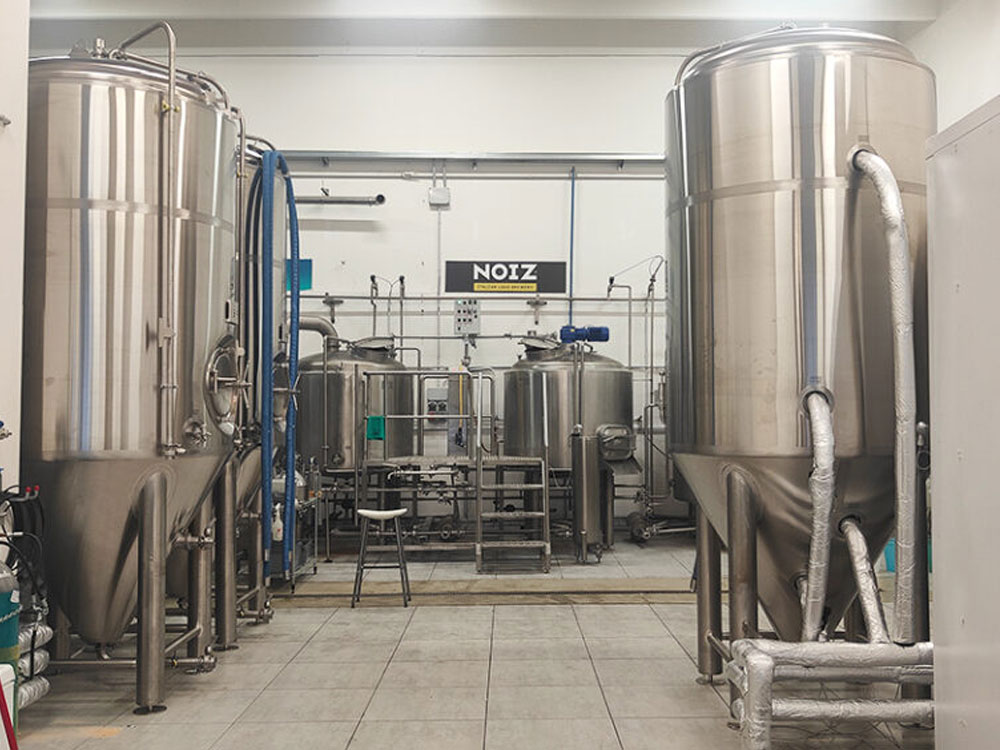
8. How to Select the Right HERMS System for Your Brewhouse
Before specifying a HERMS system, TIANTAI Beer Equipment recommends evaluating the following technical parameters.
Brewhouse batch size: Determine the volume of wort produced per batch and the quantity of mash being heated.
Mash temperature program: Define the required temperature rests, temperature increments, and target heating times.
HLT capacity and heating power: Confirm that the hot liquor tank can provide the required heat while meeting other hot-water demands.
Heat exchanger design: Select the exchanger’s material, surface area, tubing arrangement, and flow capacity according to the required heat transfer duty.
Wort pump performance: Ensure the pump can provide the required recirculation flow without creating excessive pressure drop or compacting the grain bed.
Temperature measurement and control: Specify sensor locations, control accuracy, heating interlocks, and the desired automation level.
Cleaning and maintenance: Confirm that the heat exchanger and piping can be cleaned effectively and inspected when required.
Available utilities: Consider steam supply, electrical capacity, water availability, and other site-specific requirements.
These parameters should be evaluated together to ensure the HERMS system performs reliably within the complete brewhouse.
9. TIANTAI Beer Equipment’s Recommendations
At TIANTAI Beer Equipment, we believe that the best brewhouse configuration is the one that matches the customer’s brewing process, production capacity, budget, and operating requirements.
HERMS is one option for achieving controlled mash heating, particularly in breweries that value indirect heat transfer and automated temperature management. However, the decision should be based on engineering calculations rather than a general preference for one system. For each project, our recommendations focus on matching the mash vessel, hot liquor tank, heat exchanger, wort pump, heating source, and control system. We also consider whether a HERMS configuration is more suitable than RIMS, direct vessel heating, or another heat exchanger arrangement.
TIANTAI Beer Equipment provides customized brewing equipment solutions, including mash/lauter tuns, hot liquor tanks, wort kettles, fermentation tanks, and automated brewhouse systems.
Whether you are building a new craft brewery or upgrading an existing production facility, our team can help you evaluate the appropriate heating and temperature-control configuration.
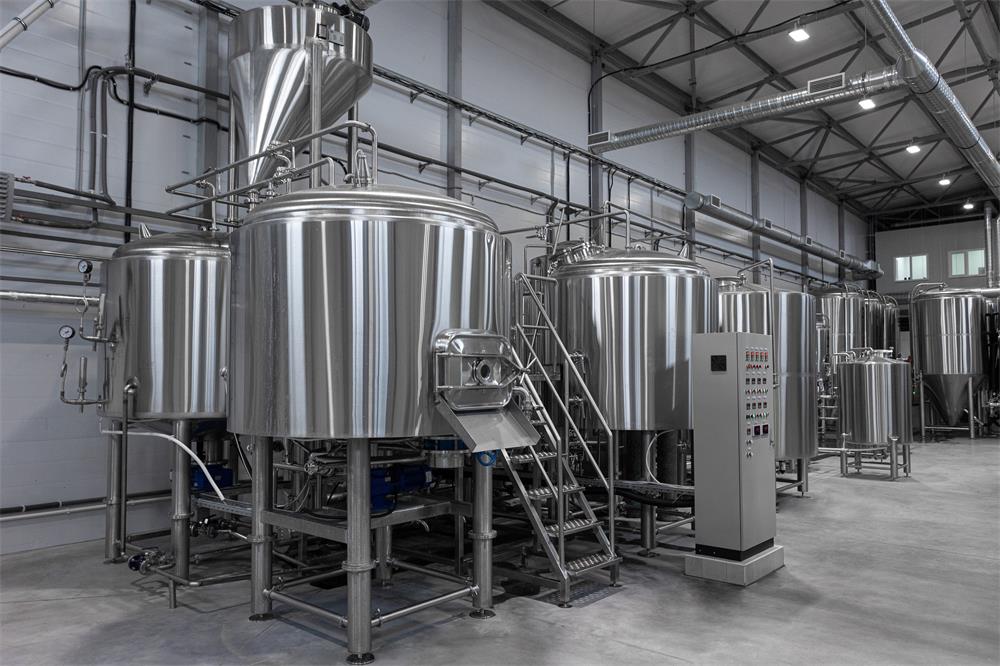
HERMS, or Heat Exchange Recirculating Mash System, is a mash-heating arrangement that uses a heat exchanger to transfer heat from hot liquor to recirculating wort. Its main benefits include controlled indirect heating, consistent mash temperature management, and potential integration with automated brewing systems. Its performance depends on correct heat exchanger sizing, HLT heating capacity, wort circulation, temperature measurement, and overall brewhouse design. Before selecting HERMS, breweries should compare it with RIMS and other heating options based on their production targets and operational requirements.
Planning a new brewhouse or looking for a customized HERMS brewing system?
連絡先 TIANTAI ビール機器 to discuss your batch capacity, heating method, mash temperature requirements, and brewhouse automation needs.
TIANTAI Beer Equipment — Professional Brewing Solutions from Individual Equipment to Complete Brewery Systems.
デイジー メールアドレス:[email protected]