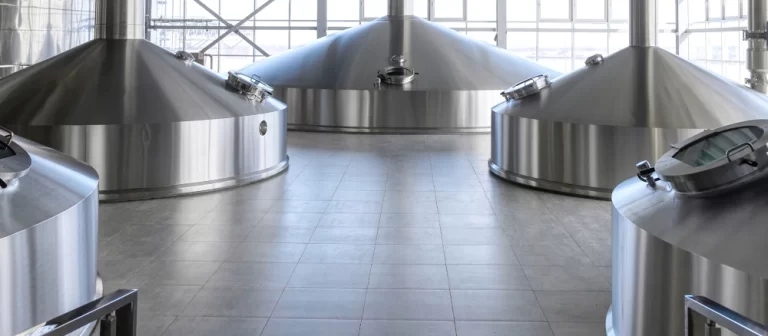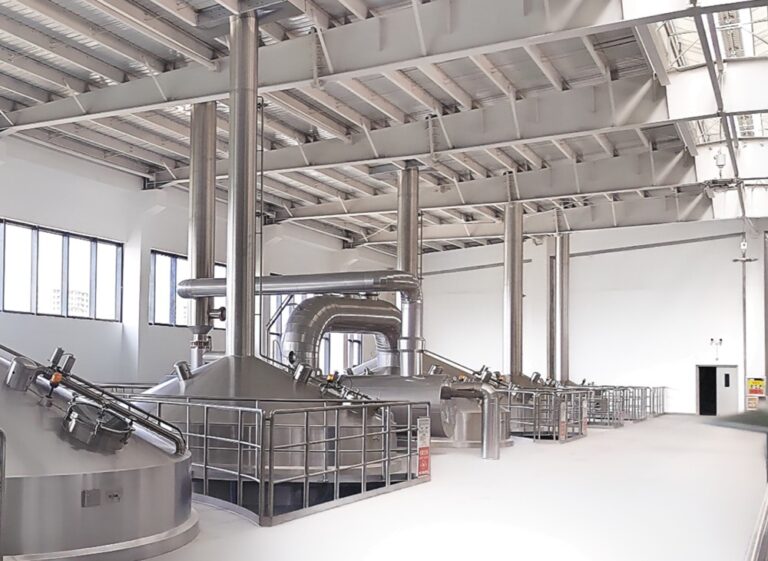
The core of automated design for whisky distillation equipment lies in using sophisticated instruments and control systems to transform the traditional process, which relies on “feel” and “experience,” into quantifiable and reproducible precise control. This not only ensures a high degree of consistency in style for each batch of new whisky but also significantly improves yield and energy efficiency. Whisky Distillation Equipment Automation changes a lot of the brewing and distillation.
The following are key automation designs and sensor applications in whisky distillation equipment.
Core Automation Design: From Sensing to Execution
– Distributed Control System and Fieldbus: This is the “brain” and “neural network” of the automation system. Modern distilleries widely use fieldbus technologies such as PROFIBUS PA to connect all sensors, valves, and transmitters. These digital signals are aggregated into a central control system, enabling centralized monitoring of all stills, remote parameter adjustment, and fault diagnosis, significantly reducing wiring costs and maintenance complexity.
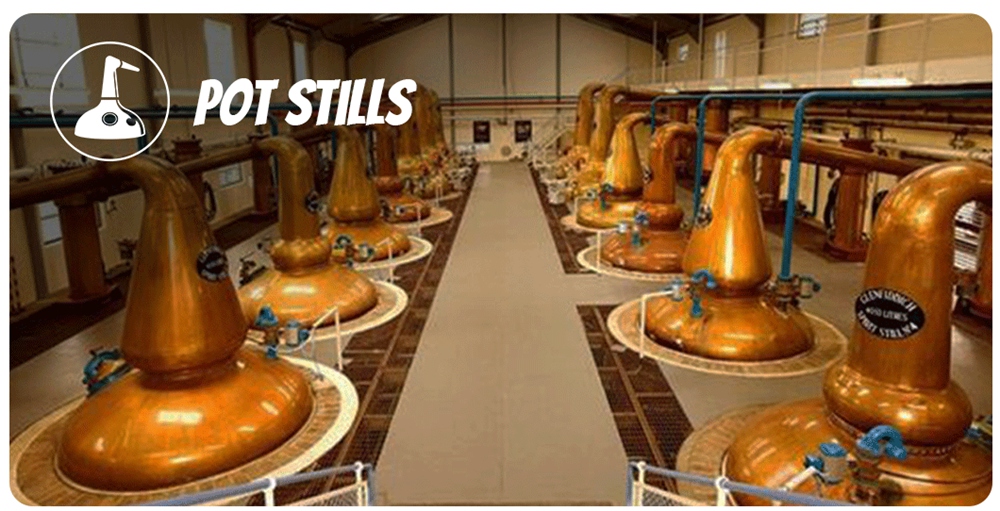
– Closed-Loop Control of Key Processes:
– Precise Temperature Control: The distillation process is extremely sensitive to temperature. The system monitors the temperature at various points in the still in real time using platinum resistance temperature sensors. After comparing the temperature with the target curve, the controller automatically adjusts the opening of the steam regulating valve to precisely control the heating intensity.
– Intelligent Reflux: For stills with reflux columns, the system monitors the temperature distribution on the trays using a temperature sensor array and automatically adjusts the cooling water flow control valve to precisely control the reflux ratio, thereby efficiently separating the desired flavor compounds.
– Explosion-proof and Safety Control: Because the still is filled with alcohol vapor, electrical equipment must meet explosion-proof requirements. The automation system uses Zone 2 certified intrinsically safe modules and isolation barriers to connect to valves and sensors in the field, ensuring safe operation in potentially hazardous environments.
Key Sensors: The “Sensors” of the Automation System
To achieve the above control, a series of high-precision sensors are needed to sense the process status.
– Flow and Concentration Measurement: This is the most crucial measurement in the distillation process.
– Coriolis Mass Flow Meter: This is the core instrument of the distillery. It can simultaneously and directly measure mass flow rate, density, temperature, and alcohol concentration. For example, at the Macallan distillery, the ABB CoriolisMaster series flow meters are used to measure the alcohol concentration of new spirits, ensuring accurate dilution from 94.3% to the 67-68% required for barrel aging. Yokogawa’s ROTAMASS TI also offers ±0.6% accuracy in such applications to meet stringent audit requirements for tax compliance.
– Vortex Flow Meters: Primarily used to measure the flow rate of steam and condensate for energy management and process control. For example, the ABB VortexMaster and Emerson Rosemount 8600 measure the steam flow rate in heating stills, helping to optimize energy consumption.
– Level and Pressure Measurement: Ensures the stability and safety of the distillation process.
– Non-contact Radar Level Gauges: Used for level monitoring in wort tanks and low-alcohol preheaters. For example, the Emerson Rosemount 1408H uses non-contact measurement, meets hygiene standards, and is unaffected by foaming and changes in liquid properties, reliably preventing spills.
– Pressure transmitters: Used to monitor internal pressure of the still and heating jacket pressure. At The Macallan distillery, ABB 261GS pressure transmitters are used to monitor still pressure, providing an early warning function when the pressure drops below 25 mbar to prevent equipment collapse due to vacuum.
– Cutting-edge sensing technology: Real-time flavor monitoring and leak detection.
– Portable biosensors: This is a cutting-edge technology under development. The Scotch Whisky Institute is developing a biosensor based on microfluidic chips for real-time quantitative detection of flavor compounds such as phenols during fermentation and distillation, replacing time-consuming and expensive laboratory analysis.
– Robotic inspection and gas sensors: In cask aging warehouses, evaporation losses (“angel’s share”) represent a significant cost. Bacardi’s Duval distillery is piloting a quadruped robot equipped with a highly sensitive ethanol vapor sensor. This robot automatically patrols the warehouse, pinpointing oak barrels with abnormal leakage levels, helping the distillery reduce losses and improve safety.
In short, automation in whisky distillation is not about replacing the craftsman’s skill, but rather providing them with powerful tools. From precise Coriolis flow meters to cutting-edge robotic sensors, these technologies work together to ensure that traditional flavors are produced with maximum efficiency and consistency. Tiantai has a lot Whisky Distillation Equipment Automation and welcome to contact with us!
If you are interested in any Distillation Equipment, please feel free to contact us:
アイビー・リャン(セールス・ディレクター)
Eメール:[email protected]