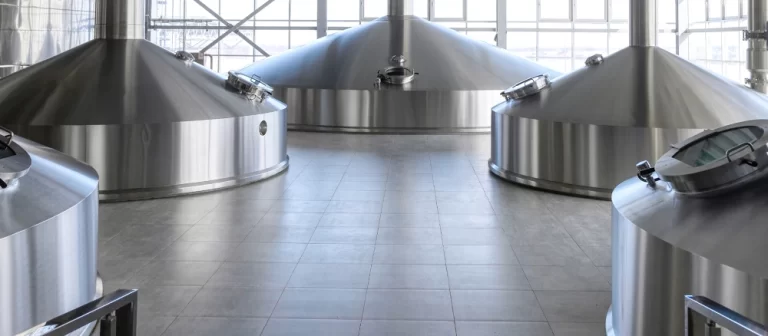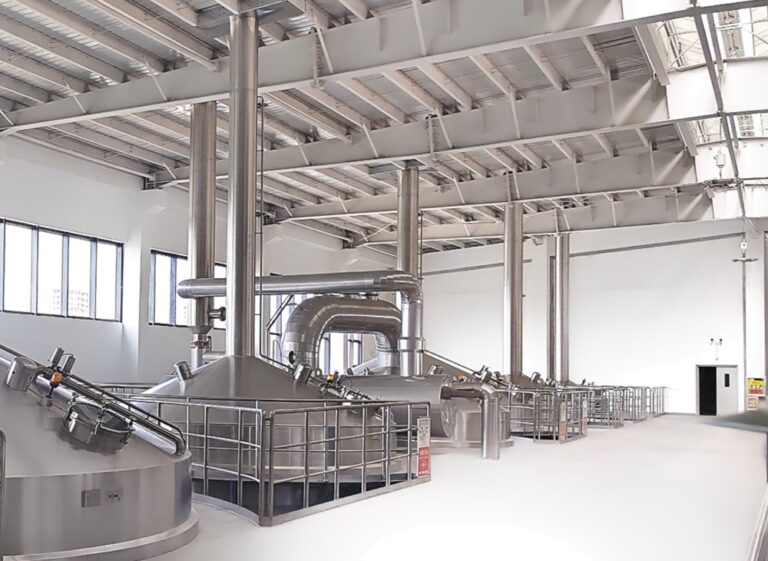
When planning a new brewery or upgrading an existing brewing facility, choosing the right beer fermentation tanks involves more than tank capacity, cooling jackets, pressure ratings, and temperature control. The quality of the tank’s interior surface is another important factor that can influence brewery hygiene, cleaning efficiency, and long-term operating performance.
Many breweries prefer stainless steel fermentation tanks with an interior mirror finish because a smooth, properly polished surface can make cleaning easier, reduce the retention of beer residues, and support effective Clean-in-Place (CIP) procedures.
But what does an interior mirror finish actually mean? Is it necessary for every brewery, and how does it compare with a standard polished stainless steel surface?
In this article, TIANTAI ビール機器 explains the benefits of mirror-finished fermentation tanks and offers practical recommendations for breweries of different sizes.
1. What Is an Interior Mirror Finish on a Beer Fermentation Tank?
An interior mirror finish refers to a highly polished stainless steel surface with a bright, reflective appearance. It is commonly used in hygienic equipment where smooth surfaces and effective cleaning are important.
Beer fermentation tanks are typically manufactured from food-grade stainless steel, such as AISI 304 or AISI 316L, depending on the application and project requirements.
The interior finish is generally achieved through mechanical polishing, grinding, and, where specified, additional surface treatment.
A key technical consideration is that a mirror-like appearance does not automatically guarantee a specific surface roughness. Breweries should confirm the required roughness value, commonly expressed as Ra in micrometers (μm), rather than relying on visual appearance alone.
For example, a brewery may specify an interior surface roughness of Ra ≤ 0.8 μm, while a more demanding project may require Ra ≤ 0.6 μm or a different value based on its hygiene standards and process requirements.
The appropriate specification depends on the intended application, cleaning validation requirements, and applicable standards.

2. Five Key Benefits of Mirror-Finished Beer Fermentation Tanks
2.1 Improved Cleanability and Brewery Hygiene
During fermentation, beer residues, yeast, proteins, and other organic materials can accumulate on tank surfaces.
If the interior surface has excessive roughness, scratches, or poorly finished welds, these areas may make residues more difficult to remove during cleaning.
A properly polished stainless steel surface helps reduce surface irregularities where residues can accumulate. This can make it easier for the CIP system to remove contaminants and prepare the tank for the next production batch.
For breweries producing multiple beer styles or operating frequent fermentation cycles, good cleanability is especially valuable.
However, surface finish is only one part of brewery hygiene. Effective cleaning also depends on the correct CIP chemical concentration, temperature, contact time, flow conditions, spray-device coverage, and tank drainage.
2.2 Reduced Residue Retention
Beer contains various organic compounds, including proteins, carbohydrates, and yeast-derived materials. Some of these substances may adhere to tank walls during fermentation and beer transfer.
A smooth, well-maintained interior surface can reduce the opportunities for residues to become trapped in surface irregularities.
This is particularly useful for breweries that need to maintain consistent cleaning procedures between batches.
It is important to understand that a mirror finish does not make a tank completely resistant to residue buildup. Effective cleaning procedures and proper equipment design remain essential.
2.3 More Efficient CIP Cleaning
Clean-in-Place systems allow breweries to clean fermentation tanks without dismantling the equipment.
A properly designed CIP system may use water rinsing, alkaline cleaning, intermediate rinsing, and acid cleaning when required by the brewery’s validated cleaning procedure.
An appropriately polished interior surface can support effective CIP cleaning by reducing the retention of soils and making surfaces easier to clean.
Potential benefits include:
- More consistent cleaning results.
- Reduced need for manual cleaning in difficult areas.
- Better repeatability between production batches.
- Potential savings in cleaning time, water, chemicals, and energy when the overall CIP process is optimized.
These savings are not automatic. They depend on the original surface condition, CIP design, cleaning recipe, and operating practices.
2.4 Support for Beer Quality and Microbiological Control
Beer quality depends on maintaining suitable fermentation conditions and preventing contamination from unwanted microorganisms.
Although beer fermentation tanks are usually closed vessels, their interior surfaces must still be designed and maintained to support effective cleaning and sanitation.
A smooth stainless steel finish, combined with properly finished welds, hygienic fittings, effective CIP coverage, and appropriate sanitation procedures, helps breweries maintain a controlled production environment.
For breweries producing lagers, ales, wheat beers, sour beers, or other specialty products, reliable cleaning between batches is an important part of quality management.
重要: A mirror finish alone cannot sterilize a tank or guarantee microbiological safety. Proper cleaning, sanitation, process control, and microbiological monitoring are still required.
2.5 Long-Term Maintenance and Operational Reliability
A well-manufactured stainless steel fermentation tank can provide many years of service when properly operated and maintained.
The quality of the interior polishing, weld finishing, surface treatment, and fabrication influences how easily the tank can be cleaned and inspected over its service life.
Breweries should pay particular attention to weld seams, tank bottoms, manways, product outlets, temperature-probe connections, and other areas where residue may accumulate.
A mirror finish should also be maintained correctly. Abrasive cleaning tools, unsuitable chemicals, and improper surface treatment can damage the finish or compromise corrosion resistance.
For this reason, breweries should evaluate not only the appearance of the tank interior but also the manufacturer’s fabrication quality and finishing procedures.
3. Mirror Finish vs. Standard Polished Stainless Steel
Not every brewery requires the highest possible level of polishing. The best specification depends on production requirements, hygiene targets, cleaning procedures, and investment budget.
| 特徴 | Standard polished finish | Interior mirror finish |
|---|---|---|
| Surface appearance | Smooth, generally less reflective | Highly reflective |
| Cleanability | Depends on roughness and fabrication quality | Can support easier cleaning when properly specified |
| Residue retention | Depends on surface condition and weld quality | Reduced surface irregularities when properly polished |
| CIP対応 | Suitable when correctly designed | Suitable when correctly designed |
| Initial equipment cost | May be lower | May be higher |
| Typical application | General brewery production | Breweries prioritizing demanding hygiene and surface-finish specifications |
The distinction between these finishes is not always standardized. Two tanks described as having a mirror finish may have different surface roughness values.
Therefore, breweries should request a defined Ra value, clarify how it will be measured, and establish acceptance criteria before manufacturing.
4. What Interior Surface Roughness Should a Brewery Specify?
Surface roughness is often a more useful technical specification than the term “mirror finish” alone.
Ra represents the arithmetic average of the absolute deviations of a measured surface profile from its mean line.
The following values are examples of possible project specifications, not universal requirements for every brewery.
| Example specification | Practical consideration |
|---|---|
| Ra ≤ 0.8 μm | A commonly used target for hygienic stainless steel process surfaces |
| Ra ≤ 0.6 μm | A finer finish that may be specified for more demanding applications |
| Ra ≤ 0.4 μm | A high-grade finish that may be selected for specialized requirements |
A lower Ra value indicates a smoother measured surface, but it does not automatically mean the entire tank is easier to clean under every operating condition.
The condition of welds, surface defects, drainage, cleaning coverage, and the measurement method are also important.
For breweries with strict hygienic requirements, TIANTAI recommends confirming the required interior surface roughness and weld-finish criteria during the technical design stage.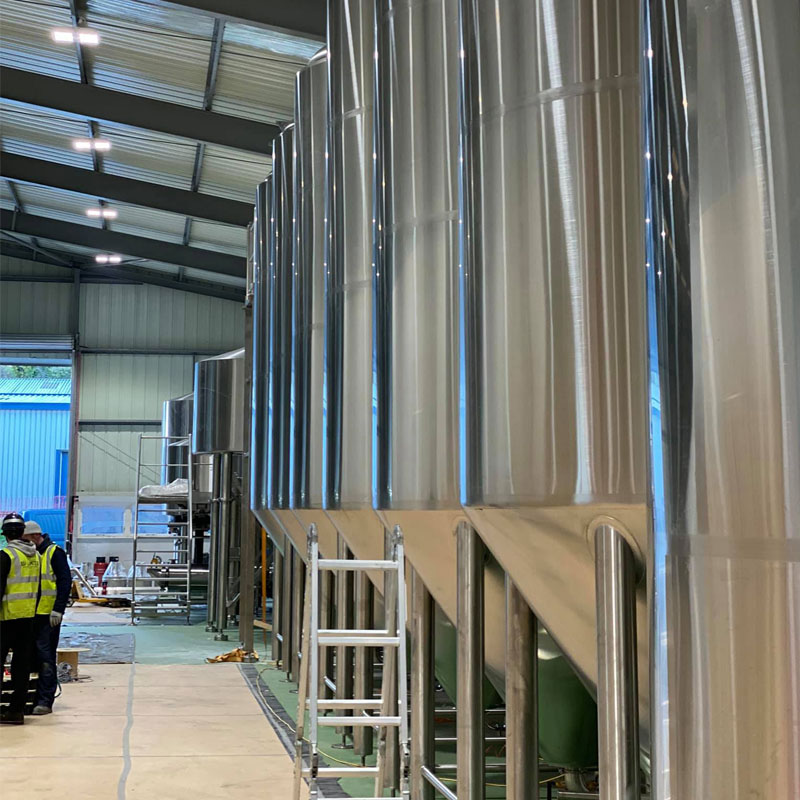
5. Which Brewery Projects Benefit Most from a Mirror Finish?
Small Craft Breweries
For small breweries producing limited batches, a standard hygienic stainless steel finish may be sufficient when cleaning procedures are well controlled.
An interior mirror finish may be worth considering when the brewery produces multiple beer styles, frequently changes recipes, or wants to simplify routine cleaning and maintenance.
Medium-Sized Breweries
Medium-sized breweries often operate multiple fermentation tanks and need predictable turnaround times between batches.
A well-specified interior finish, together with effective CIP equipment, can support more consistent cleaning practices and efficient production scheduling.
Large Commercial Breweries
Large breweries place greater emphasis on repeatability, cleaning validation, production efficiency, and hygienic equipment standards.
For these facilities, defined surface roughness values, consistent weld finishing, documented fabrication procedures, and verifiable quality-control requirements are especially important.
The final specification should be based on the brewery’s process design and quality standards rather than tank size alone.

6. Other Design Features to Consider Alongside the Interior Finish
An excellent interior finish cannot compensate for poor tank design. When purchasing beer fermentation tanks, breweries should also evaluate the following features.
Stainless steel material: Select AISI 304 or AISI 316L according to the product, cleaning chemicals, operating environment, and corrosion-resistance requirements.
Weld quality: Product-contact welds should be properly finished, free from unacceptable defects, and suitable for hygienic cleaning.
CIP spray devices: Spray balls or rotary spray devices must provide appropriate coverage of the tank’s interior surfaces.
Tank drainage: The bottom design and product outlets should minimize retained liquid and facilitate cleaning.
Cooling performance: Cooling jackets, temperature sensors, and control systems should maintain the temperature profile required by the selected beer style.
Pressure and safety design: Working pressure, design pressure, relief devices, and applicable pressure-vessel requirements must be specified according to the project and installation location.
Quality inspection: Surface roughness measurements, weld inspections, material documentation, and pressure tests should be agreed upon as applicable to the tank design.
These factors work together to determine the tank’s practical performance and service life.

7. TIANTAI Beer Equipment’s Recommendations
At TIANTAI Beer Equipment, we believe that fermentation tank specifications should be selected according to the brewery’s actual production requirements, not simply by choosing the most expensive finish available.
For breweries planning a new project, we recommend the following approach.
First, define the cleaning and hygiene requirements. Consider the beer styles, production frequency, CIP method, and any customer or regulatory standards that apply.
Second, specify the interior finish using measurable technical parameters. Where surface roughness is important, state the target Ra value and the required inspection method.
Third, evaluate the complete tank design. Interior polishing should be considered alongside weld finishing, drainage, CIP coverage, cooling performance, and pressure requirements.
Finally, compare the initial investment with the expected operating benefits. A higher-grade finish may be worthwhile when it supports demanding hygiene requirements or frequent production changeovers, but it should not be assumed to deliver a particular cost saving without operational evidence.
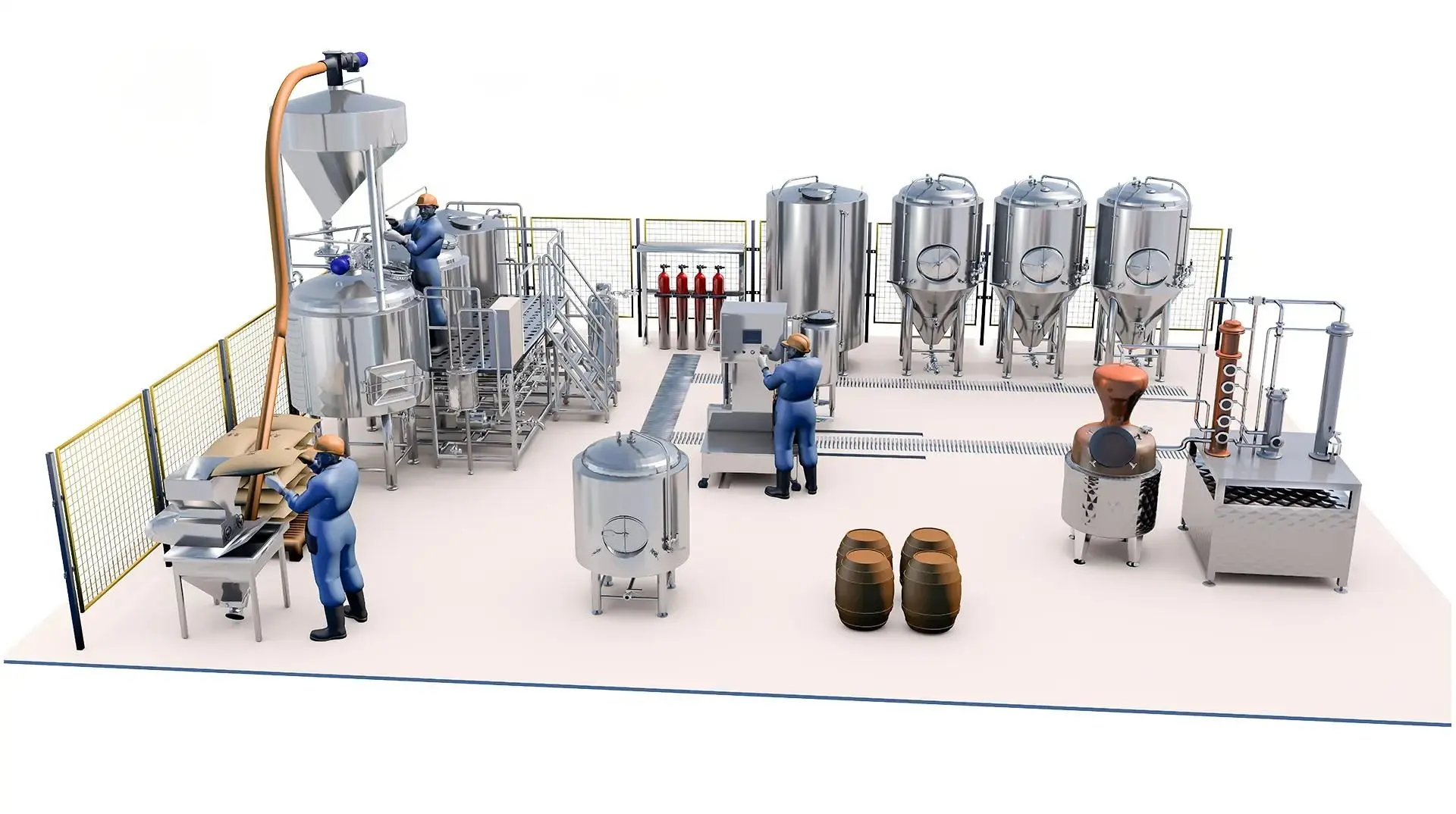
TIANTAI Beer Equipment provides brewery equipment solutions for craft breweries, medium-sized production facilities, and commercial brewing projects. Our team can help customers evaluate fermentation tank capacities, stainless steel options, interior surface finishes, cooling systems, CIP configurations, and other technical requirements.
Our objective is to help breweries select reliable equipment that supports consistent beer quality, efficient cleaning, and long-term operation.
An interior mirror finish can be a valuable feature of a beer fermentation tank, particularly when cleanability, hygienic design, and consistent CIP performance are priorities.
However, the most important consideration is not how shiny the tank looks. It is whether the interior surface has the required roughness, the welds are properly finished, and the complete tank design supports effective cleaning and reliable operation.
By specifying measurable surface-finish requirements and evaluating the tank as a complete system, breweries can make a more informed investment decision.
Looking for stainless steel beer fermentation tanks with a specified interior mirror finish?
連絡先 TIANTAI ビール機器 to discuss your brewery capacity, fermentation tank configuration, surface-finish requirements, and customized equipment solution.
TIANTAI Beer Equipment — Professional Brewery Equipment Solutions for Your Brewing Business.
デイジー メールアドレス:[email protected]