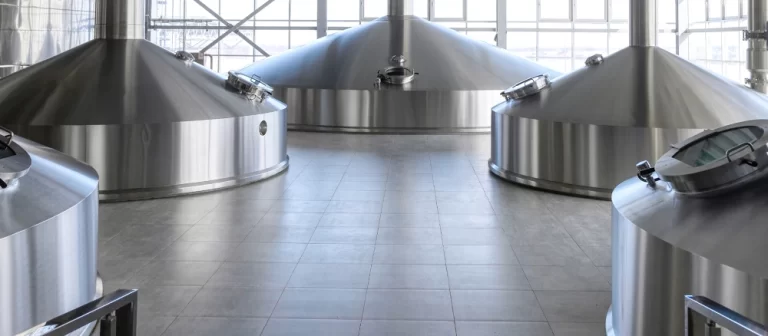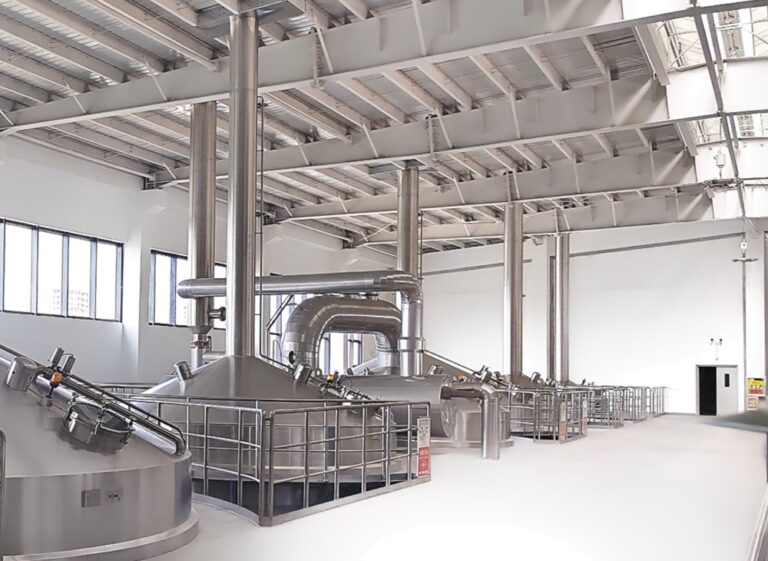
In beer brewing, temperature control is one of the most important factors affecting fermentation performance and final beer quality. Even small temperature fluctuations can influence yeast activity, fermentation speed, flavor development, and the consistency of the finished beer.
To monitor fermentation temperature accurately, TIANTAI Brewtech designs beer fermentation tanks with a dedicated thermowell installation.
Although a thermowell is a relatively small component compared with the entire fermentation tank, it plays an important role in the temperature monitoring system.
What exactly is a thermowell? Why is it necessary for a beer fermentation tank? And how does TIANTAI design it to improve temperature measurement and equipment reliability?
Let’s take a closer look.
1. What Is a Thermowell on a Beer Fermentation Tank?
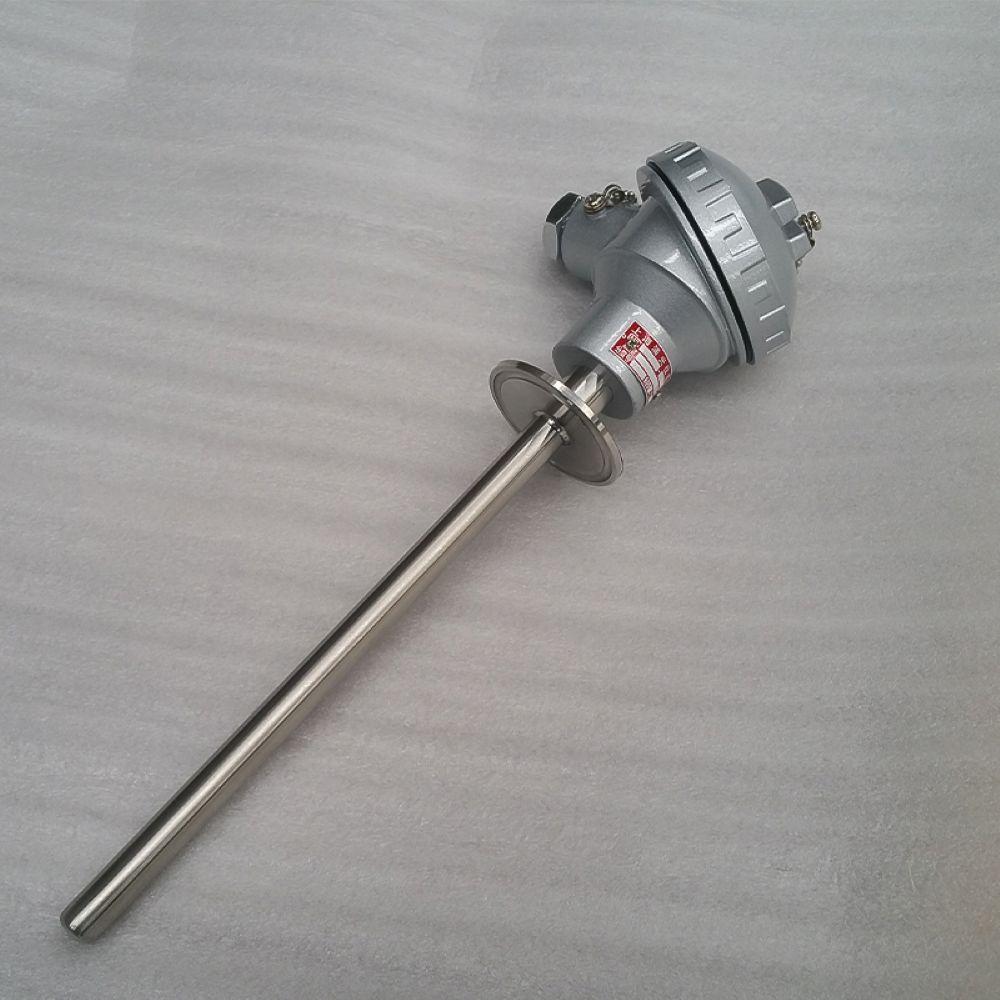
A thermowell is a protective metal sleeve installed on a fermentation tank to accommodate a temperature sensor, such as a PT100 resistance temperature detector (RTD).
Its main function is to provide a dedicated protective housing for the temperature sensor while allowing the sensor to measure the temperature of the beer or fermentation liquid.
The thermowell is generally made of stainless steel and is designed to extend into the tank interior.
The temperature sensor is inserted into the thermowell, allowing it to detect the temperature without being directly exposed to the beer.
In other words, the thermowell acts as a protective interface between the temperature sensor and the product inside the fermentation tank.
2. Why Does TIANTAI Design a Thermowell for Fermentation Tanks?
You may wonder why a temperature sensor cannot simply be installed directly inside the beer fermentation tank.
There are several important reasons why using a thermowell is a better engineering solution.
2.1 Protecting the Temperature Sensor
During fermentation, beer contains yeast, proteins, suspended solids, and other substances.
A temperature sensor installed directly in the product may be exposed to mechanical impact, deposits, cleaning chemicals, and repeated maintenance operations.
A thermowell provides a protective metal housing that reduces direct exposure and helps protect the sensor from mechanical damage.
2.2 Convenient Sensor Installation and Replacement
A thermowell allows the temperature sensor to be installed and removed separately from the tank.
If the PT100 sensor needs inspection, calibration, or replacement, maintenance personnel can remove it without opening the product-contact boundary, provided the thermowell has a properly sealed, closed-end design.
This makes maintenance easier and helps reduce unnecessary interruption to brewery operations.
2.3 Reliable Temperature Monitoring
The thermowell provides a stable installation position for the temperature sensor.
When properly designed, its insertion depth and contact arrangement allow the sensor to measure the temperature of the fermentation liquid accurately and consistently.
This is particularly important when the fermentation temperature is automatically controlled through a PLC system.
2.4 Improved Hygiene and Product Safety
A properly designed thermowell can provide a smooth, hygienic product-contact surface.
The sensor remains inside the protective sleeve rather than being directly exposed to the beer.
This helps simplify hygienic design and supports effective cleaning and sanitization procedures.
3. How Does a Thermowell Work?
The working principle is relatively simple.
A typical thermowell temperature measurement system includes three main components:
1. Thermowell
The stainless steel protective sleeve is installed on the fermentation tank and extends into the liquid.
2. Temperature Sensor
A PT100 sensor is inserted into the thermowell. It detects temperature changes through the metal wall of the thermowell.
3. Temperature Control System
The temperature signal is transmitted to a temperature controller or PLC system, which displays the measured temperature and compares it with the preset fermentation temperature.
If the actual temperature is higher or lower than the target temperature, the control system can regulate the cooling system accordingly.
For example:
- When fermentation temperature rises above the preset value, the cooling system is activated.
- When the temperature reaches the target value, the cooling system reduces or stops cooling.
- The process repeats automatically to maintain the desired fermentation temperature.
This allows brewers to monitor and control fermentation conditions more conveniently.
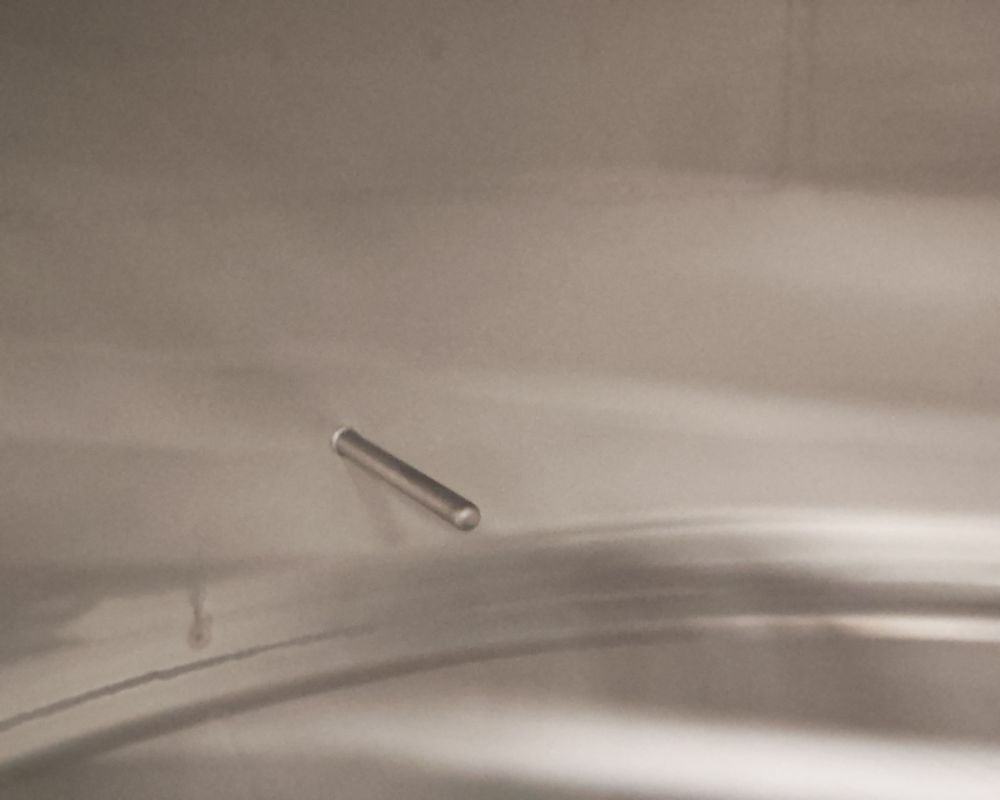
4. Where Is the Thermowell Installed on a Beer Fermentation Tank?
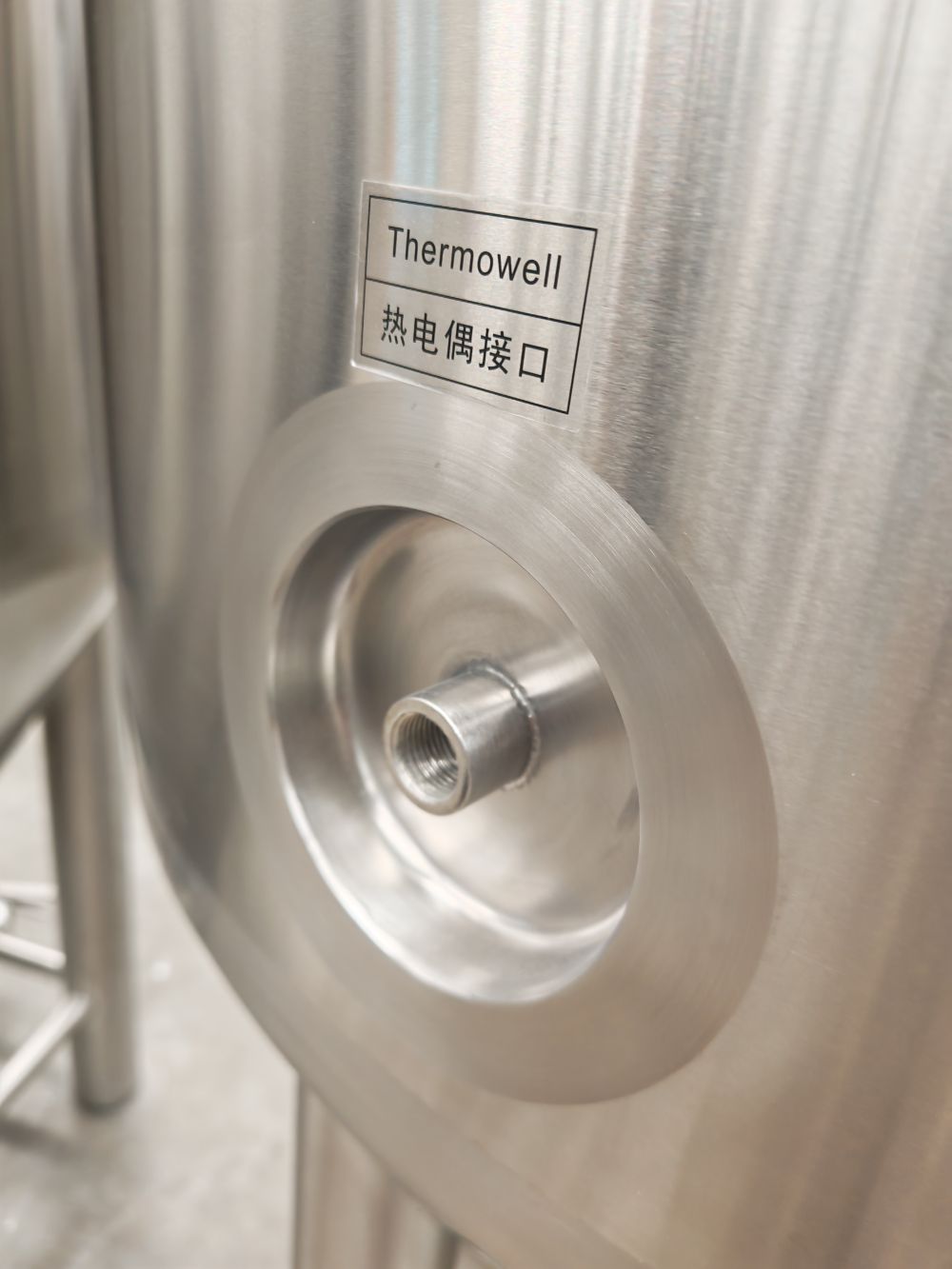
The thermowell is generally installed on the sidewall of the fermentation tank, with its sensing end extending into the fermentation liquid.
Its installation position should be carefully selected.
Important considerations include:
Appropriate Immersion Depth
The thermowell should extend sufficiently into the beer to measure the actual liquid temperature rather than simply the temperature near the tank wall.
Avoiding Interference
It should be positioned to avoid interference with internal mechanical components, spray devices, or other tank accessories.
Representative Temperature Measurement
The sensor should be located in a position that provides a representative measurement of the fermentation liquid.
Convenient Maintenance
The external connection should allow easy installation, removal, and inspection of the temperature sensor.
For beer fermentation tanks, the exact installation position and insertion length depend on the tank diameter, capacity, internal structure, and sensor specifications.
5. What Materials Are Used for TIANTAI Thermowells?
Material selection is important because the thermowell is exposed to the beer and the brewery’s cleaning and sanitizing processes.
For stainless steel beer fermentation tanks, commonly used materials include:
- SS304: Suitable for many general industrial and food-processing applications.
- SS316L: Offers better corrosion resistance, particularly in environments involving more aggressive cleaning chemicals or chloride exposure.
For brewery applications, SS316L is often preferred for product-contact thermowells because of its improved corrosion resistance.
The inner and outer surfaces should be finished appropriately to meet the hygienic requirements of the brewery.
The thermowell should also be designed with a sealed end to prevent beer from entering the sensor cavity.
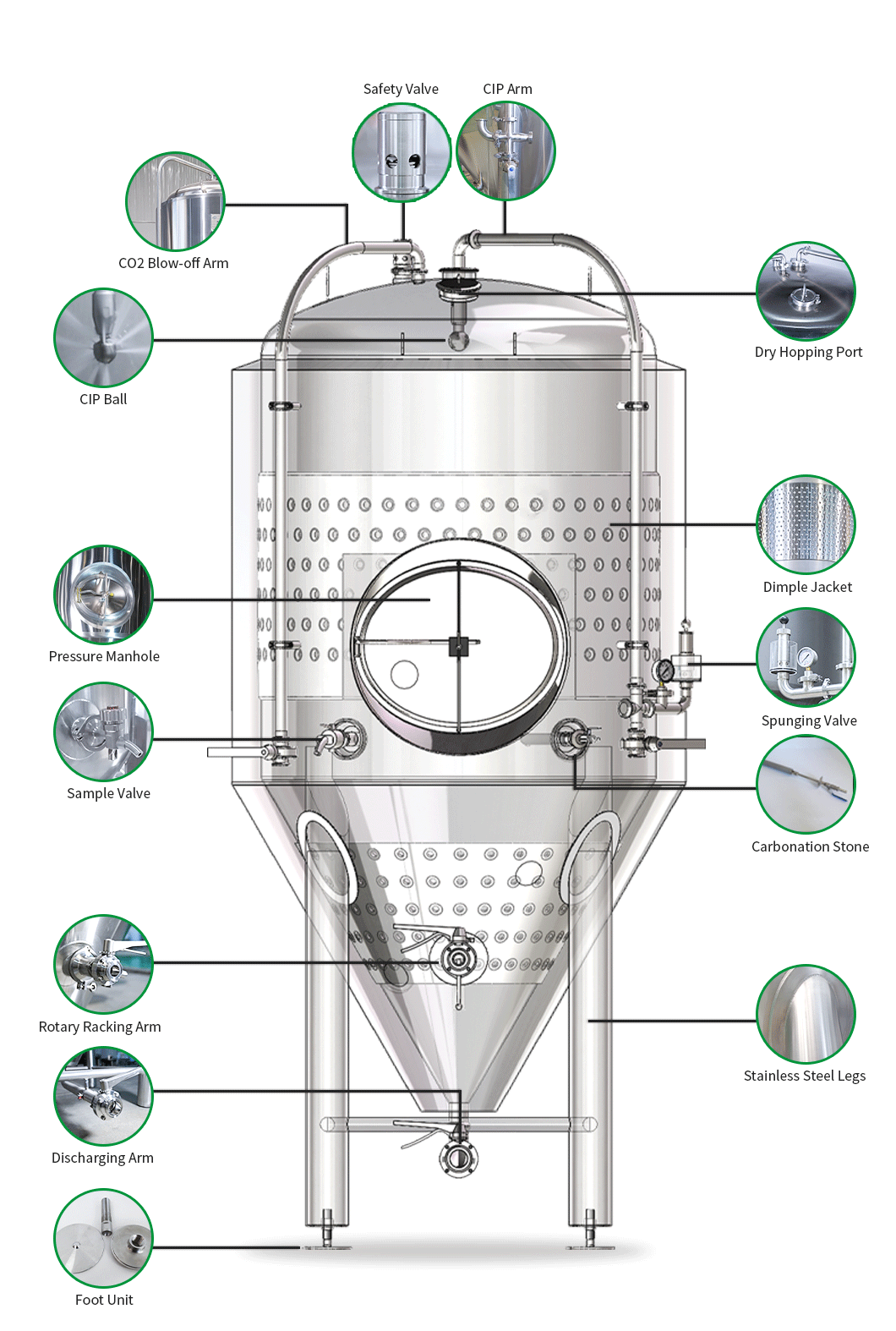
6. Thermowell Design: What Details Should Breweries Pay Attention To?
Although thermowells look simple, several design details directly affect temperature measurement performance.
6.1 Wall Thickness
The thermowell wall should provide sufficient mechanical strength while allowing effective heat transfer from the beer to the temperature sensor.
6.2 Insertion Length
An appropriate insertion length helps ensure that the sensor measures the liquid temperature rather than being overly influenced by the tank wall or surrounding environment.
6.3 Sensor Compatibility
The internal diameter and length of the thermowell must match the selected temperature sensor.
A PT100 sensor should fit properly to ensure effective thermal contact.
6.4 Hygienic Connection
The thermowell should use a suitable sanitary connection and sealing arrangement to prevent leakage and minimize contamination risks.
6.5 Response Time
The thermowell introduces an additional thermal barrier between the beer and the sensor.
Its material, wall thickness, immersion length, and sensor fit all influence response time.
A well-designed thermowell should balance mechanical protection, hygienic requirements, and temperature response performance.
7. How Does the Thermowell Work with the Cooling System?
The thermowell is not an independent cooling device. Instead, it is an important part of the complete fermentation temperature control system.
A typical TIANTAI beer fermentation tank temperature control arrangement includes:
- PT100 temperature sensor.
- Stainless steel thermowell.
- Temperature display and control system.
- PLC or automatic control panel.
- Cooling jacket installed on the fermentation tank.
- Glycol water supply and return pipelines.
- Automatic pneumatic or electric control valves, depending on the system configuration.
The temperature sensor continuously monitors the fermentation temperature.
When the measured temperature exceeds the target value, the control system opens the corresponding cooling valve to allow chilled glycol water to circulate through the tank jacket.
As the fermentation liquid cools down to the preset temperature, the system adjusts or closes the cooling valve.
Through this process, the thermowell provides the temperature feedback required for automatic fermentation temperature management.
8. TIANTAI Brewtech: Attention to Every Detail of Fermentation Tank Design
At TIANTAI Brewtech, we believe that high-quality brewery equipment is not determined only by tank capacity, stainless steel thickness, or external appearance.
Small components, such as thermowells, temperature sensors, valves, and sanitary connections, are also important parts of a reliable fermentation system.
When designing customized beer fermentation tanks, TIANTAI considers:
- Appropriate thermowell installation position.
- Compatible PT100 temperature sensor specifications.
- Food-grade stainless steel material selection.
- Hygienic connection and sealing design.
- Accurate temperature measurement requirements.
- Integration with automatic glycol cooling control systems.
- Convenient inspection and maintenance.
Whether you are building a craft brewery, a commercial beer production facility, or an industrial brewery, TIANTAI Brewtech can provide customized fermentation tank designs according to your production capacity, process requirements, and automation level.

Conclusion: Never Overlook the Thermowell!
A thermowell may be a small accessory on a beer fermentation tank, but it plays an important role in protecting the temperature sensor and supporting reliable fermentation temperature monitoring.
By combining a properly designed thermowell, a suitable PT100 sensor, and an automatic cooling control system, breweries can achieve more convenient temperature monitoring and stable fermentation management.
At TIANTAI Brewtech, we pay attention to every detail of brewery equipment design because we know that reliable brewing performance starts with well-engineered components.
Looking for professionally designed beer fermentation tanks with reliable temperature control systems? Contact TIANTAI Brewtech for your customized brewery solution.
Daisy Email: [email protected]