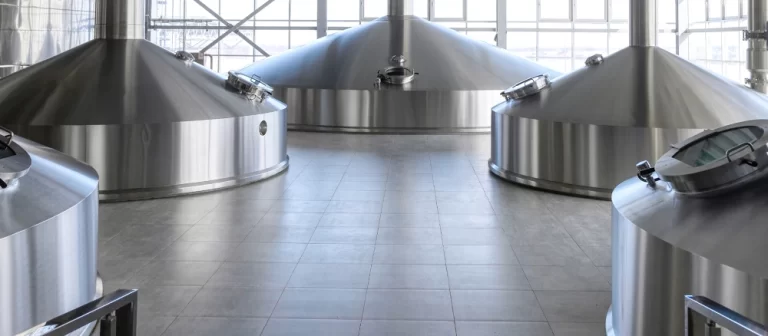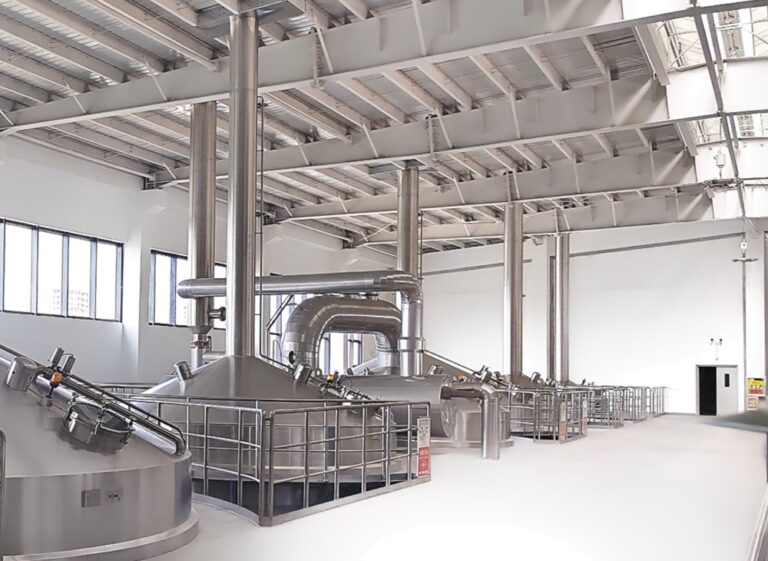
In a modern brewery, the mash/lauter tun plays a critical role in separating wort from spent grains. One of its most important mechanical components is the grain rake system.
During lautering, the grain rake moves through the grain bed to loosen compacted grains, improve wort flow, and support efficient wort separation. But what happens if the grain bed becomes too compacted and the grain rake gets stuck?
Can the grain rake rotate in the opposite direction to release the blockage?
At TIANTAI Brewtech, this is an important consideration in mash/lauter tun design. Let’s take a closer look at how the grain rake system works, why reverse rotation is useful, and how it helps protect brewery equipment.
1. What Is the Grain Rake System in a Mash/Lauter Tun?
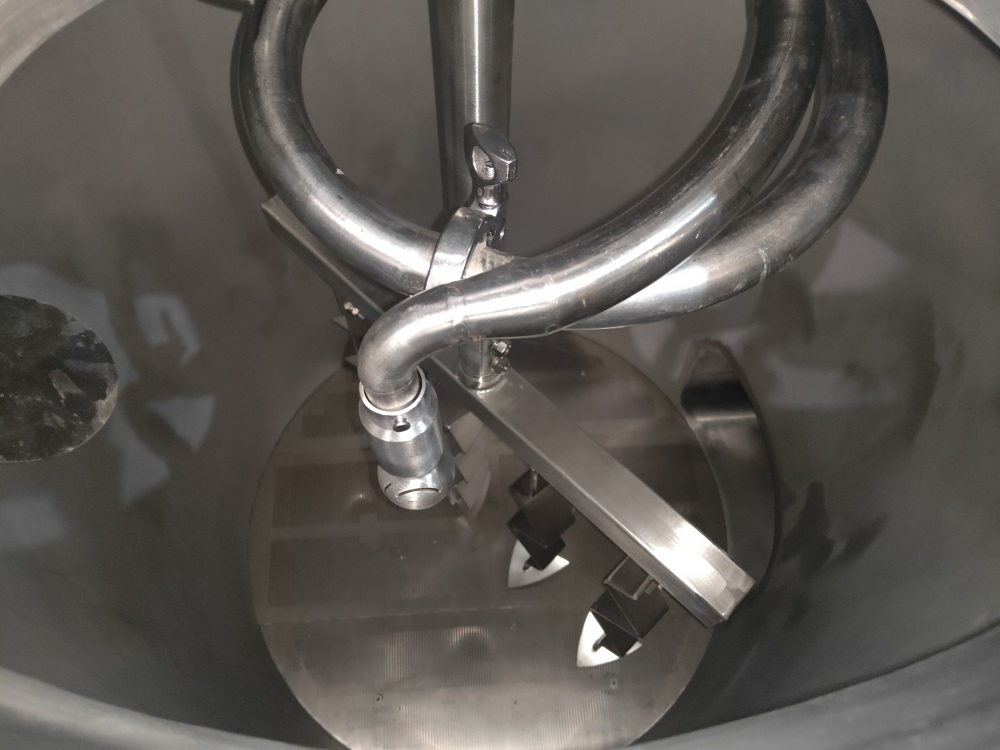
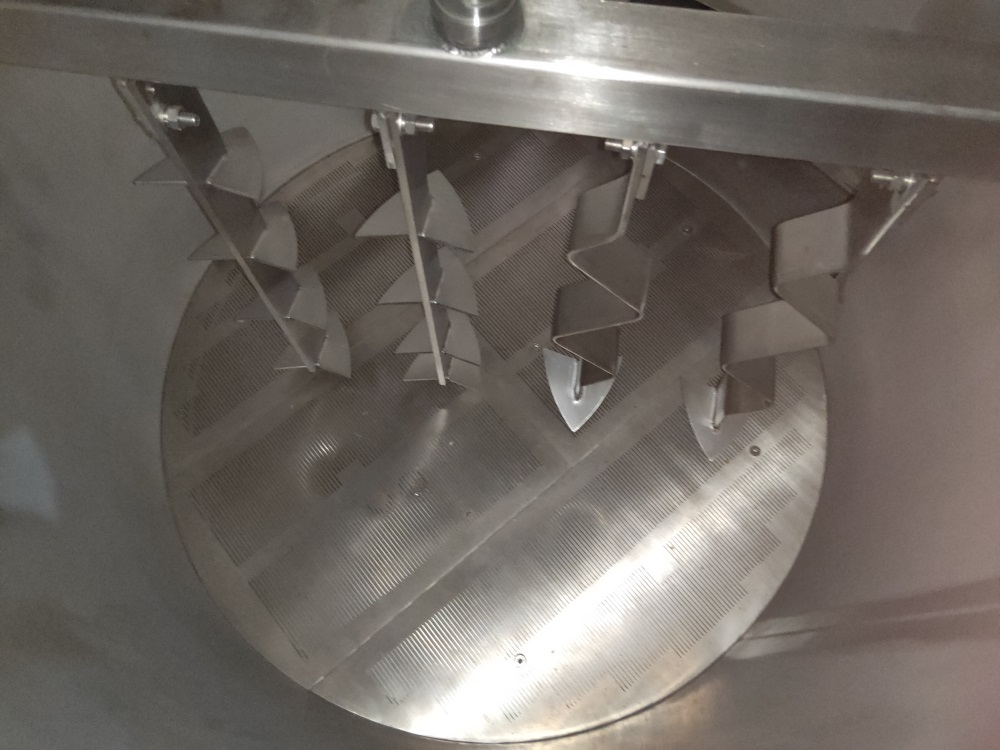
The grain rake is a mechanical stirring and loosening device installed inside the mash/lauter tun.
It typically consists of:
- A central rotating shaft.
- Multiple rake arms.
- Adjustable or fixed rake blades.
- A motor and gearbox drive system.
- A lifting mechanism for adjusting the rake height.
During lautering, the grain rake rotates slowly across the grain bed. Its blades gently loosen the grain bed to prevent excessive compaction and maintain good wort permeability.
The rake height and rotation speed can be adjusted according to the lautering stage and the characteristics of the grain bed.
Proper rake operation helps achieve:
- More uniform wort flow.
- Reduced grain bed compaction.
- Improved lautering efficiency.
- More stable wort separation.
- Easier spent grain discharge.
2. What Happens If the Grain Rake Gets Stuck?
During actual brewing operations, several situations can cause excessive resistance or even prevent the grain rake from rotating.
1. Excessively Compacted Grain Bed
If the grain bed becomes too compacted, the resistance against the rake blades increases significantly.
2. Incorrect Rake Height
If the rake is positioned too low, the blades may encounter excessive resistance from the grain bed or even contact the false bottom.
3. High Grain Loading
A high grain-to-water ratio or an unsuitable milling configuration may increase the risk of grain bed compaction.
4. Improper Lautering Operation
Rapid wort withdrawal or insufficient control of differential pressure can cause the grain bed to compact, making rake movement difficult.
When these conditions occur, continuously forcing the rake to rotate in the same direction may overload the motor, gearbox, shaft, or mechanical transmission system.
This is why reverse rotation control is a valuable feature.
3. Does the TIANTAI Mash/Lauter Tun Have Reverse Rotation Control?
TIANTAI mash/lauter tun drive systems can be configured with forward and reverse rotation control.
When the grain rake encounters excessive resistance or becomes stuck, the operator can stop the drive and use the reverse rotation function to move the rake in the opposite direction.
This can help:
- Release accumulated mechanical resistance.
- Loosen compacted grain around the rake blades.
- Reduce the risk of prolonged drive overload.
- Restore normal rake movement.
- Improve operational flexibility during lautering.
The reverse rotation function is particularly useful when processing high-gravity mashes or working with grain bills that are more prone to compaction.
Important: Reverse rotation is an auxiliary recovery function, not a substitute for correct milling, mash preparation, rake height adjustment, and lautering control.
The control system should include appropriate motor overload protection and interlocks. Operators should stop the drive and assess the cause of the blockage before attempting reverse operation.
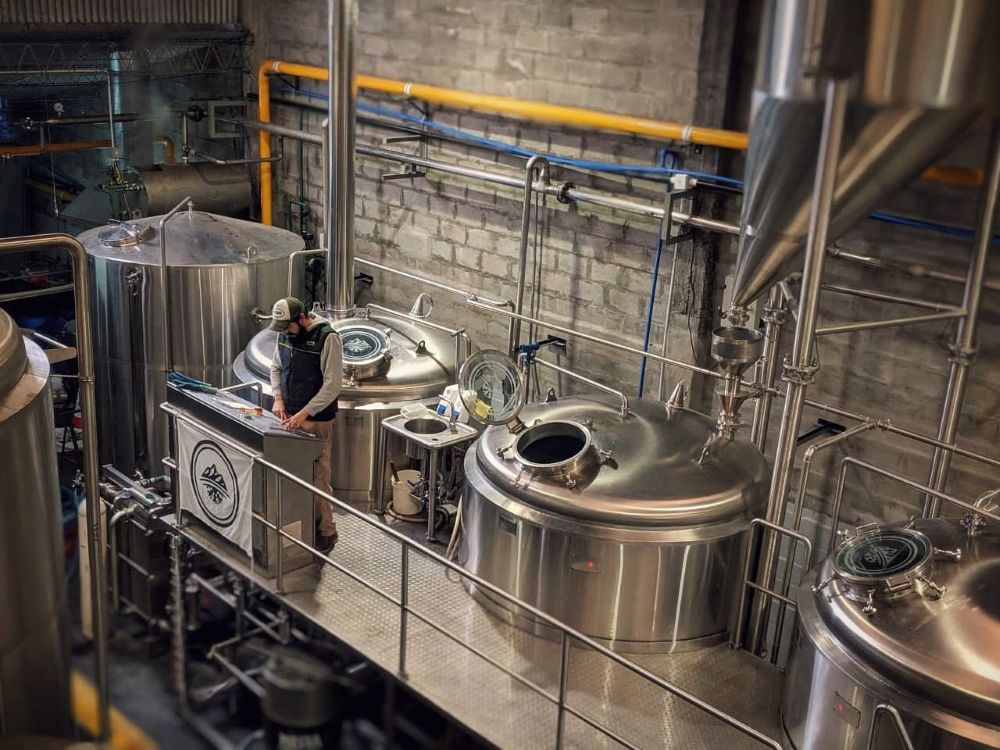
4. How Does the Reverse Rotation Function Work?
In a TIANTAI mash/lauter tun equipped with a reversible drive system, the motor is controlled through an electrical control system.
The basic operating logic is as follows:
Forward Rotation
The grain rake rotates in the normal direction during lautering to loosen the grain bed and support wort separation.
Stop
If the operator notices abnormal resistance, the drive is stopped. The system can also use overload protection to stop the motor automatically.
Reverse Rotation
After confirming that reverse operation is safe, the operator activates the reverse command. The motor rotates in the opposite direction to help release the resistance.
Return to Normal Operation
Once the blockage or excessive resistance has been resolved, the operator stops the reverse movement and returns the rake to normal forward rotation.
The actual control logic, reverse duration, and operating limits should be configured according to the drive system and equipment design.
5. Why Is Reverse Rotation Important for Brewery Equipment?
Reverse rotation is more than just an additional control button. It is a practical design consideration that can improve equipment operation and maintenance.
| Advantage | Explanation |
|---|---|
| Blockage recovery | Helps release resistance when the grain rake gets stuck |
| Equipment protection | Reduces the need to continuously force a jammed rake in one direction |
| Operational flexibility | Gives operators an additional way to handle abnormal operating conditions |
| Reduced downtime | May help restore normal operation without immediate mechanical disassembly |
| Drive system protection | Works together with overload protection to reduce the risk of equipment damage |
However, reverse rotation cannot guarantee recovery from every blockage. Severe mechanical jamming may require manual inspection and maintenance.
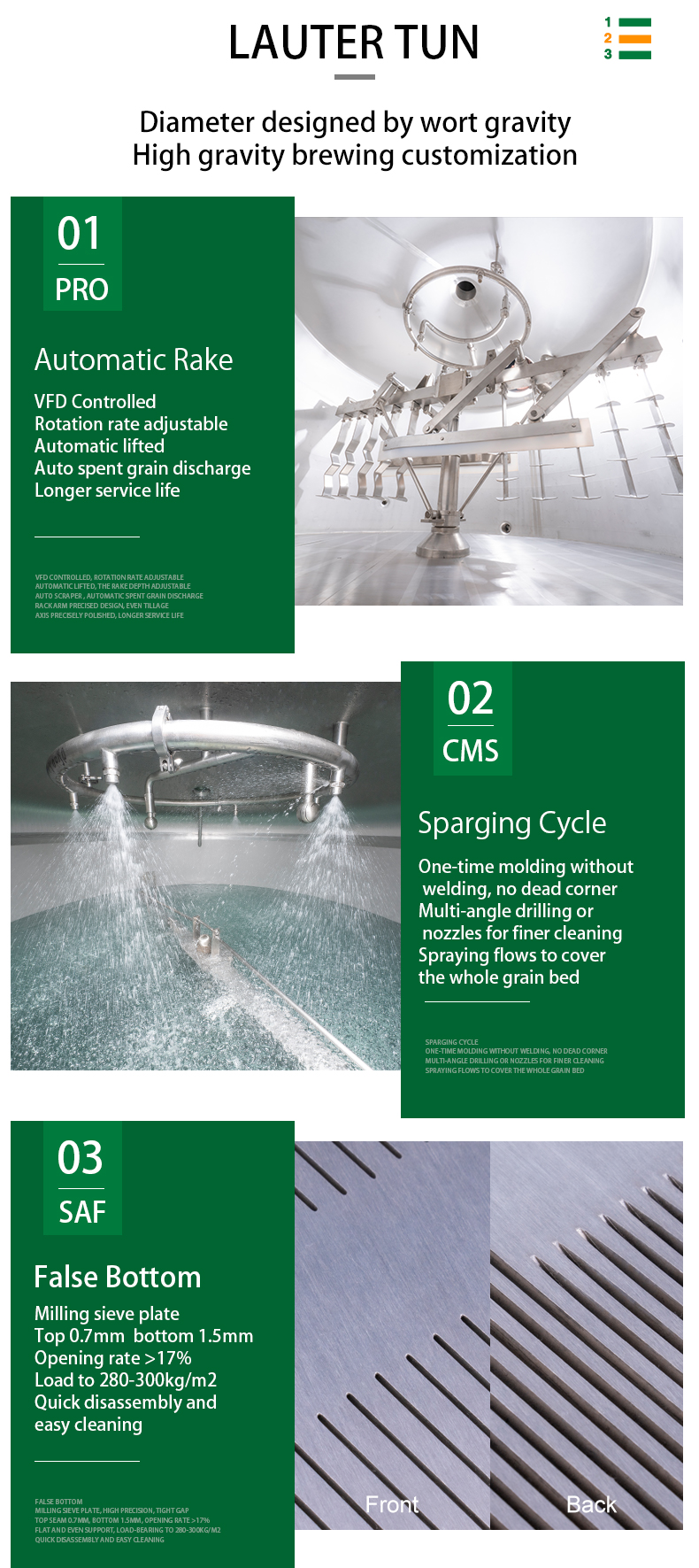
6. What Other Features Should You Consider When Choosing a Mash/Lauter Tun?
When purchasing a mash/lauter tun, breweries should consider more than just tank capacity.
A well-designed grain rake system should provide:
Adjustable Rake Height
The lifting mechanism allows operators to adjust the rake position according to the grain bed condition and lautering stage.
Variable Speed Control
Different grain bills and lautering conditions require different rake speeds. Variable frequency drive (VFD) control allows operators to adjust rotation speed.
Forward and Reverse Rotation
A reversible drive provides additional flexibility when excessive resistance or grain bed compaction occurs.
Motor Overload Protection
The electrical control system should protect the motor and transmission components against excessive loads.
Robust Mechanical Structure
The rake shaft, arms, blades, gearbox, and supporting structure must be designed to withstand the expected operating loads.
Easy Maintenance
The mechanical drive and lifting system should be designed for convenient inspection and maintenance.
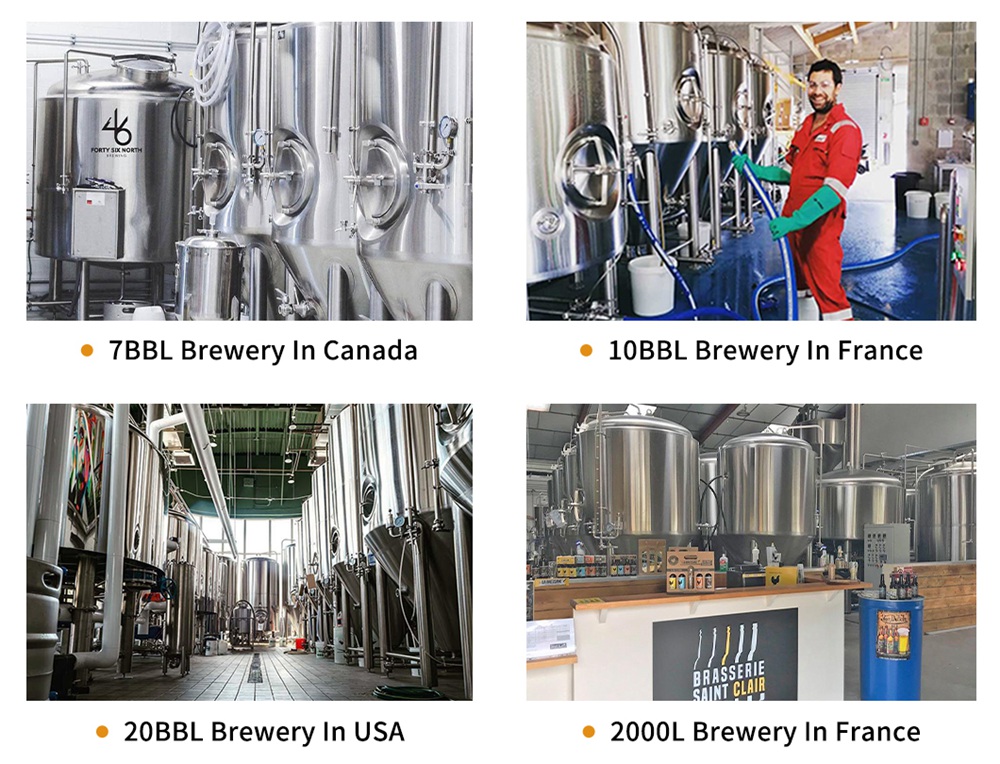
7. TIANTAI Brewtech: Smarter Mash/Lauter Tun Design for Reliable Brewing
At TIANTAI Brewtech, we understand that reliable brewery equipment depends on both good process design and practical mechanical engineering.
Our mash/lauter tun solutions can be configured according to the brewery’s production capacity, raw material characteristics, automation requirements, and operating preferences.
Depending on the project configuration, available features include:
- Forward and reverse grain rake rotation.
- Adjustable rake lifting systems.
- Variable frequency speed control.
- Motor overload protection.
- Efficient wort collection and drainage systems.
- Stainless steel construction with hygienic design.
- Automated brewing process control.
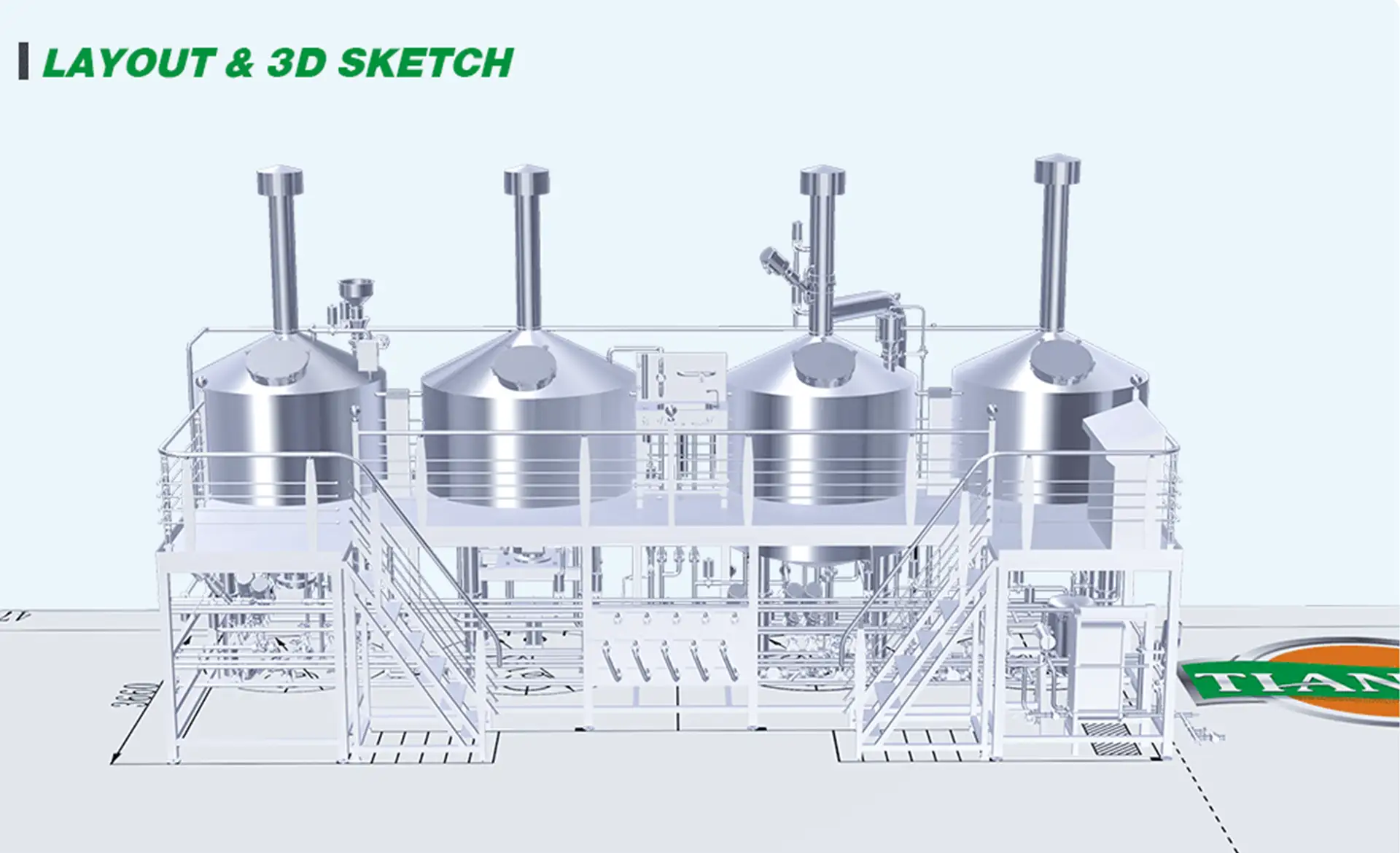
Whether you are planning a small craft brewery or a large commercial brewing facility, TIANTAI can provide customized mash/lauter tun solutions to help improve brewing efficiency and operational reliability.
Conclusion: A Small Control Function That Makes a Big Difference
Grain rake blockage is not a common operating condition that brewers want to encounter, but it is something that should be considered during equipment design.
A forward-and-reverse rotation function gives operators an additional way to handle excessive grain bed resistance and helps reduce the risk of prolonged mechanical overload.
When selecting a mash/lauter tun, don’t just ask about tank capacity or motor power. Also ask about rake lifting, variable speed control, reverse rotation, and overload protection.
These practical details can make a significant difference in everyday brewery operations.
Looking for a reliable mash/lauter tun with flexible grain rake control? Contact TIANTAI Brewtech for a customized brewery equipment solution.
Daisy Email: [email protected]