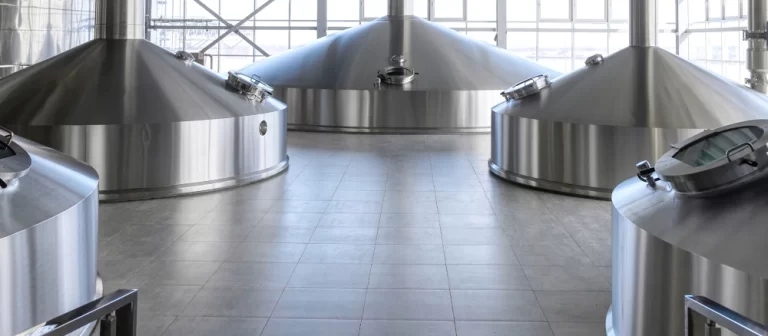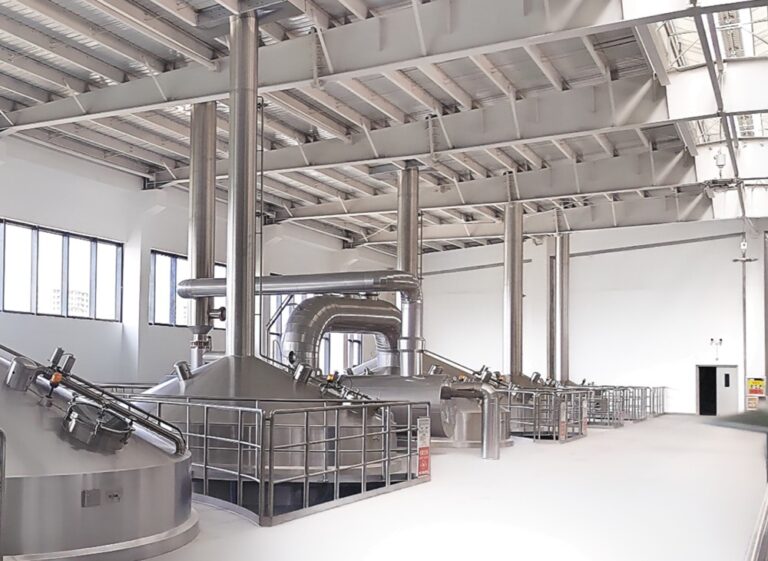
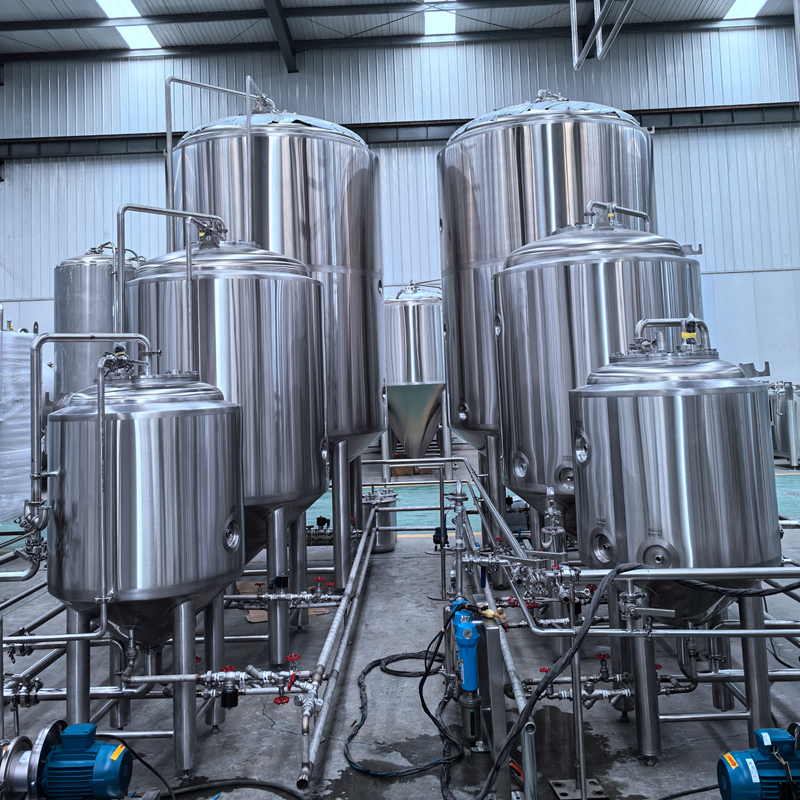
Para las cervecerías que reutilizan la levadura a lo largo de varias generaciones o que producen cerveza a escala comercial, un tanque de propagación de levadura (tanque de activación de levadura) es un equipo imprescindible. Proporciona un entorno estéril y controlado en el que las células de levadura pueden activarse y multiplicarse antes de introducirse en el fermentador. Un tanque de propagación bien diseñado es mucho más que un simple recipiente de acero inoxidable.
¿Cuáles son las características clave del diseño de un tanque de propagación de levadura?
1. Construcción sanitaria
Dado que la contaminación supone el mayor riesgo, es fundamental que el diseño sea higiénico. El depósito debe incluir:
* Acero inoxidable 304 o 316L
* Superficie interna pulida a espejo (Ra ≤ 0,6 μm)
* Interior totalmente soldado
* Accesorios higiénicos
* Conexiones Tri-clamp
* Sin rincones sin cubrir
2. Camisa de refrigeración eficiente
El crecimiento de la levadura genera calor. Sin un control preciso de la temperatura:
* La vitalidad celular disminuye
* El crecimiento se ralentiza
* Pueden aparecer sabores extraños
Una chaqueta con hoyuelos o una chaqueta refrigerante garantiza unas temperaturas de propagación estables.
3. Sistema de aireación estéril
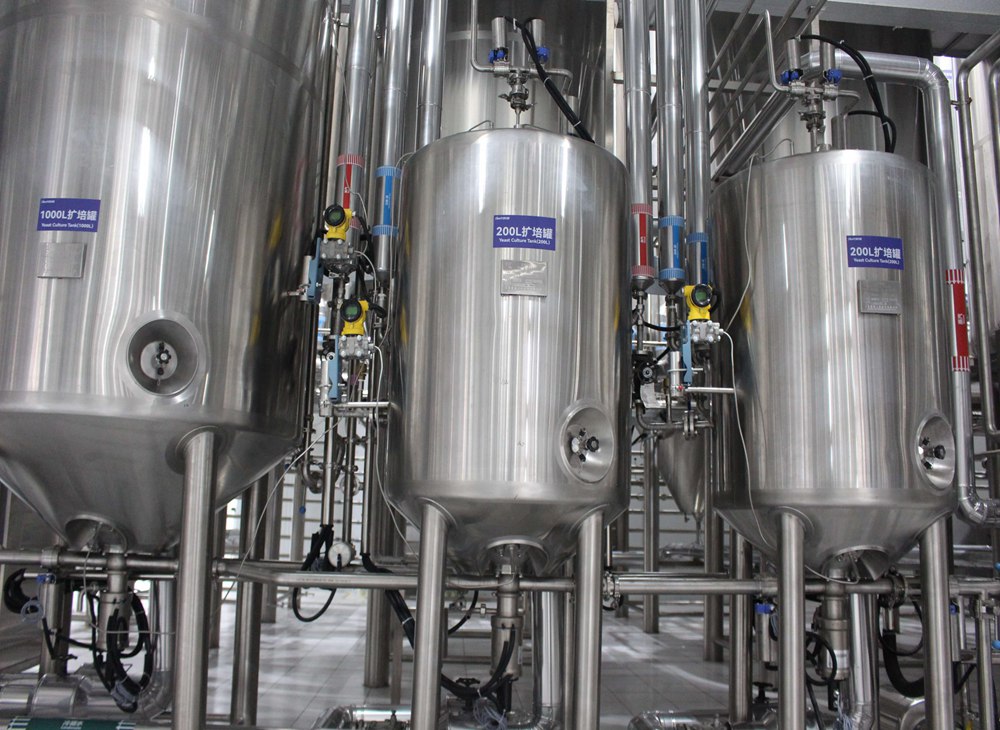
La proliferación de la levadura requiere oxígeno, a diferencia de la fermentación anaeróbica. Un sistema de aireación completo debería incluir:
* Filtro de aire estéril (0,22 μm)
* Regulador de presión de aire
* Control del caudal másico
* Rociador sanitario
* Válvula de retención
El aire que entra en el depósito debe permanecer completamente estéril.
4. Agitación suave
Una mezcla homogénea ayuda a distribuir:
* Oxígeno
* Nutrientes
* Calor
* Células de levadura
Sin embargo, una agitación excesiva puede dañar las células de la levadura.
La mayoría de los sistemas utilizan agitadores de baja velocidad, mezcladores magnéticos y circulación estéril.
5. Sistema de limpieza CIP
La limpieza automática mejora la higiene y reduce la mano de obra. Un sistema típico incluye:
* Esfera rociadora giratoria
* Entrada CIP
* Salida de desagüe
* Limpieza con álcalis
* Limpieza con ácido
* Enjuague final con agua estéril
6. Control de presión
Muchos tanques de propagación funcionan a una ligera presión positiva. Esto contribuye a:
* Evitar la contaminación
* Mejorar la disolución del oxígeno
* Mantener las condiciones de esterilidad
Presión de funcionamiento habitual: 0,05–0,2 MPa
7. Instrumentación
Los tanques de propagación modernos suelen incluir:
* Sensor de temperatura
* Manómetro
* Indicador de nivel
* Válvula de muestreo
* Mirilla
* Medidor de caudal de aire
* Conexión de oxígeno
* Automatización mediante PLC (opcional)
La automatización mejora la uniformidad y reduce los errores de los operarios.
Tamaño recomendado del depósito
La capacidad del depósito de propagación depende de la producción de la cervecería. Las pautas habituales son las siguientes:
| Tamaño de la cervecería | Tanque de propagación recomendado |
|---|---|
| Planta de elaboración de cerveza de 500 a 1 000 litros | 50–100 L |
| Planta de elaboración de cerveza de 1000 a 3000 litros | 100–300 L |
| Planta de elaboración de cerveza de 5 000 litros | 300–500 L |
| Cervecería de más de 10 000 litros | 500-1000 L o sistema multietapa |
Muchas fábricas de cerveza eligen un depósito de propagación con un tamaño aproximado de 3–10% del volumen de un solo lote de fermentación, en función de su estrategia de gestión de la levadura.
¿Cuáles son las características del sistema de propagación de levadura de TIANTAI?
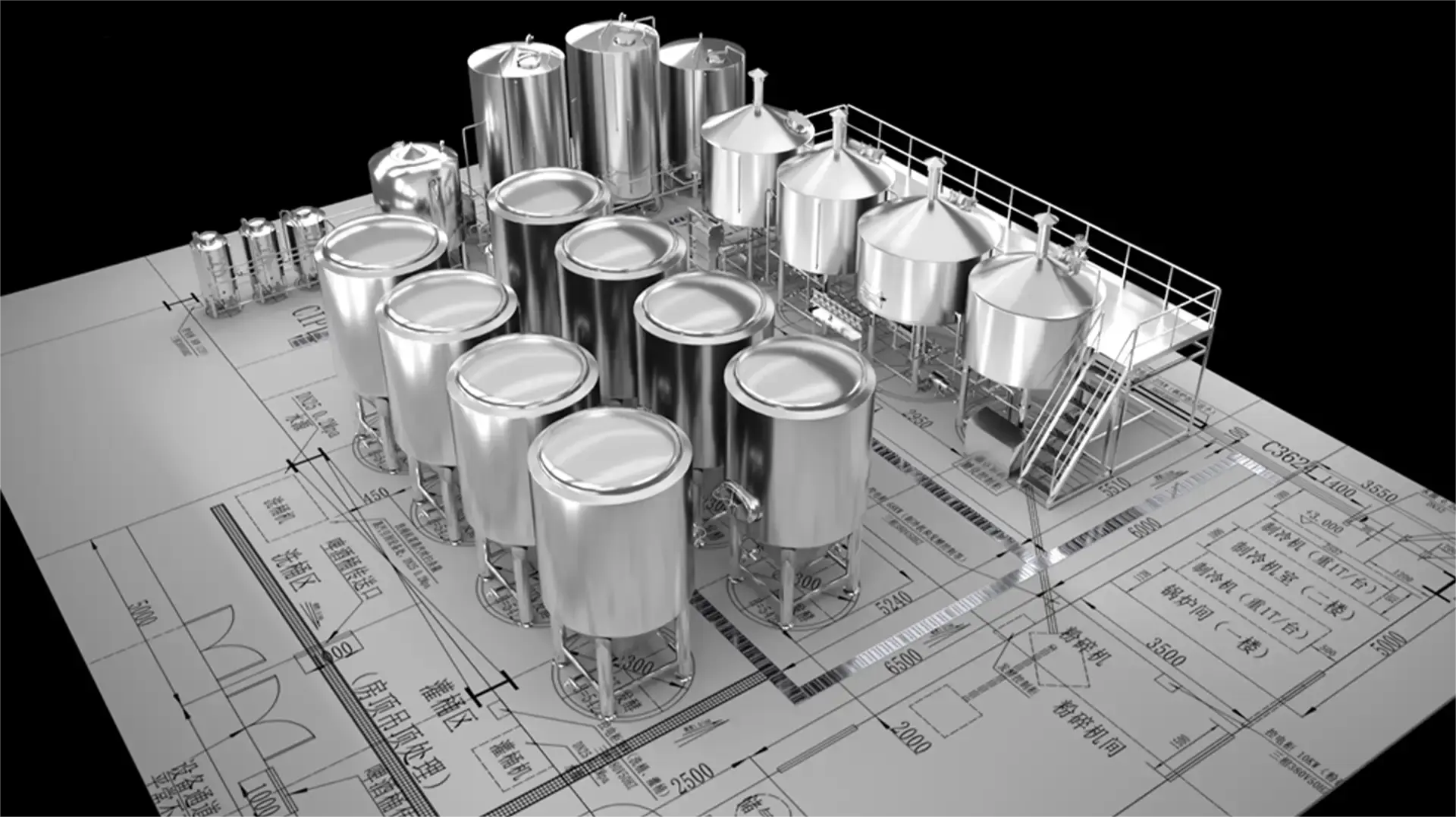
TIANTAI diseña y fabrica **sistemas personalizados de cultivo de levadura** para cervecerías artesanales, cervecerías industriales y productores de bebidas.
Nuestros sistemas cuentan con:
* Fabricado en acero inoxidable apto para uso alimentario
* Diseño higiénico y fácil de limpiar
* Control preciso de la temperatura
* Sistemas de aireación y filtración estériles
* Limpieza CIP integrada
* Opciones de automatización mediante PLC
* Capacidades personalizadas adaptadas a tu planta de elaboración de cerveza
* Ingeniería y asistencia técnica integrales para cervecerías «llave en mano»
Tanto si estás construyendo una nueva fábrica de cerveza como si estás modernizando tu proceso de gestión de la levadura, TIANTAI te ofrece equipos fiables y soluciones de ingeniería profesionales para maximizar el rendimiento de la levadura y garantizar una calidad constante de la cerveza.
Daisy
Correo electrónico: [email protected]