Brewers today have several ways to produce beer. While traditional all-grain brewing remains the industry standard, many breweries—especially startups, brewpubs, and contract breweries—also use Dry Malt Extract (DME) ou Concentrated Wort to simplify production.
Each method has its own advantages, investment requirements, and production flexibility. Understanding the differences can help you choose the right brewing solution for your brewery.
Three Brewing Methods at a Glance
| Objet | Grain Malts | Dry Malt Extract (DME) | Concentrated Wort |
|---|---|---|---|
| Matières premières | Malted barley and specialty malts | Powdered malt extract | Liquid concentrated wort |
| Mash Required | Oui | Non | Non |
| Lautering Required | Oui | Non | Non |
| Wort Boiling | Oui | Oui | Usually optional or short boil |
| Brewing Time | Long | Moyen | Short |
| Equipment Investment | Highest | Moyen | Lowest |
| Process Complexity | Haut | Moyen | Faible |
| Recipe Flexibility | Excellent | Very Good | Bon |
| Cohérence | Depends on brewing | Very consistent | Very consistent |
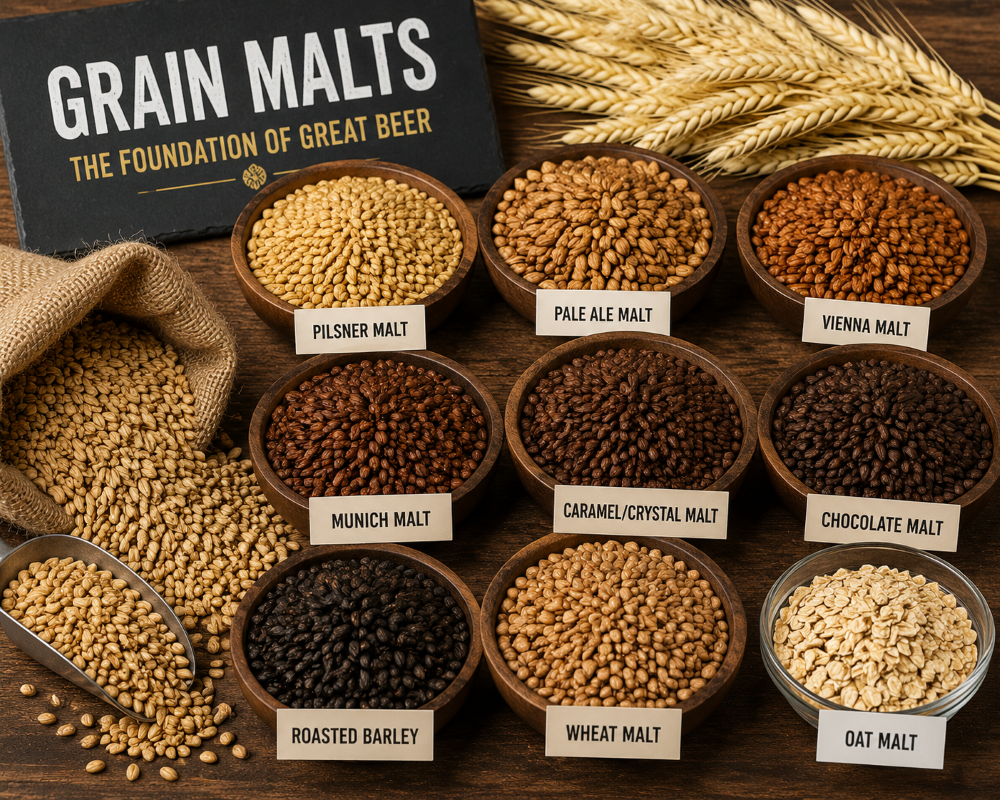
1. Brewing with Grain Malts (Traditional All-Grain Brewing)
Process
The brewery starts with whole malted grains.
Processus typique :
- Malt milling
- Mise en purée
- Lautering
- Wort boiling
- Whirlpool
- Refroidissement
- Fermentation
- Conditionnement
- Emballage
This is the most traditional brewing method and gives brewers complete control over every stage.
Avantages
✔ Maximum recipe flexibility
✔ Full control of mash temperature and fermentability
✔ Easy to adjust beer body and mouthfeel
✔ Fresh wort production
✔ Best choice for premium craft beer
Inconvénients
- Highest equipment investment
- Requires experienced brewers
- Longest production time
- Consommation d'énergie plus élevée
- More cleaning and maintenance
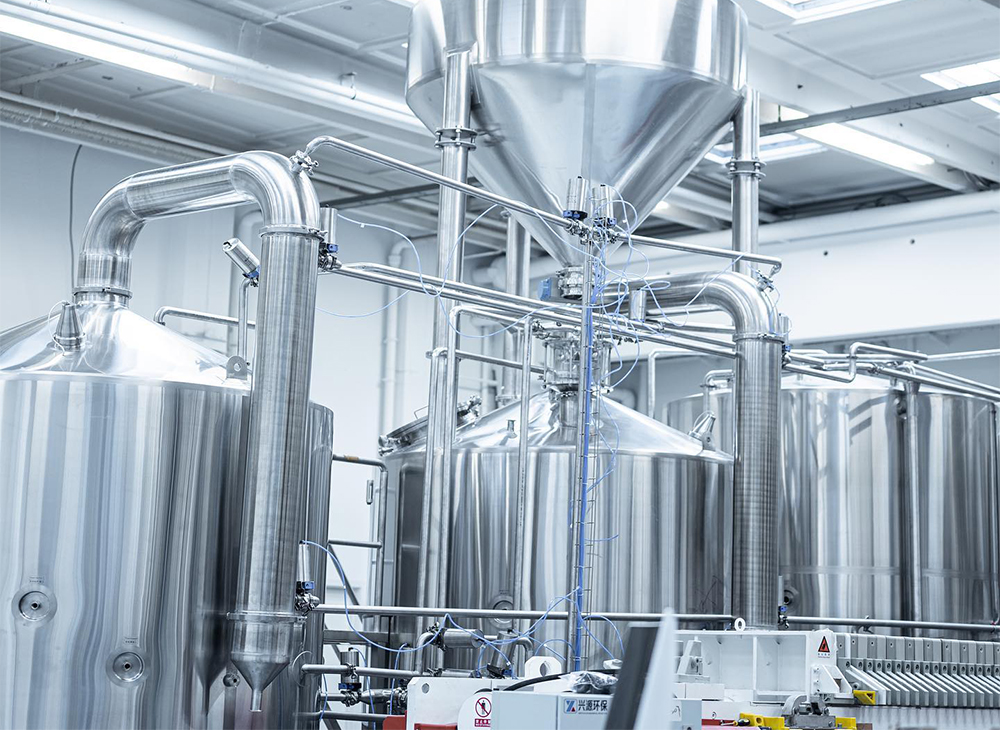
Required Equipment
- Malt mill
- Tunnel de trempe
- Tonneau de laitier
- Bouilloire
- Whirlpool tank
- Échangeur de chaleur à plaques
- Cuves de fermentation
- Système de refroidissement au glycol
- Système CIP
- Ligne d'emballage
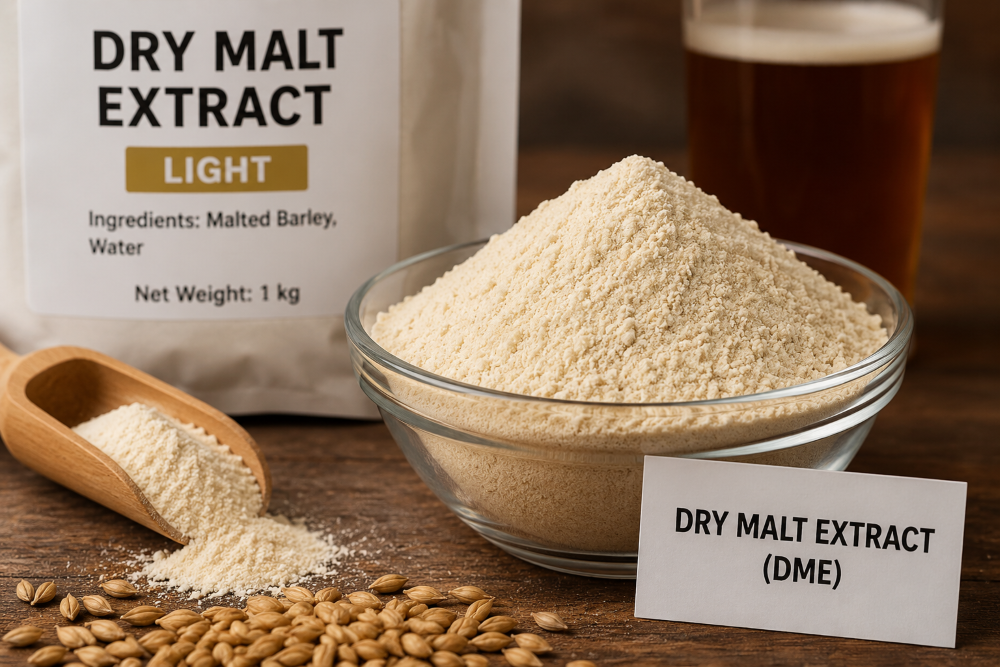
2. Brewing with Dry Malt Extract (DME)
Process
DME is manufactured by brewing malt into wort and then removing almost all of the water through spray drying.
The brewery simply:
- Treats brewing water
- Dissolves DME
- Boils the wort
- Adds hops
- Cools
- Ferments
- Packages
No mash or lauter system is required.
Avantages
✔ Lower investment
✔ Faster brewing
✔ Less labor
✔ Qualité stable
✔ Easy storage
✔ Long shelf life
✔ Easy transportation
Inconvénients
- Less flexibility than all-grain brewing
- Some specialty malt characteristics may be difficult to replicate
- Premium DME can be relatively expensive
Required Equipment
- Water treatment system
- Réservoir de mélange
- Bouilloire
- Whirlpool tank
- Échangeur de chaleur à plaques
- Fermenteurs
- Refroidisseur à glycol
- Système CIP
- Packaging equipment
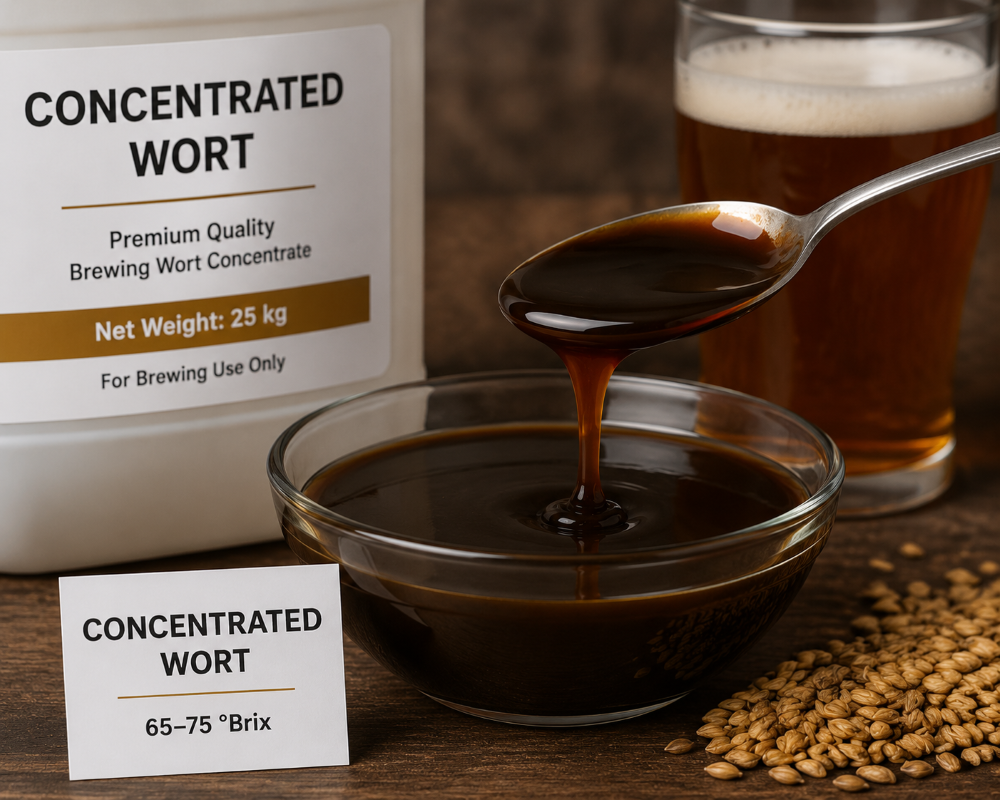
3. Brewing with Concentrated Wort
Process
Concentrated wort is produced by evaporating water from freshly brewed wort under vacuum, creating a high-density liquid extract.
The brewery only needs to:
- Dilute the concentrated wort with brewing water
- Heat if necessary
- Optionally boil with additional hops
- Cool
- Ferment
- Package
This is the fastest brewing method.
Avantages
✔ Simplest brewing process
✔ Lowest equipment investment
✔ Minimal brewing knowledge required
✔ Fastest production cycle
✔ Highly consistent wort quality
✔ Ideal for rapid brewery startup
Inconvénients
- Less control over wort composition
- Recipe customization is more limited than all-grain brewing
- Transport costs may be higher than DME because of its water content
Required Equipment
- Water treatment system
- Réservoir de mélange
- Heating tank (optional)
- Échangeur de chaleur à plaques
- Cuves de fermentation
- Glycol system
- Système CIP
- Ligne d'emballage
Equipment Comparison
| Equipement | Grain Malt | DME | Concentrated Wort |
|---|---|---|---|
| Malt Mill | ✔ | ✖ | ✖ |
| Cuve de fermentation | ✔ | ✖ | ✖ |
| Tunnel de Lauter | ✔ | ✖ | ✖ |
| Brew Kettle | ✔ | ✔ | En option |
| Whirlpool | ✔ | ✔ | En option |
| Réservoir de mélange | ✖ | ✔ | ✔ |
| Échangeur de chaleur à plaques | ✔ | ✔ | ✔ |
| Réservoir de fermentation | ✔ | ✔ | ✔ |
| Réservoir de bière brillante | En option | En option | En option |
| Filling Line | ✔ | ✔ | ✔ |
Cost Comparison
| Catégorie | Grain Malt | DME | Concentrated Wort |
|---|---|---|---|
| Coût de l'équipement | Haut | Moyen | Faible |
| Building Space | Grandes dimensions | Moyen | Petit |
| Steam Consumption | Haut | Moyen | Faible |
| Consommation d'eau | Haut | Moyen | Faible |
| Besoins en main-d'œuvre | Haut | Moyen | Faible |
| Brewing Time | Long | Moyen | Short |
Which Brewing Method Is Right for You?
Choose Grain Malts if:
- You want maximum control over recipes.
- You produce premium craft beer.
- You plan to brew many beer styles.
- You have experienced brewing staff.
- You have sufficient budget and space.
Choose DME if:
- You want to reduce equipment costs.
- You still want flexibility to create your own recipes.
- You produce small to medium batches.
- You need a simple and reliable brewing process.
Choose Concentrated Wort if:
- You want the fastest brewery startup.
- Your investment budget is limited.
- You have limited floor space.
- You focus mainly on fermentation, packaging, and distribution rather than wort production.
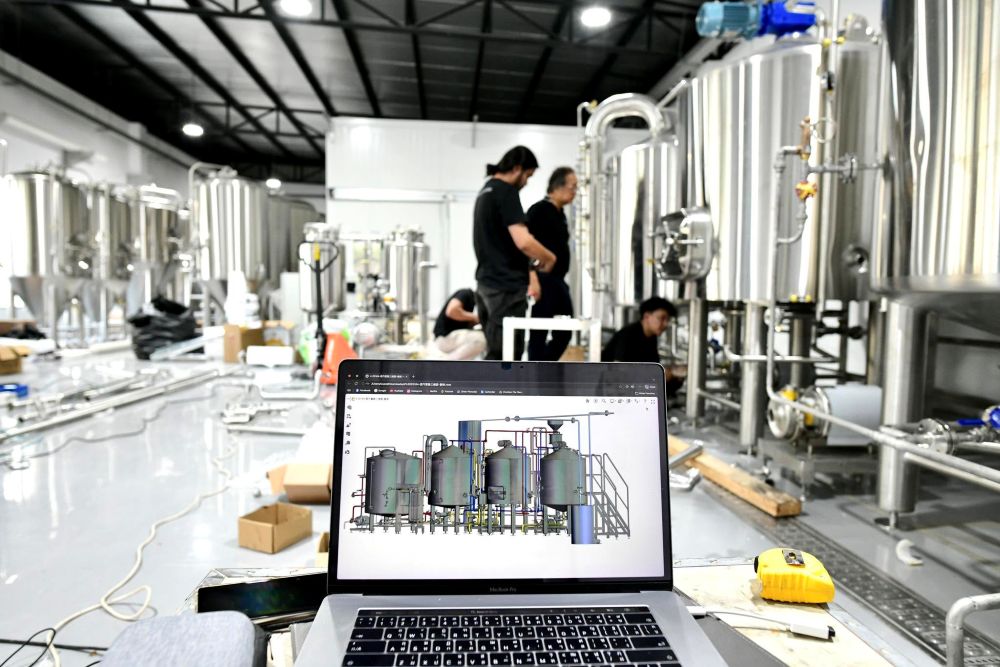
Which Solution Does TIANTAI Recommend?
At TIANTAI, we don’t believe there is a single “best” method—only the one that best fits your business goals.
- Traditional Grain Malt Brewing is ideal for breweries seeking complete recipe control, authentic craft brewing, and premium beer quality.
- Dry Malt Extract (DME) Brewing provides an excellent balance between flexibility, efficiency, and lower capital investment, making it ideal for pilot breweries, brewpubs, and growing craft breweries.
- Concentrated Wort Brewing is the fastest and most economical solution for breweries that want to start production quickly with minimal equipment and simplified operations.
TIANTAI can design and manufacture complete turnkey brewing systems for all three production methods, including water treatment, mixing and brewing tanks, fermentation vessels, glycol cooling systems, CIP units, filtration systems, and bottle, can, or keg packaging lines. Each solution is customized to match your production capacity, budget, available space, and long-term expansion plans.
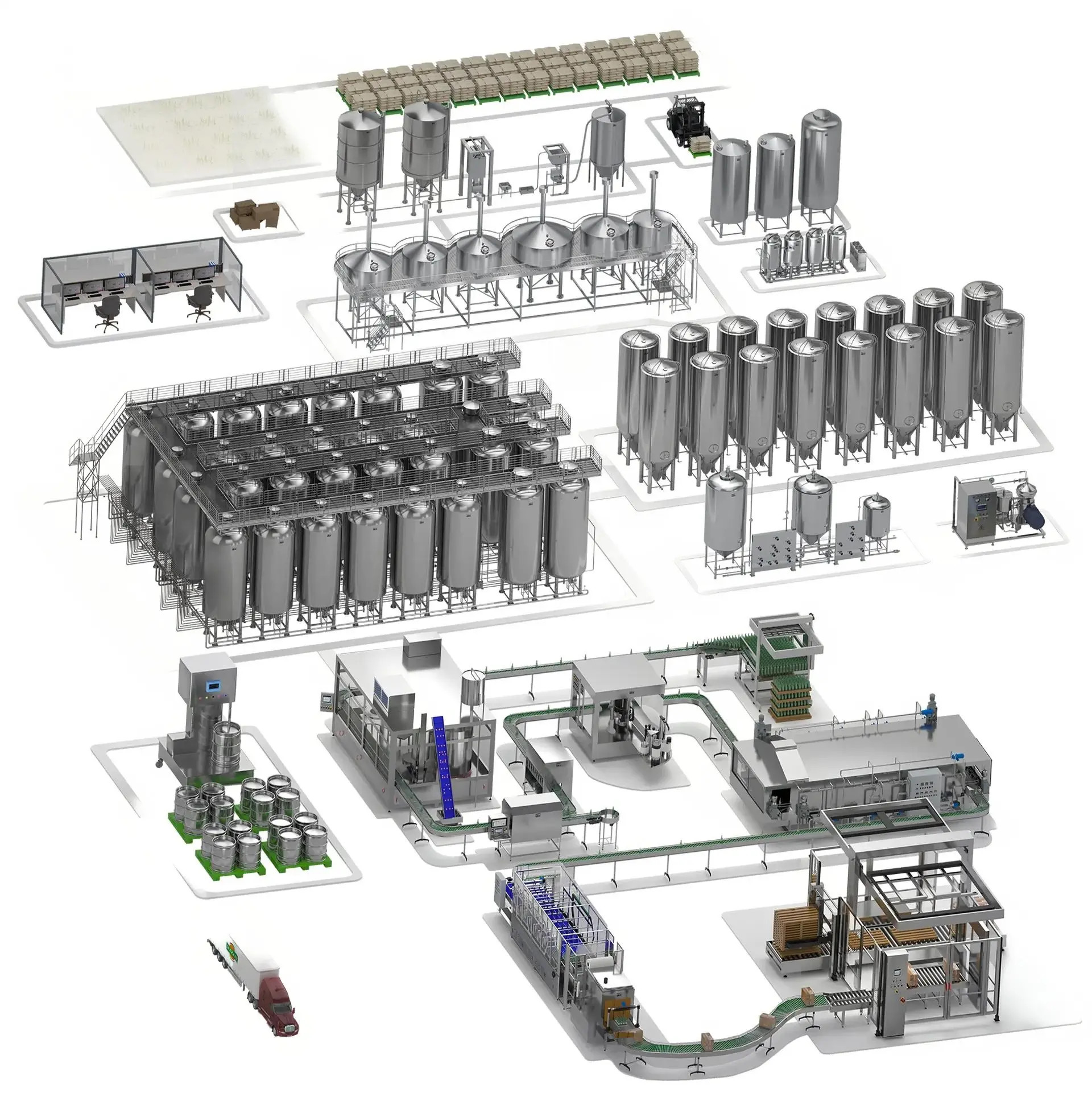
The choice between grain malts, Dry Malt Extract (DME), et concentrated wort depends on your production goals, budget, and desired level of brewing control.
- Grain malts deliver the greatest flexibility and are the preferred choice for traditional craft breweries.
- DME simplifies brewing while still allowing considerable recipe customization.
- Concentrated wort offers the quickest route to market with the lowest equipment investment and operational complexity.
By understanding the strengths of each method, breweries can select the most suitable approach and build a production system that supports both current needs and future growth.
Édité par Daisy : [email protected]