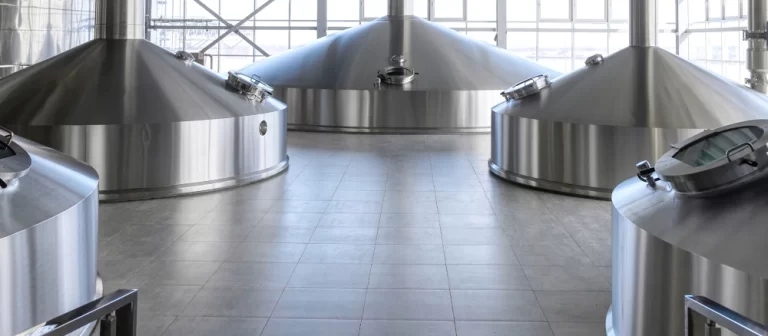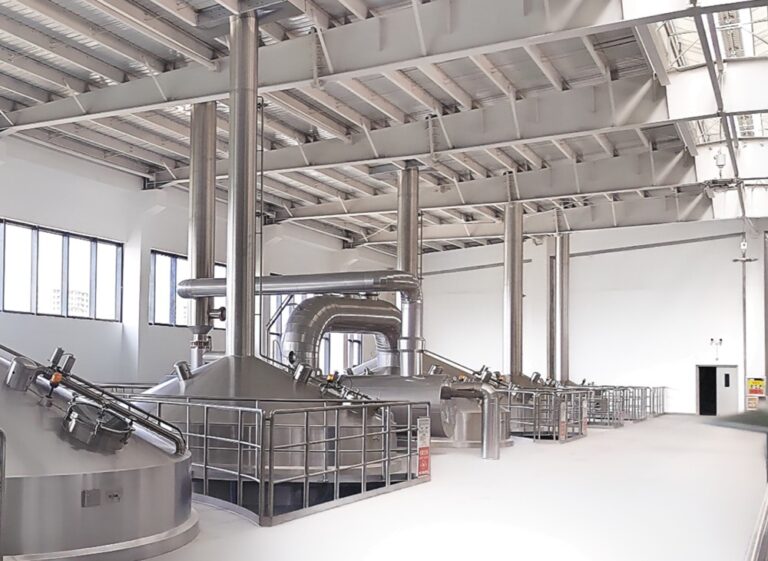
Hoy en día, los cerveceros disponen de varias formas de elaborar cerveza. Aunque elaboración tradicional de cerveza con grano entero Aunque sigue siendo el estándar del sector, muchas cervecerías —especialmente las de nueva creación, las cervecerías-bar y las cervecerías por encargo— también utilizan Extracto seco de malta (DME) o Mosto concentrado para simplificar la producción.
Cada método tiene sus propias ventajas, requisitos de inversión y flexibilidad de producción. Comprender las diferencias puede ayudarte a elegir la solución de elaboración de cerveza más adecuada para tu cervecería.
Tres métodos de elaboración de cerveza de un vistazo
| Artículo | Malta de cereales | Extracto seco de malta (DME) | Mosto concentrado |
|---|---|---|---|
| Materia prima | Cebada malteada y maltas especiales | Extracto de malta en polvo | Mosto concentrado líquido |
| Se requiere puré | Sí | No | No |
| Es necesario realizar el filtrado | Sí | No | No |
| Ebullición del mosto | Sí | Sí | Normalmente es opcional o se hace a fuego lento |
| Tiempo de elaboración | Largo | Medio | Breve |
| Inversión en equipamiento | El más alto | Medio | Mínimo |
| Complejidad del proceso | Alta | Medio | Bajo |
| Flexibilidad de las recetas | Excelente | Muy bien | Bien |
| Coherencia | Depende de cómo se prepare | Muy constante | Muy constante |
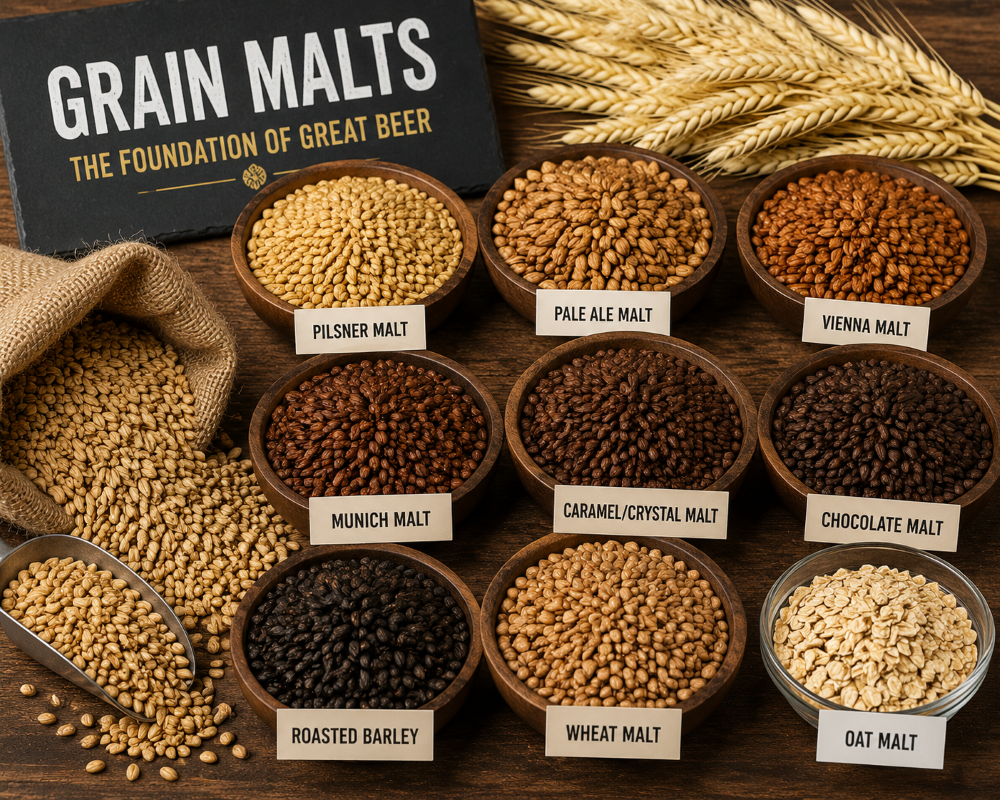
1. Elaboración de cerveza con maltas de grano (elaboración tradicional con grano entero)
Proceso
La elaboración de la cerveza comienza con granos enteros malteados.
Proceso típico:
- Molienda de la malta
- Maceración
- Filtración
- Ebullición del mosto
- Whirlpool
- Refrigeración
- Fermentación
- Acondicionamiento
- Embalaje
Este es el método de elaboración de cerveza más tradicional y ofrece a los cerveceros un control total sobre cada una de las fases.
Ventajas
✔ Máxima flexibilidad en las recetas
✔ Control total de la temperatura del macerado y de su capacidad de fermentación
✔ Fácil de ajustar el cuerpo y la textura en boca de la cerveza
✔ Elaboración de mosto fresco
✔ La mejor opción para cervezas artesanales de primera calidad
Desventajas
- Mayor inversión en equipamiento
- Se necesitan cerveceros con experiencia
- Tiempo de producción más largo
- Mayor consumo de energía
- Más limpieza y mantenimiento
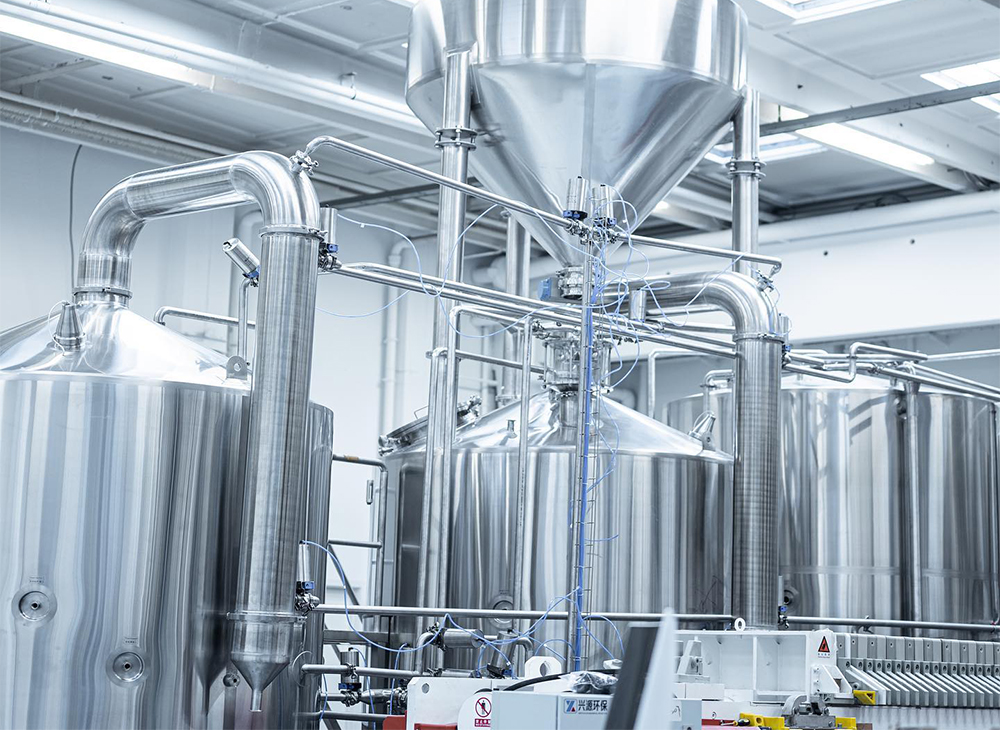
Equipo necesario
- Molino de malta
- Cuba de maceración
- Túnel de filtrado
- Hervidor de cerveza
- Depósito de remolino
- Intercambiador de placas
- Tanques de fermentación
- Sistema de refrigeración por glicol
- Sistema CIP
- Línea de envasado
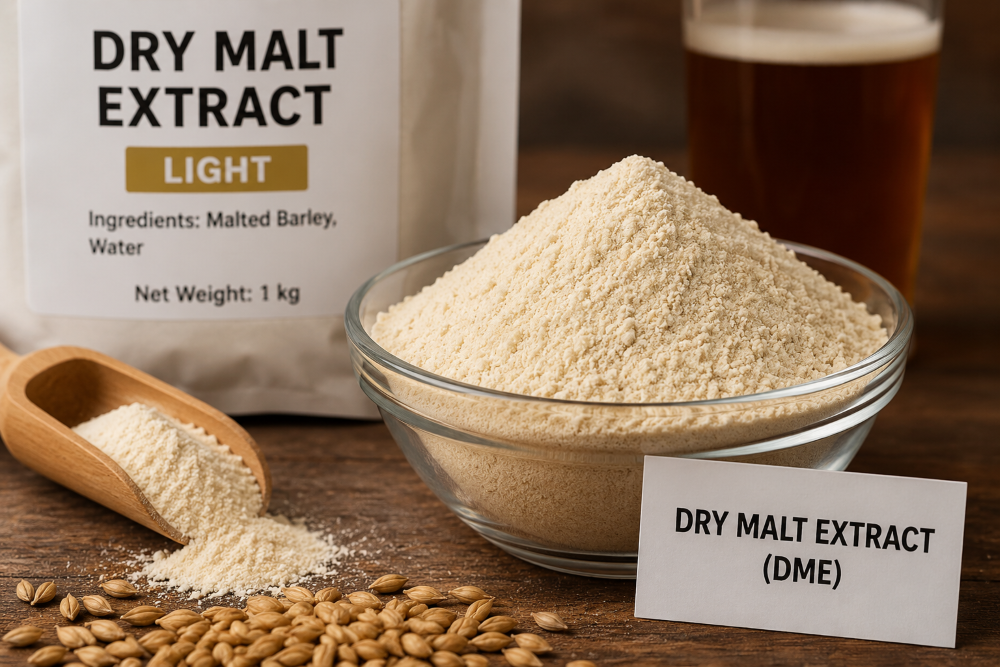
2. Elaboración de cerveza con extracto seco de malta (DME)
Proceso
El DME se elabora transformando la malta en mosto y, a continuación, eliminando casi toda el agua mediante secado por pulverización.
La cervecería, sencillamente:
- Trata el agua utilizada para la elaboración de cerveza
- Disuelve el DME
- Hierve el mosto
- Añade lúpulo
- Cools
- Fermentos
- Paquetes
No se necesita ningún sistema de maceración ni de filtrado.
Ventajas
✔ Menor inversión
✔ Preparación más rápida
✔ Menos mano de obra
✔ Calidad constante
✔ Fácil de guardar
✔ Larga vida útil
✔ Fácil transporte
Desventajas
- Menos flexibilidad que la elaboración con grano entero
- Algunas características de las maltas especiales pueden resultar difíciles de reproducir
- Los productos DME de gama alta pueden resultar relativamente caros
Equipo necesario
- Sistema de tratamiento de agua
- Tanque de mezcla
- Hervidor de cerveza
- Depósito de remolino
- Intercambiador de placas
- Fermentadores
- Enfriador de glicol
- Sistema CIP
- Maquinaria de envasado
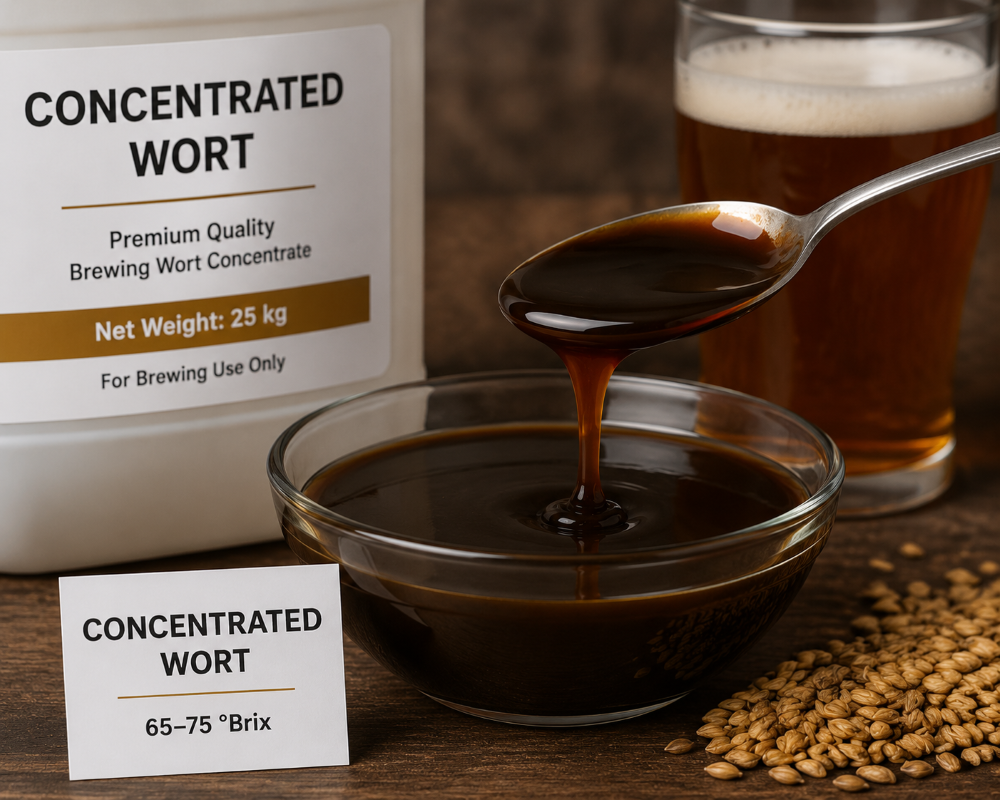
3. Elaboración de cerveza con mosto concentrado
Proceso
El mosto concentrado se obtiene mediante la evaporación del agua del mosto recién elaborado al vacío, lo que da lugar a un extracto líquido de alta densidad.
La cervecería solo tiene que:
- Diluye el mosto concentrado con agua para elaboración de cerveza
- Calienta si es necesario.
- Si se desea, se puede hervir con lúpulo adicional
- Genial
- Fermentación
- Paquete
Este es el método de preparación más rápido.
Ventajas
✔ El proceso de preparación más sencillo
✔ La inversión en equipamiento más baja
✔ Se requieren conocimientos mínimos sobre la preparación de café
✔ El ciclo de producción más rápido
✔ Calidad del mosto muy constante
✔ Ideal para poner en marcha rápidamente una cervecería
Desventajas
- Menor control sobre la composición del mosto
- La personalización de las recetas es más limitada que en la elaboración de cerveza a partir de grano entero
- Los costes de transporte pueden ser superiores a los del DME debido a su contenido en agua
Equipo necesario
- Sistema de tratamiento de agua
- Tanque de mezcla
- Depósito de calentamiento (opcional)
- Intercambiador de placas
- Tanques de fermentación
- Sistema de glicol
- Sistema CIP
- Línea de envasado
Comparación de equipos
| Equipamiento | Malta de cereales | ISD | Mosto concentrado |
|---|---|---|---|
| Molino de malta | ✔ | ✖ | ✖ |
| Túnel de lavado | ✔ | ✖ | ✖ |
| Túnel de filtrado | ✔ | ✖ | ✖ |
| Caldero de elaboración | ✔ | ✔ | Opcional |
| Whirlpool | ✔ | ✔ | Opcional |
| Tanque de mezcla | ✖ | ✔ | ✔ |
| Intercambiador de calor de placas | ✔ | ✔ | ✔ |
| Tanque de fermentación | ✔ | ✔ | ✔ |
| Depósito de cerveza brillante | Opcional | Opcional | Opcional |
| Línea de llenado | ✔ | ✔ | ✔ |
Comparación de costes
| Categoría | Malta de cereales | ISD | Mosto concentrado |
|---|---|---|---|
| Coste del equipo | Alta | Medio | Bajo |
| Espacio del edificio | Grande | Medio | Pequeño |
| Consumo de vapor | Alta | Medio | Bajo |
| Consumo de agua | Alta | Medio | Bajo |
| Requisitos laborales | Alta | Medio | Bajo |
| Tiempo de elaboración | Largo | Medio | Breve |
¿Qué método de elaboración de cerveza es el más adecuado para ti?
Elige las maltas de grano si:
- Quieres tener el máximo control sobre las recetas.
- Producís cerveza artesanal de primera calidad.
- Tienes pensado elaborar muchos tipos de cerveza.
- Contáis con personal con experiencia en la elaboración de cerveza.
- Dispones de presupuesto y espacio suficientes.
Elige DME si:
- Quieres reducir los costes de equipamiento.
- Aún quieres tener flexibilidad para crear tus propias recetas.
- Producís lotes pequeños y medianos.
- Necesitas un proceso de elaboración sencillo y fiable.
Elige mosto concentrado si:
- Quieres poner en marcha una cervecería lo antes posible.
- Tu presupuesto de inversión es limitado.
- Dispones de un espacio limitado.
- Os centráis principalmente en la fermentación, el envasado y la distribución, más que en la producción de mosto.
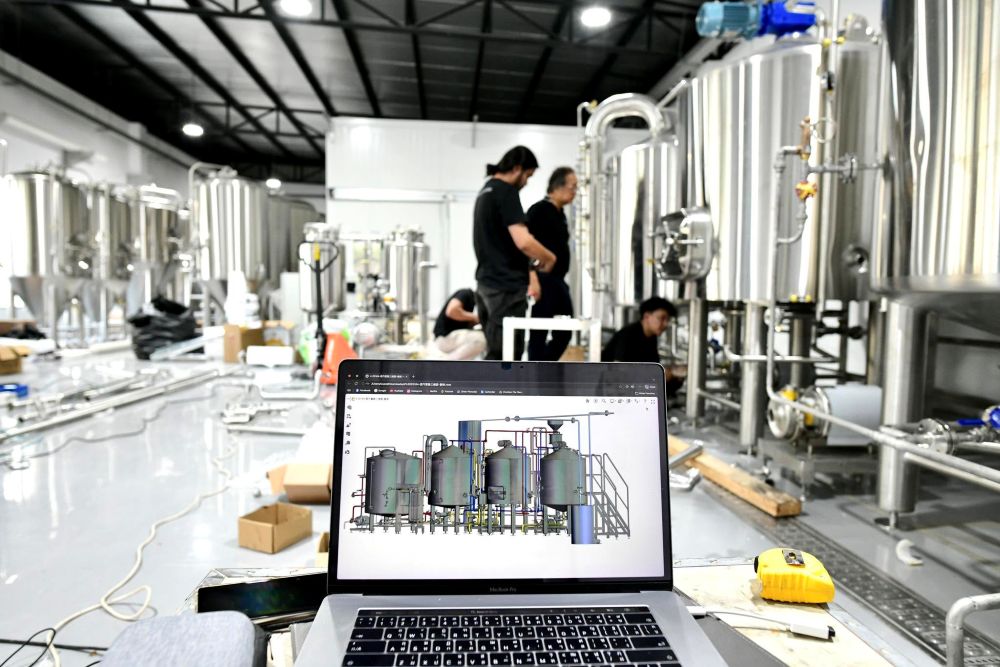
¿Qué solución recomienda TIANTAI?
En TIANTAI, no creemos que exista un único método “óptimo”, sino solo aquel que mejor se adapte a los objetivos de tu empresa.
- Elaboración tradicional de cerveza a base de malta de cereales Es ideal para cervecerías que buscan un control total de las recetas, una elaboración artesanal auténtica y una cerveza de máxima calidad.
- Elaboración de cerveza con extracto seco de malta (DME) ofrece un excelente equilibrio entre flexibilidad, eficiencia y una menor inversión de capital, lo que lo convierte en la opción ideal para cervecerías piloto, cervecerías-bar y cervecerías artesanales en expansión.
- Elaboración de cerveza con mosto concentrado Es la solución más rápida y económica para las cervecerías que desean iniciar la producción rápidamente con un equipamiento mínimo y unos procesos simplificados.
TIANTAI puede diseñar y fabricar sistemas completos de elaboración de cerveza «llave en mano» para los tres métodos de producción, incluyendo el tratamiento del agua, los depósitos de mezcla y elaboración, los tanques de fermentación, los sistemas de refrigeración por glicol, las unidades CIP, los sistemas de filtración y las líneas de envasado en botella, lata o barril. Cada solución se adapta a tu capacidad de producción, presupuesto, espacio disponible y planes de expansión a largo plazo.
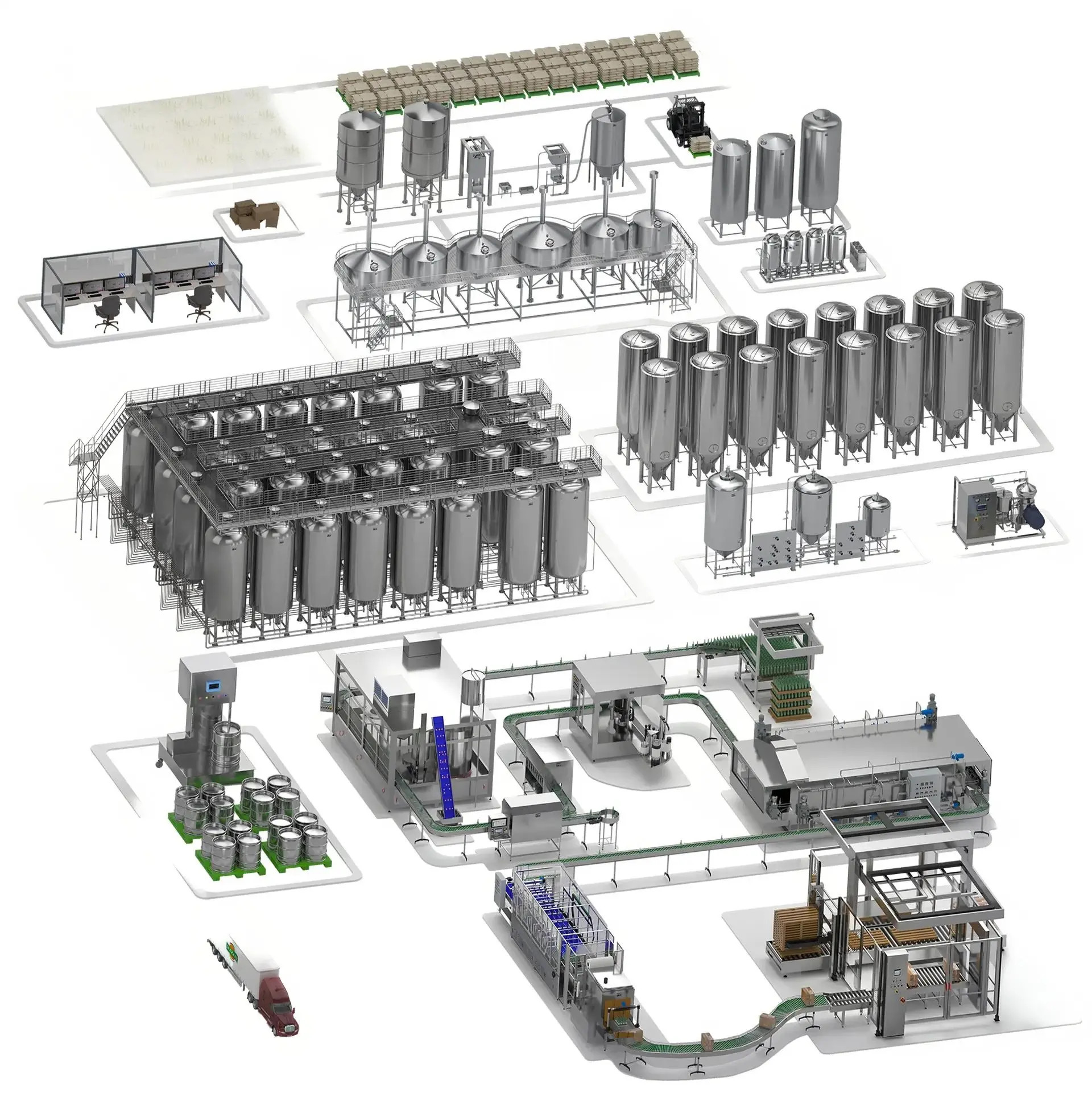
La elección entre malta de cereales, Extracto seco de malta (DME), y mosto concentrado Depende de tus objetivos de producción, tu presupuesto y el nivel de control que quieras tener sobre el proceso de elaboración de la cerveza.
- Malta de cereales ofrecen la máxima flexibilidad y son la opción preferida por las cervecerías artesanales tradicionales.
- ISD simplifica el proceso de elaboración de cerveza, al tiempo que permite una personalización considerable de las recetas.
- Mosto concentrado ofrece la vía más rápida para salir al mercado con la menor inversión en equipamiento y la menor complejidad operativa.
Al conocer las ventajas de cada método, las cervecerías pueden elegir el enfoque más adecuado y crear un sistema de producción que satisfaga tanto las necesidades actuales como el crecimiento futuro.
Editado por Daisy: [email protected]