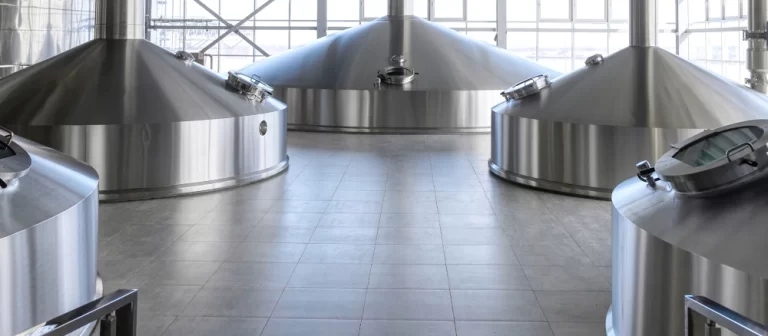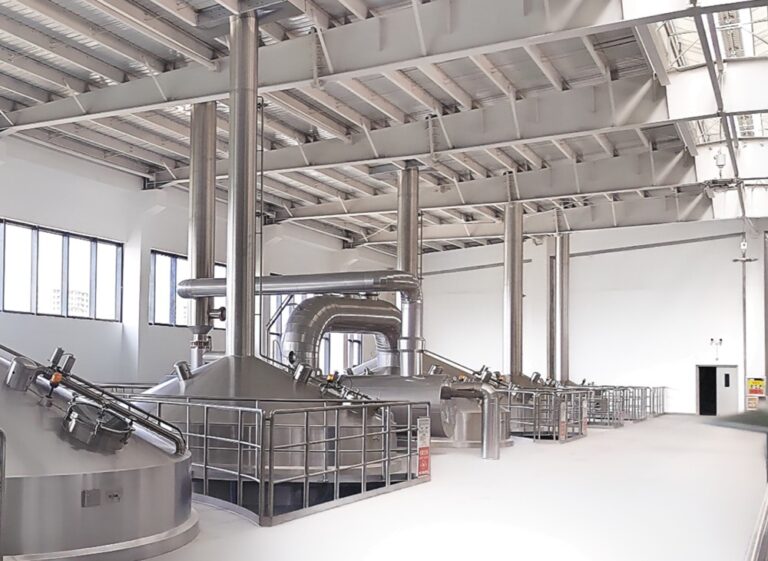
Simplifica la elaboración de cerveza con extracto seco de malta (DME)
No todas las cervecerías necesitan una planta de elaboración completa para producir una cerveza excelente. Muchas cervecerías de nueva creación, cervecerías-bar, cervecerías piloto y cerveceras por encargo están recurriendo a Extracto seco de malta (DME) como ingrediente eficaz y flexible para la elaboración de cerveza.
El DME permite a los cerveceros omitir los procesos de maceración y filtración, al tiempo que se mantiene una excelente calidad de la cerveza. Con solo disolver el extracto en el agua de elaboración, añadir lúpulo, fermentar con levadura de calidad y envasar el producto final, las cervecerías pueden reducir considerablemente la inversión en equipamiento y el tiempo de producción.
En esta guía, veremos qué es el DME, cómo se elabora la cerveza con él, qué equipo se necesita y por qué se ha convertido en una opción muy popular entre las cervecerías modernas.
¿Qué es el extracto seco de malta (DME)?
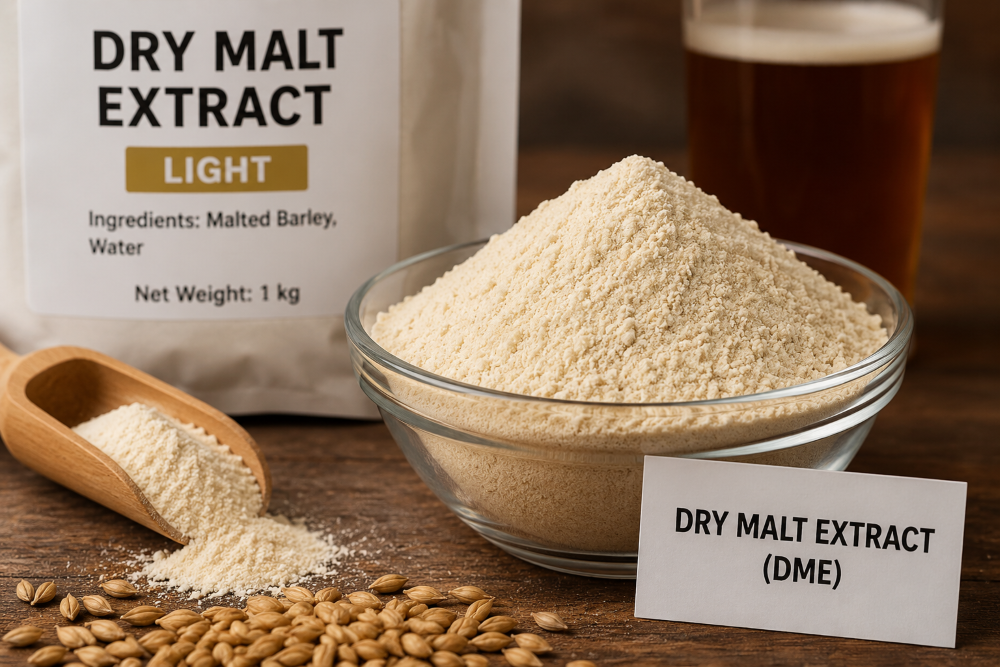
El extracto seco de malta (DME) se obtiene elaborando mosto a partir de malta y, a continuación, eliminando casi toda el agua mediante evaporación y secado por atomización. El resultado es un polvo fino y suelto que contiene aproximadamente Sólidos 95–97%.
El DME conserva los azúcares fermentables, las proteínas, los minerales y los sabores a malta que se encuentran en el mosto tradicional, lo que lo convierte en una base excelente para elaborar una amplia variedad de estilos de cerveza.
Entre los tipos más comunes de DME se incluyen:
- DME extra ligero
- DME ligero
- Amber DME
- DME oscuro
- DME de trigo
- Extractos de malta especiales
Cada tipo aporta características diferentes en cuanto a color, sabor y cuerpo a la hora de elaborar recetas.
Ventajas de elaborar cerveza con DME
En comparación con la elaboración tradicional a partir de grano entero, el DME ofrece varias ventajas importantes:
- No es necesario moler la malta
- No se necesita cuba de maceración ni cuba de filtración
- Proceso de elaboración más corto
- Menor inversión en equipamiento
- Reducción de los costes laborales
- Calidad constante de la malta
- Fácil adaptación de las recetas
- Larga vida útil
- Transporte y almacenamiento cómodos
- Adecuado para cervecerías con espacio limitado
Para muchas cervecerías, el DME ofrece un equilibrio ideal entre eficiencia y calidad del producto.
Proceso de elaboración de cerveza con extracto seco de malta
Paso 1: Tratamiento del agua
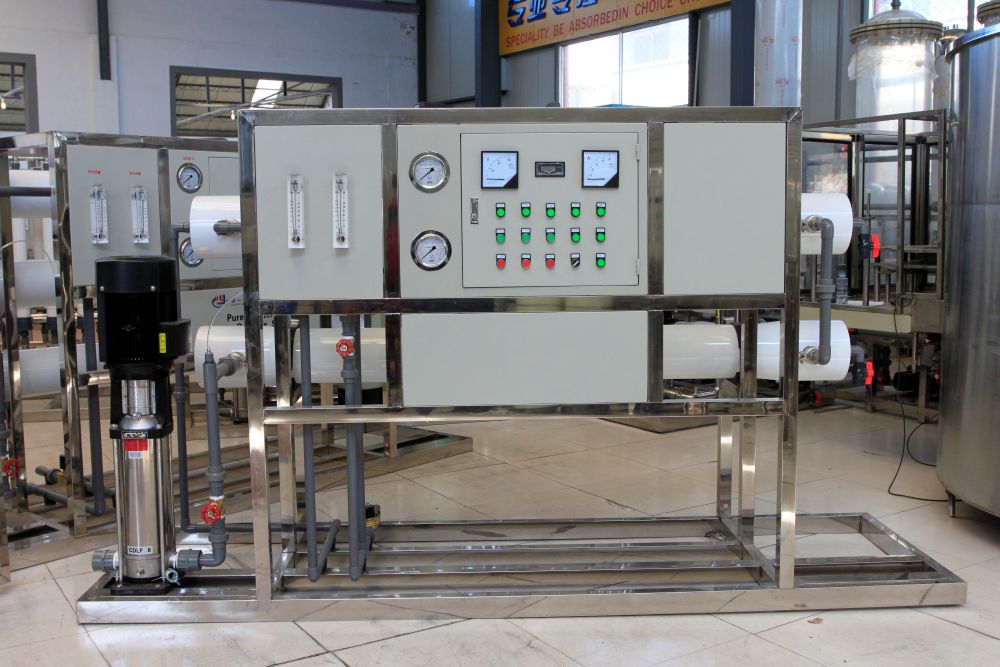
Para elaborar una cerveza de alta calidad, lo primero es disponer de agua debidamente tratada.
El agua utilizada para la elaboración de la cerveza debe filtrarse y ajustarse para conseguir el perfil mineral deseado para el estilo de cerveza elegido.
Entre los equipos típicos de tratamiento de agua se incluyen:
- Filtro de arena
- Filtro de carbón activado
- Descalcificador
- Ósmosis inversa (opcional)
- Esterilizador UV
Paso 2: Disolución del extracto seco de malta
El agua para la elaboración de cerveza se calienta hasta alcanzar aproximadamente 60-70 °C.
El extracto seco de malta se va añadiendo poco a poco a una cuba de mezcla de acero inoxidable equipada con un agitador.
La adición lenta evita que se formen grumos y garantiza una disolución completa.
Tras la mezcla, la solución se convierte en mosto fresco, listo para hervir.
Paso 3: Ebullición del mosto
El mosto se calienta hasta que llega a ebullición (100 °C).
Por lo general, la ebullición dura 60-90 minutos, dependiendo de la receta de la cerveza.
La fase de ebullición cumple varias funciones importantes:
- Esteriliza el mosto
- Mejora la coagulación de las proteínas
- Mejora la estabilidad del mosto
- Concentra el mosto si es necesario
- Extrae el amargor y el aroma del lúpulo
Paso 4: Adición de lúpulo
El lúpulo se añade durante la ebullición según el tipo de cerveza que se desee elaborar.
Horario habitual:
- Lúpulo amargo: 60 minutos
- Lúpulo aromático: 20-30 minutos
- Lúpulo aromático: últimos 5-10 minutos
- Lúpulo de remolino: después de la ebullición (opcional)
También se pueden añadir otros ingredientes, como especias, hierbas, cáscaras de fruta o extractos botánicos.
Paso 5: Separación por remolino
Tras la ebullición, el mosto se trasvasa a una cuba de remolino.
El hidromasaje se divide en:
- Residuos de lúpulo
- Coágulo proteico (hot break)
- Trub
Un mosto claro mejora la eficiencia de la fermentación y permite obtener una cerveza más limpia.
Paso 6: Enfriamiento del mosto
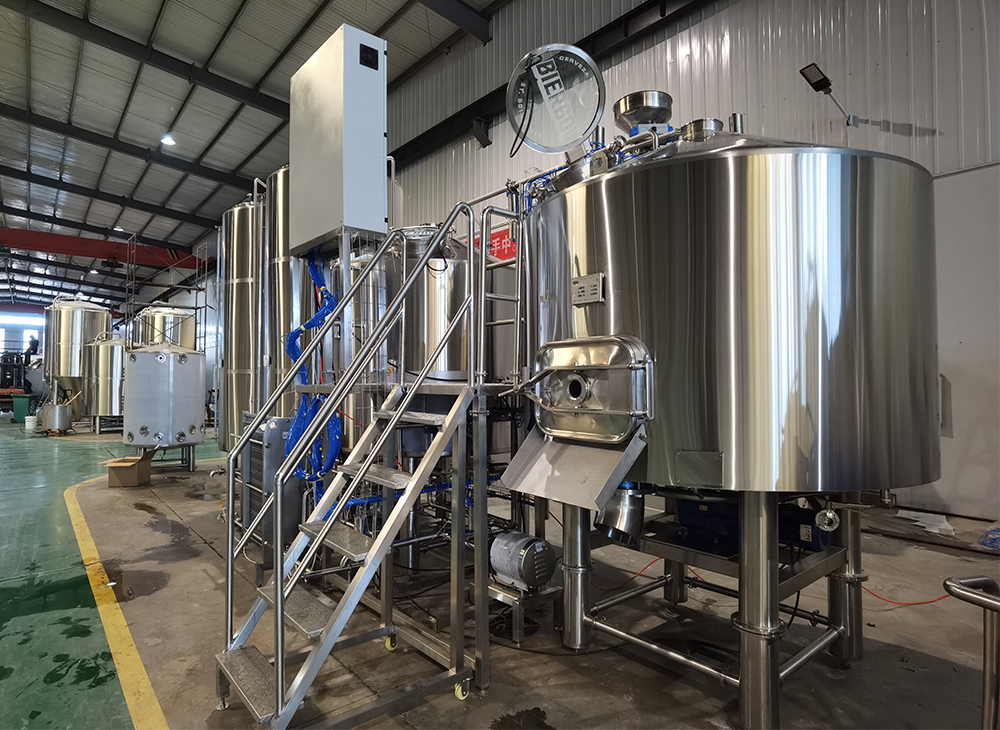
Un intercambiador de calor de placas enfría rápidamente el mosto hasta la temperatura de fermentación.
Temperaturas habituales:
- Cerveza: 18–22 °C
- Cerveza lager: 8–12 °C
El enfriamiento rápido minimiza los riesgos de contaminación y prepara el mosto para la adición de levadura.
Paso 7: Fermentación
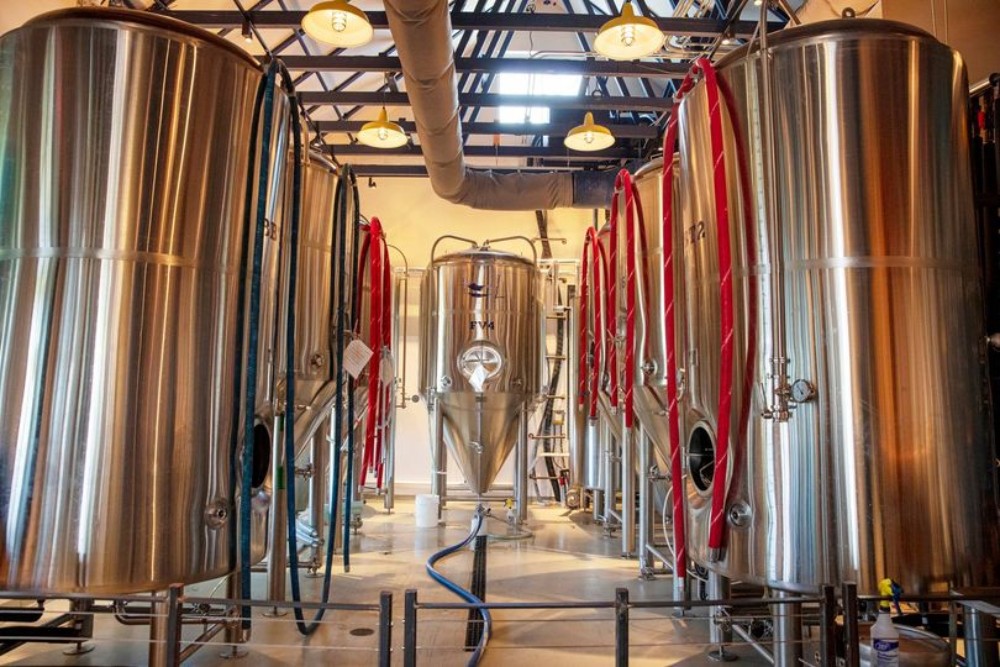
El mosto enfriado se trasvasa a fermentadores de acero inoxidable.
La levadura de cerveza se añade en condiciones higiénicas.
Tiempo de fermentación habitual:
- Cerveza: 5-10 días
- Cerveza lager: de 10 a 21 días
Los fermentadores modernos controlan automáticamente la temperatura y la presión para garantizar una fermentación estable.
Entre los ingredientes opcionales que se pueden añadir durante la fermentación se incluyen:
- Lúpulo en seco
- Puré de fruta
- Café
- Cariño
- Cacao
- Hierbas
Paso 8: Maduración de la cerveza
Tras la fermentación primaria, la cerveza se somete a un proceso de acondicionamiento en frío.
Esta etapa mejora:
- Madurez del sabor
- Carbonatación
- Claridad
- Sensación en boca
- Vida útil
Temperatura habitual de acondicionamiento:
0–2 °C
La duración oscila entre una y cuatro semanas, dependiendo del tipo de cerveza.
Paso 9: Filtración (opcional)
Para la elaboración de cerveza clara, la filtración puede realizarse mediante:
- Filtro de placas
- Filtro de tierra de diatomeas (DE)
- Sistema de filtración por membrana
Muchas cervecerías artesanales prescinden deliberadamente de la filtración para elaborar IPA turbias y cervezas de trigo.
Paso 10: Carbonatación
La cerveza se carbonata de forma natural o mediante la inyección forzada de CO₂.
Los niveles de carbonatación se ajustan en función del estilo de cerveza deseado.
Paso 11: Embalaje
La cerveza ya elaborada se puede envasar en:
- Botellas de vidrio
- Latas de aluminio
- Barriletes de acero inoxidable
Los sistemas de llenado automático mejoran la eficiencia y reducen al mínimo la absorción de oxígeno.
Equipo necesario para la elaboración de cerveza DME
En comparación con las cervecerías tradicionales, las que utilizan malta seca (DME) requieren mucho menos equipamiento.
Un sistema típico incluye:
Sistema de tratamiento de agua
Produce agua apta para la elaboración de cerveza con una composición mineral estable.
Depósito de mezcla DME
Se utiliza para disolver el extracto seco de malta de forma eficaz.
Características:
- Construcción de acero inoxidable
- Calefacción por vapor o eléctrica
- Agitador
- Control de la temperatura
- Bola de pulverización CIP
Caldero para hervir el mosto
Establece lo siguiente:
- Esterilización del mosto
- Cocción del lúpulo
- Desarrollo del sabor
Las ollas con camisa de vapor ofrecen una excelente eficiencia térmica.
Depósito de remolino
Separa las partículas de lúpulo y los sólidos proteicos.
Intercambiador de calor de placas
Enfriamiento rápido antes de la fermentación.
Tanques de fermentación
El corazón de la cervecería.
Características típicas:
- Camisas de refrigeración con glicol
- Recipiente a presión
- Control de la temperatura
- Control de la presión
- Válvula de muestreo
- Sistema de limpieza CIP
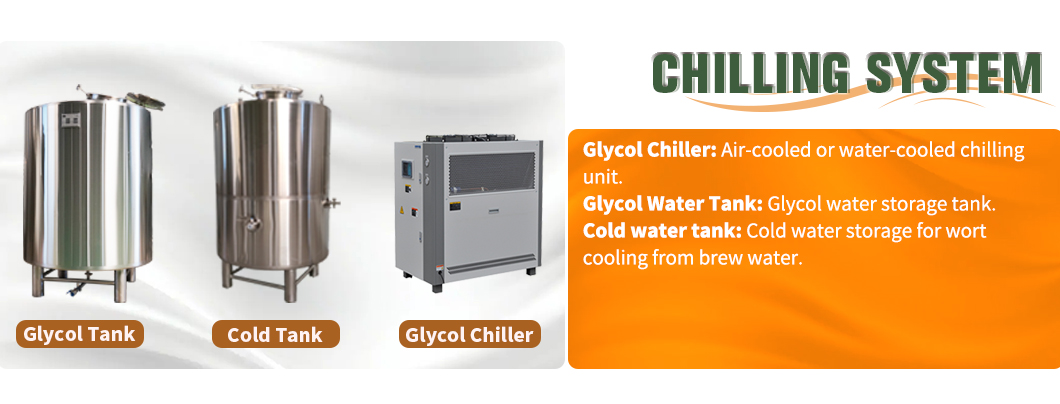
Sistema de refrigeración por glicol
Mantiene unas temperaturas de fermentación precisas.
Normalmente incluye:
- Depósito de glicol
- Enfriador
- Bombas
Sistema de limpieza CIP
Garantiza un funcionamiento higiénico gracias a la limpieza automática.
Configuración opcional:
- Depósito de sosa cáustica
- Tanque de ácido
- Depósito de agua caliente
- Bomba sanitaria
Depósito de cerveza clara (opcional)
Se utiliza para:
- Carbonatación
- Almacenamiento de cerveza
- Mezcla
- Preparación del embalaje
Sistema de filtración de cerveza (opcional)
Se seleccionan en función del estilo de cerveza y de la claridad deseada.
Línea de llenado
Las opciones de envasado incluyen:
- Línea de llenado de botellas
- Línea de llenado de latas
- Máquina llenadora de barriles
Los sistemas totalmente automáticos mejoran la productividad y la uniformidad del producto.
¿Qué cervecerías se benefician más de la elaboración con DME?
La elaboración de cerveza con extracto seco de malta resulta especialmente adecuada para:
- Cervecerías emergentes
- Cervecerías
- Restaurantes con cervecería propia
- Laboratorios de elaboración de cerveza a escala piloto
- Cervecerías por encargo
- Empresas de bebidas que se están expandiendo hacia la producción de cerveza
- Proyectos de cerveza de temporada o de edición limitada
- Cervecerías situadas en zonas remotas donde el suministro de malta es limitado
Al prescindir de una planta de elaboración completa, las cervecerías pueden centrarse en la fermentación, la innovación en las recetas y el desarrollo de la marca.
Solución integral de TIANTAI para la elaboración de DME
TIANTAI ofrece soluciones integrales «llave en mano» para fábricas de cerveza que utilizan extracto seco de malta, entre las que se incluyen:
- Sistemas de tratamiento de agua
- Depósitos de mezcla de DME
- Calderas de ebullición del mosto
- Depósitos de hidromasaje
- Intercambiadores de calor de placas
- Tanques de fermentación
- Depósitos de cerveza brillantes
- Sistemas de refrigeración con glicol
- Sistemas de limpieza CIP
- Sistemas de filtración de cerveza
- Líneas de llenado de botellas, latas y barriles
- Sistemas de control automático con PLC
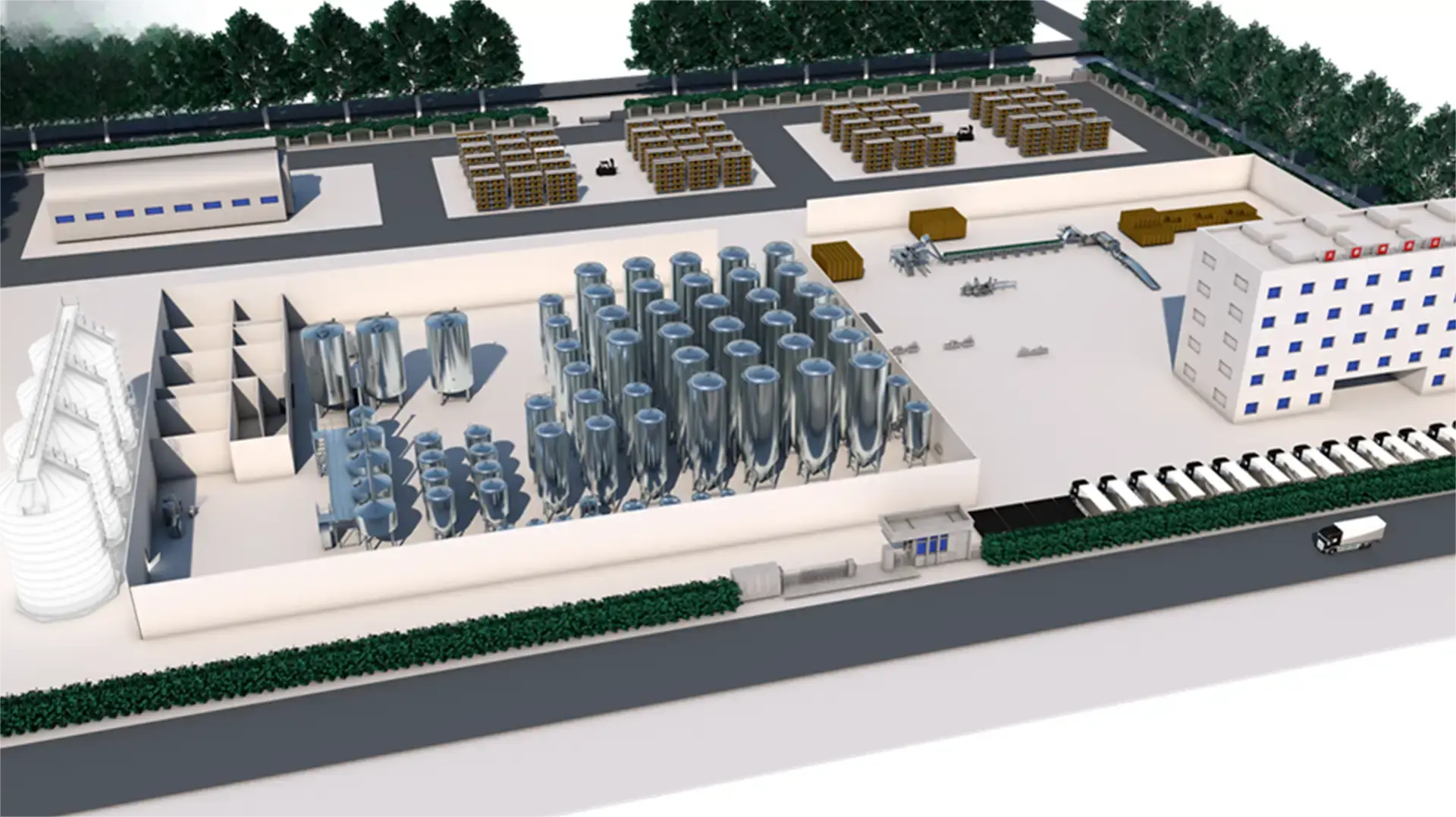
- Diseño de la distribución de una fábrica de cerveza
- Instalación y puesta en marcha
- Formación técnica y asistencia posventa
Cada sistema se adapta a las necesidades de cada cliente en función de la capacidad de producción, el espacio disponible, los tipos de cerveza y el presupuesto, lo que permite a los clientes poner en marcha una producción de cerveza eficiente con total confianza.
El extracto seco de malta ofrece a las cervecerías una alternativa práctica y rentable a la elaboración tradicional con grano entero. Simplifica la producción al eliminar las fases de molienda y maceración, al tiempo que garantiza una calidad constante del mosto y un excelente rendimiento en la elaboración de la cerveza.
Con el equipo y la tecnología de fermentación adecuados, las cervecerías pueden elaborar una amplia gama de cervezas artesanales de alta calidad —desde lagers frescas hasta IPA con un marcado sabor a lúpulo y stouts con mucho cuerpo— utilizando el DME como base fiable para la elaboración.
Tanto si vas a poner en marcha tu primera cervecería como si vas a ampliar tu gama de productos, una solución de elaboración de cerveza DME de TIANTAI puede ayudarte a lograr una puesta en marcha más rápida, una inversión menor y una calidad de cerveza fiable.
Editado por Daisy: [email protected]