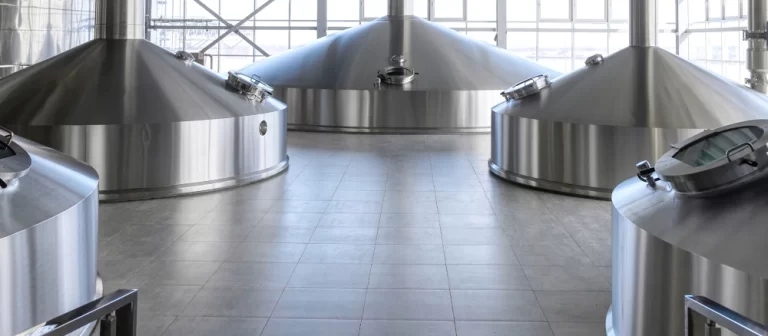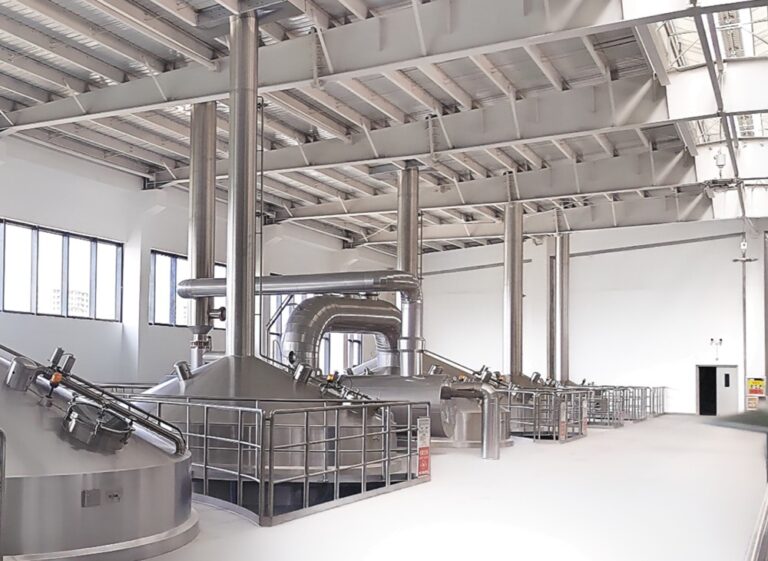
ドライモルトエキス(DME)でビールの醸造を簡単に
すべての醸造所が、優れたビールを生産するために完全な醸造設備を必要とするわけではありません。多くの新興醸造所、ブリューパブ、パイロット醸造所、および委託醸造業者は、 乾燥麦芽エキス(DME) 効率的で柔軟性に富んだ醸造原料として。.
DMEを利用すれば、醸造業者は優れたビールの品質を維持しつつ、マッシングやロータリングの工程を省略することができます。醸造用水にエキスを溶かし、ホップを加え、高品質な酵母で発酵させ、完成品を瓶詰めするだけで済むため、醸造所は設備投資と生産時間を大幅に削減することができます。.
このガイドでは、DMEとは何か、DMEを使ってどのようにビールを醸造するのか、必要な設備、そしてなぜDMEが現代の醸造所で人気のある選択肢となっているのかについて解説します。.
ドライモルトエキス(DME)とは何ですか?
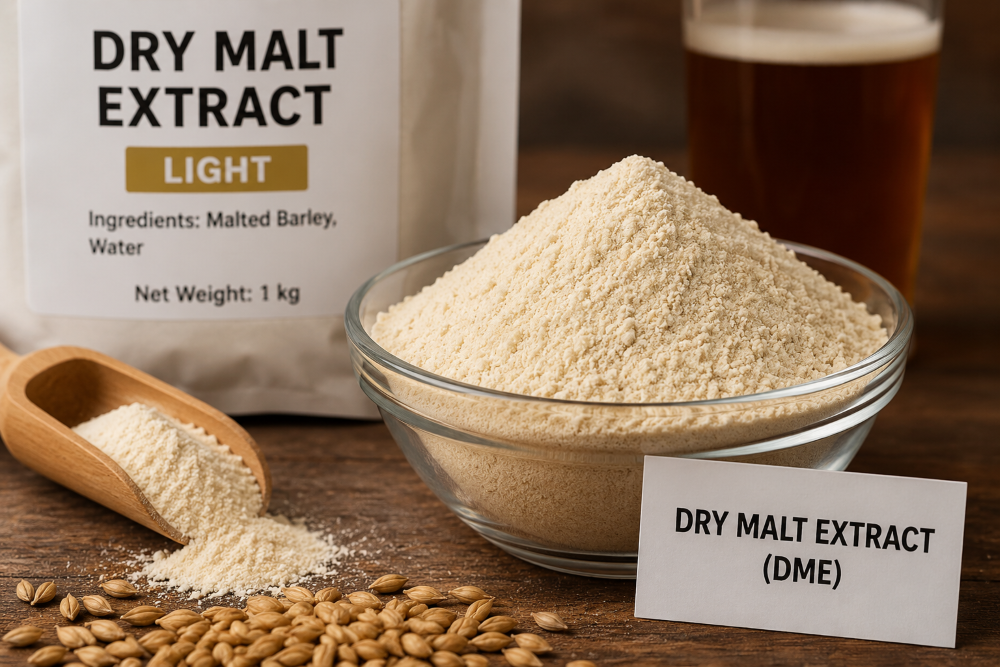
ドライモルトエキス(DME)は、モルトを麦汁に醸造した後、蒸発および噴霧乾燥によって水分をほぼすべて除去することで製造されます。その結果、約 95–97% 固体.
DMEには、従来の麦汁に含まれる発酵性糖類、タンパク質、ミネラル、そしてモルトの風味がそのまま残されているため、多種多様なスタイルのビールを醸造するための優れたベースとなります。.
DMEの一般的な種類には、次のようなものがあります:
- エクストラライト DME
- ライトDME
- アンバー DME
- ダークDME
- 小麦由来DME
- 特殊麦芽エキス
それぞれの種類は、レシピ開発において、色、風味、コクといった異なる特徴をもたらします。.
DMEを使った醸造のメリット
従来の全穀物醸造と比較して、DMEにはいくつかの重要な利点があります:
- 麦芽の粉砕は不要です
- マッシュタンやラウタータンは不要です
- 醸造工程の短縮
- 設備投資の削減
- 人件費の削減
- 安定したモルトの品質
- レシピの分量の調整が簡単
- 長期保存が可能
- 便利な輸送と保管
- スペースに限りがある醸造所に適しています
多くの醸造所にとって、DMEは効率と製品の品質の間に理想的なバランスをもたらします。.
ドライモルトエキスを使用した醸造工程
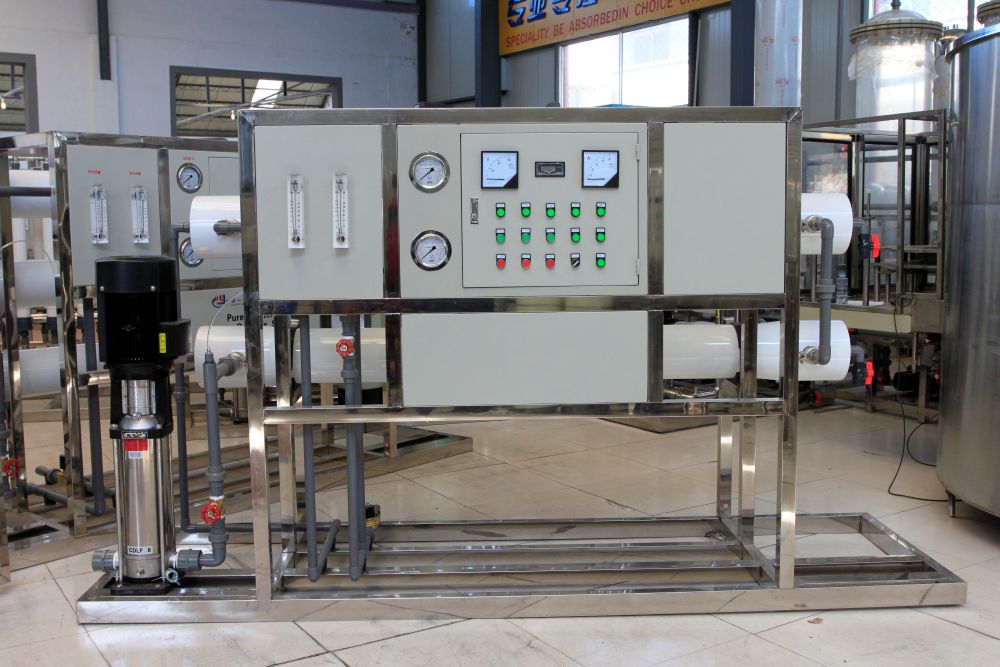
ステップ1:水処理
高品質な抽出は、適切に処理された水から始まります。.
醸造用水は、選択したビールのスタイルに適したミネラル組成になるよう、ろ過し、調整する必要があります。.
代表的な水処理設備には、次のようなものがあります:
- 砂ろ過装置
- 活性炭フィルター
- 軟水器
- 逆浸透(オプション)
- UV殺菌器
ステップ2:乾燥麦芽エキスの溶解
醸造用水は、およそ 60~70°C.
ドライモルトエキスは、撹拌機を備えたステンレス製の混合タンクに徐々に加えられる。.
少しずつ加えることで、塊ができるのを防ぎながら、完全に溶解させることができます。.
混ぜ合わせると、その溶液は煮沸の準備が整った新鮮な麦汁になります。.
ステップ3:麦汁の煮沸
麦汁を沸騰する温度(100°C)まで加熱する。.
沸騰は通常、 60~90分, 、ビールのレシピによって異なります。.
沸騰段階では、いくつかの重要な機能が果たされます:
- 麦汁を殺菌する
- タンパク質の凝固を促進する
- 麦汁の安定性を高める
- 必要に応じて麦汁を濃縮する
- ホップの苦味と香りを抽出する
ステップ4:ホップの添加
ホップは、作りたいビールのスタイルに応じて、煮沸の過程で添加されます。.
一般的なスケジュール:
- 苦味用ホップ:60分
- フレーバーホップ:20~30分
- アロマホップ:最後の5~10分間
- ワールプールホップ:煮沸後(任意)
スパイス、ハーブ、果皮、植物成分などの追加の材料を加えることもあります。.
ステップ5:渦分離
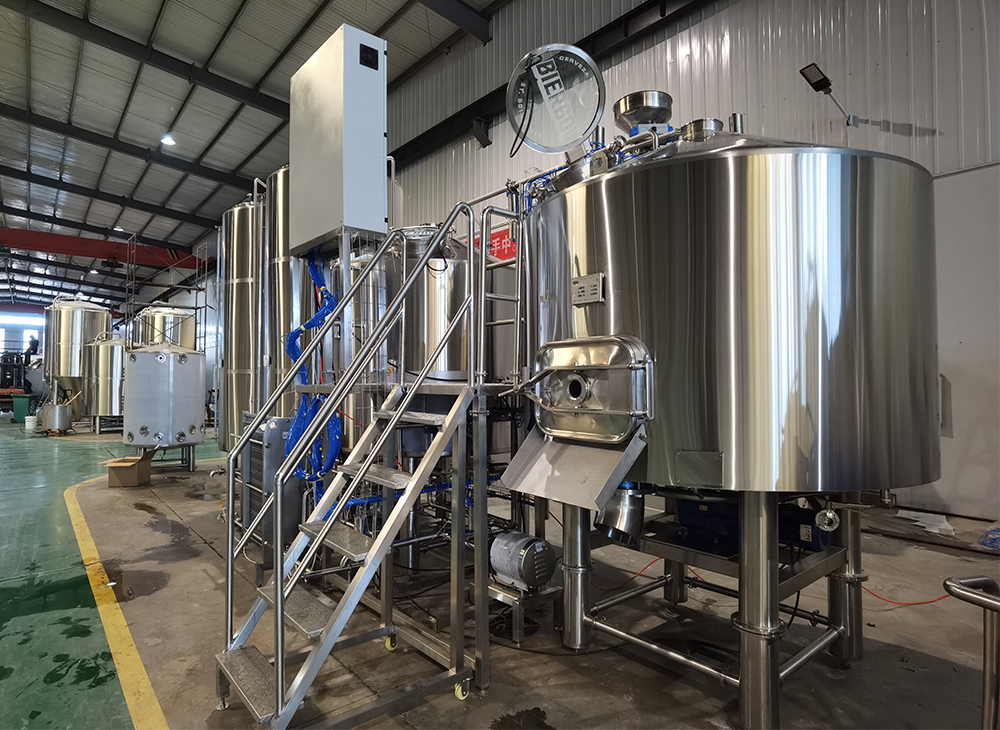
煮沸後、麦汁はワールプールタンクに移されます。.
ワールプールは次のように分離する:
- ホップの残渣
- タンパク質凝集体(ホットブレイク)
- Trub
澄んだ麦汁は発酵効率を高め、より澄んだビールを生み出します。.
手順 6:麦汁の冷却
プレート式熱交換器により、麦汁は発酵温度まで急速に冷却されます。.
代表的な気温:
- エール:18~22°C
- ラガー:8~12°C
急速冷却により、汚染リスクを最小限に抑え、麦汁を酵母の添加に備えることができます。.
ステップ7:発酵
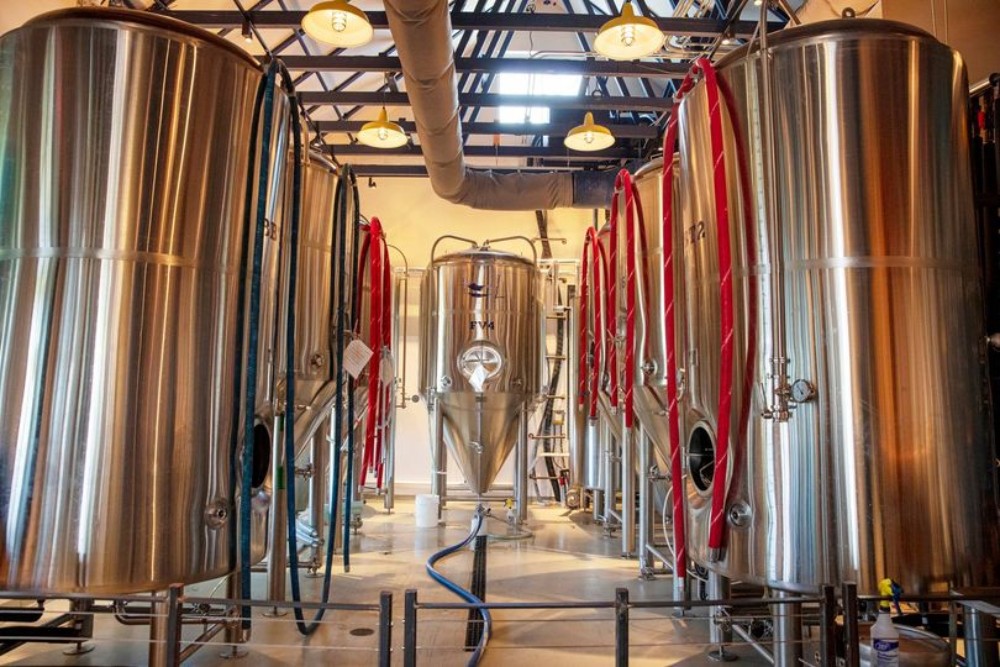
冷却された麦汁は、ステンレス製の発酵槽に移されます。.
醸造用酵母は、衛生的な条件下で投入されます。.
一般的な発酵時間:
- エール:5~10日
- ラガー:10~21日
最新の発酵槽は、温度と圧力を自動的に制御し、安定した発酵を保証します。.
発酵中に任意で加えることができるものには、次のようなものがあります:
- ドライホップ
- フルーツピューレ
- コーヒー
- ハニー
- ココア
- ハーブ
ステップ8:ビールの熟成
一次発酵の後、ビールは低温熟成の工程を経ます。.
この段階では、以下の点が改善されます:
- 風味の成熟度
- 炭酸
- 明瞭さ
- マウスフィール
- 保存期間
一般的な調整温度:
0~2°C
期間については、ビールのスタイルによって1週間から4週間の範囲となります。.
手順 9:ろ過(任意)
明るい色のビールを製造する場合、以下の方法を用いてろ過を行うことができます:
- プレートフィルター
- 珪藻土(DE)フィルター
- 膜ろ過システム
多くのクラフトブルワリーは、ヘイジーIPAや小麦ビールを醸造する際、意図的にろ過工程を省いています。.
手順 10:炭酸の注入
ビールには、天然の炭酸を含むものと、CO₂を強制的に注入して炭酸を加えたものがあります。.
炭酸の量は、目指すビールのスタイルに合わせて調整されます。.
ステップ11:梱包
完成したビールは、以下の容器に充填することができます:
- ガラス瓶
- アルミ缶
- ステンレス製ケグ
自動充填システムは、酸素の混入を最小限に抑えつつ、効率を向上させます。.
DME醸造に必要な機材
従来の醸造所と比較して、DMEを原料とする醸造所では、必要な設備がはるかに少なくて済みます。.
一般的なシステムには、以下のものが含まれます:
水処理システム
ミネラル成分が安定した、醸造に適した水を作り出します。.
DME混合タンク
ドライモルトエキスを効率的に溶かすために使用されます。.
特徴
- ステンレススチール製
- 蒸気暖房または電気暖房
- アジテーター
- 温度制御
- CIPスプレーボール
麦汁煮沸釜
提供内容:
- 麦汁の殺菌
- ホップの煮出し
- 風味の形成
蒸気ジャケット付きケトルは、優れた加熱効率を発揮します。.
ワールプール式タンク
ホップの粒子とタンパク質固形分を分離します。.
プレート式熱交換器
発酵前の急速冷却。.
発酵タンク
醸造所の心臓部。.
主な特徴:
- グリコール冷却ジャケット
- 耐圧容器
- 温度制御
- 圧力制御
- サンプリングバルブ
- CIP洗浄システム
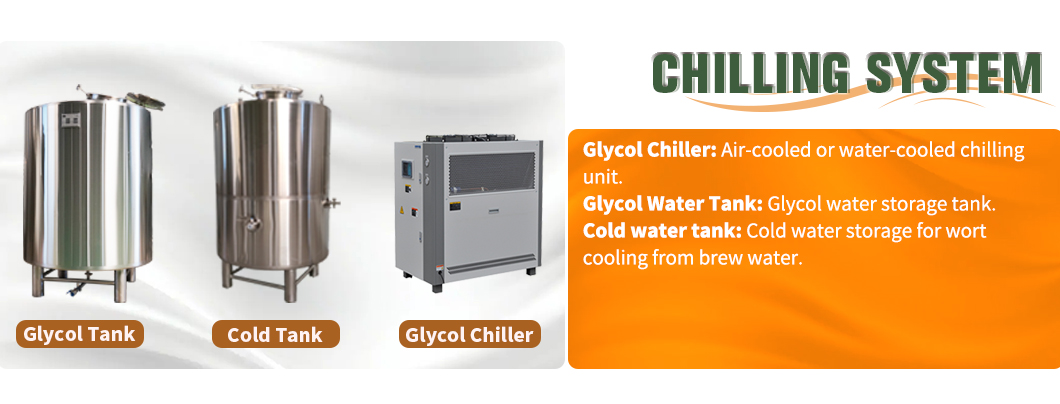
グリコール冷却システム
発酵温度を正確に維持します。.
通常、以下が含まれます:
- グリコールタンク
- チラー
- ポンプ
CIP洗浄システム
自動洗浄機能により、衛生的な稼働を保証します。.
オプションの設定:
- 苛性アルカリタンク
- 酸タンク
- 温水タンク
- 衛生用ポンプ
ブライトビールタンク(オプション)
に使用される:
- 炭酸
- ビールの保存
- ブレンド
- 包装の準備
ビールろ過システム(オプション)
ビールのスタイルや希望する透明度に応じて選定されます。.
充填ライン
包装オプションは以下の通り:
- ボトル充填ライン
- 缶充填ライン
- 樽充填機
全自動システムは、生産性と製品の均一性を向上させます。.
DME醸造から最も恩恵を受けているのはどの醸造所か?
ドライモルトエキスを使った醸造は、特に次のような場合に適しています:
- 新興の醸造所
- ブリューパブ
- レストラン併設の醸造所
- パイロット醸造実験室
- 受託醸造所
- ビール製造に参入する飲料メーカー
- 季節限定や数量限定のビールプロジェクト
- 麦芽の供給が限られている遠隔地の醸造所
本格的な醸造設備が不要になることで、醸造所は発酵、レシピの革新、ブランド開発に注力できるようになります。.
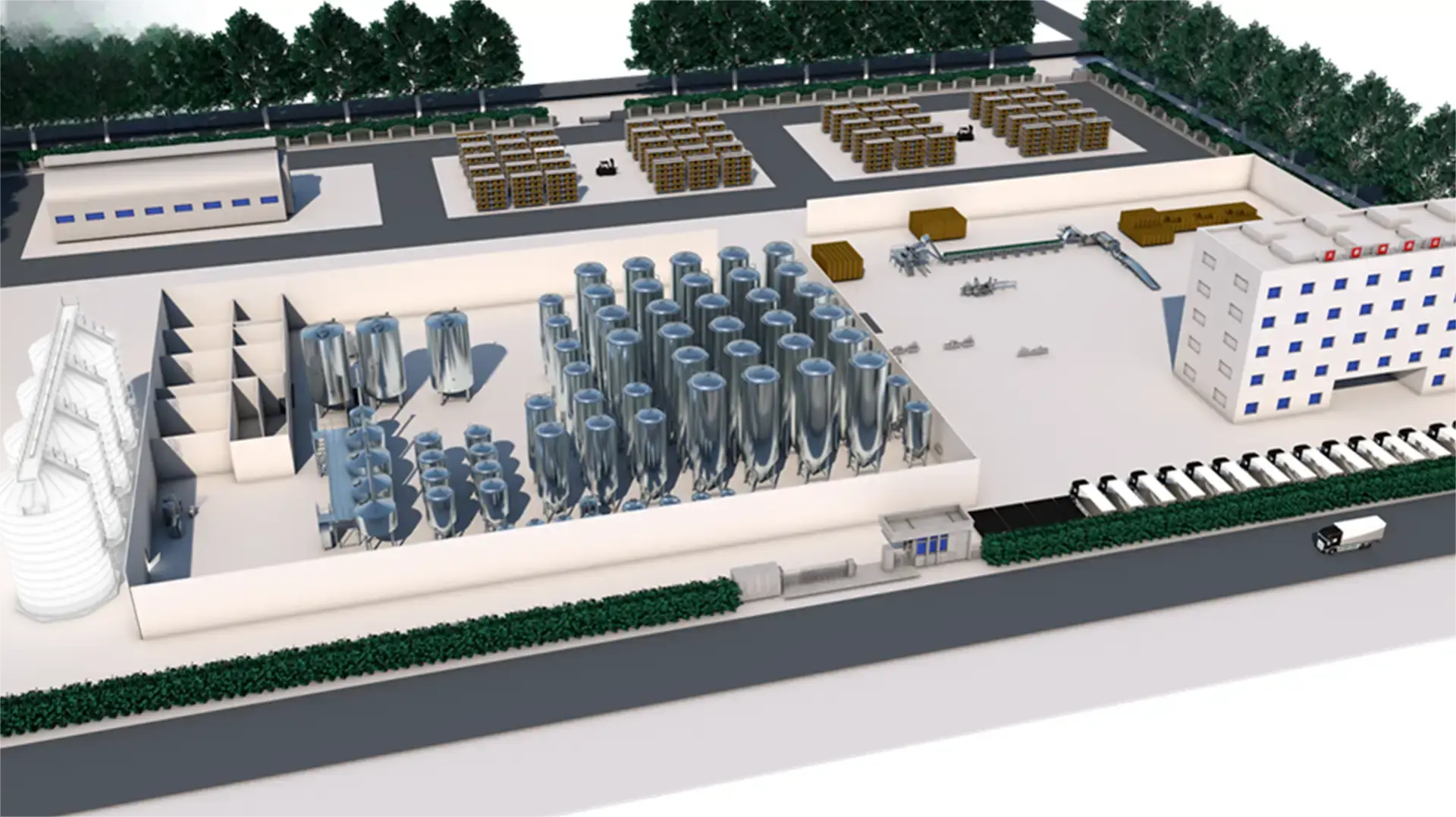
TIANTAI 完全なDME醸造ソリューション
TIANTAIは、ドライモルトエキスを使用する醸造所向けに、以下の内容を含む包括的なターンキーソリューションを提供しています:
- 水処理システム
- DME混合タンク
- 麦汁煮沸釜
- 渦流槽
- プレート式熱交換器
- 発酵タンク
- 明るいビールタンク
- グリコール冷却システム
- CIP洗浄システム
- ビールろ過システム
- ボトル、缶、樽の充填ライン
- PLC自動制御システム
- 醸造所のレイアウト設計
- 設置と試運転
- 技術トレーニングおよびアフターサービス
各システムは、生産能力、設置スペース、ビールの種類、予算に応じてカスタマイズされるため、お客様は安心して効率的なビール生産を開始することができます。.
ドライモルトエキスは、醸造所にとって、従来のオールグレイン醸造に代わる実用的かつ費用対効果の高い選択肢となります。粉砕やマッシングの工程を省くことで製造工程を簡素化すると同時に、安定した麦汁の品質と優れた醸造性能を実現します。.
適切な設備と醸造技術さえあれば、醸造所はDMEを確かな醸造の基盤として活用し、爽やかなラガーからホップの風味が際立つIPA、コクのあるスタウトに至るまで、幅広い種類の高品質なクラフトビールを生産することができます。.
初めての醸造所の立ち上げでも、製品ラインナップの拡充でも、TIANTAI DMEの醸造ソリューションなら、立ち上げの迅速化、投資コストの削減、そして安定したビールの品質を実現するのに役立ちます。.
編集者:デイジー [email protected]