Bananas are one of the most abundant fruits in tropical regions, and their natural sweetness makes them an excellent raw material for fermentation and distillation. Banana-based spirits are gaining attention for their unique aroma and sustainable production potential. In this article, we’ll explore a simple and effective process for producing banana distillates.

- Raw Material Preparation
The process begins with selecting ripe bananas. Overripe bananas are actually ideal, as their starch has already converted into fermentable sugars. The bananas are peeled and mashed into a pulp, then mixed with water to create a uniform mash.
To improve fermentation efficiency, enzymes can be added to break down remaining starches and increase sugar availability.
- 発酵
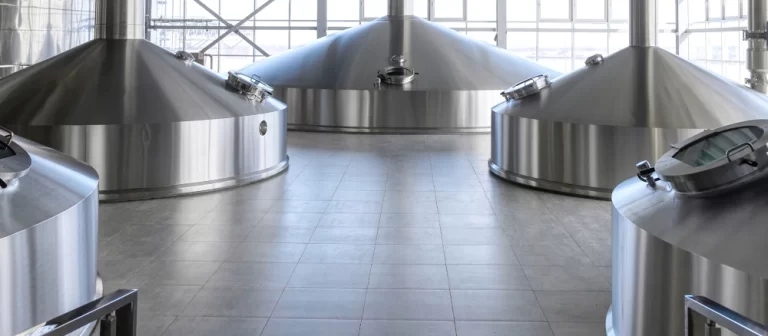
The banana mash is transferred into a fermentation tank. Since bananas are relatively low in nutrients for yeast, adding yeast nutrients is recommended.
A suitable yeast strain—such as a distillers yeast or wine yeast—is added. Fermentation typically takes 5–7 days at controlled temperatures (around 20–30°C), producing a wash with an alcohol content of approximately 6–10% ABV.
The goal is to develop a clean fermentation profile while preserving the natural fruity aroma.
- 蒸留
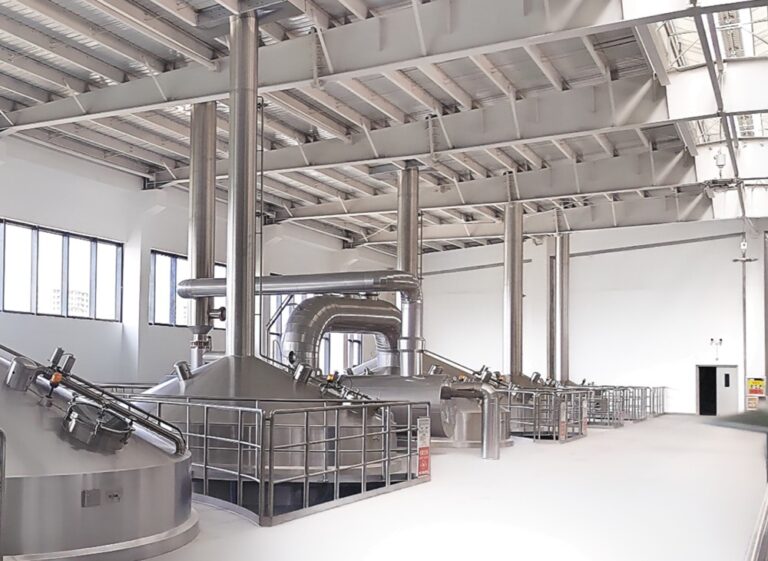
Once fermentation is complete, the wash is transferred to a pot still or column still for distillation.
The distillation process separates alcohol from water and unwanted compounds. Typically:
The “heads” (first fraction) are discarded
The “hearts” (main fraction) are collected as the final spirit
The “tails” may be separated or recycled
Careful control of temperature and cut points is essential to maintain a smooth and aromatic spirit.
- Maturation and Adjustment
Depending on the desired product, the distilled spirit can be:
Bottled immediately for a fresh, fruity profile
Aged in oak barrels for added complexity
Before bottling, the spirit is usually diluted with purified water to the desired alcohol level (e.g., 40% ABV).
- Sustainability Advantage
Banana distillation is also an excellent way to utilize surplus or unsellable fruit, reducing waste and creating value-added products. This makes it particularly attractive in regions with abundant banana production.
結論
Banana distillation is a simple yet rewarding process that transforms a common fruit into a distinctive spirit. With proper fermentation, careful distillation, and attention to quality, producers can create a unique product that stands out in the growing craft spirits market.
お読みいただきありがとうございました。
ヘレン・リー