Mead, often referred to as the oldest alcoholic beverage in the world, is made by fermenting honey with water and yeast. Despite its simple ingredients, producing high-quality mead requires careful control of fermentation, nutrients, and aging. In this blog, we’ll walk through the essential steps of modern mead production.

- Must Preparation
The process begins by mixing honey with water to create what is known as the “must.” The ratio of honey to water determines the final alcohol content and sweetness. Typically, honey makes up 20–35% of the mixture.
Unlike malt or fruit, honey lacks sufficient nutrients for yeast. Therefore, adding yeast nutrients is critical to ensure a healthy fermentation.
- Yeast Pitching and Fermentation
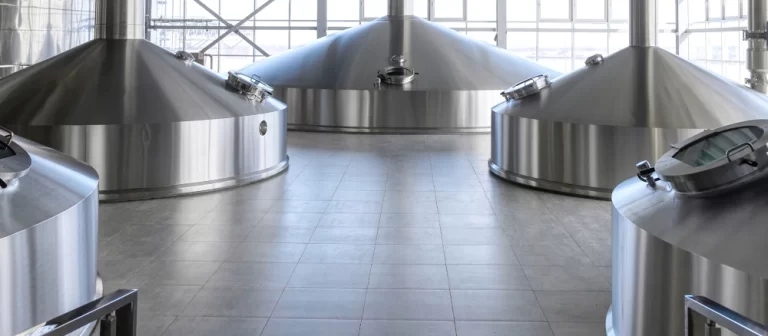
Once the must is prepared, it is cooled (if heated) and transferred into a fermentation tank. Yeast—commonly wine yeast strains—is then added.
Fermentation usually takes 1–3 weeks, depending on temperature and formulation. During this stage, sugars in the honey are converted into alcohol and carbon dioxide. Temperature control (generally 15–25°C) is important to avoid off-flavors.
- Racking and Clarification
After primary fermentation, the mead is separated from the sediment (dead yeast and solids) through a process called “racking.” This helps improve clarity and flavor.
Additional clarification methods may include:
Cold crashing
Fining agents
ろ過
- Aging (Maturation)
Mead benefits significantly from aging. It can be matured in stainless steel tanks or oak barrels for several months to over a year.
Aging allows flavors to mellow and develop complexity, resulting in a smoother and more refined product.
- Stabilization and Bottling
Before bottling, the mead may be stabilized using agents like potassium sorbate to prevent further fermentation. It can be bottled as a still or sparkling beverage, depending on the desired style.
結論
Mead production is a balance of simplicity and precision. With just honey, water, and yeast, producers can create a wide range of flavors—from dry and crisp to rich and sweet. By managing fermentation, nutrients, and aging carefully, mead makers can craft a product that is both traditional and innovative.
お読みいただきありがとうございました。
ヘレン・リー