ビール醸造において、マッシングおよびラウタリング段階での麦汁の透明度は、最終的なビールの品質に極めて重要な役割を果たします。ろ過時に麦汁が濁っていたり、かすんでいたりすると、発酵性能の低下、ビールの品質の不安定化、異味の原因となるほか、後工程でのろ過作業にも支障をきたす可能性があります。.
では、醸造家はマッシュろ過工程における濁りの問題をどのように回避すればよいのでしょうか?
本記事では、ロータリング中に麦汁が濁る主な原因と、ろ過性能および麦汁の透明度を向上させるための実践的な解決策について解説します。.
1. フライス加工工程を適切に管理する
麦芽の粉砕は、麦汁のろ過に影響を与える最も重要な要因の一つである。.
もし麦芽が 挽き目がきつすぎる, 、小麦粉の粒子が過剰になると、穀物層が詰まり、ろ過速度が低下し、濁度が高まることがあります。.
もし麦芽が 挽き目が粗すぎる, 、抽出効率が低下する可能性があります。.
推奨される実践方法:
- 殻の構造をできるだけそのまま残してください。.
- バランスのとれた粉砕を実現しましょう。十分な抽出ができるほど細かく、かつ効果的なろ過ができるほど粗い粉砕が理想です。.
- を使用してください 2ローラー式または調整可能なモルトミル 一貫性を高めるために。.
一般的なモルトの粉砕目標値:
- 殻:ほぼ無傷
- 胚乳:適切に砕かれている
- 粉の発生が最小限
適切に粉砕することで、ろ過工程において自然なろ過層が形成されます。.
2. マッシュ温度と酵素活性の最適化
マッシュの温度が適切でないと、デンプンの変換が不完全になったり、タンパク質残留物が過剰になったりすることがあり、これらはいずれも濁りの原因となります。.
温度に関する主な考慮事項:
タンパク質固定(45~55°C / 113~131°F)
濁りの原因となる過剰なタンパク質の分解を助けます。.
糖化休止(62~68°C/144~154°F)
デンプンの発酵性糖への変換を促進します。.
マッシュアウト(76~78°C/169~172°F)
麦汁の粘度を低下させ、濾過効率を向上させます。.
よくあるトラブルを避けましょう:
- デンプンの不完全な転化
- 過剰な高分子量タンパク質
- マッシュの粘度が過度に濃い
~を実行する ヨウ素試験 ろ過を行う前に、デンプンの完全な分解を確認するのに役立ちます。.
3. 適切なマッシュの濃度を維持する
マッシュの粘度は、ろ過性能に大きな影響を与えます。.
マッシュの濃度が高すぎると、次のような問題が生じる可能性があります:
- 高粘度
- 麦汁の流れが遅い
- 締固められた穀物床
- ヘイズの発生増加
推奨マッシュ比率:
一般的な醸造比率:
麦芽 1 kg:水 2.5~4 L
最適な比率は、以下の要因によって決まります:
- ビールのスタイル
- モルトの配合
- 醸造設備の設計
マッシュの粘度を適切に調整することで、麦汁の分離がスムーズに行われます。.
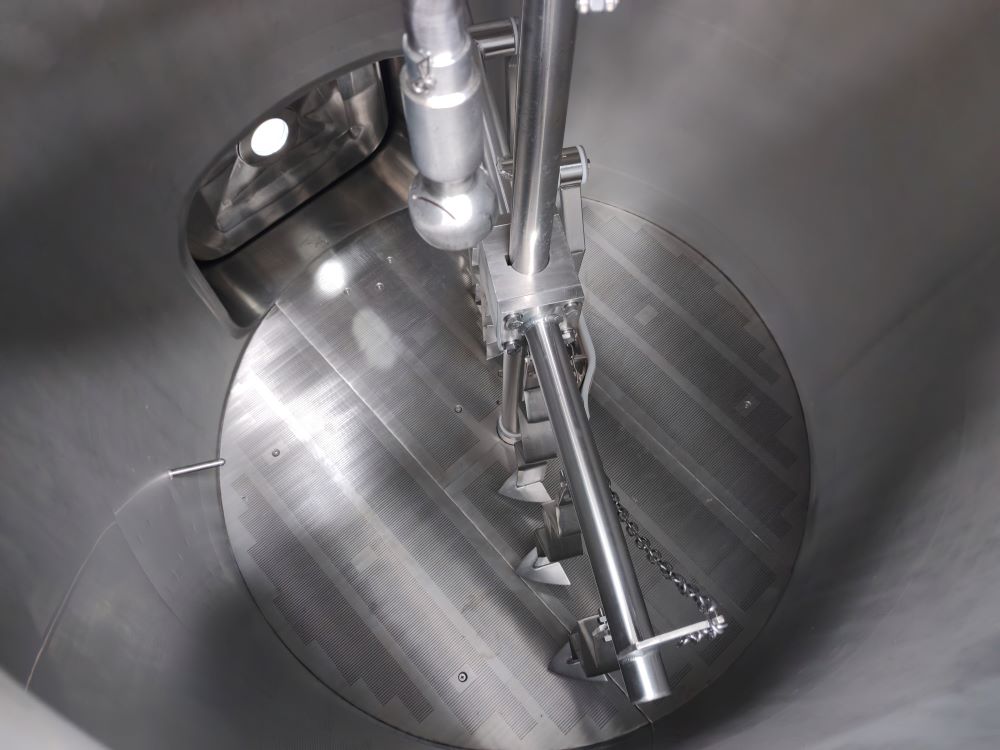
4. ろ過工程における穀物層の形成と保護
穀物層は、醸造所の天然のろ過システムとして機能しています。.
穀物層が乱れると、チャネリングや粒子の混入が生じ、麦汁が濁る原因となる可能性があります。.
ろ過のベストプラクティス:
- 最初は麦汁を穏やかに循環させてください(ヴォルラウフ)。.
- 流出はゆっくりと始めましょう。.
- ポンプの回転数を過度に上げないようにしてください。.
- 穀物層の上部に、安定した液面を維持してください。.
- 穀物層の崩落や締固まりを防ぐ。.
最初の再循環段階では、濁った麦汁をラウタータンに戻すことで、穀物層が自然に澄んでいきます。.
5. 過度な機械的撹拌を避ける
マッシング後の激しい撹拌は、ろ過層の構造を破壊する恐れがあります。.
特に次のような場合に、この現象がよく見られます:
- レーキの操作が過度に荒い。.
- ポンプが過回転している。.
- 移送パイプラインは激しい乱流を引き起こします。.
実用的なヒント:
- 可変速混合システムを使用してください。.
- ラウタータンでは、漉し速度を慎重に調整してください。.
- 不必要な機械的撹乱を低減する。.
丁寧に扱うことで、ろ過の安定性を維持することができます。.
6. 原材料の品質管理
原料の組成は、麦汁の透明度に直接影響を与えます。.
特定の成分は、その性質上、濁りの原因となりやすい。.
注意すべき点:
- 高タンパク麦芽
- 不十分に改質された麦芽
- 過剰な未麦芽の副原料
- 穀物の貯蔵状態が悪い
小麦、オート麦、ライ麦、または副原料を多く含むレシピを使用する場合は、以下の点に留意してください:
- 酵素の補給
- β-グルカンの休息
- 修正されたマッシュスケジュール
ベータグルカンの含有量が高いと、麦汁の粘度が劇的に上昇し、濾過が困難になる。.
7. 適切な機器の設計と保守を行う
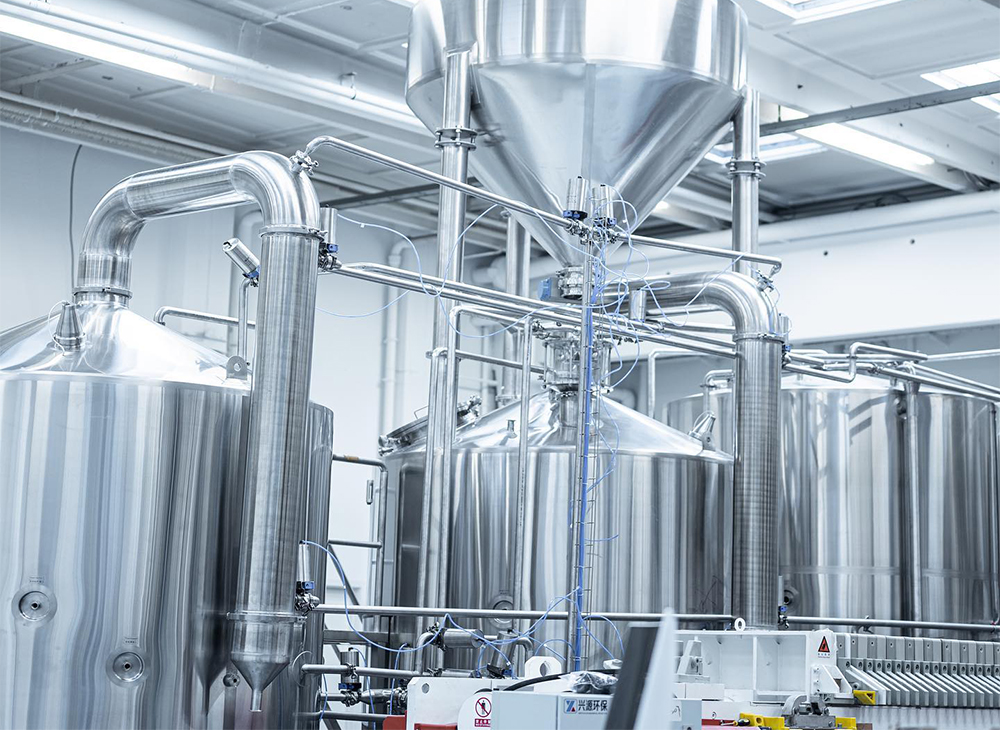
たとえ醸造工程がどれほど優れていても、設備の設計が不十分であれば、うまくいかないことがあります。.
機器に関する重要な要素:
- 二重底スロット構造
- ラウター・トゥン幾何学
- 麦汁の均一な回収
- ポンプの選定
- 温度制御精度
定期的なメンテナンスも同様に重要です。.
以下の項目について、定期的に点検を行ってください:
- 塞がれた偽底
- 画面の破損
- 流速の不均一な領域
- センサーの誤差
信頼性の高い機器設計により、安定したろ過性能が確保されます。.
8. マッシング中のpHを監視する
マッシュのpHは、酵素の活性、タンパク質の凝固、および麦汁の透明度に影響を与えます。.
推奨されるマッシュのpH範囲:
5.2–5.6
pH値が適切でない場合、次のような結果が生じる可能性があります:
- 酵素活性の低下
- タンパク質の分解が不十分
- ヘイズの発生増加
醸造家たちは通常、以下の方法を用いてpHを調整します:
- 醸造用塩
- 乳酸
- 酸処理麦芽
pHを適切に管理することで、ろ過性能と風味の安定性の両方が向上します。.
澄んだ麦汁を得るには、まずマッシングとラウタリングの工程を適切に管理することが重要です。麦汁のろ過時の濁りを最小限に抑えるため、醸造家は以下の点に注力すべきです:
✓ 適切な麦芽の粉砕
✓ マッシュ温度の正確な制御
✓ マッシュの粘度のバランス
✓ 穏やかで安定したろ過
✓ 制御された撹拌
✓ 良質な原材料
✓ 信頼性の高い機器設計
✓ 適切なpH管理

これらの要素を最適化することで、醸造所はろ過速度の向上、麦汁の透明度の向上、抽出効率の改善、そしてより安定したビールの品質を実現できます。クラフトビール醸造所であろうと工業用醸造所であろうと、卓越したビールを生産するためには、麦汁ろ過をマスターすることが不可欠です。 TIANTAIでは、カスタマイズされた醸造ソリューションを通じて、醸造所の設計、マッシュ効率、ろ過性能の最適化を支援しています。醸造システムの改善にご興味をお持ちですか?専門的なサポートが必要な場合は、お気軽にお問い合わせください。.
編集者:デイジー
[email protected]