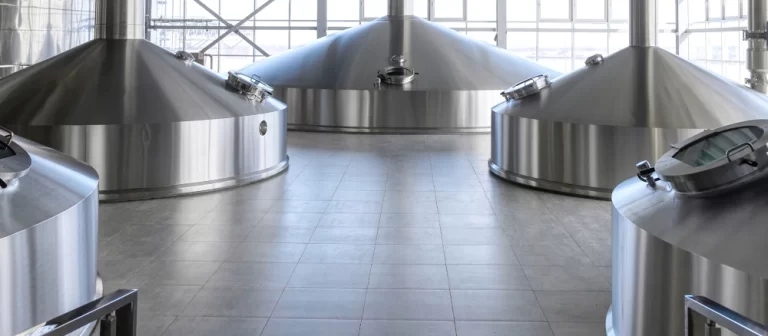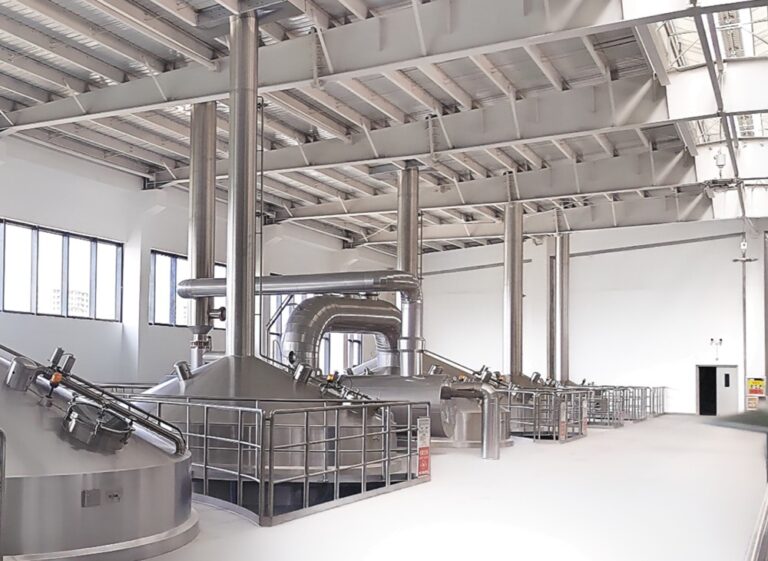
In the beer, beverage, and draft drink industries, efficient and hygienic keg filling is essential for maintaining product quality while increasing production efficiency. An Automatic Keg Filler Machine provides a reliable solution for breweries, beverage manufacturers, and contract filling plants that need consistent keg filling with minimum manual operation.
TIANTAI Automatic Keg Filler Machines are designed to provide stable, hygienic, and efficient filling performance for different keg sizes and beverage applications.
What Is an Automatic Keg Filler Machine?
An Automatic Keg Filler Machine is a filling system designed to automatically clean, purge, pressurize, fill, and seal reusable kegs.
Compared with traditional manual keg filling, an automatic system reduces labor requirements and provides more accurate control over filling pressure, filling volume, and sanitation.
The machine can be integrated into a complete keg processing line, including:
Keg Depalletizing → Keg Washing → Keg Sterilization → Keg Filling → Keg Capping/Sealing → Keg Conveying
Depending on the customer’s production requirements, the system can be configured as a semi-automatic or fully automatic solution.
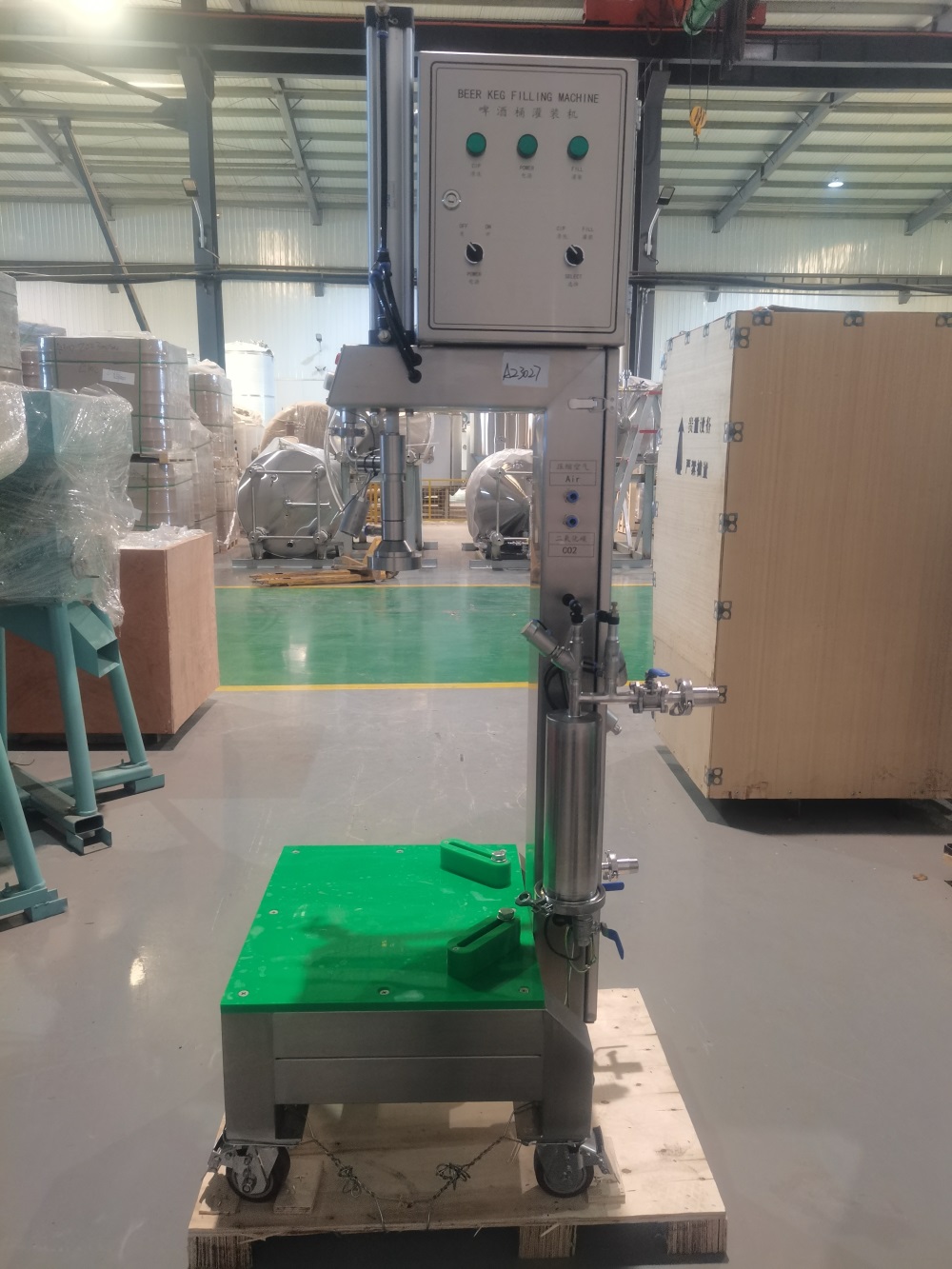
How Does an Automatic Keg Filler Work?
A typical automatic keg filling process includes several important steps.
1. Keg Positioning
Empty kegs are placed onto the conveyor or filling station. The automatic system detects the keg position and prepares it for filling.
The machine can be designed for different keg sizes, such as:
- 10L kegs
- 20L kegs
- 30L kegs
- 50L kegs
The exact keg size range depends on the machine configuration.
2. Keg Cleaning and Sanitization
Before filling, the keg should be properly cleaned and sanitized.
For beer and other sensitive beverages, hygienic keg preparation is especially important because contamination can affect product flavor, shelf life, and microbiological stability.
An automatic keg cleaning system can use:
- Caustic solution
- Hot water
- Acid solution
- Sterile water
- CO₂ or sterile air
The cleaning parameters can be controlled automatically according to the production recipe.
3. CO₂ Purging
After cleaning, the keg is purged with CO₂ to reduce the amount of oxygen inside the keg.
This is particularly important for beer because oxygen pickup can accelerate oxidation and negatively affect beer flavor and freshness.
CO₂ purging helps create a low-oxygen filling environment.
4. Pressure Equalization
For carbonated beverages, the pressure inside the keg must be balanced with the product supply pressure before filling.
The automatic filler gradually pressurizes the keg and establishes a suitable pressure difference between the keg and the beverage pipeline.
This helps reduce:
- Foaming
- CO₂ loss
- Product splashing
- Filling instability
5. Automatic Product Filling
Once the pressure conditions are established, the beverage is transferred into the keg.
For beer, the filling process is normally performed under controlled pressure to preserve carbonation and minimize oxygen pickup.
The filling parameters can be adjusted according to:
- Beverage type
- Carbonation level
- Keg volume
- Product temperature
- Filling speed
6. Filling Completion and Pressure Release
When the target filling volume is reached, the product valve closes automatically.
The machine then performs controlled pressure release before the keg is removed from the filling station.
This controlled process helps minimize beer foaming and product loss.
7. Keg Outlet
After filling, the finished keg is automatically transferred to the next process or manually removed by the operator, depending on the machine configuration.
For high-capacity breweries, the keg filler can be connected directly to conveyors and downstream keg handling equipment.
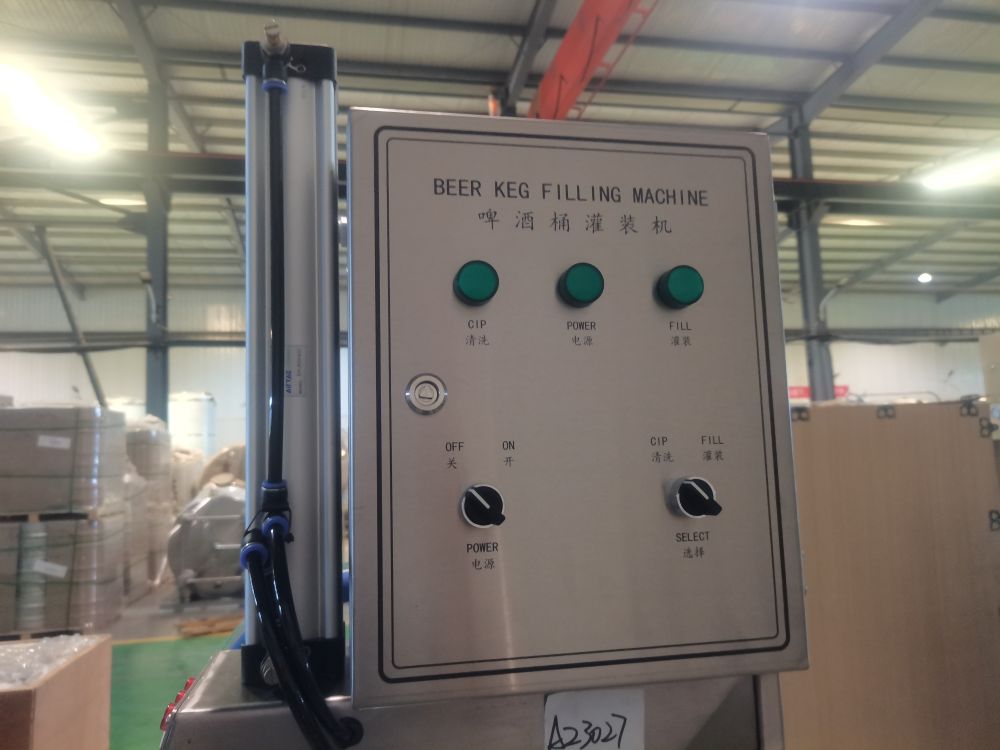
Key Advantages of Automatic Keg Filling
1. High Filling Efficiency
Automatic operation allows multiple kegs to be processed continuously, significantly increasing production efficiency compared with manual filling.
For breweries with growing draft beer sales, an automatic keg filler can become an important part of the packaging system.
2. Reduced Oxygen Pickup
Controlled CO₂ purging and pressure filling help reduce oxygen exposure during the filling process.
This is especially valuable for:
- Craft beer
- Lager
- IPA
- Pale Ale
- 사이다
- 콤부차
- Carbonated beverages
Maintaining low oxygen pickup helps preserve the original aroma, flavor, and freshness of the product.
3. Consistent Filling Quality
Automatic control provides consistent filling parameters from keg to keg.
The PLC control system can monitor and manage:
- Filling pressure
- CO₂ 압력
- Product pressure
- Filling time
- Cleaning time
- 살균 사이클
- Valve operation
This improves repeatability and reduces operator error.
4. Hygienic Design
The product-contact components are normally manufactured from sanitary stainless steel, typically 304 or 316L stainless steel, depending on the application.
Sanitary connections, smooth internal surfaces, hygienic valves, and CIP-compatible design help simplify cleaning and sanitation.
5. Labor Saving
Manual keg filling requires operators to repeatedly connect, fill, disconnect, and move kegs.
An automatic system can perform most of these operations automatically, allowing one operator to supervise the production process rather than manually controlling every keg.
6. Flexible Production
The machine can be customized according to production capacity and keg specifications.
For example, TIANTAI can provide different configurations based on:
- Number of filling heads
- Keg volume
- 생산 능력
- Beverage type
- Available floor space
- Automatic cleaning requirements
- PLC control requirements
Automatic Keg Filler for Different Beverages
Although keg fillers are widely used for beer, the technology is not limited to breweries.
맥주
Beer is one of the most common applications. Counter-pressure filling helps maintain carbonation and reduce oxygen pickup.
사이다
Cider can also be filled into stainless steel kegs for pubs, restaurants, festivals, and distribution.
콤부차
For carbonated kombucha, controlled pressure filling can help maintain carbonation while reducing product foaming.
Sparkling Water
Carbonated water and flavored sparkling beverages can also be packaged in reusable kegs.
Other Carbonated Beverages
The system can be adapted for other carbonated drinks depending on their viscosity, carbonation level, temperature, and hygienic requirements.
Automatic Keg Filler vs. Manual Keg Filling
| 기능 | Manual Keg Filling | Automatic Keg Filling |
|---|---|---|
| 노동 요구 사항 | 높음 | 낮음 |
| Filling Consistency | Operator dependent | Highly consistent |
| 생산 효율성 | Low–Medium | Medium–High |
| CO₂ Control | 매뉴얼 | 자동 |
| Pressure Control | 매뉴얼 | 자동 |
| Oxygen Control | More difficult | Better controlled |
| Cleaning Integration | 제한적 | CIP-compatible |
| Production Expansion | 제한적 | Easy to upgrade |
| PLC 제어 | Usually unavailable | Available |
For small breweries with limited production, a manual or semi-automatic system may be sufficient. For commercial breweries and beverage factories, an automatic keg filler provides better long-term efficiency and process control.
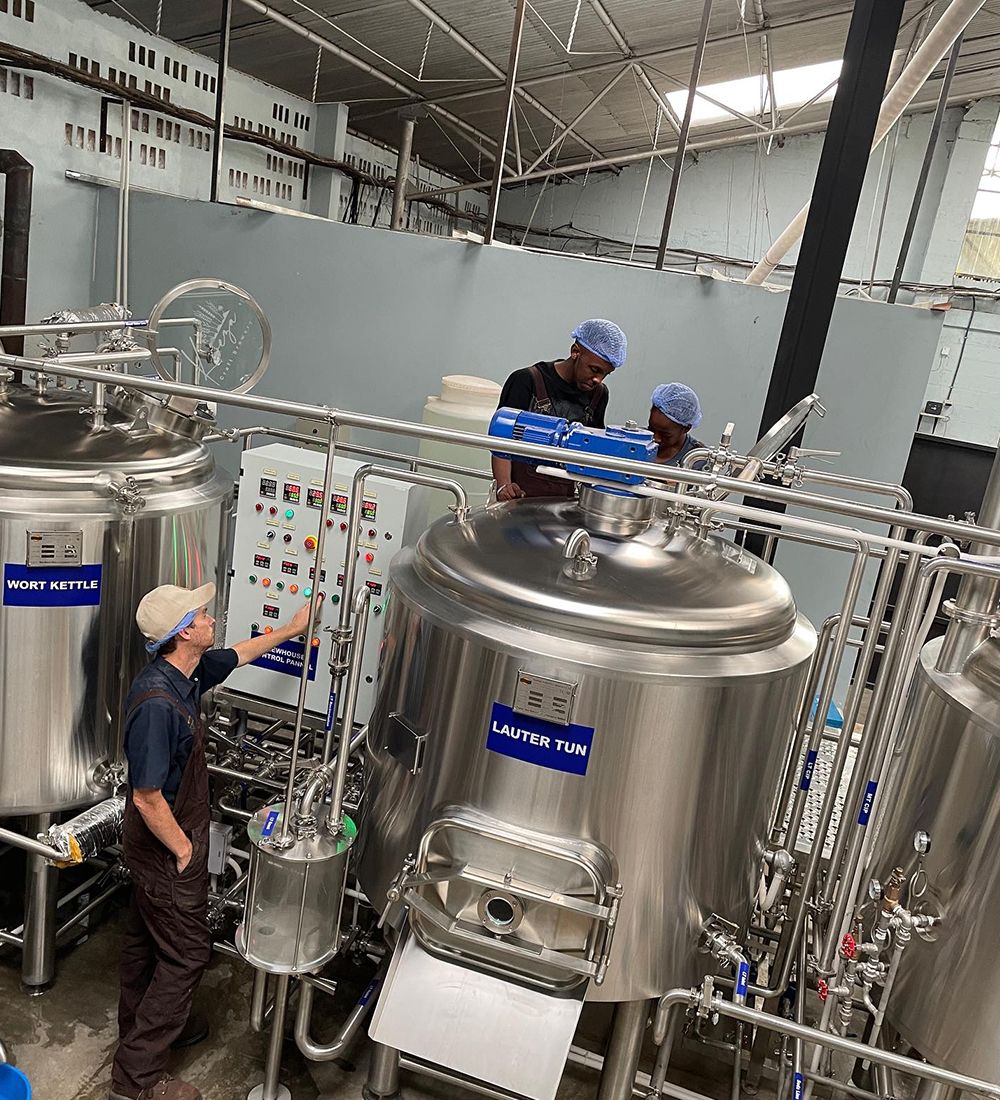
TIANTAI Automatic Keg Filler Machine
TIANTAI specializes in the design and manufacture of stainless steel beverage processing and packaging equipment for breweries, beverage factories, wineries, and distilleries.
Our Automatic Keg Filler Machine can be customized according to the customer’s production requirements.
Typical features include:
- Sanitary stainless steel construction
- Automatic keg detection
- Automatic CO₂ purging
- Automatic pressure equalization
- 역압 충전
- Automatic filling control
- PLC + HMI control system
- Adjustable filling parameters
- CIP 호환 디자인
- Multiple filling heads available
- Suitable for different keg sizes
- Integration with keg washing and sterilization systems
The equipment can also be designed as part of a complete brewery packaging solution, from fermentation and bright beer storage to keg washing, filling, and final keg handling.
How to Choose the Right Automatic Keg Filler?
Before selecting a keg filler, customers should confirm several important parameters:
1. Production Capacity
예를 들어
- 20 kegs/hour
- 40 kegs/hour
- 60 kegs/hour
- 100+ kegs/hour
The required capacity determines the number of filling heads and the degree of automation.
2. Keg Size
The machine should be compatible with the customer’s actual keg specifications.
Common sizes include 20L, 30L, and 50L, but customized keg dimensions can also be considered.
3. Beverage Type
Beer, cider, kombucha, sparkling water, and other beverages may require different filling parameters.
4. Carbonation Level
Highly carbonated products require careful pressure control to minimize foaming and CO₂ loss.
5. Automation Level
고객은 다음 중에서 선택할 수 있습니다:
- Semi-Automatic Keg Filler
- Automatic Keg Filler
- Fully Automatic Keg Filling Line
The best solution depends on production volume and labor costs.

결론
한 Automatic Keg Filler Machine is an important packaging solution for modern breweries and beverage manufacturers. By combining CO₂ purging, pressure equalization, counter-pressure filling, automatic control, and hygienic construction, the system can significantly improve filling efficiency and product consistency.
For breweries looking to increase production capacity, reduce labor costs, and improve keg filling quality, upgrading from manual filling to an automatic keg filling system can provide significant operational advantages.
TIANTAI provides customized keg filling solutions based on your beverage, keg size, production capacity, and level of automation.
From a single automatic keg filler to a complete keg washing and filling line, TIANTAI can provide a complete equipment solution for professional beverage production.
Daisy Emai: [email protected]