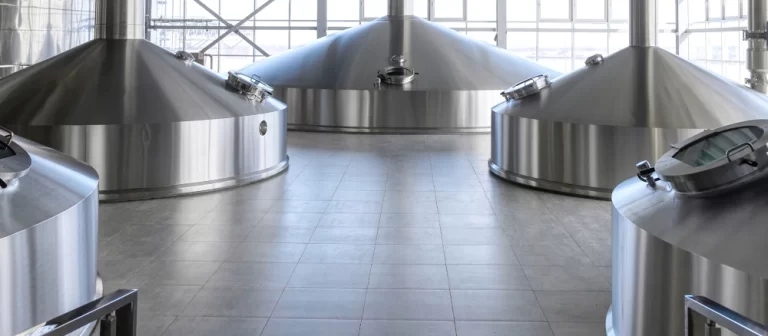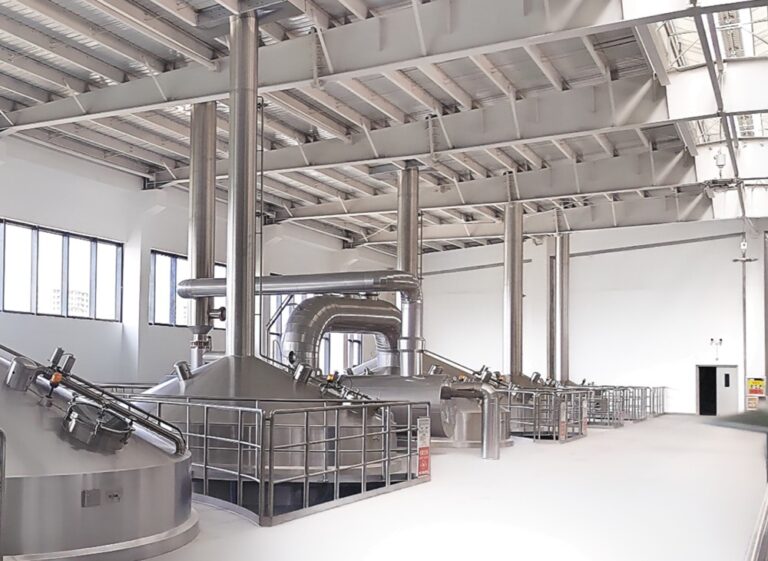
Chibuku is a traditional opaque beer widely consumed in Southern Africa. Commercial production combines traditional cereal-based brewing methods with modern processing technology. Compared with conventional clear beer, Chibuku production requires special attention to cereal processing, starch gelatinization, fermentation, product consistency, and hygienic handling.
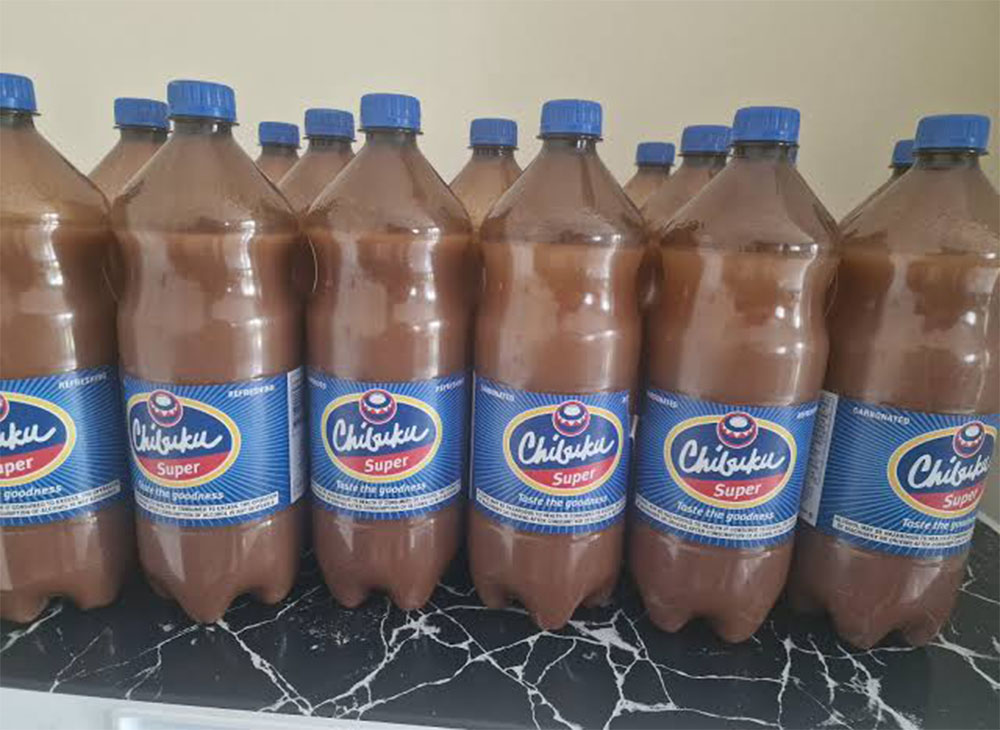
A complete Chibuku production line can be customized according to the recipe, raw materials, production capacity, fermentation method, and packaging requirements. The following are the key equipment commonly used in a commercial Chibuku production facility.
1. Grain Cleaning and Milling System
Sorghum and maize are commonly used as major cereal ingredients in Chibuku production.
**Main features:**
* Removes dust, stones, and foreign materials
* Produces a consistent particle size
* Improves starch extraction and conversion efficiency
* Suitable for continuous or batch production
A reliable milling system helps ensure stable performance during mashing and cooking.
2. Mash and Cereal Cooking Tank
The mash vessel is one of the most important pieces of equipment in a Chibuku production line. Milled cereals are mixed with water and heated to gelatinize starch and prepare it for enzymatic conversion.
**Main features:**
* Stainless-steel sanitary construction
* Efficient heating and mixing
* Temperature-controlled mashing
* Adjustable agitator speed
* Suitable for high proportions of sorghum and maize
Depending on the process, a separate **cereal gelatinization/cooking tank** can also be installed to improve starch processing efficiency.
3. Wort or Beverage Transfer System
Sanitary pumps and piping are used to transfer the cereal mixture between tanks.
**Main features:**
* Food-grade sanitary piping
* Hygienic centrifugal or positive-displacement pumps
* Stable flow control
* Easy connection to CIP cleaning systems
* Designed according to the production layout
Proper transfer design is particularly important when handling beverages containing suspended cereal solids.
4. Fermentation Tanks
After the cereal mixture has been prepared and cooled, it is transferred to fermentation tanks.
**Main features:**
* Food-grade stainless-steel construction
* Temperature control through cooling jackets
* Easy cleaning and sanitation
* Pressure or non-pressure design depending on the process
* Different working volumes available
Fermentation tank design should take into account the characteristics of Chibuku, including its solids content and relatively short fermentation cycle.
5. Blending and Adjustment Tank
A blending tank can be used for final product adjustment before packaging.
**Main features:**
* Uniform mixing
* Sanitary stainless-steel construction
* Adjustable agitator
* Easy addition of water or other permitted ingredients
* Suitable for recipe standardization
This equipment helps manufacturers maintain consistent flavor, alcohol level, viscosity, and product characteristics.
6. Cooling System
Cooling equipment is used to control product temperature during and after processing.
**Main features:**
* Stable temperature control
* Efficient heat transfer
* Suitable for continuous production
* Can be integrated with glycol or chilled-water systems
Accurate temperature management is essential for fermentation control and product stability.
7. CIP Cleaning System
Hygiene is critical in cereal-based fermented beverages. A **CIP (Clean-in-Place) system** can automatically clean tanks, pipes, pumps, and other product-contact equipment.
**Main features:**
* Reduces manual cleaning
* Improves production hygiene
* Saves cleaning time and labor
* Can include caustic, acid, hot-water, and sanitizing circuits
8. Filling and Packaging Equipment
The final product is transferred to the appropriate filling machine according to the selected packaging format.
Depending on the market, the line can include bottle or container fillers, capping machines, conveyors, labeling machines, date coders, and secondary packaging equipment.
## Complete Chibuku Production Solutions from Tiantai
**Tiantai** can provide customized Chibuku and cereal-based beverage production solutions, including **grain processing, mash and gelatinization systems, fermentation tanks, blending tanks, cooling systems, CIP systems, piping, control systems, and filling equipment**.
By integrating process technology with appropriately sized equipment, Tiantai can help customers build a complete and scalable Chibuku production line suited to their local raw materials, production capacity, and market requirements.
읽어 주셔서 감사합니다.
헬렌 리
연락처 이메일: [email protected]